Fall Propane Safety: What Homeowners Should Check Before Turning on the Heat
As fall sets in, it’s crucial to prioritize propane safety in your home. Before you turn on the heat, there are several important checks you should perform to ensure everything's in proper working order. From inspecting your propane tank to assessing your appliances, these steps can help prevent dangerous situations. Curious about what specific inspections you need to carry out? Let's explore the essential safety measures you can take.
Identifying Propane Leaks: Immediate Safety Checks
When it comes to ensuring your safety, it's crucial to know how to identify propane leaks quickly.
Start by familiarizing yourself with the distinct smell of propane, often described as a rotten egg scent. If you detect this odor, don’t ignore it. Turn off your propane supply immediately and evacuate everyone from the area.
Next, listen for hissing sounds near propane appliances or lines, which can indicate a leak. You can also use a soap and water solution; apply it to suspected areas and watch for bubbling, which signals escaping gas.
Why Regular Propane System Maintenance Matters
Regular maintenance of your propane system is essential not only for safety but also for efficiency. By keeping your system in top shape, you reduce the risk of leaks and malfunctions that could lead to dangerous situations.
Regular checks help identify worn or damaged components, allowing you to address issues before they escalate. This proactive approach not only protects your home but also ensures your heating system runs efficiently, saving you money on fuel costs.
Additionally, a well-maintained system can extend the lifespan of your equipment, giving you peace of mind.
Don't wait for problems to arise; schedule routine inspections and maintenance to keep your propane system safe and efficient throughout the colder months.
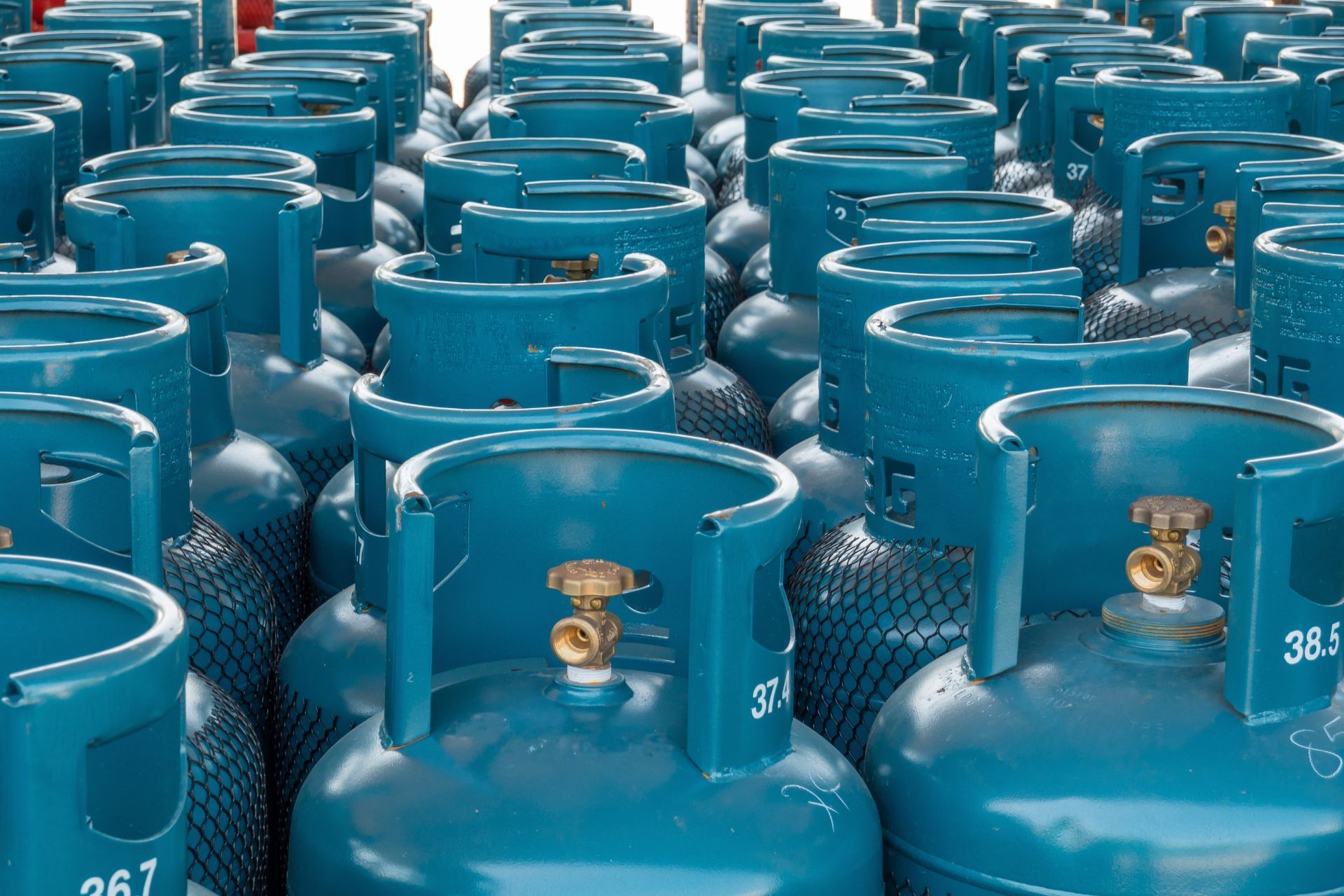
How to Inspect Your Propane Tank for Safety
Inspecting your propane tank for safety is a crucial step every homeowner should take.
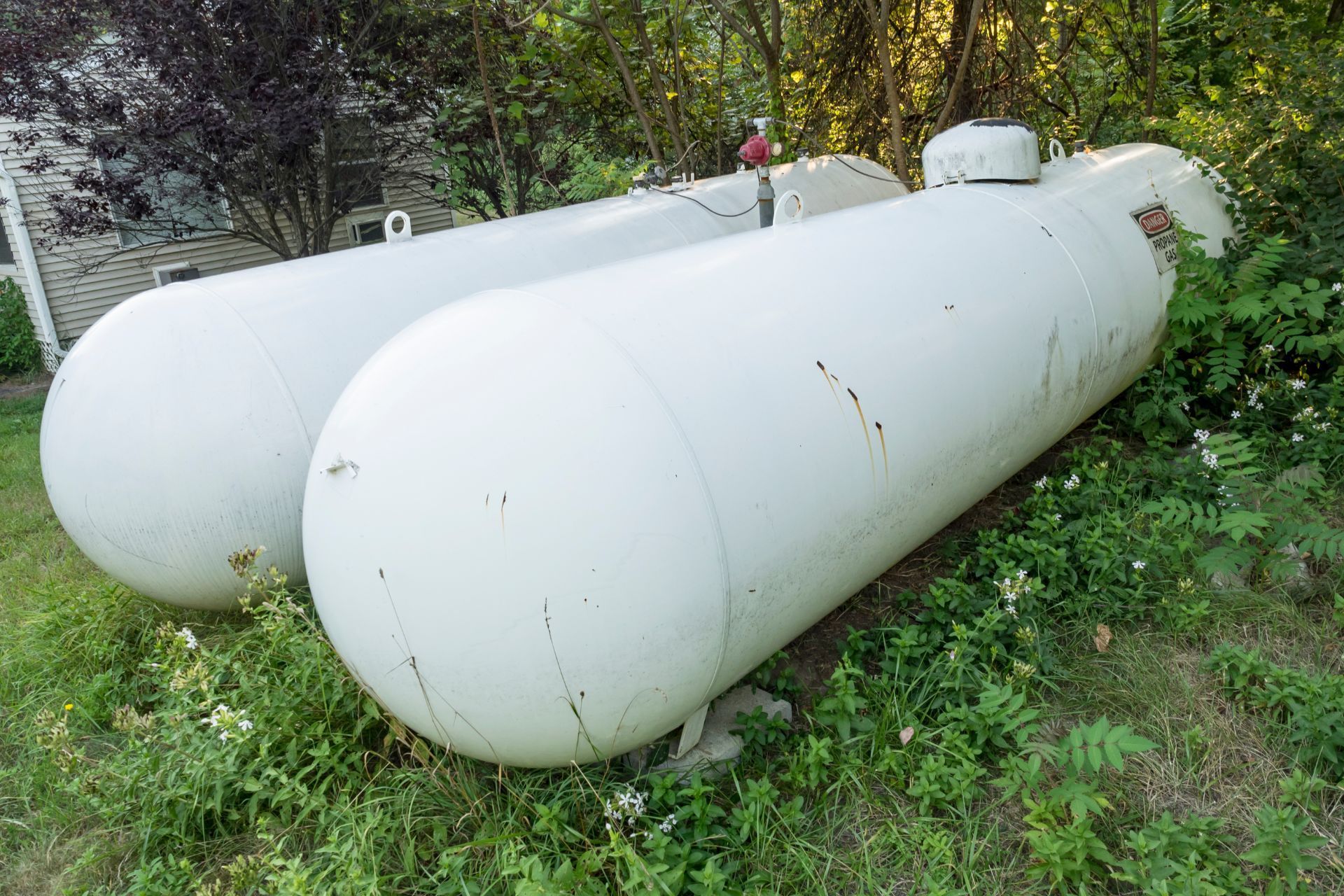
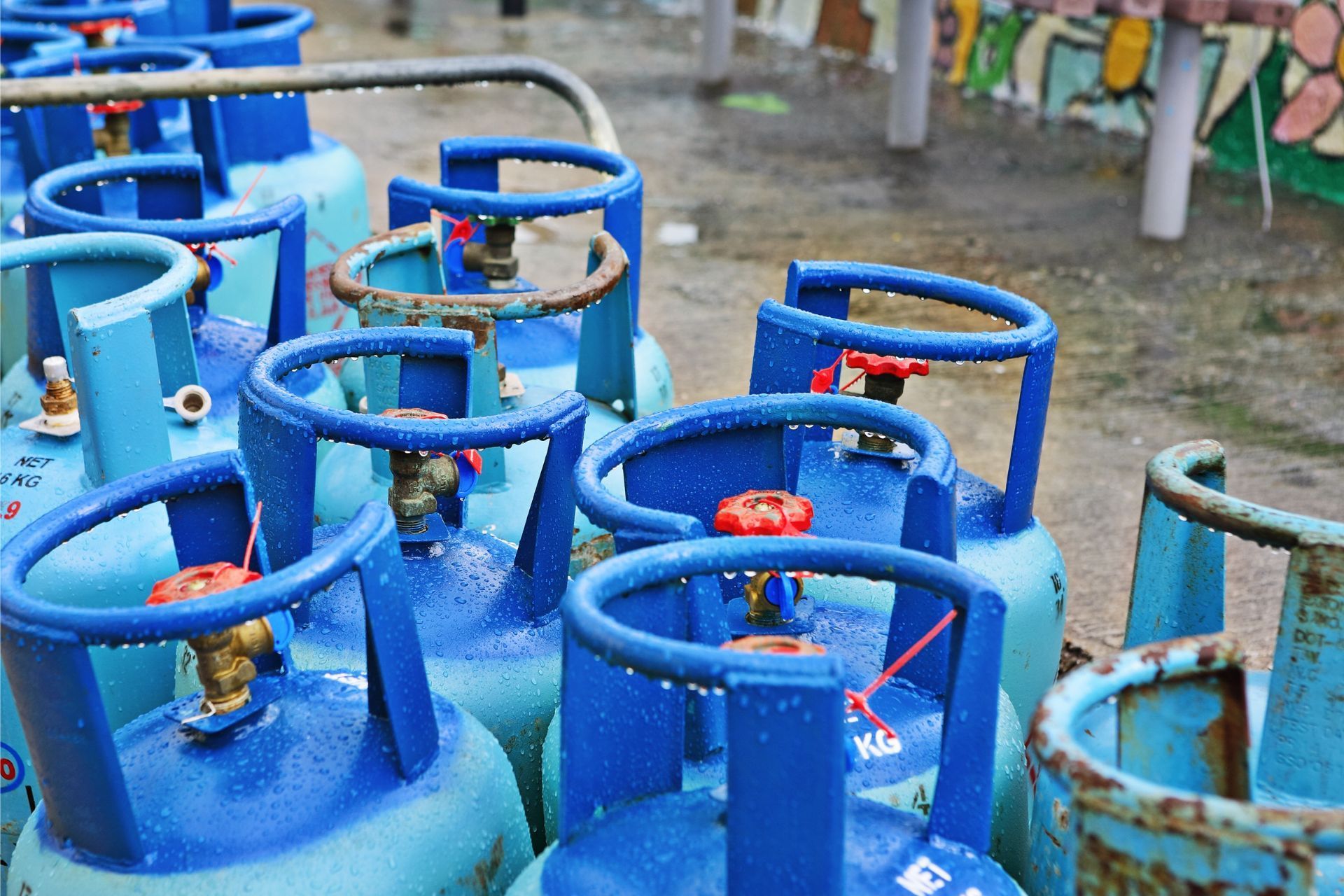
Start by checking for any visible signs of damage, such as dents, rust, or leaks. If you notice any hissing sounds or a strong smell of gas, evacuate the area immediately and contact a professional.
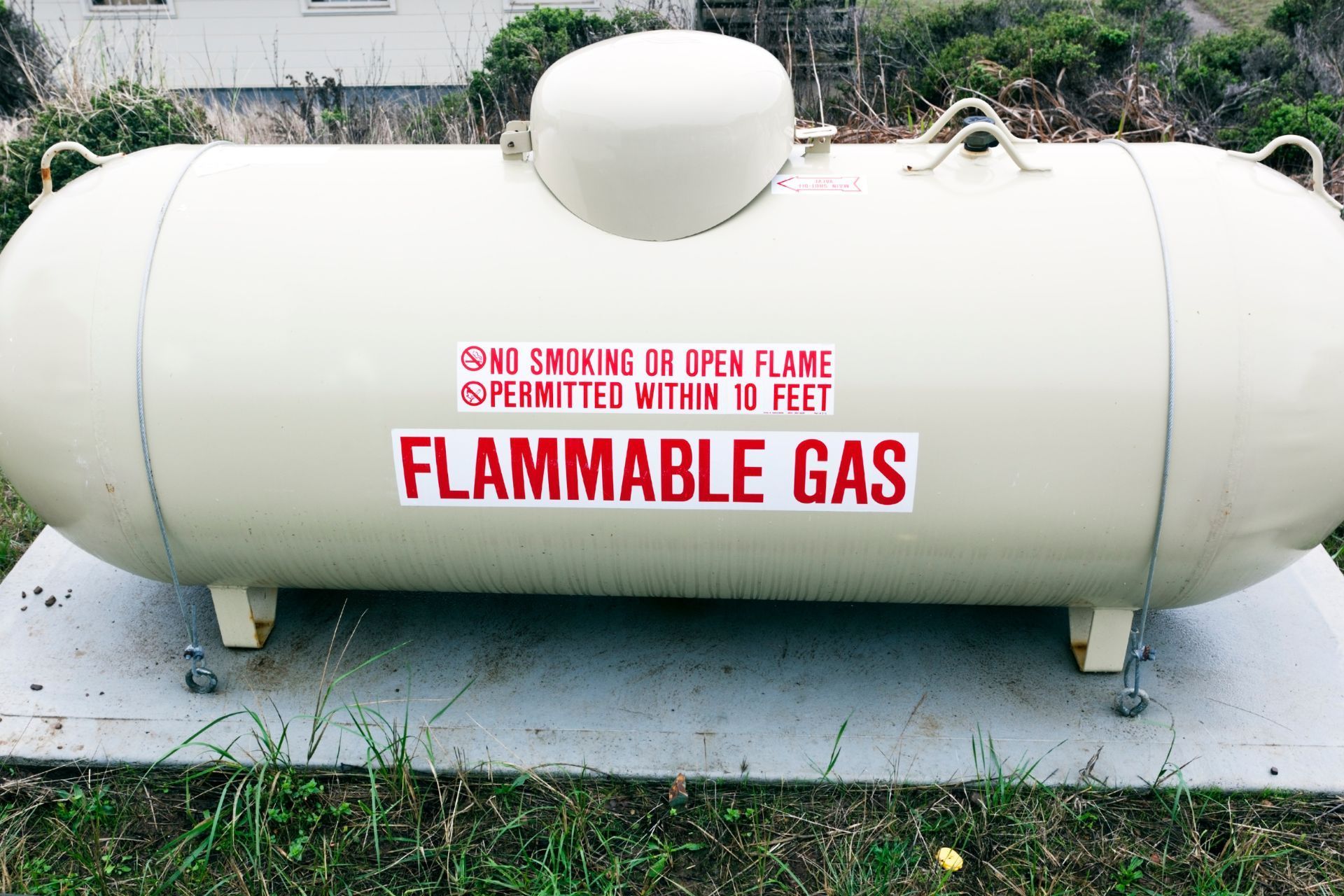
Ensure that the tank is at least 10 feet away from any buildings or flammable materials. Make sure the pressure relief valve is functioning properly by checking that it’s not blocked.
Lastly, verify that the tank is properly secured and upright. Regular inspections help prevent hazards and ensure your propane system operates safely throughout the fall and winter months.
Staying proactive can make all the difference in your home’s safety.
Essential Checks for Your Propane Appliances Before Winter
As temperatures drop, ensuring your propane appliances are in good working order becomes essential for maintaining comfort and safety in your home.
Start by checking your furnace or heater. Look for signs of wear and tear, and make sure the pilot light is functioning properly.
Inspect your propane stove and oven to ensure burners ignite and operate smoothly. Don’t forget about your water heater; check for leaks and ensure it’s heating efficiently.
Clean the appliance exteriors to remove dust and debris that could affect performance.
Lastly, replace any worn hoses or fittings before the cold sets in.
Why Proper Ventilation Matters for Your Propane Heater
While you mightn't think about it often, proper ventilation is crucial for your propane heater's safe and efficient operation.
When your heater runs, it produces carbon monoxide and other gases that need to escape your home. Without adequate ventilation, these harmful gases can build up, posing serious health risks to you and your family.
Additionally, poor airflow can lead to inefficient heating, wasting energy and increasing your bills. Make sure your vents are clear of obstructions like furniture, curtains, or debris.
Regularly check the exhaust system for any blockages or damage. By ensuring proper ventilation, you not only enhance your heater's performance but also safeguard your home from potential hazards.
Take this simple step to maintain a safe and comfortable living environment.
Prepare Your Home for Cold Weather and Propane Heating
Before the cold weather sets in, it's essential to prepare your home for propane heating to ensure comfort and safety.
Start by checking your propane tank level; you should have at least 20% fuel left to avoid running out during a cold snap.
Inspect your heating system for any signs of wear or damage, and schedule a professional maintenance check if necessary.
Ensure that your vents and chimneys are clear of obstructions to promote proper airflow.
Weatherproof your windows and doors by sealing any gaps to prevent drafts.
Finally, test your smoke and carbon monoxide detectors to guarantee they’re functioning correctly.
Taking these steps will help create a warm, safe environment as temperatures drop.
What to Do in Case of a Propane Emergency?
Even with proper preparation for propane heating, emergencies can still happen. If you smell gas or hear a hissing sound, act quickly.
First, exit your home immediately and avoid using any electrical devices, including light switches. Once you're a safe distance away, call your propane supplier or emergency services to report the situation.
Don’t re-enter your home until professionals declare it safe. If there's a fire, prioritize your safety and call 911.
In case of a propane leak, you should also inform your neighbors, as they may be at risk.
Finally, keep a fire extinguisher handy and know how to use it, just in case. Being prepared can make all the difference in an emergency.
Preventing Propane Emergencies: Essential Tips
To prevent propane emergencies, it's crucial to stay vigilant and proactive about safety measures.
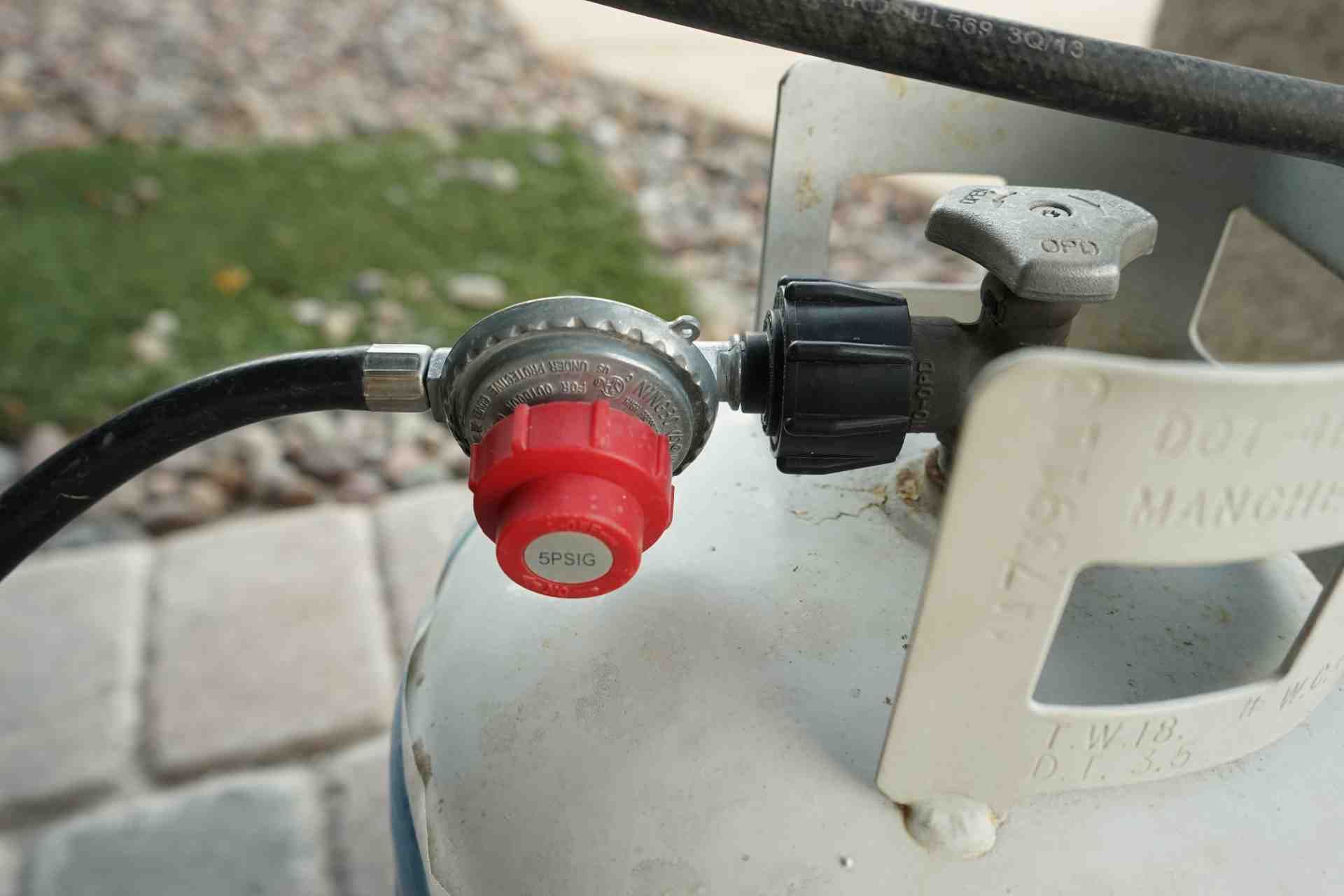
First, regularly check your propane system for leaks. You can do this by applying soapy water to connections; if bubbles form, you've got a leak.
Always ensure your propane appliances are properly maintained and serviced by a professional.
Install carbon monoxide detectors in your home and test them monthly.
Keep flammable materials away from your propane tanks and appliances.
In case of a strong odor of gas, evacuate immediately and call your propane supplier.
Finally, make sure everyone in your household knows how to shut off the propane supply in an emergency.
Staying informed and prepared can significantly reduce the risk of propane-related incidents.
Conclusion
As you prepare for the heating season, prioritizing propane safety is crucial. By regularly checking your propane tank, appliances, and ventilation, you can ensure a warm and secure home this fall. Don't forget to maintain your fuel levels and test your detectors. Being proactive now can prevent emergencies later. Stay informed, stay safe, and enjoy the comfort of your home all winter long. Your attention to these details will make all the difference!