Is Your Home Ready for Fall? 7 Propane Checks to Make Before Cold Weather Arrives
As fall approaches, it’s time to ensure your home is ready for the colder months ahead. You might not realize how crucial it is to check your propane system before temperatures drop. From monitoring tank levels to inspecting appliances, these steps can make a significant difference in your home’s warmth and safety. Are you prepared to tackle these essential checks? Let’s explore what you need to do to keep your home cozy this season.
Why Preparing Your Propane System Is Essential
As the leaves begin to change, it’s crucial to ensure your propane system is ready for the colder months ahead.
Preparing your system not only guarantees warmth but also enhances safety. Cold weather can put extra strain on your propane appliances, making it essential to check for any signs of wear and tear.
Inspecting connections, hoses, and fittings can prevent leaks and ensure efficient operation. Additionally, consider scheduling a professional inspection to catch potential issues early.
By taking these proactive steps, you’ll avoid inconvenient breakdowns and costly repairs during winter.
Remember, a well-maintained propane system keeps your home cozy and secure, allowing you to enjoy the beauty of fall without worry.
Check Your Propane Tank Levels
After ensuring your propane system is in good shape, it’s time to check your propane tank levels.
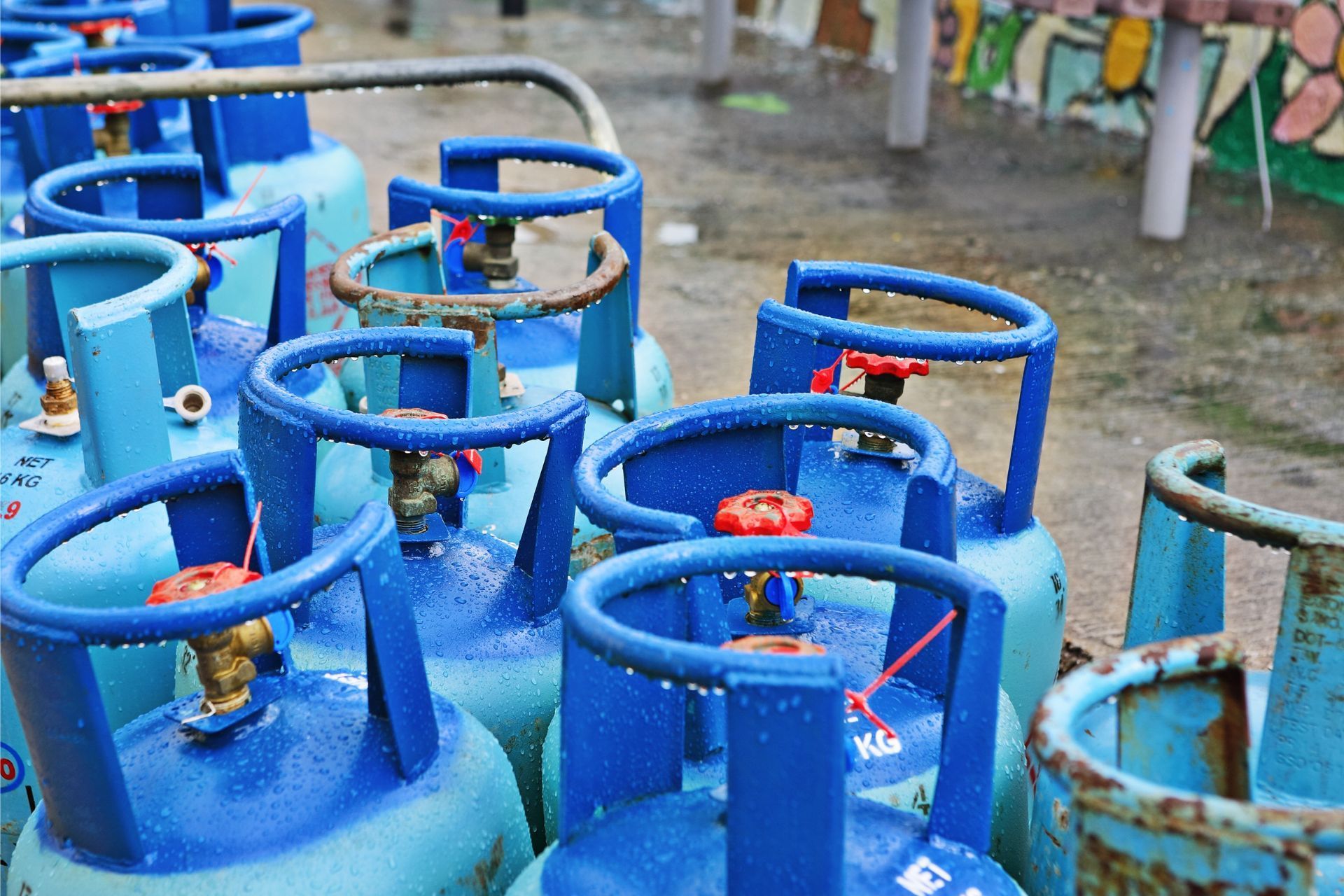
Keeping an eye on your tank is crucial as colder weather approaches. You don’t want to run low on propane when you need it most.
Start by inspecting the gauge on your tank to see how much fuel you have left. If the level is below 30%, it’s wise to schedule a refill soon.
Remember, it’s better to be proactive than to scramble during a cold snap. If you’re unsure about the reading or how to check it, don’t hesitate to contact your propane supplier for assistance.
Staying ahead of your propane needs will help ensure your home stays warm and comfortable all season long.
Inspect Your Propane Appliances
Before the chilly weather sets in, it's essential to inspect your propane appliances to ensure they're operating safely and efficiently.
Start by checking your furnace, stove, and water heater for any visible signs of wear or damage. Look for cracks, rust, or leaks, as these can pose serious risks.
Test your appliances according to the manufacturer’s guidelines, ensuring they ignite properly and maintain consistent performance.
Don’t forget to examine the burner flames; they should be blue, indicating proper combustion. If you spot yellow or orange flames, it’s time to call a professional.
Regular maintenance not only enhances efficiency but also extends the lifespan of your appliances, giving you peace of mind as temperatures drop.
Stay safe this fall!
Examine Ventilation and Exhaust Systems
Ensuring your home’s ventilation and exhaust systems are in good condition is crucial for maintaining air quality and safety as temperatures drop.
Start by checking your vents and ducts for any blockages or debris. Clean or replace filters in your HVAC system to enhance airflow and efficiency.
Make sure exhaust fans in kitchens and bathrooms are functioning properly to remove excess moisture and odors. Inspect the flues and chimneys connected to your heating appliances, ensuring they’re free of obstructions. Pay special attention to any signs of wear or corrosion.
Proper ventilation helps prevent the buildup of harmful gases, so don’t overlook this essential check. Keeping these systems in top shape will help create a comfortable and safe environment during the colder months.
Conduct a Comprehensive Leak Test on Your Propane System
As the chill of fall sets in, it's essential to conduct a comprehensive leak test on your propane system to ensure your home remains safe and efficient.
Start by visually inspecting the propane lines, connections, and appliances for any signs of wear or damage. Look for rust, corrosion, or loose fittings that could indicate a potential leak.
Next, you can use a soapy water solution to check for leaks: apply it to joints and connections, and watch for bubbles forming. If you notice any, it’s crucial to contact a professional for repairs.
Regularly testing your propane system not only enhances safety but also helps maintain your system's efficiency, ensuring you stay warm all season long.
Carbon Monoxide Detector Testing
How often do you check your carbon monoxide detectors? It’s crucial to test them at least once a month to ensure they’re working properly.
If you haven’t done this recently, grab a step stool and press the test button. You should hear a loud beep if it’s functioning. If you don’t, replace the batteries immediately.
Also, be aware of your detectors’ lifespan; most need replacing every 5 to 7 years. Check the manufacturer’s guidelines for specifics.
Make sure your detectors are installed in key areas, like near sleeping spaces and on every level of your home.
This simple maintenance step can save lives, especially as colder weather leads to increased use of heating systems. Stay safe and proactive!
Prepare Your Propane System for Emergency Situations
With colder months approaching, it’s important to prepare your propane system for any emergency situations.
Start by checking your propane tank level—ensure it’s at least 30% full to avoid running out during a storm.
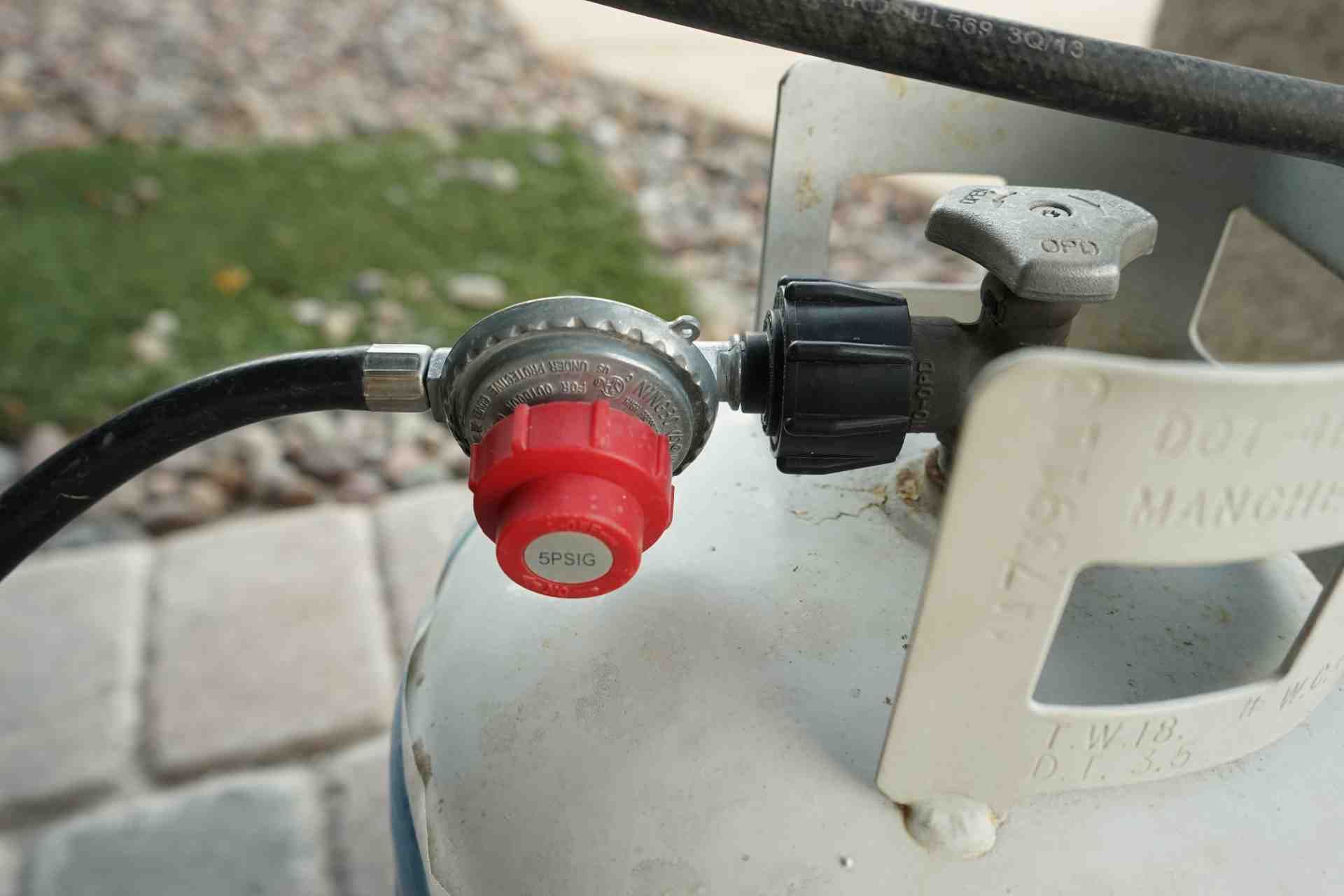
Inspect all connections and hoses for leaks or wear; use a soap solution to identify any bubbling.
Test your propane appliances to confirm they’re functioning properly, and replace any faulty components.
Have an emergency kit ready, including a flashlight, batteries, and a backup heater.
Lastly, familiarize yourself with the emergency shut-off valve and ensure everyone in your household knows its location.
Taking these steps can help you stay safe and warm, no matter what winter throws your way.
Conclusion
By taking these seven essential propane checks, you’re not just prepping your home for the fall; you’re ensuring your family’s comfort and safety during the colder months. Regularly monitoring your propane levels, inspecting appliances, and testing detectors can prevent potential hazards and costly emergencies. So, don’t wait—get started now and enjoy a worry-free, warm season ahead. Your proactive approach makes all the difference in keeping your home cozy and secure when the chill sets in.