Propane for Generators: How Propane Can Keep Your Home Running During a Power Outage
When power outages strike, you need a reliable backup plan to keep your home running smoothly. Propane generators stand out as a practical solution, offering efficiency and low emissions. They convert propane gas into electricity, ensuring your essential appliances stay powered during emergencies. But what makes propane a better choice than other fuel sources? Understanding the advantages and key features of propane generators can make all the difference when the lights go out.
How Propane Generators Work: A Simple Overview
When you need reliable power during an outage or while camping, understanding how propane generators work can be a game changer.
Propane generators operate by converting propane gas into electricity through an internal combustion engine. You’ll find a fuel tank that stores the propane, which is vaporized and mixed with air to create a combustible mixture. This mixture ignites in the engine’s cylinders, producing power.
The engine’s mechanical energy then drives an alternator, generating electricity. Most propane generators come with a control panel that lets you easily monitor output and manage loads.
With fewer moving parts than gasoline engines, propane generators tend to require less maintenance, making them a practical choice for your power needs during emergencies or outdoor adventures.
The Benefits of Using Propane for Generators
Using propane for generators offers several advantages that can enhance your experience during power outages or outdoor activities.
First, propane is clean-burning, producing fewer emissions than gasoline or diesel, which means you’ll enjoy better air quality. It also has a longer shelf life, so you don't have to worry about fuel degradation over time.
Propane generators are often quieter, allowing you to maintain a peaceful environment during an outage. Additionally, they’re easier to store and transport, making them a convenient option for camping or emergency preparedness.
You’ll also appreciate that propane is generally safer, with a lower risk of spills or leaks. Overall, choosing propane can provide you with a reliable, efficient, and environmentally friendly power solution.
Why Choose Propane Over Other Fuel Options?
Propane stands out as a superior fuel choice compared to gasoline or diesel for several reasons.
First, it burns cleaner, producing fewer emissions that can harm the environment. This means you can power your home without contributing as much to air pollution.
Second, propane has a longer shelf life, which means you won't have to worry about fuel degradation during storage. Unlike gasoline, it doesn’t go bad quickly.
Additionally, propane’s efficiency allows your generator to run longer on less fuel, saving you money in the long run.
It’s also safer to store, with a lower risk of spills and leaks.
Choosing propane ensures you have a reliable, eco-friendly option to keep your home running smoothly during power outages.
Essential Features to Look for in a Propane Generator
A reliable propane generator can be a game-changer during power outages, so it's crucial to know what features to prioritize.
First, look for a generator with a sufficient wattage output to power your essential appliances. Consider portability; a lightweight model with wheels can make transportation easier.
Noise level matters too—opt for a quieter unit to keep your environment peaceful. Check for safety features like automatic shut-off and CO detection.
Additionally, a user-friendly control panel simplifies operation, especially during stressful situations. Lastly, consider fuel efficiency; a generator that maximizes propane use can save you money and time.
How to Maintain Your Propane Generator
Regular maintenance is key to keeping your propane generator running smoothly and efficiently.
Start by checking the oil level and changing it as needed. Clean or replace the air filter to ensure proper airflow, which helps improve performance. Inspect the spark plug for wear and replace it if necessary.
Make sure the fuel lines are free from leaks and clogs. Test the battery regularly and keep it charged to avoid surprises during an outage.
Additionally, run your generator monthly for about 30 minutes to keep the engine lubricated and the fuel fresh.
Lastly, always refer to your owner’s manual for specific maintenance guidelines tailored to your model. Regular upkeep will extend the life of your generator and ensure it’s ready when you need it most.
Getting Your Home Ready for a Propane Generator
Before you install a propane generator, it's essential to prepare your home to ensure safety and efficiency.
Start by choosing a suitable location outside, away from windows and doors, to prevent harmful fumes from entering your home. Make sure the area is dry, level, and free from debris.
Next, assess your power needs by determining which appliances and systems you want to run during an outage. This will help you select the right generator size.
Additionally, consider installing a transfer switch to safely connect your generator to your home’s electrical system.
Finally, check local regulations regarding propane storage and installation to ensure compliance.
Taking these steps will help you maximize your generator's performance and keep your home running smoothly.
Safety Considerations for Using Propane Generators
While using a propane generator can provide reliable power during outages, it's crucial to prioritize safety to prevent accidents and ensure smooth operation.
First, always use your generator outdoors in a well-ventilated area to avoid carbon monoxide buildup. Position it at least 20 feet away from windows and doors to keep harmful fumes away from your living space.
Make sure to read the manufacturer’s instructions carefully and follow them closely. Additionally, keep the generator dry to prevent electrical shocks; use a cover if it's raining.
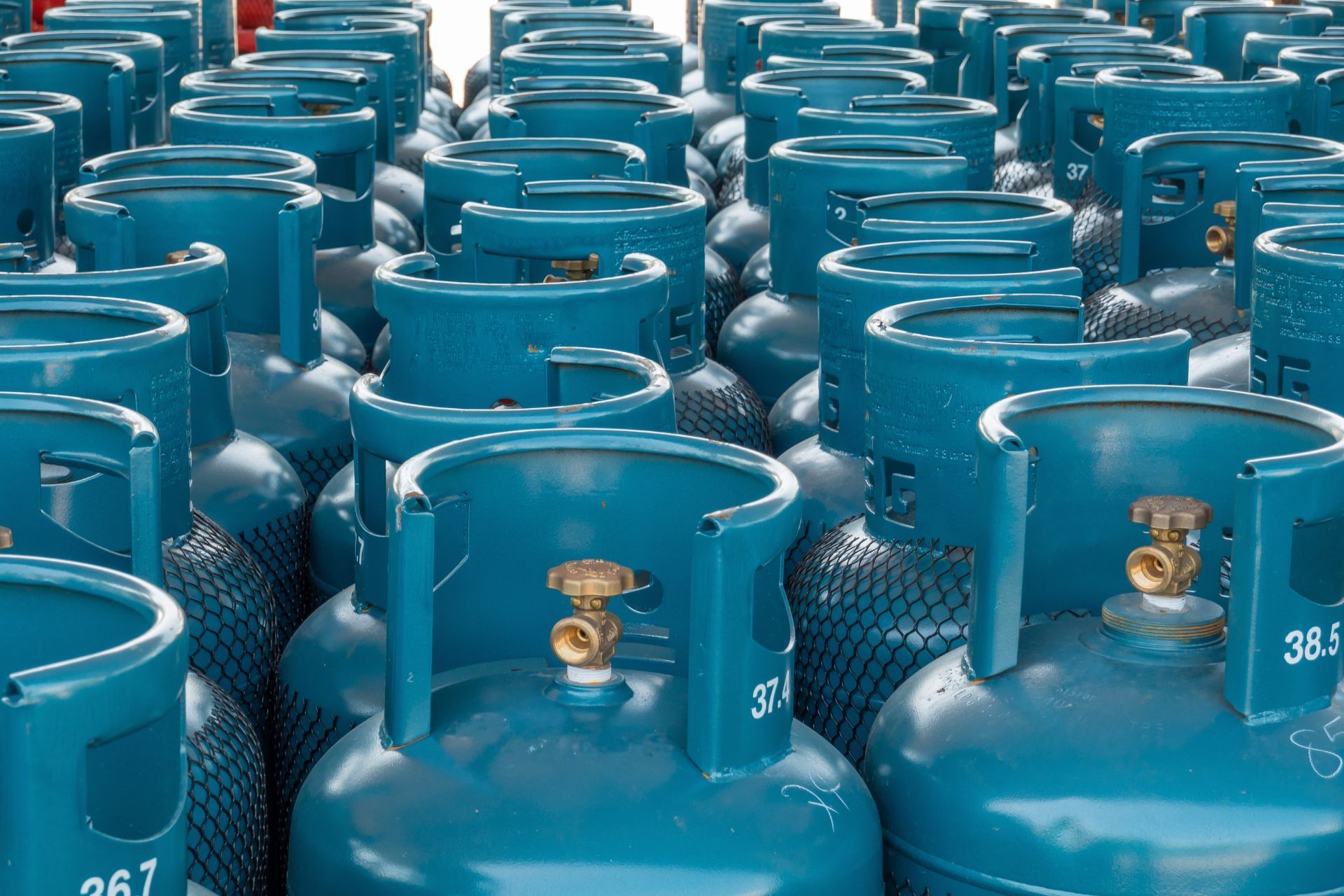
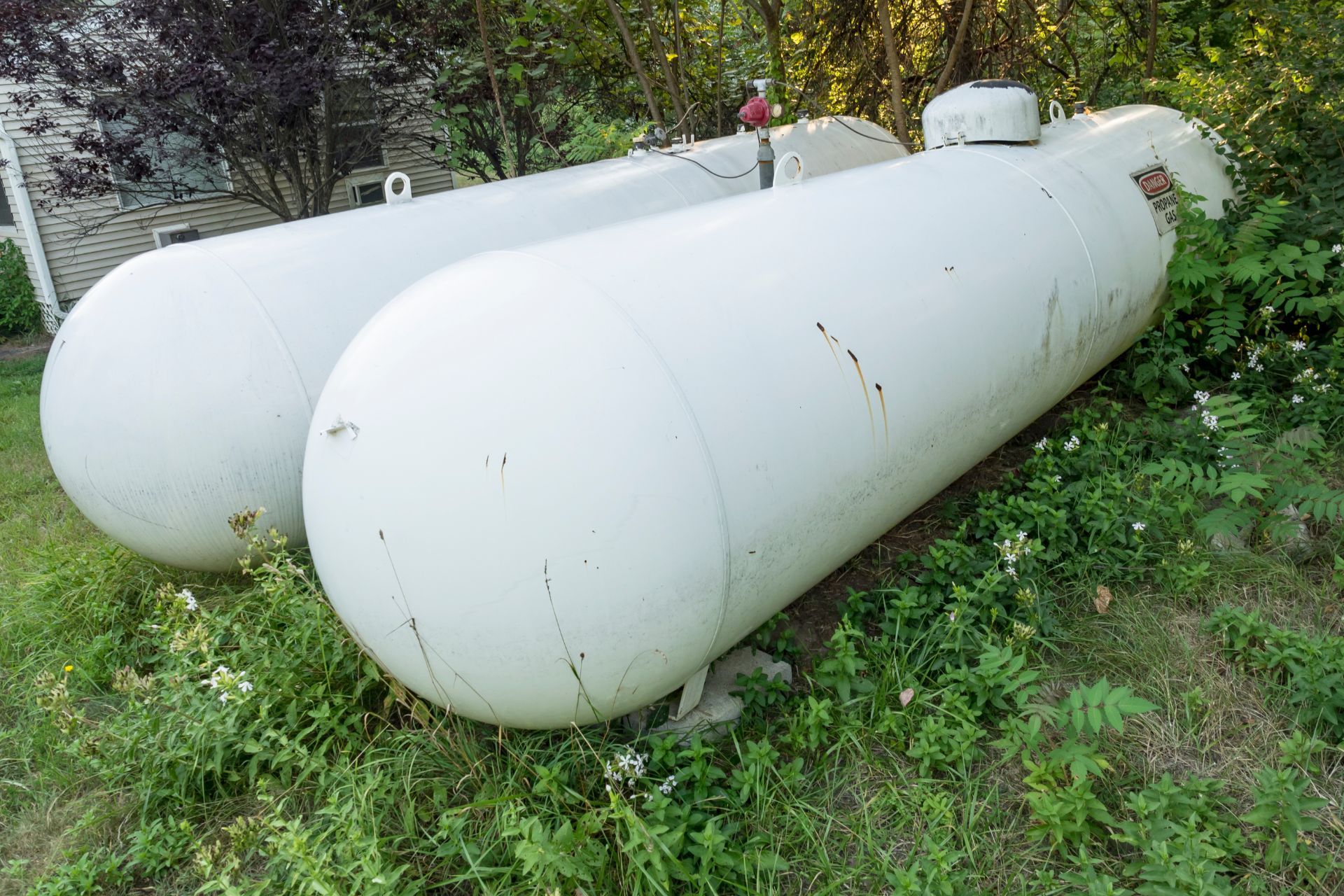
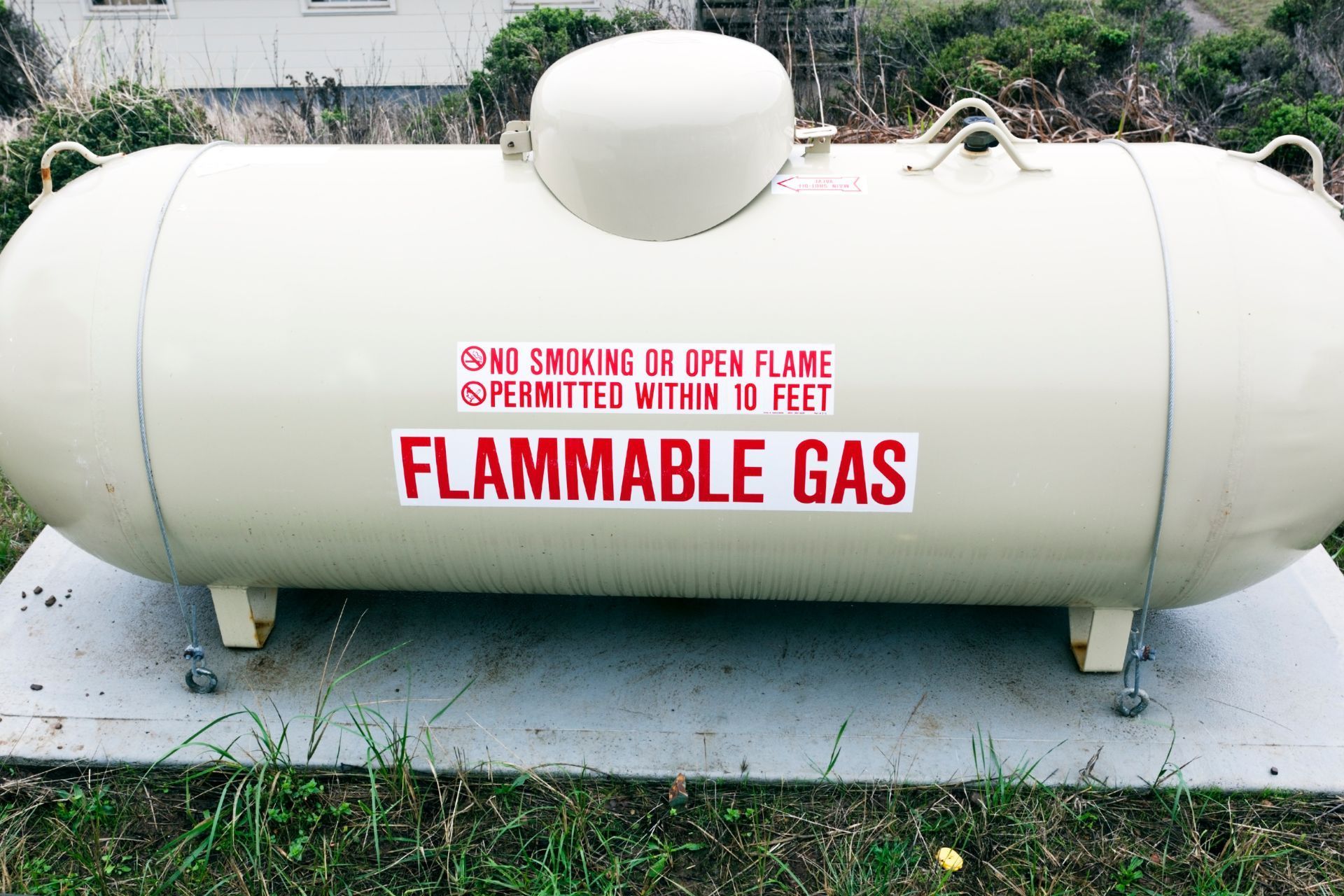
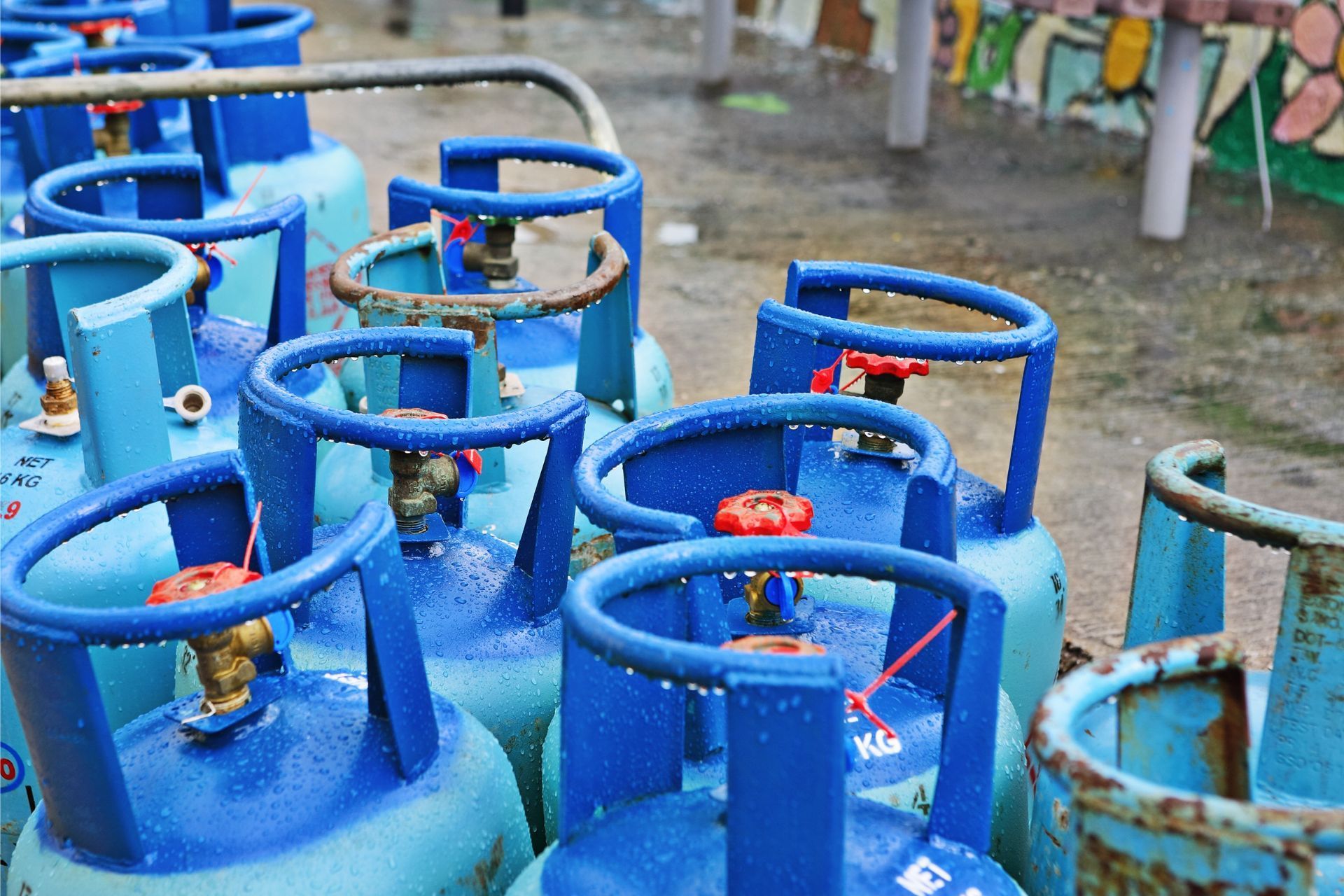
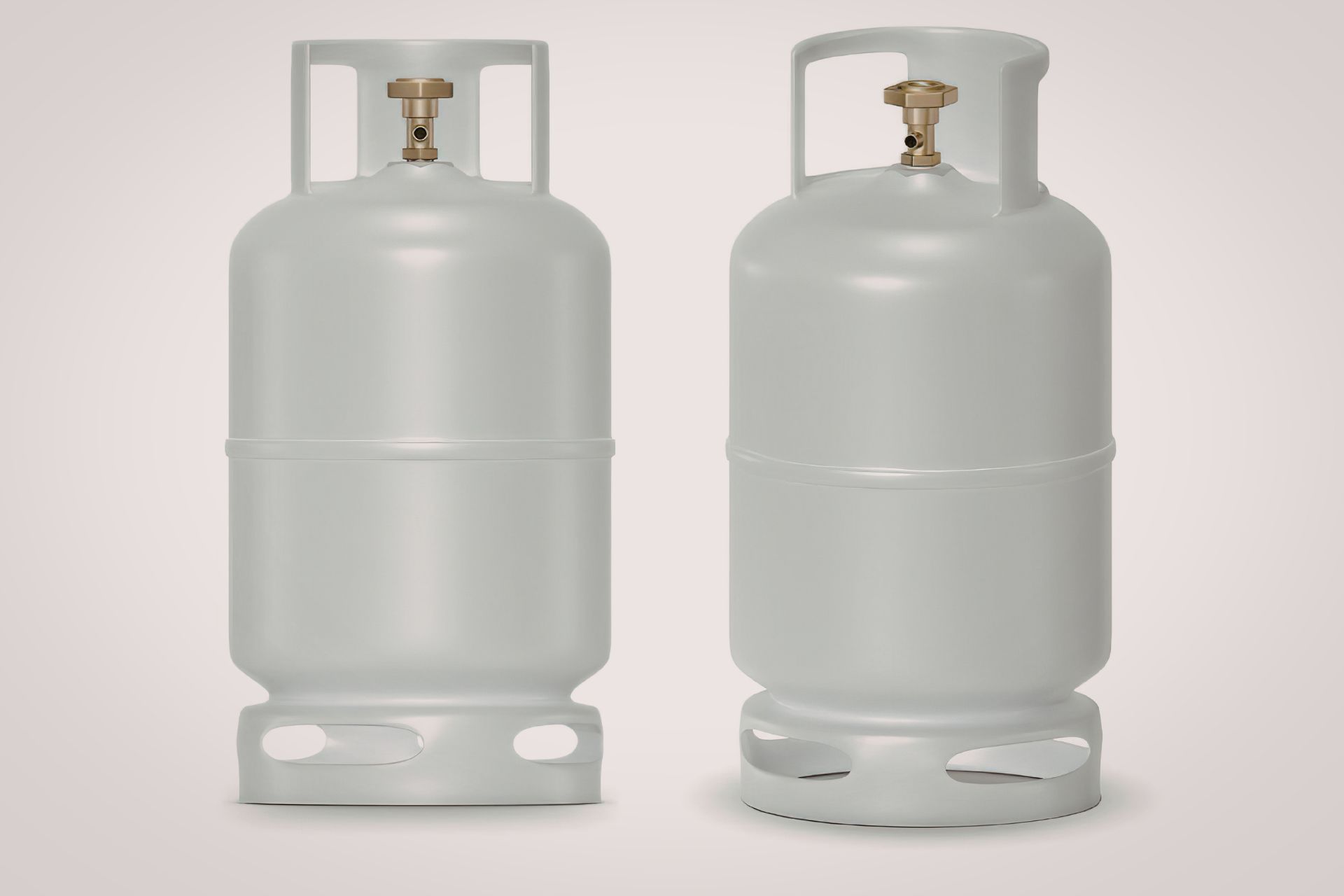
Regularly check for leaks or damage in the propane lines. Finally, store propane tanks safely, away from heat sources and in an upright position.
Conclusion
In conclusion, propane generators offer a reliable and efficient way to keep your home powered during outages. Their clean-burning operation, long shelf life, and quiet performance make them an excellent choice for emergency situations. By choosing propane, you ensure easy storage and minimal emissions, providing peace of mind for you and your family. With the right maintenance and safety precautions, your propane generator can be an invaluable asset, keeping your essential appliances running smoothly when you need them most.