Propane vs. Electricity: Which Is Better for Heating Your Home?
When it comes to heating your home, the choice between propane and electricity can be a bit tricky. Each option has its own set of advantages and drawbacks that can significantly impact your comfort and costs. Understanding these differences is crucial, especially as you consider factors like efficiency, installation, and safety. So, which heating method truly suits your needs? Let's break it down.
Key Considerations for Choosing Your Heating Method
When deciding between propane and electricity for heating your home, it’s crucial to consider several factors that can impact your comfort and budget.
First, think about the availability of each energy source in your area. If propane isn’t easily accessible, electricity might be your better option.
Next, evaluate the efficiency of each system. Propane heaters often provide quicker warmth, while electric systems can be slower to heat.
You’ll also want to consider installation costs and potential maintenance expenses.
Finally, keep an eye on energy prices, as fluctuations can significantly influence your monthly bills.
Understanding Propane as a Heating Source
Although propane is often seen as a traditional heating option, it offers distinct advantages that make it a popular choice for many homeowners.
First, propane burns cleanly, producing fewer emissions compared to other fossil fuels, which can help maintain indoor air quality. Additionally, it’s highly efficient, providing more heat per unit than electricity.
You’ll also find that propane heats up quickly, allowing your home to reach a comfortable temperature in less time. Its versatility is another perk; you can use it for heating, cooking, and even powering appliances.
Plus, in areas prone to power outages, propane can be a reliable backup source. All these factors make propane an attractive heating solution for your home.
Energy Efficiency: Propane vs. Electricity
Energy efficiency plays a crucial role in choosing between propane and electricity for home heating.
When it comes to energy efficiency, propane is often more effective than electricity in colder climates. Propane furnaces typically achieve efficiencies of 90% or higher, meaning most of the energy used converts to heat.
On the other hand, electric heating systems can have varying efficiencies, but they may struggle to provide sufficient warmth in extreme cold without supplementary systems.
Additionally, propane's high energy content allows it to heat spaces quickly, which can lead to lower overall energy consumption.
Ultimately, you’ll want to consider your local energy costs and climate when determining which heating source is the most energy-efficient choice for your home.
Benefits of Electric Heating Systems
While propane offers many advantages, electric heating systems come with their own set of benefits that make them an appealing choice for homeowners.
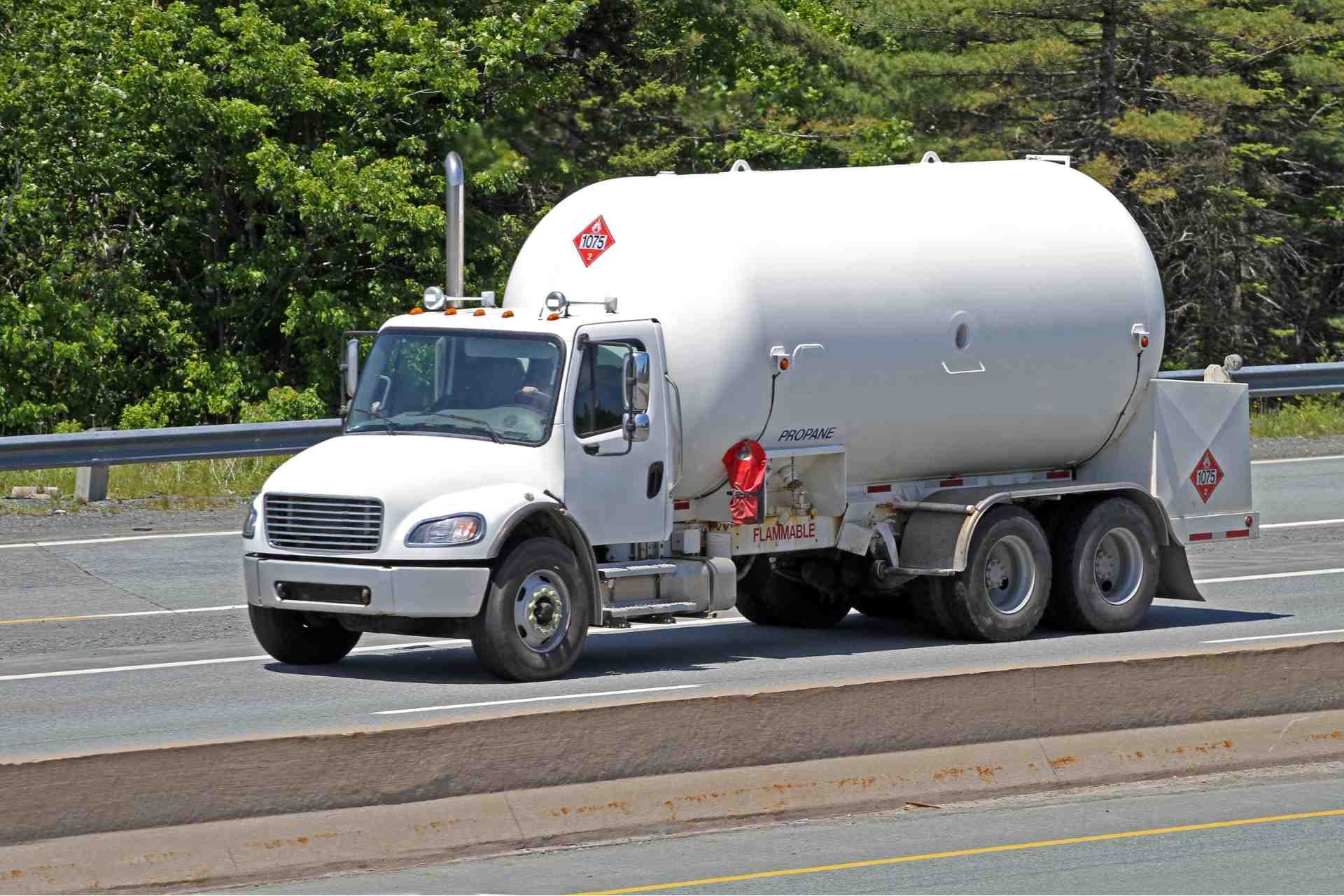
First, electric systems are often easier to install, requiring less maintenance than propane setups. You won’t have to worry about fuel storage or delivery, making your life simpler.
Additionally, electric heating is generally safer since there’s no risk of gas leaks or combustion-related incidents. It also allows for zoned heating, enabling you to target specific areas in your home, enhancing comfort and efficiency.
Plus, many electric systems provide instant heat, so you won’t have to wait to feel warmth. Overall, these factors can contribute to a more convenient and worry-free heating experience.
Cost Analysis: Long-Term Heating Expenses
When considering long-term heating expenses, it’s crucial to analyze both propane and electric systems to determine which option fits your budget best.
Propane tends to have lower upfront costs for equipment, but you need to factor in fluctuating fuel prices. Over time, these prices can add up, making propane potentially more expensive in the long run.
On the other hand, electric systems often come with higher installation costs, but they usually enjoy more stable pricing and lower maintenance expenses. Additionally, electric heating may result in lower overall energy consumption for some homes.
Ultimately, evaluating your specific heating needs, local energy rates, and future price trends will help you make an informed decision that aligns with your financial goals.
Environmental Impact of Heating: Which Method Is Greener?
Heating your home not only affects your budget but also has implications for the environment. When considering propane versus electricity, you’ll find differing impacts.
Propane is a fossil fuel, producing greenhouse gases during combustion. While it's efficient, it still contributes to climate change.
On the other hand, electricity's environmental impact largely depends on its source. If your electricity comes from renewable sources like wind or solar, it can be significantly greener. However, if it’s generated from coal or natural gas, the environmental benefits diminish.
Ultimately, your choice may come down to your local energy mix. You can make a positive environmental impact by opting for systems powered by clean energy sources, reducing your carbon footprint while staying warm.
Maintenance and Safety: Propane vs. Electric Systems
Although both propane and electric heating systems can keep your home comfortable, their maintenance and safety requirements differ significantly.
With propane systems, you need to regularly check for leaks, ensure proper ventilation, and schedule annual inspections to keep everything running smoothly. Carbon monoxide detectors are essential for safety, as propane can produce harmful gases if not handled correctly.
On the other hand, electric systems typically require less maintenance. You should still inspect wiring and connections for wear, but the risks are generally lower.
However, it’s crucial to have working smoke detectors since electrical malfunctions can lead to fires.
Ultimately, your choice should factor in how much time and effort you’re willing to invest in maintenance and safety measures.
Installation Requirements for Propane and Electric Heating
Proper installation is vital for both propane and electric heating systems, as it directly impacts efficiency and safety.
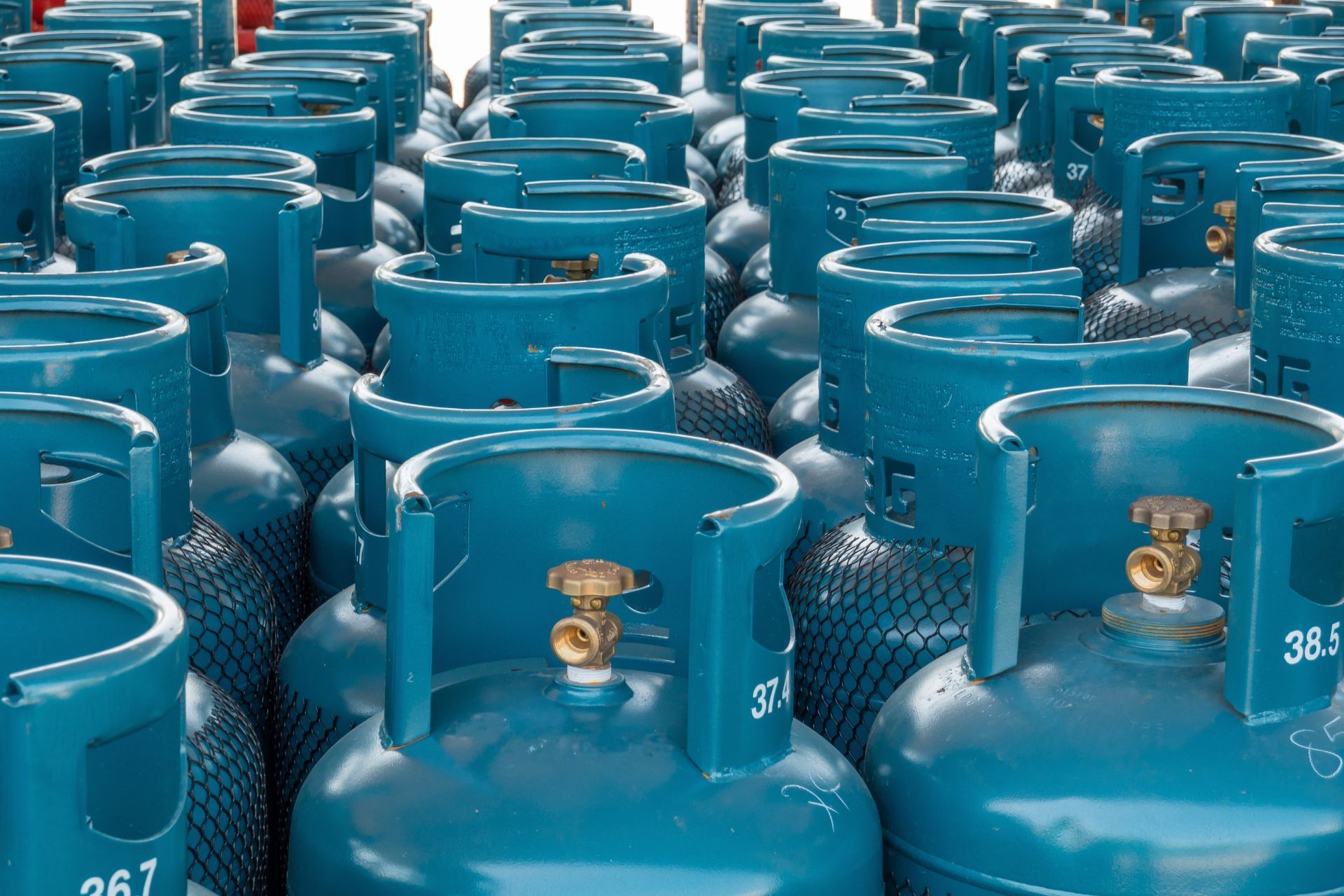
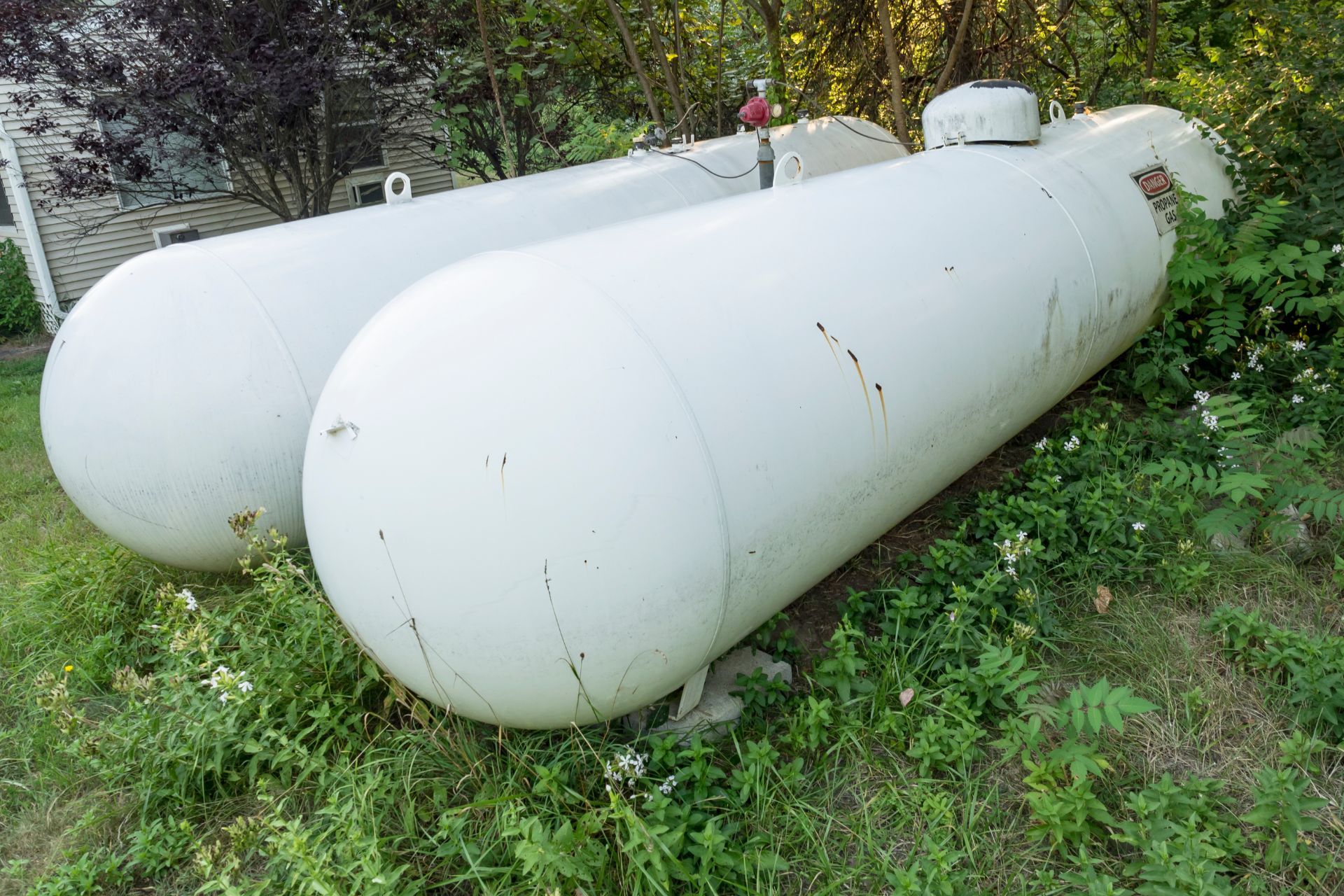
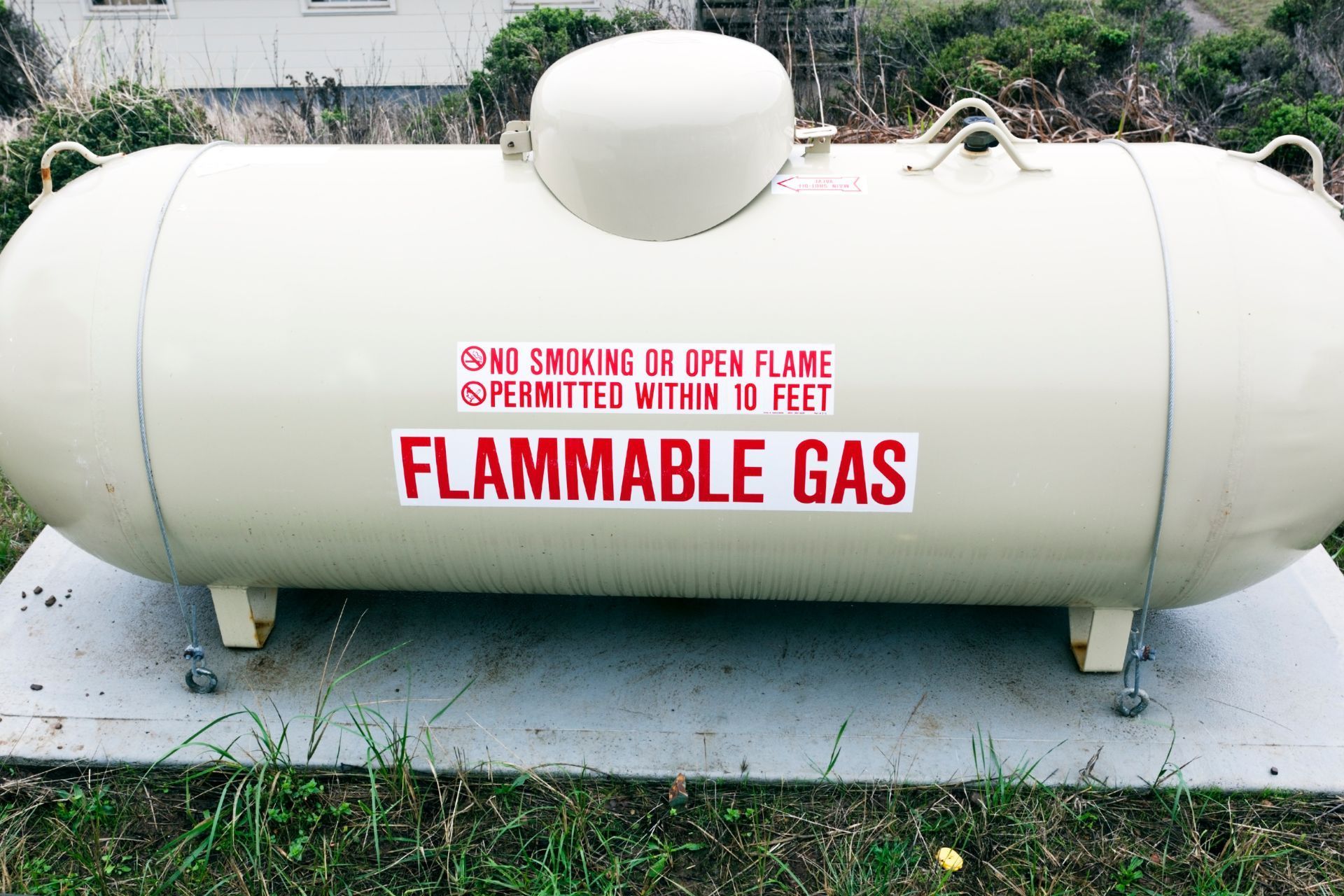
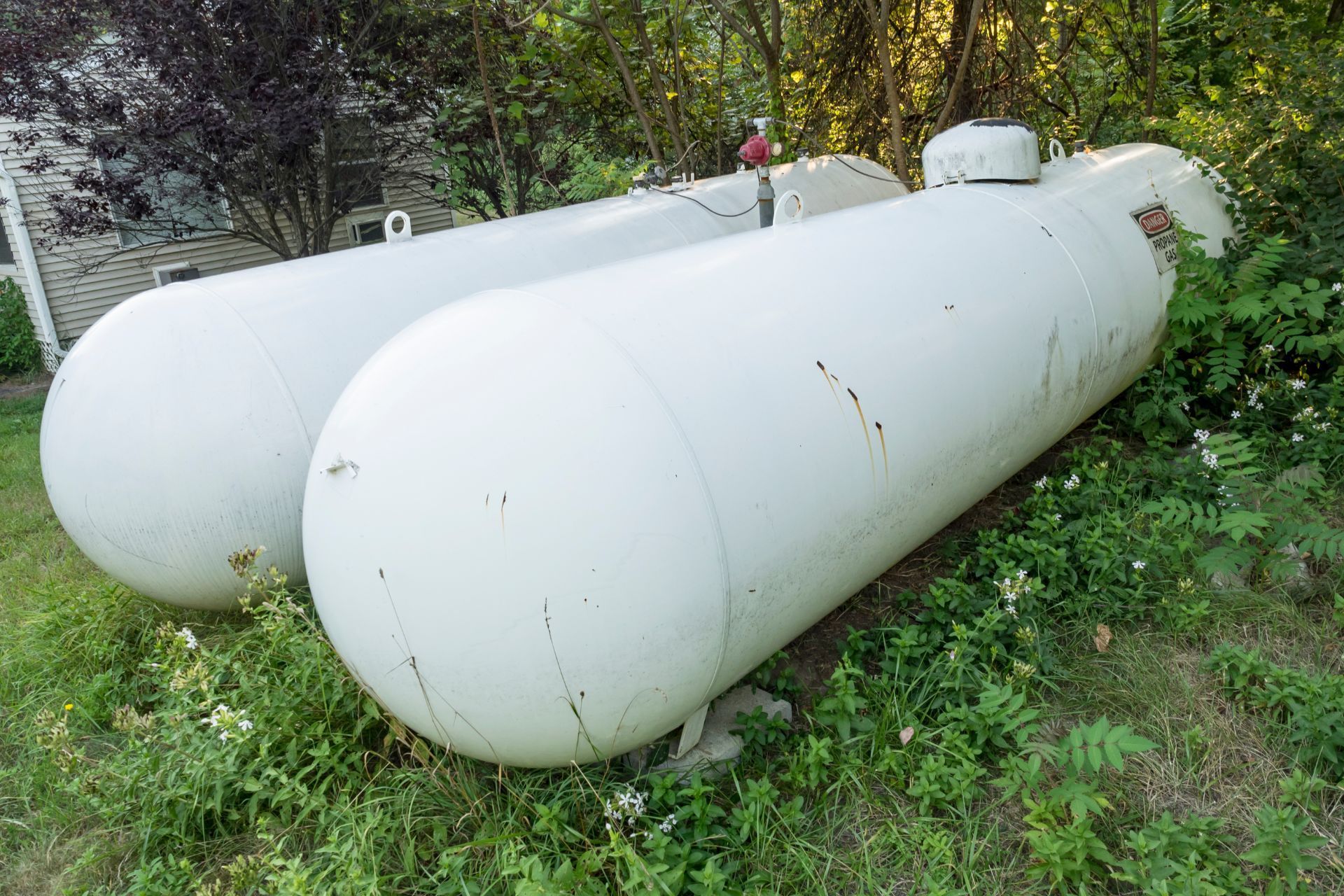
For propane systems, you’ll need to ensure proper venting and gas line installation, which often requires a licensed technician. You should also consider the placement of your propane tank, keeping it away from structures and in compliance with local regulations.
On the other hand, electric heating systems usually require less complex installation. You’ll need to ensure your electrical system can handle the load, which might involve upgrading your electrical panel.
It's essential to follow local codes and possibly hire a qualified electrician to ensure everything’s up to standard. Proper installation for either system will help you avoid costly repairs and maintain a comfortable home.
Evaluating Comfort and Convenience in Propane vs. Electric Heating
How do you determine which heating option offers the most comfort and convenience for your home? Start by considering your climate. If you live in an area with harsh winters, propane systems often heat spaces more quickly and maintain warmth during power outages.
Electric heating can be more convenient in milder climates, as it’s usually easier to install and maintain.
Next, think about your lifestyle. If you value instant heat and adjustable thermostats, electric heating may suit you better.
Propane systems can offer a cozy ambiance, especially with fireplaces.
Finally, evaluate your budget for both initial costs and ongoing expenses. By balancing these factors, you can make an informed decision that enhances your home’s comfort and convenience.
Conclusion
In the end, choosing between propane and electricity for heating your home boils down to your unique needs. If you value rapid heating and versatility, propane might be your best bet. However, if you prefer ease of installation and safety, electric heating could be the way to go. Consider local energy costs, environmental impact, and your comfort preferences to make the most informed decision. Whichever you choose, ensuring a cozy home is what truly matters.