How Long Does a Propane Tank Last? A Homeowner's Guide to Propane Usage
If you're curious about how long your propane tank might last, you're not alone. Understanding the factors at play can help you gauge its longevity and avoid unexpected runs out. From tank sizes to your home’s heating needs, several aspects influence consumption. But how can you accurately estimate your usage? Let’s explore the key elements that can help you get a clearer picture of your propane needs.
How to Estimate the Longevity of Your Propane Tank?
To estimate the longevity of your propane tank, you'll need to consider several key factors that influence its usage.
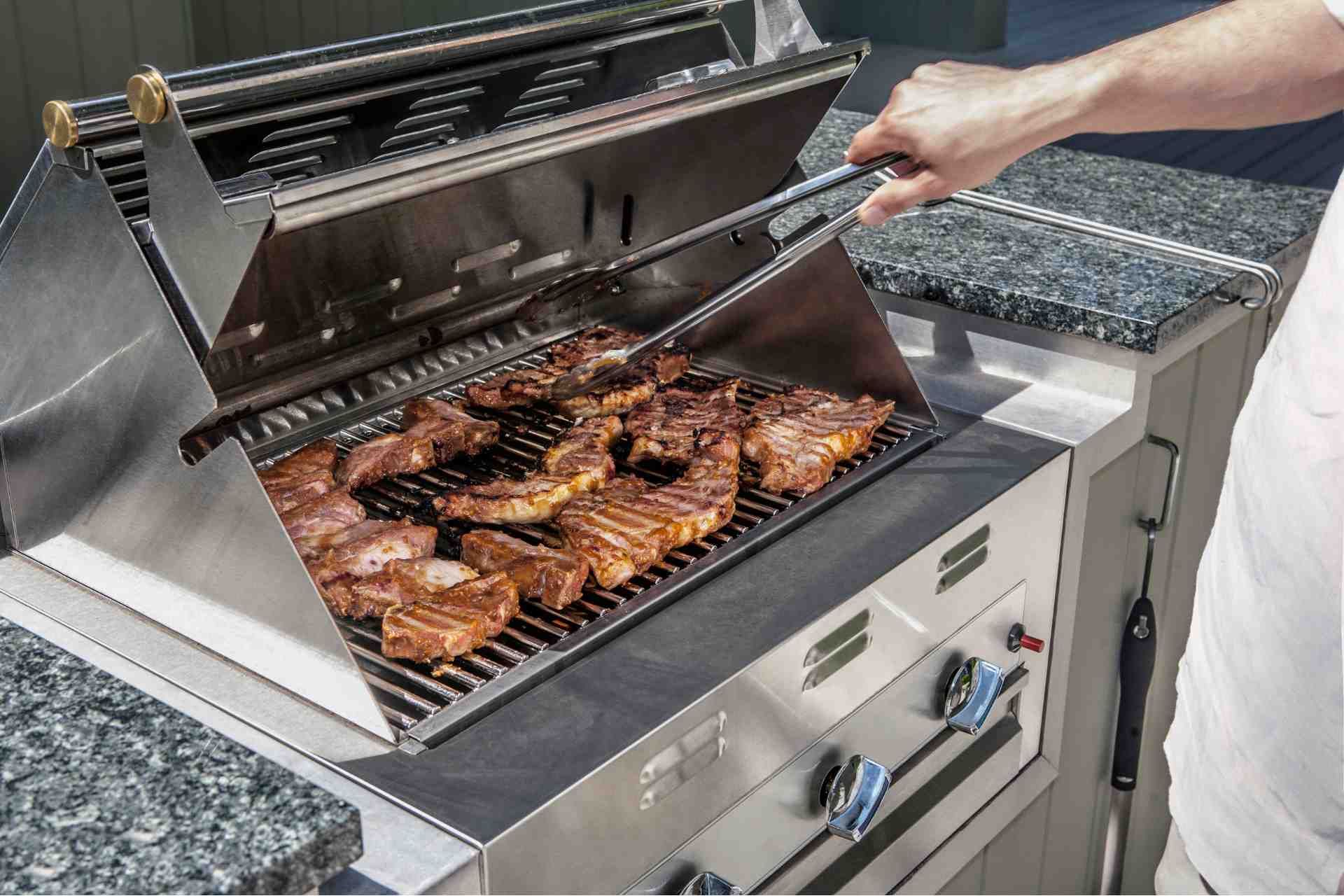
First, think about how often you use your appliances, like grills or heaters. The more frequently you use them, the faster your tank will deplete.
Next, consider the size of your tank; larger tanks hold more propane, extending their lifespan.
Also, take note of the temperature, as colder weather can increase propane consumption.
Lastly, keep track of your consumption rate. If you know how many gallons you use per week, you can easily calculate how long your tank will last.
Understanding Propane Tank Sizes and Their Capacities
When choosing a propane tank, understanding the various sizes and their capacities is essential to ensure you meet your needs effectively.
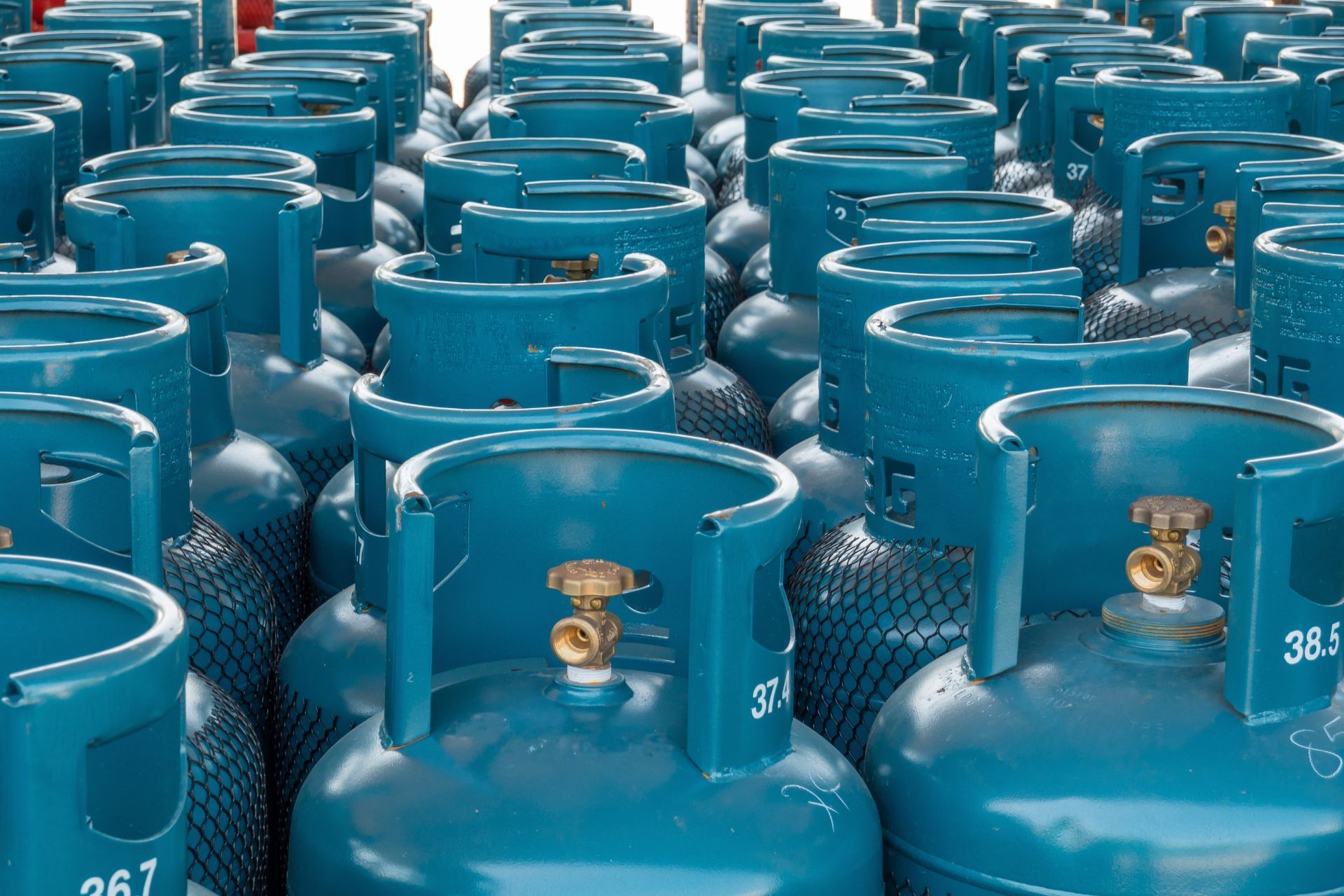
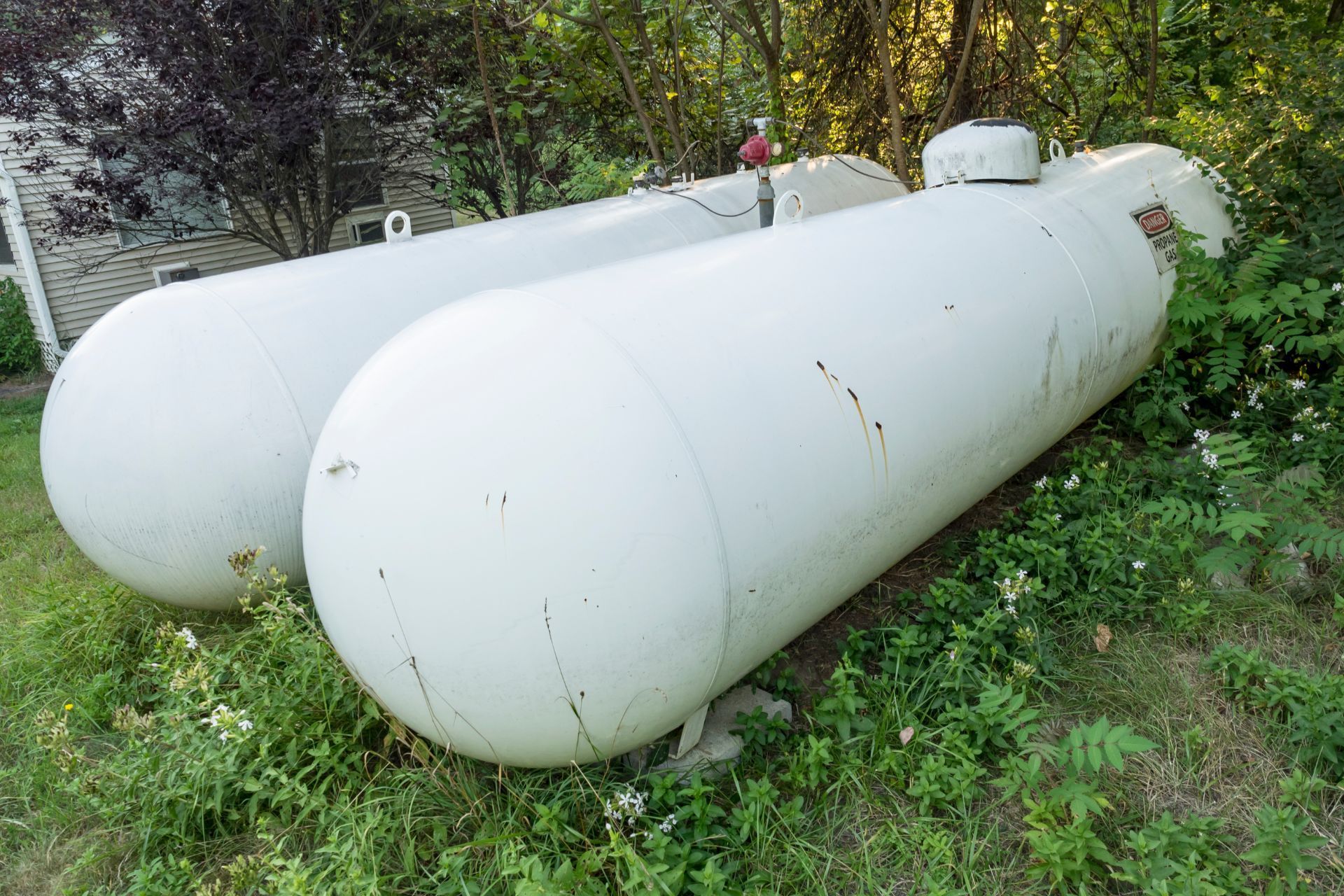
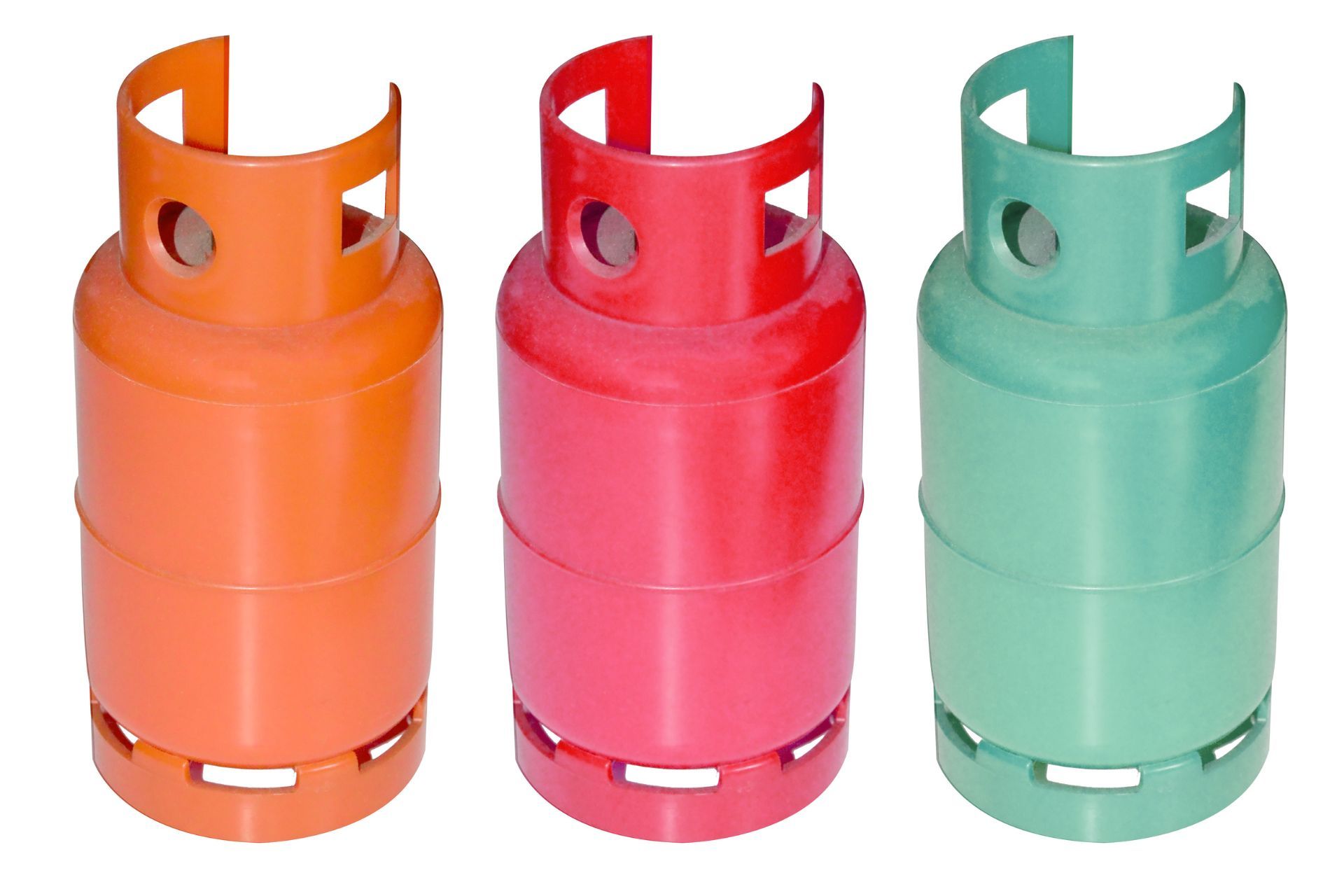
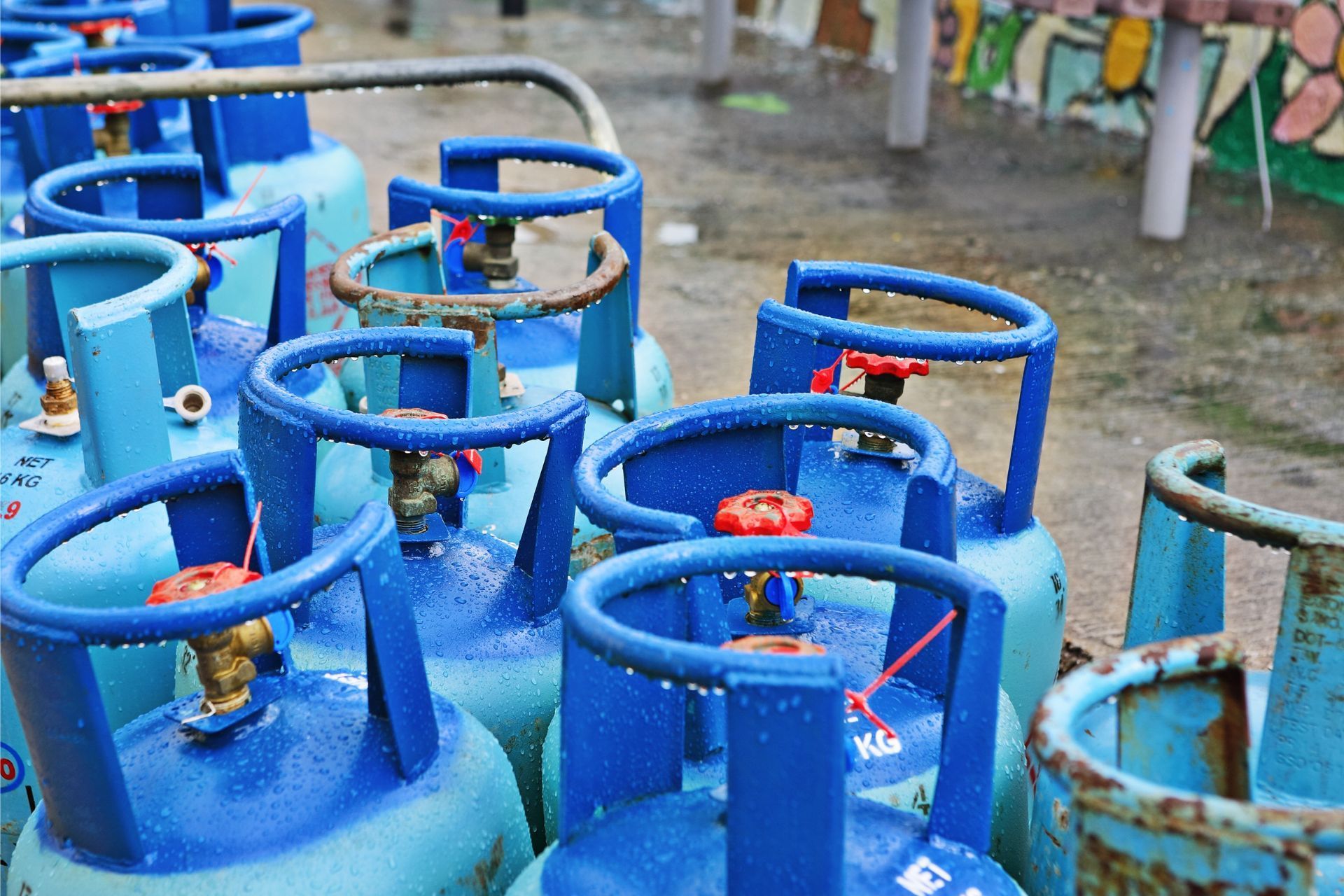
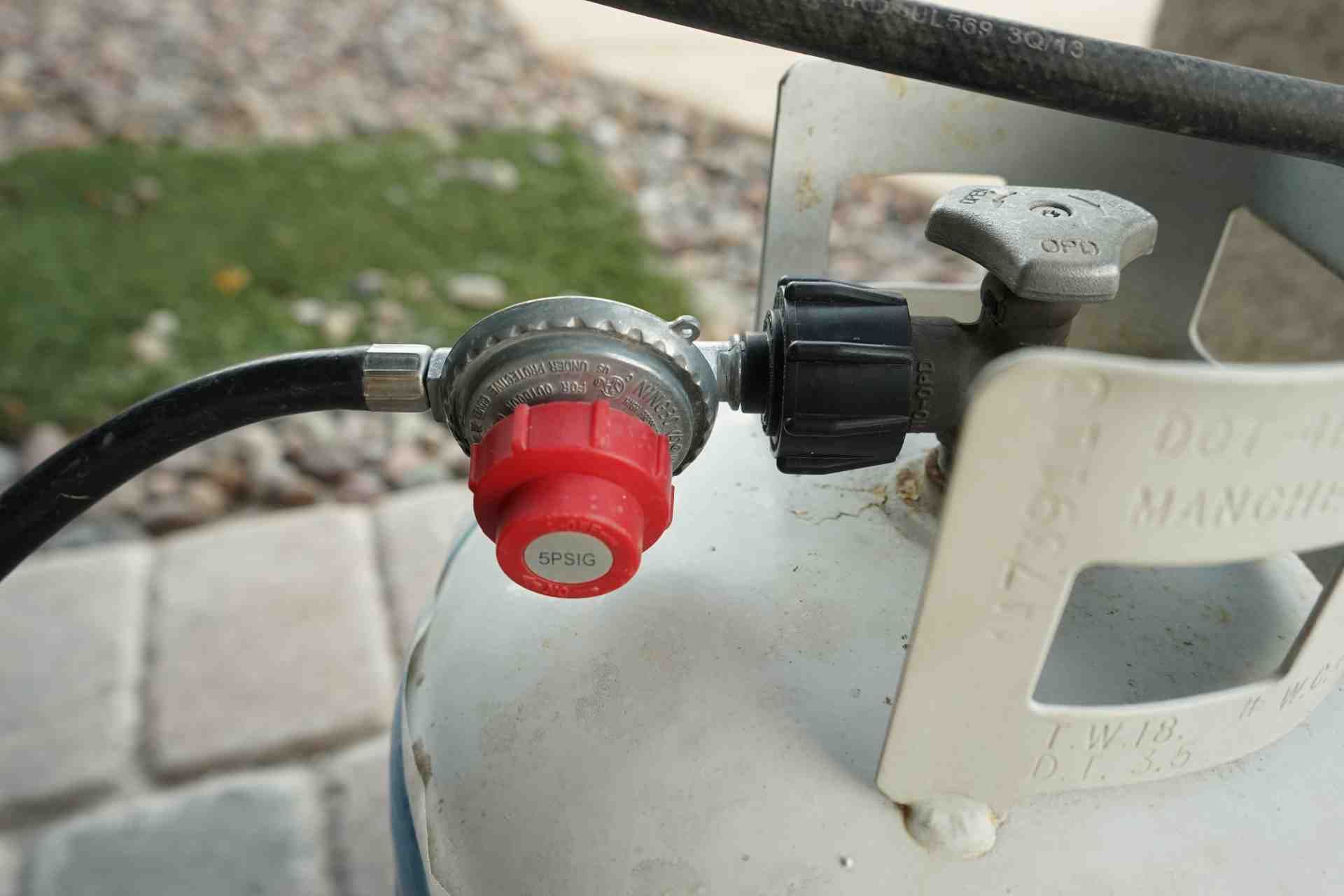
Propane tanks typically come in several sizes, including 20-pound, 30-pound, and 500-gallon options. A 20-pound tank is great for small grills or outdoor heaters, while a 30-pound tank provides a bit more fuel for larger appliances.
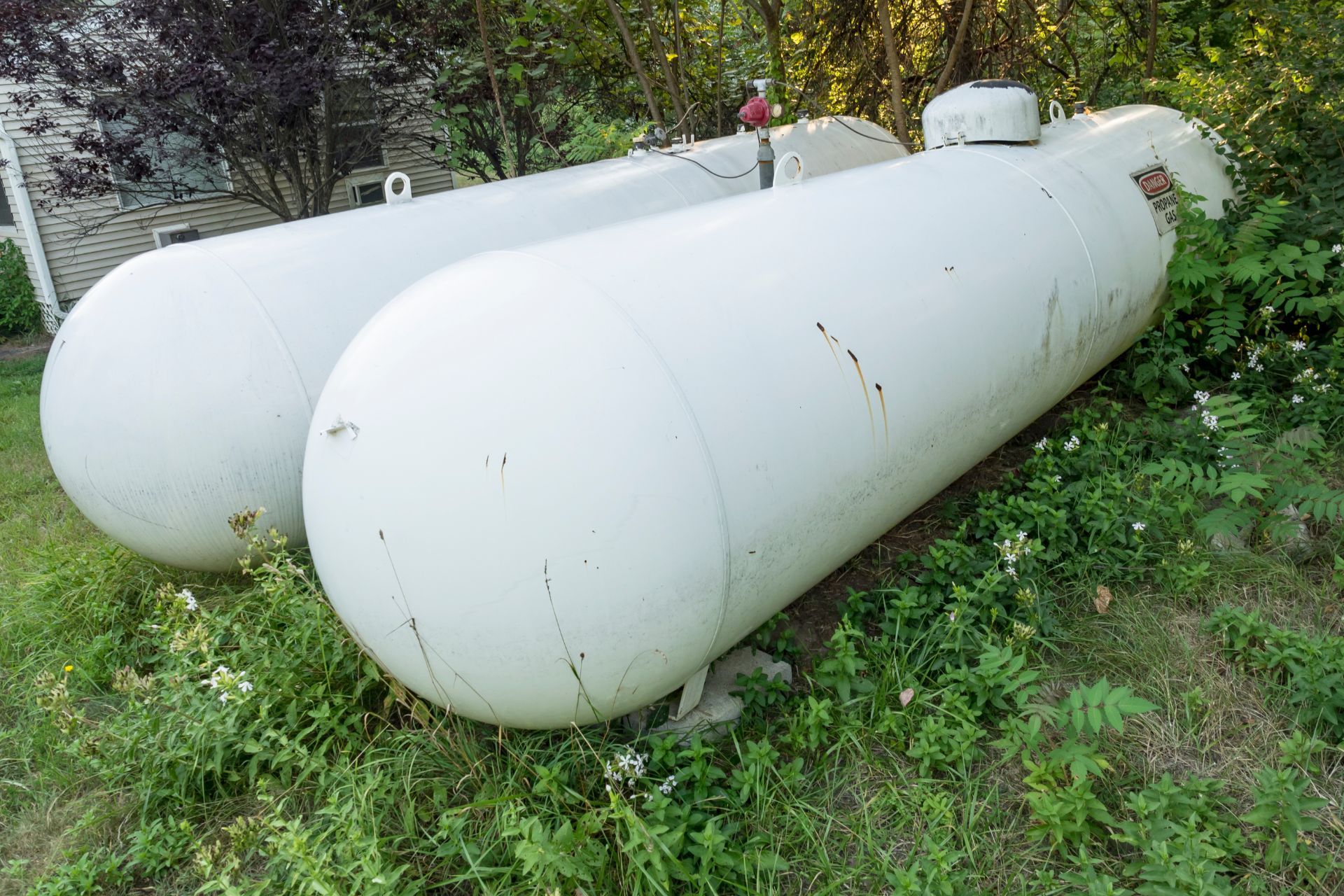
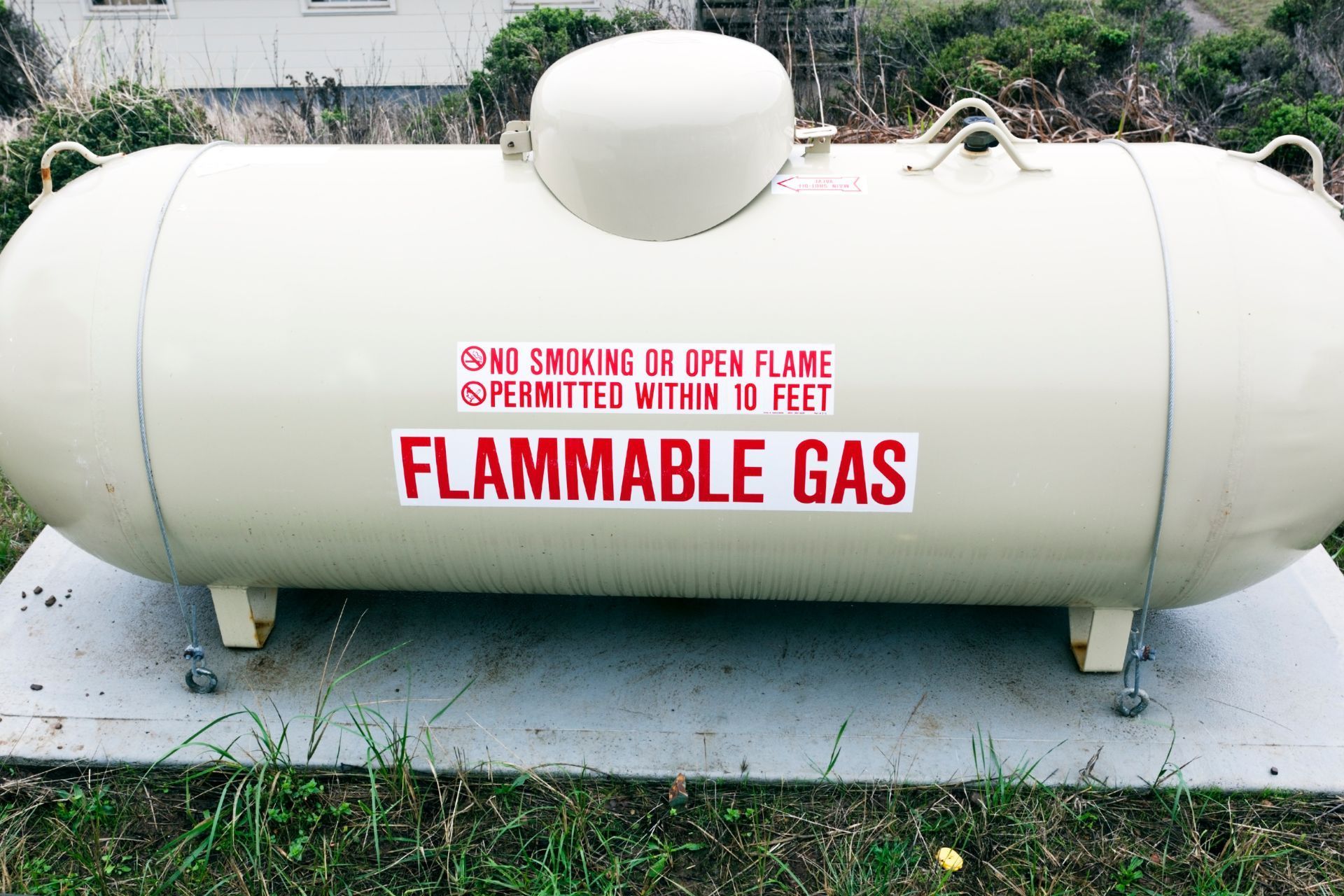
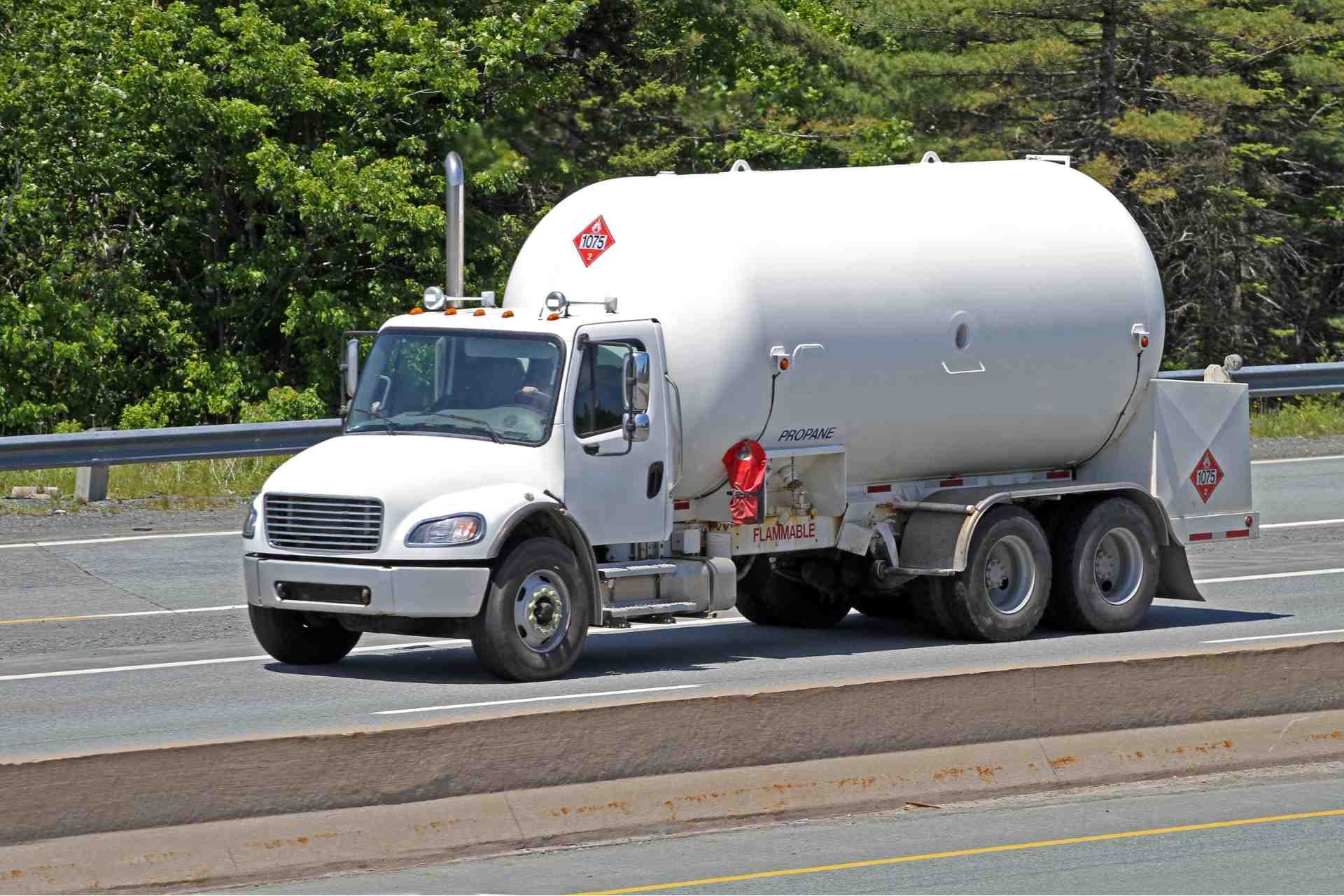
If you’re using propane for heating a home or running multiple appliances, a 500-gallon tank is ideal. Each size has a different capacity, so consider how often you’ll need to refill and what appliances you’ll be using.
Knowing your options helps you select a tank that suits your lifestyle and minimizes the hassle of frequent refills.
Factors Affecting Propane Consumption in Your Home
Choosing the right propane tank size is just the first step in managing your propane usage effectively. Several factors influence how much propane you consume at home.
First, consider the appliances you use—your furnace, water heater, and stove all contribute to your overall consumption. The efficiency of these appliances also matters; newer models often use less propane than older ones.
Next, think about your home's insulation. Well-insulated homes retain heat better, reducing the amount of propane needed for heating.
Seasonal changes can impact usage as well, with colder months requiring more fuel. Lastly, your lifestyle plays a role; the more you cook, heat water, or use heat, the more propane you'll consume.
Understanding these factors helps you manage your propane supply effectively.
Key Indicators That Your Propane Tank Is Low
As you rely on propane for your home, it's crucial to recognize the signs that your tank is running low. One key indicator is the gauge on your tank; if it shows less than a quarter full, it’s time to act.
You might also notice appliances running less efficiently, like your furnace or water heater, which can indicate reduced propane levels. Additionally, if you hear a hissing sound near the tank, it could signal a leak or low gas.
Keep an eye out for unusual odors, as propane has a distinct smell added for safety. Regularly checking your tank and being alert to these signs can help you avoid unexpected outages and ensure your home stays warm and functional.
Tips for Reducing Your Propane Usage
Reducing your propane usage can save you money and extend the life of your tank.
Start by sealing drafts around windows and doors to keep your home warm. Use a programmable thermostat to manage your heating efficiently, setting it lower when you’re not home.
Consider switching to energy-efficient appliances that require less propane. Regular maintenance of your heating system can also improve efficiency, so schedule annual check-ups.
When cooking, use the right-sized pot and lid to maintain heat and reduce cooking time.
Finally, limit your hot water use; you can wash clothes in cold water and take shorter showers.
What to Do if You Run Out of Propane?
Running out of propane can be frustrating, but knowing what to do next can help you handle the situation smoothly.
First, check your propane gauge to confirm you’re empty. If it’s indeed out, turn off all appliances that use propane to prevent leaks.
Next, contact your propane supplier to arrange a delivery. They’ll guide you on how to prepare for the refill. If you’re using a propane tank, ensure it’s in a safe area for delivery.
When the tank arrives, your supplier will inspect it and refill it safely. After the fill, wait a short period before relighting any appliances.
Finally, always keep a backup plan in mind to prevent running out of propane in the future.
Comparing Propane With Other Heating Fuels
When choosing a heating fuel, it’s essential to compare propane with other options like natural gas, oil, and electricity.
Propane burns cleaner than oil, producing fewer emissions and offering a more environmentally friendly choice. While natural gas often costs less, it’s not available everywhere, making propane more accessible for some homeowners.
In terms of efficiency, propane heats spaces quickly, which can be a significant advantage during colder months. Electricity can be convenient, but it may lead to higher bills, especially in extreme weather.
Ultimately, your decision should consider availability, cost, and efficiency. By weighing these factors, you can determine which heating fuel best suits your needs and budget.
Conclusion
In conclusion, understanding how long your propane tank lasts is essential for effective home heating. By considering tank size, usage habits, and external factors, you can better manage your propane consumption. Keep an eye on your tank level and be proactive in reducing usage to ensure you never run out unexpectedly. With these tips, you'll stay warm and comfortable while making the most of your propane supply. Happy heating!