What Are Common Uses for Propane Tank Sizes?
When it comes to propane tanks, understanding the different sizes and their common uses can be crucial for your needs. Whether you're grilling in your backyard or heating your home, each tank size serves a specific purpose. Knowing which one to choose can make all the difference in efficiency and convenience. Let’s explore how these various propane tank sizes fit into everyday life and find the right one for your situation.
What You Need to Know About Propane Tank Sizes
When it comes to choosing the right propane tank size, understanding your needs is crucial. You’ll want to consider how you plan to use propane, as this impacts the size you need.
For example, if you're using propane for a grill or heater, a smaller tank might suffice. However, if you're powering appliances or heating a larger space, a bigger tank is necessary.
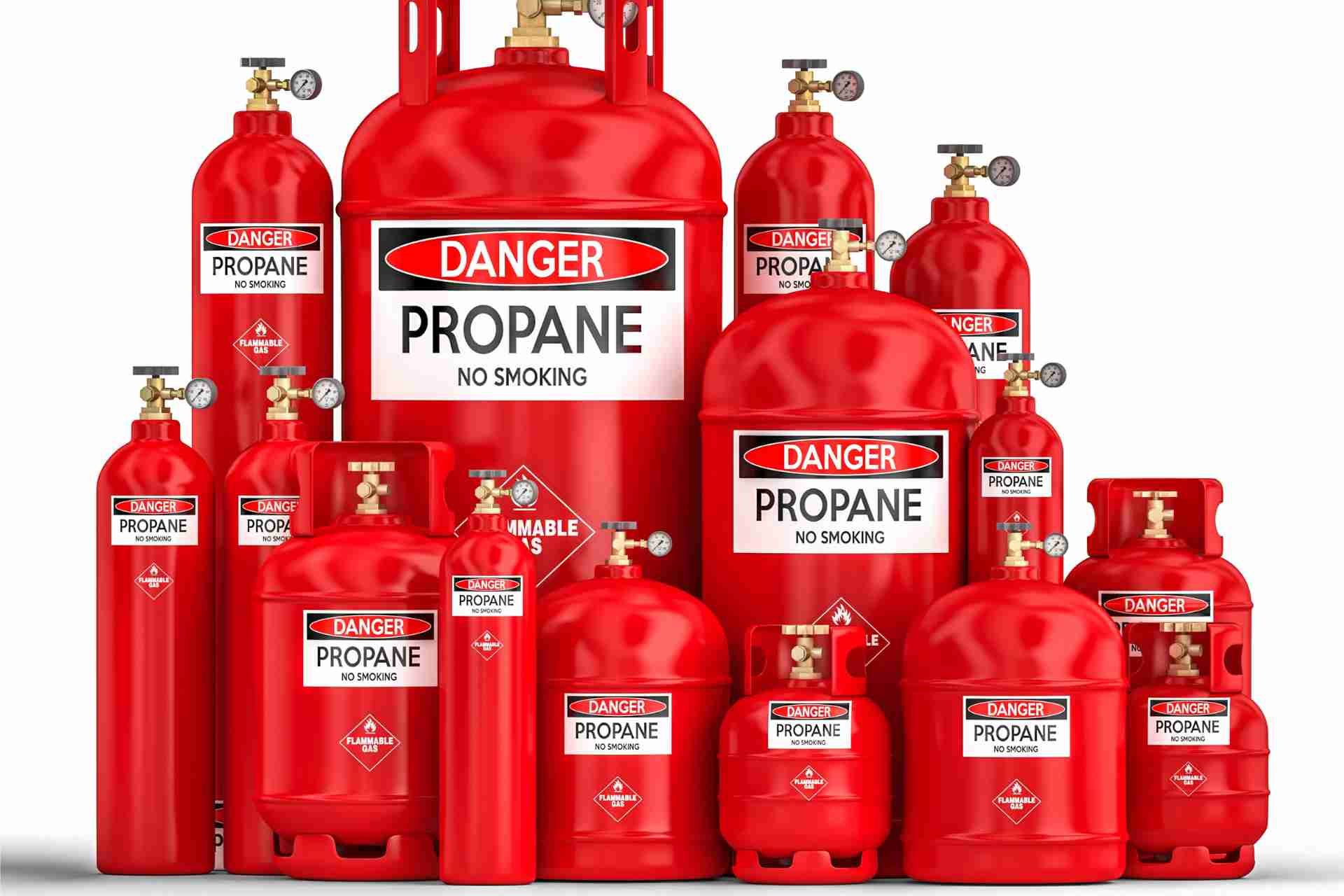
Propane tanks come in various sizes, typically measured in pounds or gallons, and it’s essential to match the tank size to your consumption rate.
Always check local regulations and safety guidelines, too. By evaluating your requirements and usage patterns, you can select the most efficient propane tank size for your specific applications.
Common Uses for 20-Pound Propane Tank Sizes
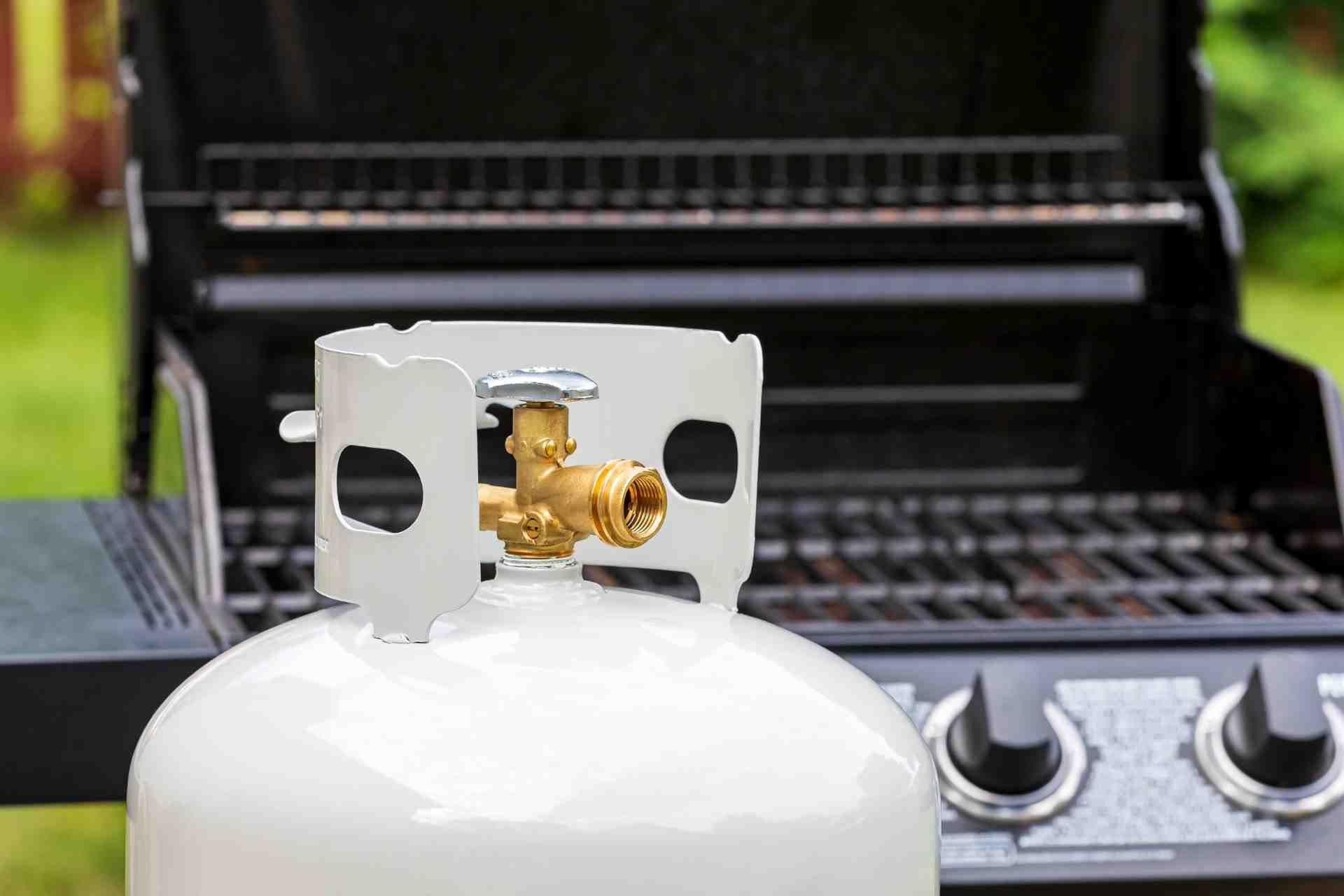
For many homeowners and outdoor enthusiasts, a 20-pound propane tank is a popular choice due to its versatility and portability.
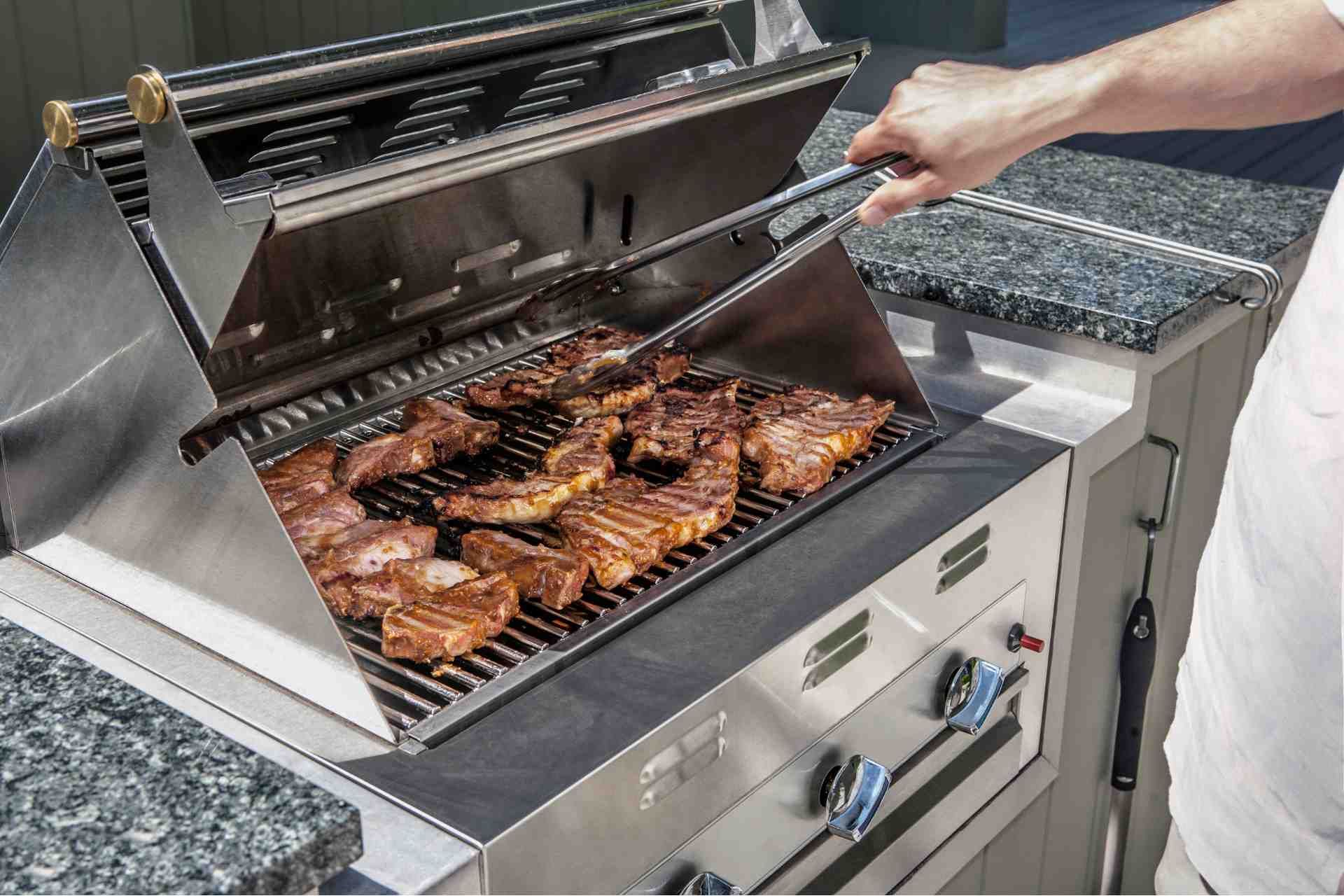
You can easily use it for your backyard grill, ensuring you have enough fuel for those summer cookouts. If you enjoy camping, this tank is perfect for powering portable stoves and heaters, keeping your meals hot and your space cozy.
Tailgating? A 20-pound tank fits right in, providing reliable fuel for your outdoor cooking needs. Additionally, you can use it for fire pits, creating a warm atmosphere for gatherings.
Its manageable size makes it convenient for refills, letting you focus on enjoying your time outdoors without worrying about running out of propane.
How 30-Pound Propane Tanks Power Your Equipment
A 30-pound propane tank serves as a robust fuel source for a variety of equipment, making it an excellent choice for both residential and commercial applications.
You’ll find these tanks powering outdoor grills, providing consistent heat for cooking. They’re also perfect for patio heaters, ensuring your gatherings stay warm and inviting.
If you’re into camping or tailgating, a 30-pound tank can fuel your portable stove, making meal prep a breeze. Additionally, it’s an ideal choice for powering small generators, giving you peace of mind during power outages.
With their manageable weight and ease of transport, you can take these tanks wherever you need reliable energy, whether it’s at home or on the go.
Versatile Applications of 40-Pound Propane Tanks in Homes
While 30-pound propane tanks are great for smaller tasks, 40-pound tanks expand your options for home use significantly.
You can use these tanks for outdoor grilling, providing ample fuel for backyard barbecues or family gatherings. They’re also perfect for heating your patio or deck with propane heaters, allowing you to enjoy the outdoors even in cooler weather.
If you're into camping, a 40-pound tank can fuel your RV appliances, ensuring comfort on your trips.
Additionally, you can power your outdoor fire pit, creating a cozy atmosphere for evening relaxation.
With their versatility, 40-pound propane tanks serve as a reliable energy source, making them an excellent choice for various household applications.
Benefits of 100-Pound Propane Tanks for Mid-Sized Homes
When considering propane options for mid-sized homes, 100-pound tanks offer a perfect balance between size and capacity. They’re compact enough to fit in tight spaces while providing sufficient fuel for various household needs.
You’ll find they’re ideal for powering appliances like water heaters, stoves, and heaters without taking up too much room.
Moreover, these tanks are easily refillable, making them a convenient choice. You won't have to worry about frequent refills, as they hold a substantial amount of propane.
Additionally, their portability allows you to move them as needed, whether for seasonal changes or outdoor activities.
How 250-Gallon Propane Tanks Efficiently Heat Your Home
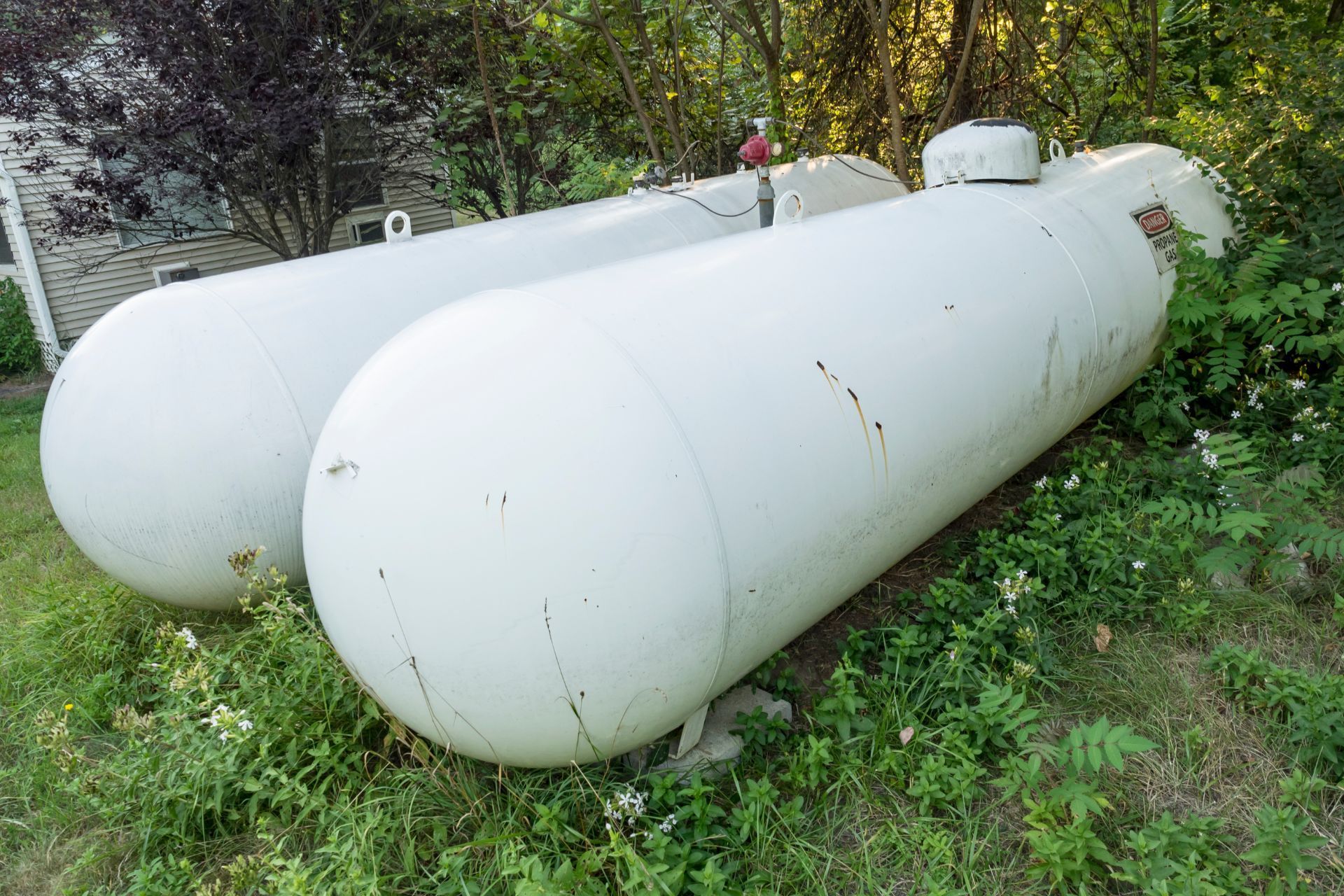
Because of their substantial capacity, 250-gallon propane tanks efficiently heat your home, providing a reliable source of energy for heating systems and appliances.
With their ability to store a significant amount of propane, you won’t have to worry about running out during cold months. These tanks can power your furnace, water heater, and even your kitchen appliances, ensuring comfort and convenience.
Additionally, propane is known for its efficiency, delivering more heat per unit than other fuels. This means you can keep your home warm and cozy without breaking the bank.
Plus, with proper maintenance, your propane system can last for years. Switching to a 250-gallon tank could be a smart move for your heating needs.
Commercial Uses of 500-Gallon Propane Tanks
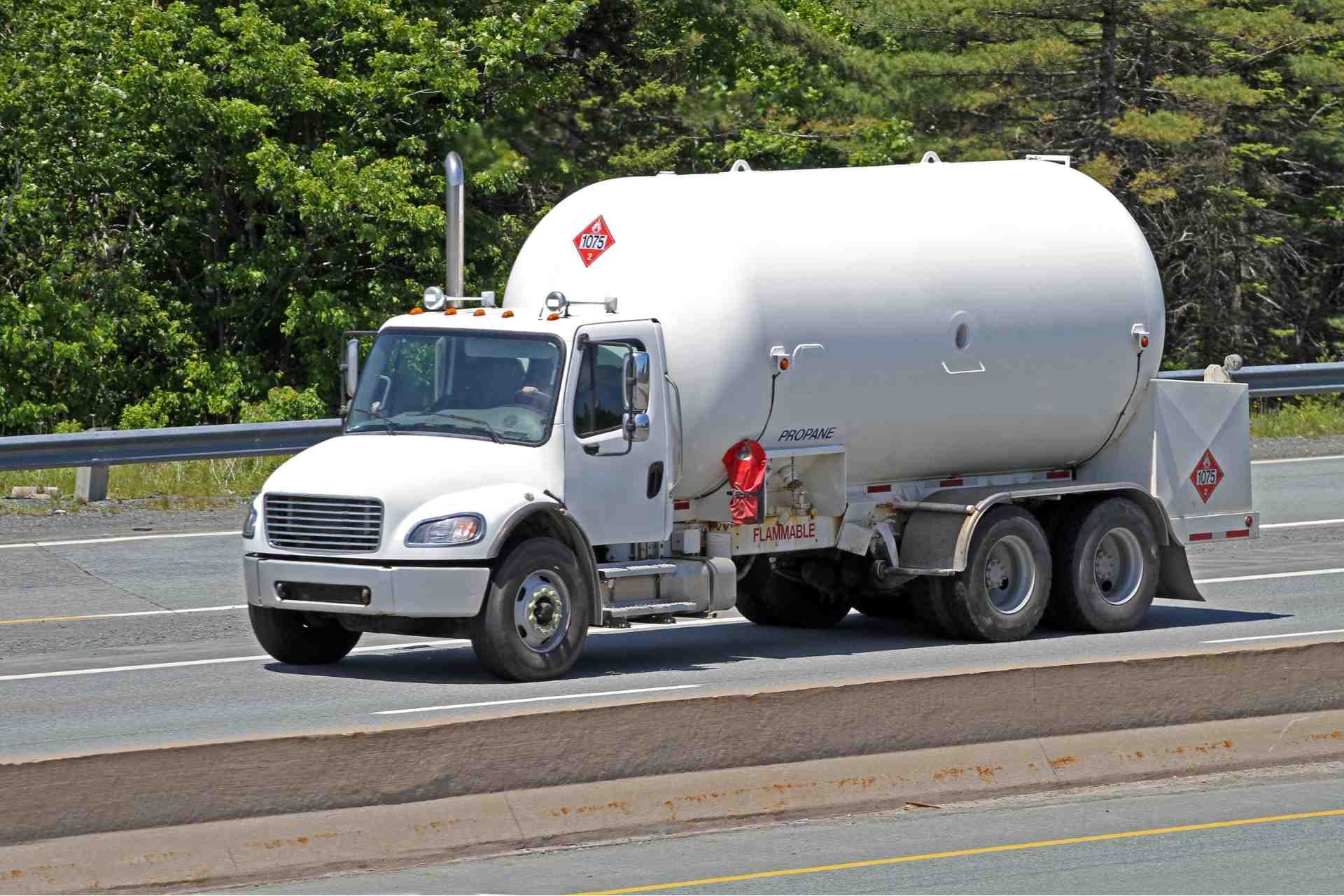
Many businesses benefit significantly from using 500-gallon propane tanks for a variety of commercial applications.
These tanks are ideal for restaurants, where they fuel cooking equipment and heat water efficiently. If you run a greenhouse, propane can power your heating systems to maintain optimal growing conditions.
Additionally, construction sites often rely on propane for heating tools and temporary heating solutions. Propane tanks also support agricultural operations by powering irrigation systems and providing heat for livestock.
Furthermore, many manufacturers utilize propane in their processes, ensuring reliable energy for equipment.
With a 500-gallon tank, you’ll find ample supply to meet your business needs, reducing the frequency of refills and keeping operations running smoothly.
Large-Scale Applications for 1000-Gallon Propane Tanks
For larger operations, a 1000-gallon propane tank offers versatility and efficiency that can support various industrial and agricultural needs.
You might use it for heating large warehouses or greenhouses, ensuring optimal temperatures for your products. In agriculture, it can power irrigation systems, crop dryers, or equipment, enhancing productivity during peak seasons.
If you're involved in food processing, this tank size can provide reliable fuel for cooking and commercial heating applications. Additionally, many manufacturing facilities rely on 1000-gallon tanks for powering machinery, maintaining consistent operations.
With its substantial capacity, you won't have to worry about frequent refueling, allowing you to focus on your core business activities without interruption.
Tips for Choosing the Right Propane Tank Size
When selecting the right propane tank size, it’s crucial to consider your specific needs and usage patterns.
Start by evaluating how often you'll use propane for heating, cooking, or fueling appliances. If you have a large family or run multiple appliances, a larger tank might be necessary.
Take into account the space available for the tank; ensure it fits comfortably and adheres to local regulations.
Also, think about your budget. Bigger tanks usually cost more upfront but can offer savings in the long run.
Finally, consult with a propane supplier to discuss your needs and get their expert advice. They can help you determine the best size based on your expected consumption and lifestyle.
Conclusion
In conclusion, choosing the right propane tank size is essential for meeting your specific needs, whether for grilling, heating, or powering equipment. Smaller tanks are perfect for portable applications, while medium and large tanks efficiently support home heating and commercial operations. By understanding the common uses of different tank sizes, you can make an informed decision that ensures you have the right fuel for your activities. Don't hesitate to assess your requirements before selecting a propane tank.