What Factors to Consider When Choosing Propane Tank Sizes?
When it comes to choosing the right propane tank size, it's essential to consider your specific usage needs. Think about the appliances you use, how often you use them, and any seasonal changes in demand. You'll also want to factor in local regulations that might affect tank placement. Finding the right balance between tank size and your requirements can save you time and money in the long run. But what else should you keep in mind?
Understanding Your Propane Usage Needs
How much propane do you actually need?
To determine your propane usage, start by assessing your appliances and their consumption rates. Think about your heating system, water heater, stove, and any outdoor equipment. Each appliance has a specific BTU (British Thermal Unit) requirement, so calculate the total BTUs for all your devices.
Next, consider how often you use these appliances and the duration of each use. For example, if you cook daily or run your heating system in winter, your needs will be higher.
Factor in seasonal fluctuations as well. By understanding your lifestyle and usage patterns, you can make an informed decision on the right propane tank size that won’t leave you short or overstocked.
Choosing a Space for Your Propane Tank
After assessing your propane usage needs, it’s important to think about where you’ll place your propane tank.
Start by finding a location that’s easily accessible for refills and maintenance. Ensure there’s enough space around the tank for safety and ventilation. Avoid placing it near flammable materials or structures, as this could pose a hazard.
If you’re installing an above-ground tank, consider a flat, stable surface to prevent shifting. For underground tanks, check for adequate drainage to avoid water accumulation.
Lastly, think about how the tank’s location may affect your landscaping or property layout. Choosing the right spot not only ensures safety but also makes using propane more convenient.
What You Need to Know About Local Regulations?
Before you install a propane tank, it's crucial to understand the local regulations that govern its placement and use.
These regulations can vary significantly depending on your location, so check with your local government or fire department for guidelines. You'll need to know zoning laws, safety distances from buildings, and restrictions on tank size.
Additionally, some areas require permits, inspections, or specific installation practices to ensure safety. Ignoring these regulations can lead to fines or even removal of your tank.
Make sure to consult with propane suppliers or professionals who are familiar with local rules to avoid any pitfalls. Staying informed won't only keep you compliant but also ensure the safe operation of your propane system.
Comparing Different Propane Tank Sizes for Your Needs
When choosing the right propane tank size, what factors should you consider? First, think about your usage. Are you heating your home, fueling appliances, or powering a generator? Each application has different consumption rates.
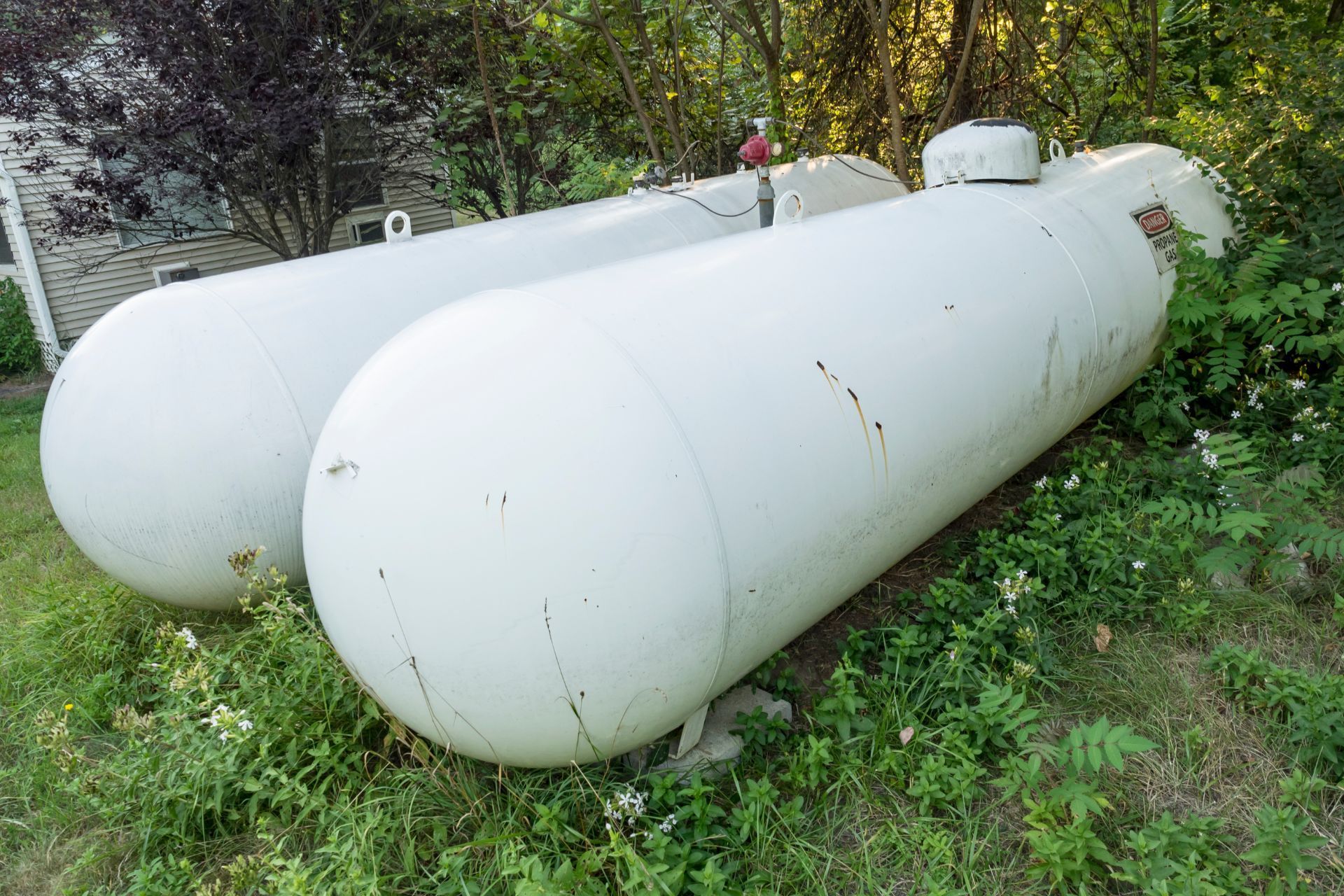
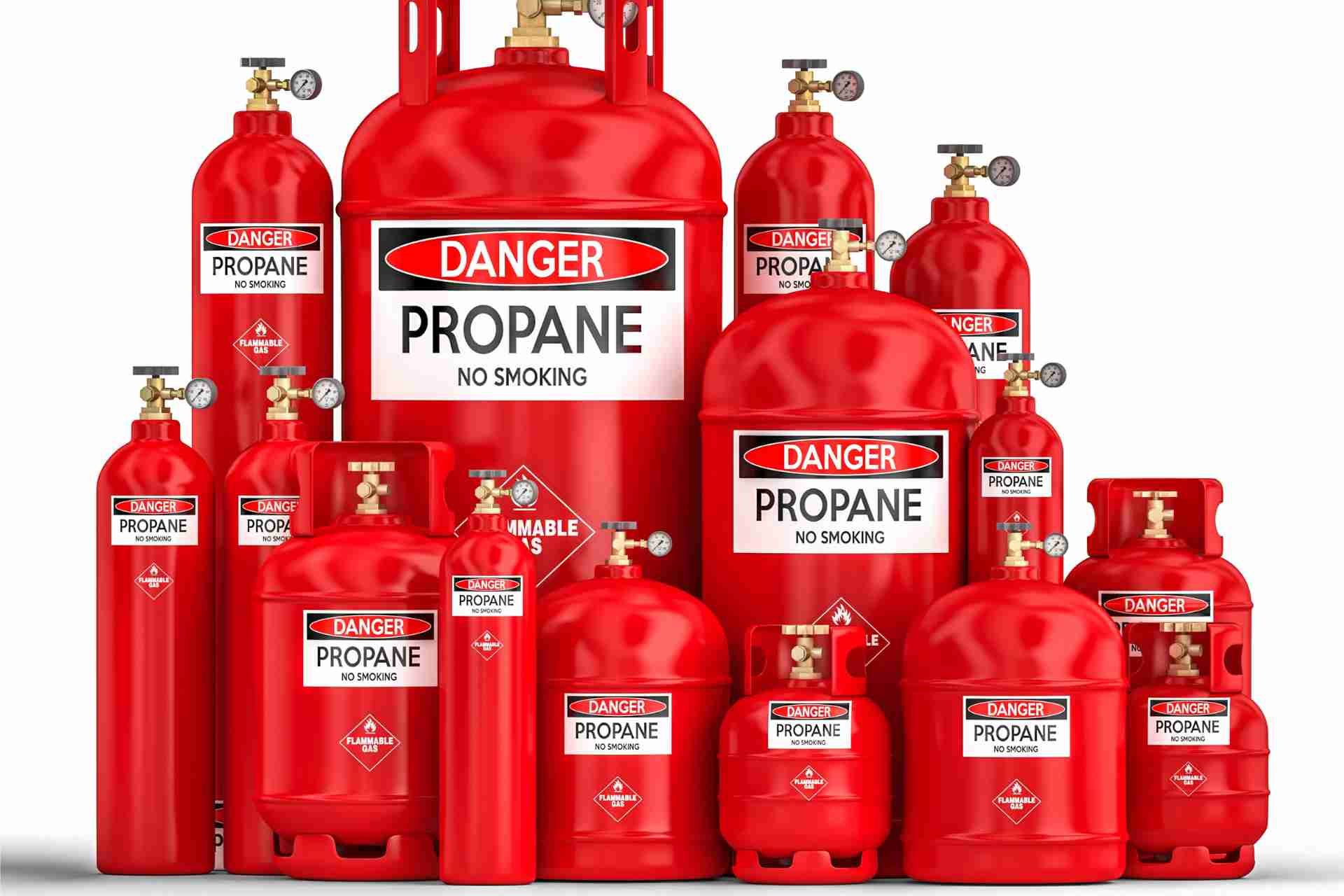
Next, consider the number of appliances you plan to use and their collective demand. For smaller needs, a 20-pound tank might suffice, while larger homes may require 100-pound or even 500-gallon tanks.
You should also evaluate how often you'll need refills; larger tanks reduce refill frequency but require more space. Additionally, think about your local regulations on tank placement and permits.
Ultimately, selecting the right size ensures you meet your needs without overcommitting to unnecessary tank capacity.
Cost Considerations for Your Propane Tank Options
Although choosing the right propane tank size is crucial, understanding the associated costs is equally important.
When selecting a propane tank, you’ll come across various price points depending on the size and type. Smaller tanks generally cost less upfront, but larger tanks can offer better value over time, especially if you use propane frequently.
Don’t forget to factor in installation and maintenance costs, which can vary significantly. Additionally, consider the price of propane itself, as bulk purchases often come with discounts.
You should also evaluate leasing versus buying; leasing might seem cheaper initially, but it could add up over time. Ultimately, weigh these costs against your consumption needs to make an informed decision.
Conclusion
In summary, when choosing the right propane tank size, it's essential to understand your usage needs, consider the space available, and stay informed about local regulations. By comparing different tank sizes and weighing the costs, you can find the best option for your situation. Remember, selecting the right tank not only meets your current needs but also ensures efficiency and convenience for the future. So, take the time to evaluate your options before making a decision.