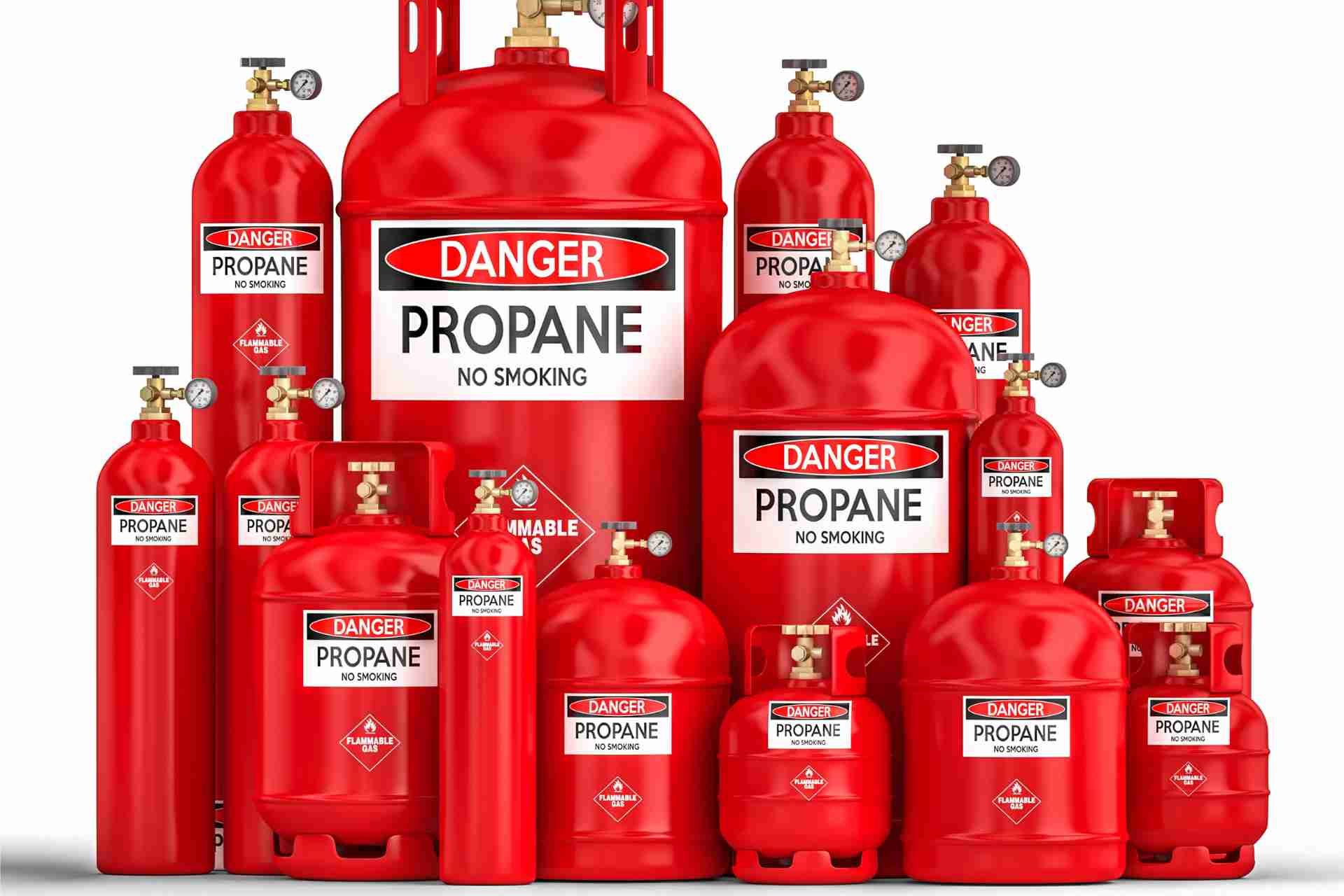
7 Factors Affecting Propane Prices Near Me
When it comes to propane prices near you, several factors come into play that can significantly affect your costs. Understanding these influences is crucial, especially as prices fluctuate throughout the year. From seasonal demand to global oil trends, the dynamics are complex. Are you prepared to navigate the intricacies of these factors and how they impact your wallet? Let's explore what's really driving those propane prices.
Understanding Propane Pricing: Key Factors to Consider
When you consider propane prices, it’s crucial to understand the key factors that influence them.
First, supply and demand play a significant role; if production increases or decreases, prices will likely fluctuate.
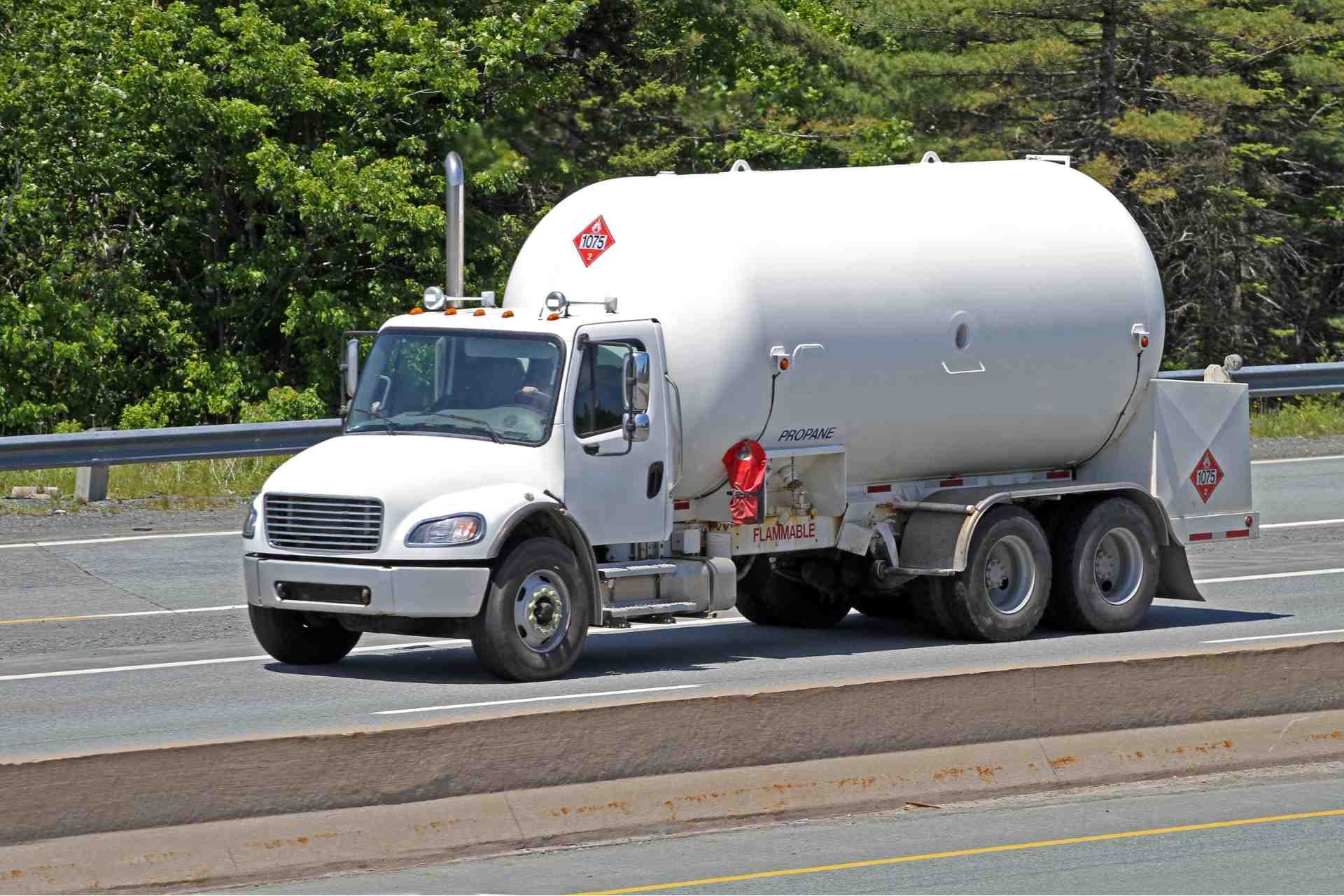
Transportation costs also impact pricing, as the distance propane must travel affects delivery expenses.
Additionally, crude oil prices can directly influence propane costs since they often share similar market dynamics.
Government regulations and taxes can further complicate pricing, as local policies may create additional costs.
Lastly, market competition among suppliers can lead to price variations in your area.
Seasonal Demand and Its Impact on Propane Prices
Seasonal demand significantly influences propane prices, often leading to notable fluctuations throughout the year.
In colder months, you’ll notice an uptick in demand as households rely on propane for heating. This increased consumption can drive prices higher, especially if supply doesn’t keep pace.
Conversely, warmer months typically see a dip in demand, which can lead to lower prices. If you plan ahead and buy propane during the off-peak season, you might save money.
It’s essential to stay informed about market trends and local consumption patterns. By understanding the seasonal dynamics, you can make smarter purchasing decisions and potentially mitigate the impact of price spikes during the winter months when demand is at its highest.
How Weather Conditions Affect Propane Prices?
Although you mightn't realize it, weather conditions play a crucial role in determining propane prices. When temperatures drop, demand for heating increases, driving up propane prices in your area. Cold snaps can lead to price spikes as suppliers scramble to meet the heightened need.
Conversely, milder weather can decrease demand, often resulting in lower prices.
Additionally, extreme weather events, like storms or hurricanes, can disrupt supply chains, affecting availability and costs. If you're in a region prone to harsh winters, it’s essential to monitor forecasts, as predicted cold spells can signal price increases.
Impact of Supply Chain Issues on Propane Availability
Supply chain issues can significantly impact propane availability, leading to potential price increases and shortages. When disruptions occur—whether due to transportation delays, manufacturing slowdowns, or natural disasters—you may find it harder to access propane in your area.
These issues can create bottlenecks, reducing the amount of propane distributed to suppliers and ultimately to consumers like you. As demand remains steady or increases, limited availability can drive prices up. You might notice fluctuations at the pump, reflecting these supply challenges.
Staying informed about local supply conditions can help you anticipate price changes and avoid running low on propane. By planning ahead, you can better manage your propane needs, even during supply disruptions.
Regional Variations in Propane Prices
Regional variations in propane prices can catch you off guard, especially if you’re unaware of how local factors influence costs. Prices often fluctuate based on your location, driven by supply and demand dynamics in your area.
For instance, rural regions might pay more due to limited suppliers, while urban centers may benefit from competition, lowering prices. Seasonal changes also play a role; colder climates typically see spikes in winter as demand increases.
Additionally, state taxes and regulations can affect prices significantly. If you’re shopping for propane, it’s wise to compare local suppliers and keep an eye on regional trends. Understanding these variations can help you make informed decisions and potentially save on your propane expenses.
How Global Oil Trends Affect Your Propane Prices
As global oil trends shift, they can have a direct impact on your propane prices. Propane is often derived from natural gas processing and crude oil refining, so changes in oil prices can influence your costs.
When oil prices rise, production costs for propane typically increase, leading to higher prices at the pump. Conversely, if oil prices drop, you might see a decrease in propane prices.
Additionally, geopolitical events that affect oil supply can create volatility in the market, further impacting your propane costs. It’s crucial to keep an eye on these global trends, as they can affect not just your immediate expenses but also your long-term budgeting for propane usage.
How Fixed and Variable Pricing Contracts Impact Propane Prices
Understanding how fixed and variable pricing contracts can impact your propane prices is essential for effective budgeting.
With a fixed pricing contract, you lock in a specific rate, providing stability and predictability in your expenses. This can be advantageous during price spikes, ensuring you don’t pay more than your agreed rate. However, you may miss out on lower prices if the market drops.
On the other hand, variable pricing contracts fluctuate with market rates, which might save you money when prices fall but can also lead to unexpected increases.
It’s crucial to assess your risk tolerance and budget flexibility before choosing a contract type. Ultimately, understanding these contracts helps you make informed decisions about your propane expenses.
Conclusion
In conclusion, staying informed about the factors affecting propane prices can help you make better decisions for your heating needs. Seasonal demand, weather conditions, supply chain issues, and global oil trends all play significant roles in pricing. By understanding these elements, you can better anticipate fluctuations and choose the right time to purchase propane. Whether you opt for fixed or variable pricing contracts, being proactive will ensure you get the best deal possible.