5 Reasons to Choose Propane Delivery Near Me for Home Needs
When you look for propane delivery near you, you want speed, clarity, and safety. Local providers can offer same-day drops, upfront pricing, and code-compliant service. Many even monitor your tank and schedule fills so you don’t face a cold-house surprise. You also keep dollars in your community and get responsive support. Here’s how to spot the right partner—and the questions that separate promises from proof.
Get Fast, Flexible Propane Delivery Near Me
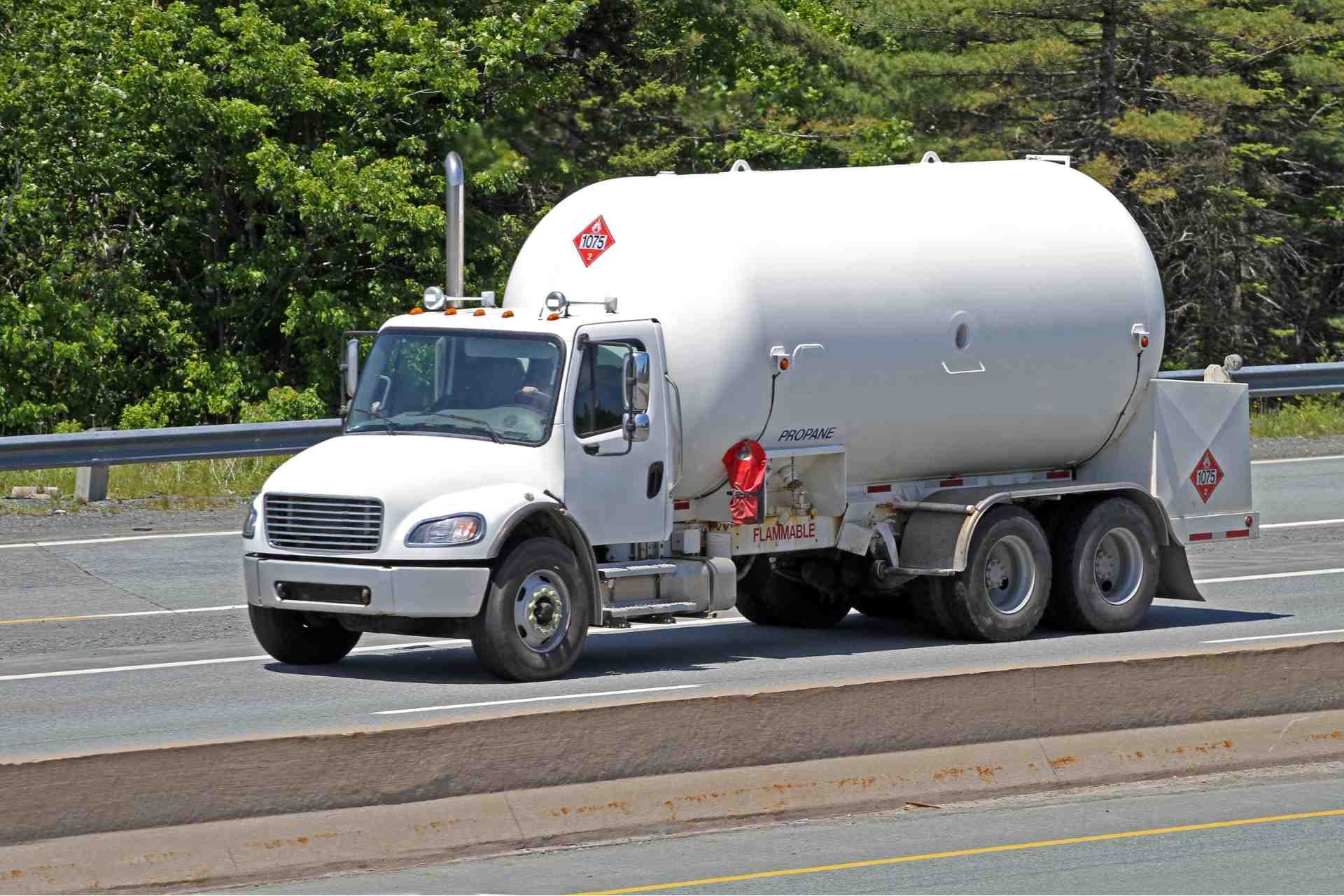
Where can you get fast, flexible propane delivery near you? Choose a local provider that prioritizes speed, clear scheduling, and responsive service.
You can order online in minutes, set a delivery window, and track the truck’s ETA. If you’re running low, ask for same-day or next-day service, including evenings or weekends. Prefer less hassle? Enroll in automatic delivery with tank monitoring, so drivers arrive before you hit a critical level.
You won’t just get fuel—you’ll get reliability. Trained technicians perform quick safety checks, swap out faulty regulators, and relight appliances when needed.
Route-optimized fleets reduce delays during storms or peak demand. You’ll receive text or email alerts at key steps, plus simple rescheduling if plans change. That’s flexible propane delivery working on your terms.
Know the Real Cost: Fees, Minimums, Per-Gallon Rates
How much will propane really cost after the fine print? Start by asking for the posted per‑gallon rate and how often it changes. Confirm whether the quote is cash, credit, or autopay only.
Then list every fee: delivery, hazmat, fuel surcharge, weekend or emergency run, tank rental, late payment, and card processing. Ask about minimum delivery volumes and how short fills affect price.
Some dealers use tiered pricing; verify the breakpoints and your average usage. Clarify will-call vs. automatic delivery pricing and any lock‑in or prebuy options, including early-termination penalties.
Request a sample invoice for a typical 100‑ to 200‑gallon drop. Finally, compare total landed cost per gallon: (fuel price × gallons) + all fees, divided by gallons. That’s the real number you need.
Safety First: Leak Checks, Regulator Tests, Code Compliance
Before the driver drops a gallon, make safety nonnegotiable: require a documented leak check, a regulator function test, and confirmation your system meets local code (typically NFPA 54/58).
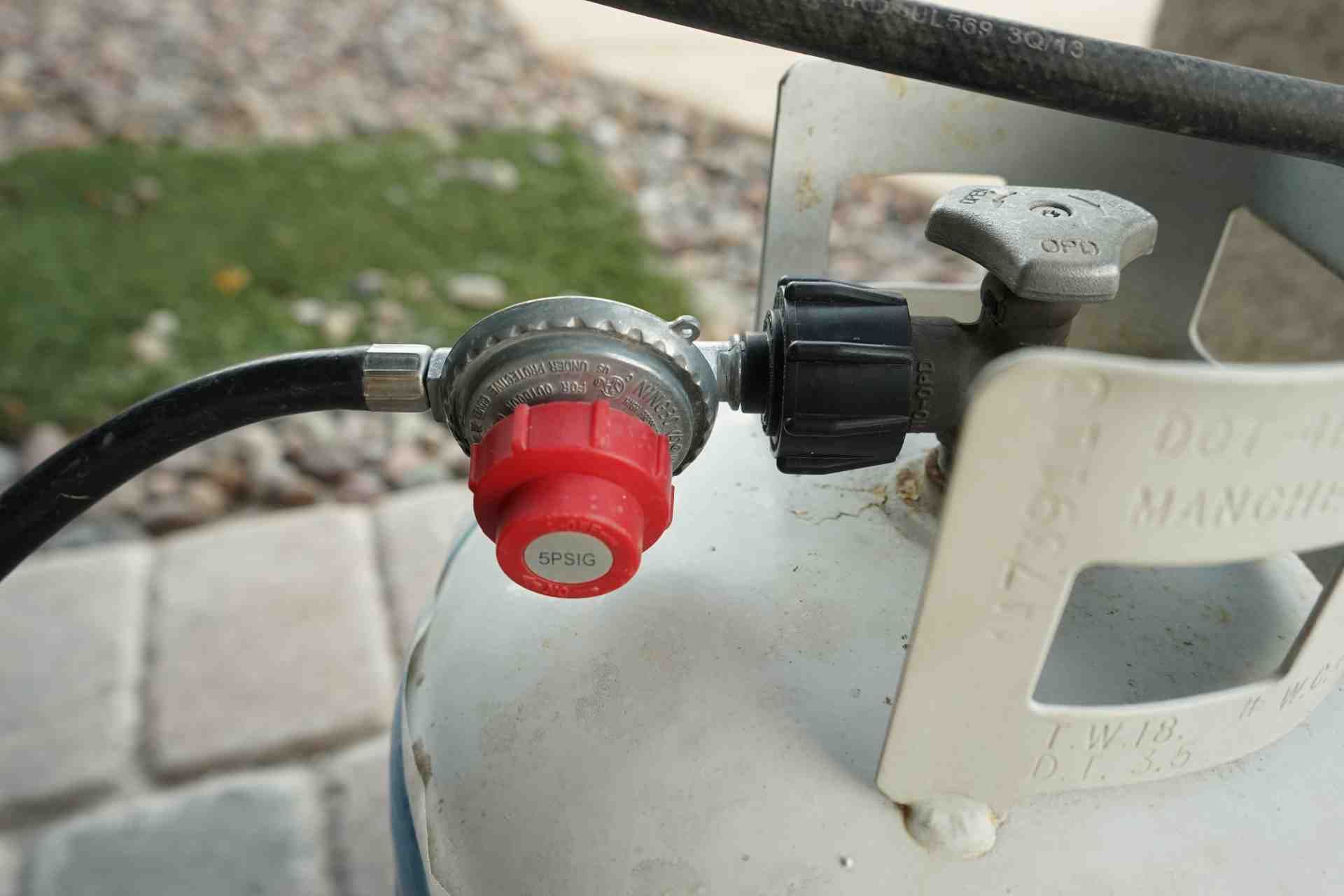
Insist the tech pressure-tests lines, soap-tests joints, and verifies shutoff valves and appliance connectors. Have them clock your meter or use a manometer to confirm a tight system. Request regulator inlet/outlet pressures, lockup, and vent orientation be recorded on the ticket.
Check tank spacing, foundation, bonding, relief clearances, and exterior piping protection meet code. Replace cracked pigtails, outdated regulators, or kinked hoses right away. Ask for documentation of licensing, leak-check results, and correction notes before you sign.
If something fails, pause the fill until it’s fixed and re-tested. You’ll protect your home and keep insurance valid.
Never Run Out: Automatic Delivery and Tank Monitoring
Even if your schedule shifts or a cold snap hits, automatic delivery and tank monitors keep you from running out of propane.
They track real-time levels, learn your usage patterns, and schedule fills before you hit the danger zone.
Weather-based forecasting adjusts for demand, so showers stay hot and stoves light.
Don’t check gauges or call for refills; get alerts and deliveries stay on time.
Remote monitors fit aboveground or underground tanks and work through low-power cellular, so they’re reliable without Wi‑Fi.
Automatic delivery smooths costs by avoiding emergency fees and last‑minute trips.
It protects appliances, preventing air in lines and reducing restart hassles.
Going hands-off frees you to focus while your home stays ready—for cooking, heating, and backup power as storms roll through.
How to Choose a Local Propane Provider (Questions to Ask)
Trusting your home’s heat and cooking to a company you haven’t vetted can be risky. Ask if the provider is licensed, insured, and certified for gas work.
Confirm delivery options: will they offer automatic delivery, tank monitoring, and emergency 24/7 service?
Request transparent pricing—per‑gallon rate, fees, hazmat, minimums, and overtime. Clarify contract length, cancellation terms, and whether you own or lease the tank.
Ask about installation, permits, pressure testing, and regulator replacement schedules. Review safety record, incident history, and technician training.
Check delivery windows, average response times, and winter routing. Compare budget plans, price caps, prebuy, and autopay.
Verify online account access, meter reads, and paperless billing. Seek local references and read recent reviews.
Finally, confirm propane quality and delivery truck weight limits for your driveway.
Conclusion
Choosing a local propane delivery service sets you up for comfort, savings, and peace of mind. You’ll get fast, flexible drop-offs, clear pricing without surprises, and safety checks that keep your home compliant. With automatic delivery and tank monitoring, you won’t worry about running low. And when you support a local provider, you gain help from people who know your community. Make the switch and enjoy reliable propane that fits your schedule, budget, and standards.