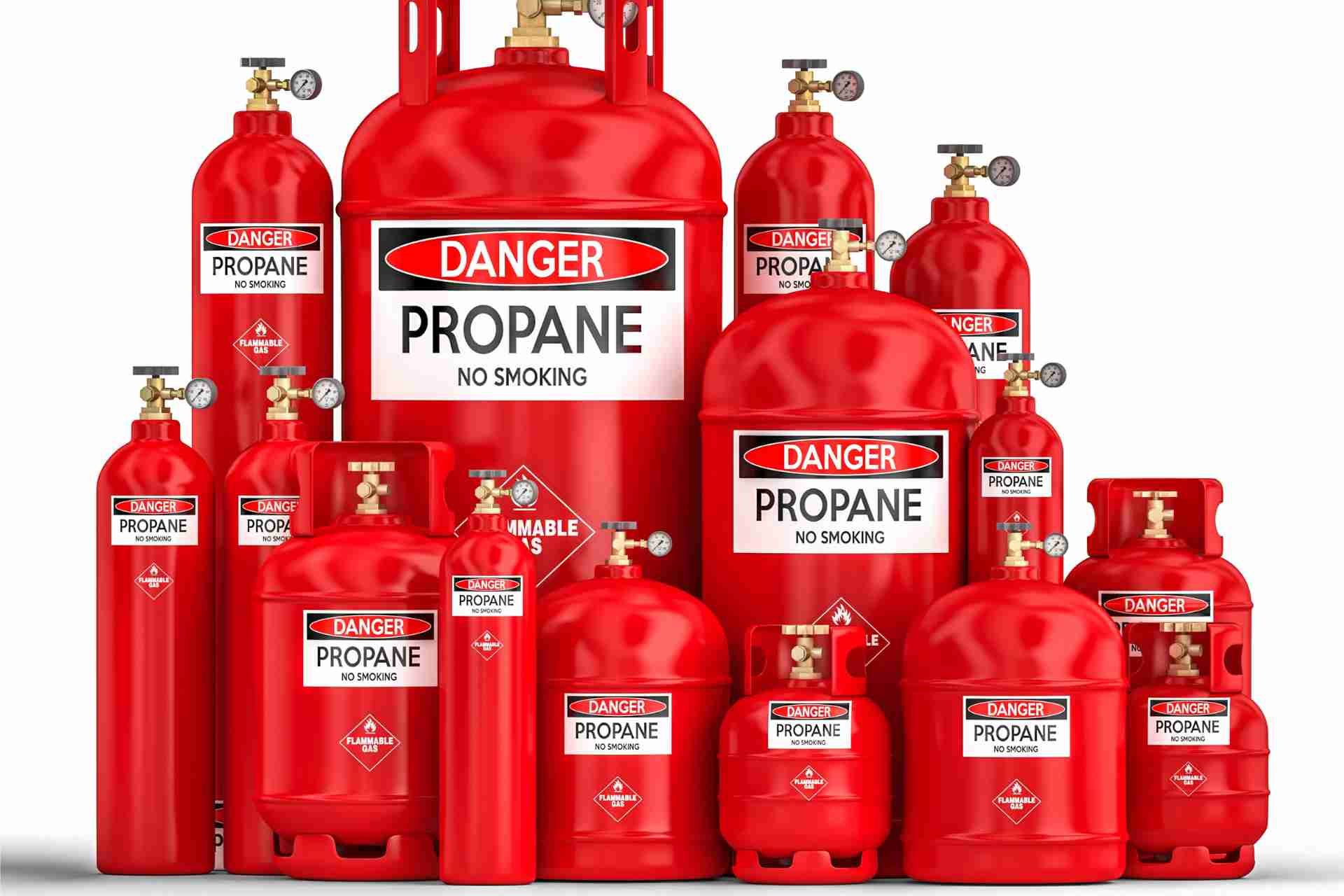
Differences Between Propane and Natural Gas?
You face a simple choice that isn’t so simple: propane packs about 2.4 times more energy per volume, but natural gas often costs less and flows from utility mains. Propane arrives by truck and suits off‑grid homes; natural gas is city‑reliable. Safety differs too—natural gas rises, propane can pool—changing how you detect leaks. Efficiency, appliance conversion, and emissions add more nuance. Which fuel actually fits your home, shop, or grill?
Propane vs Natural Gas: The Quick Comparison
Snapshot: Propane packs more energy per unit volume than natural gas, so it delivers hotter output from a smaller supply.
You'll notice higher BTUs per cubic foot with propane, which means faster heating and better searing. Natural gas burns cleaner, but propane yields higher efficiency because you use less to reach the same heat.
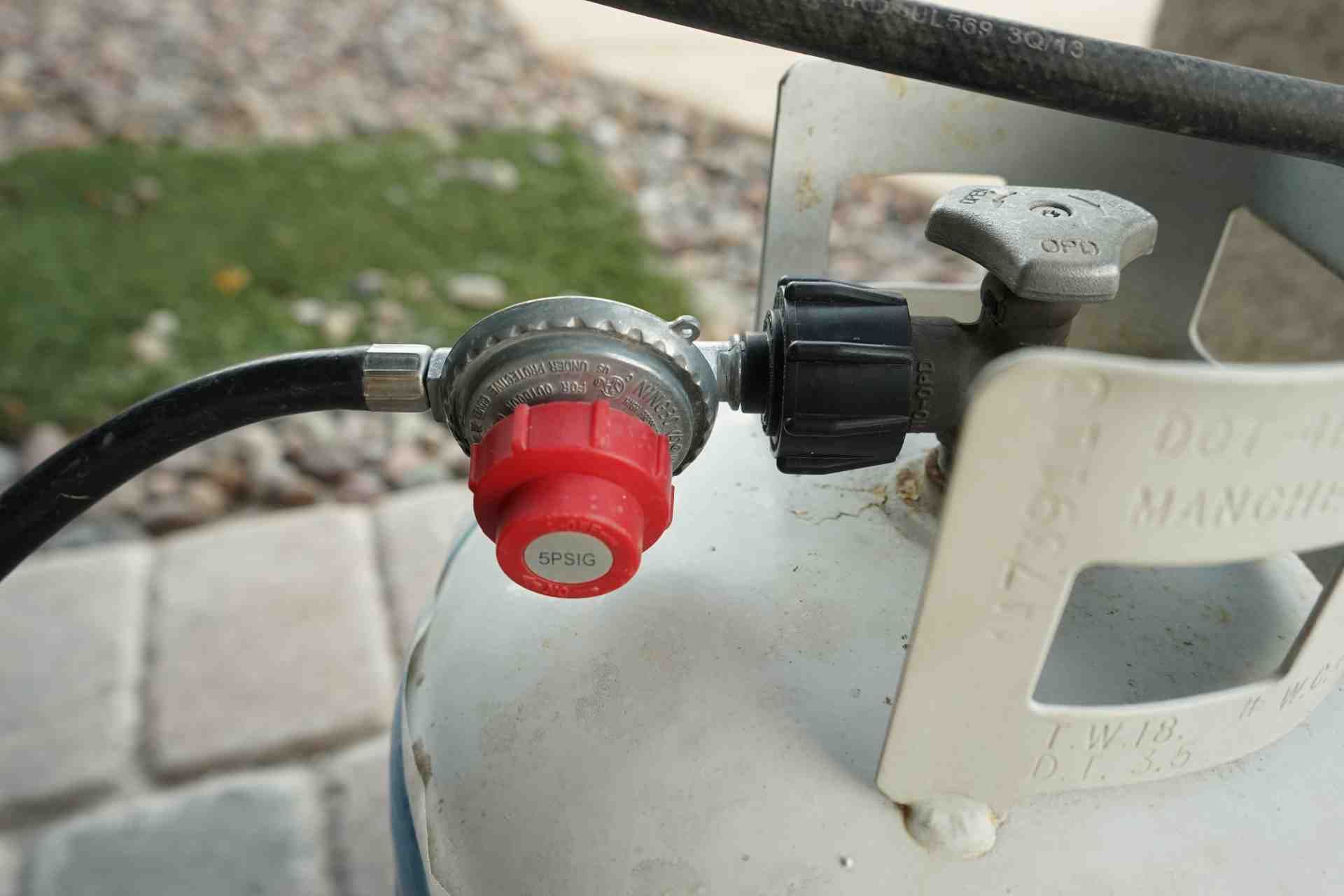
Appliance jets and regulators differ: propane needs smaller orifices and higher inlet pressure, while natural gas uses larger ports and lower pressure.
Both burn cleanly, producing mostly water vapor and carbon dioxide. Odorants help you detect leaks. Propane is heavier than air and can pool low; natural gas rises and disperses upward.
For cost comparisons, evaluate price per BTU, not per gallon or per cubic foot. That shapes performance choices.
Propane vs Natural Gas: Availability and Delivery
You compared heat output and hardware; now consider how the fuel actually reaches you.
Natural gas arrives through buried utility mains. If your street has service, the utility installs a service line, meter, and regulator, then you’re connected. Coverage is strongest in cities and suburbs; many rural areas lack mains. Outages are uncommon but new connections require permits and scheduling.
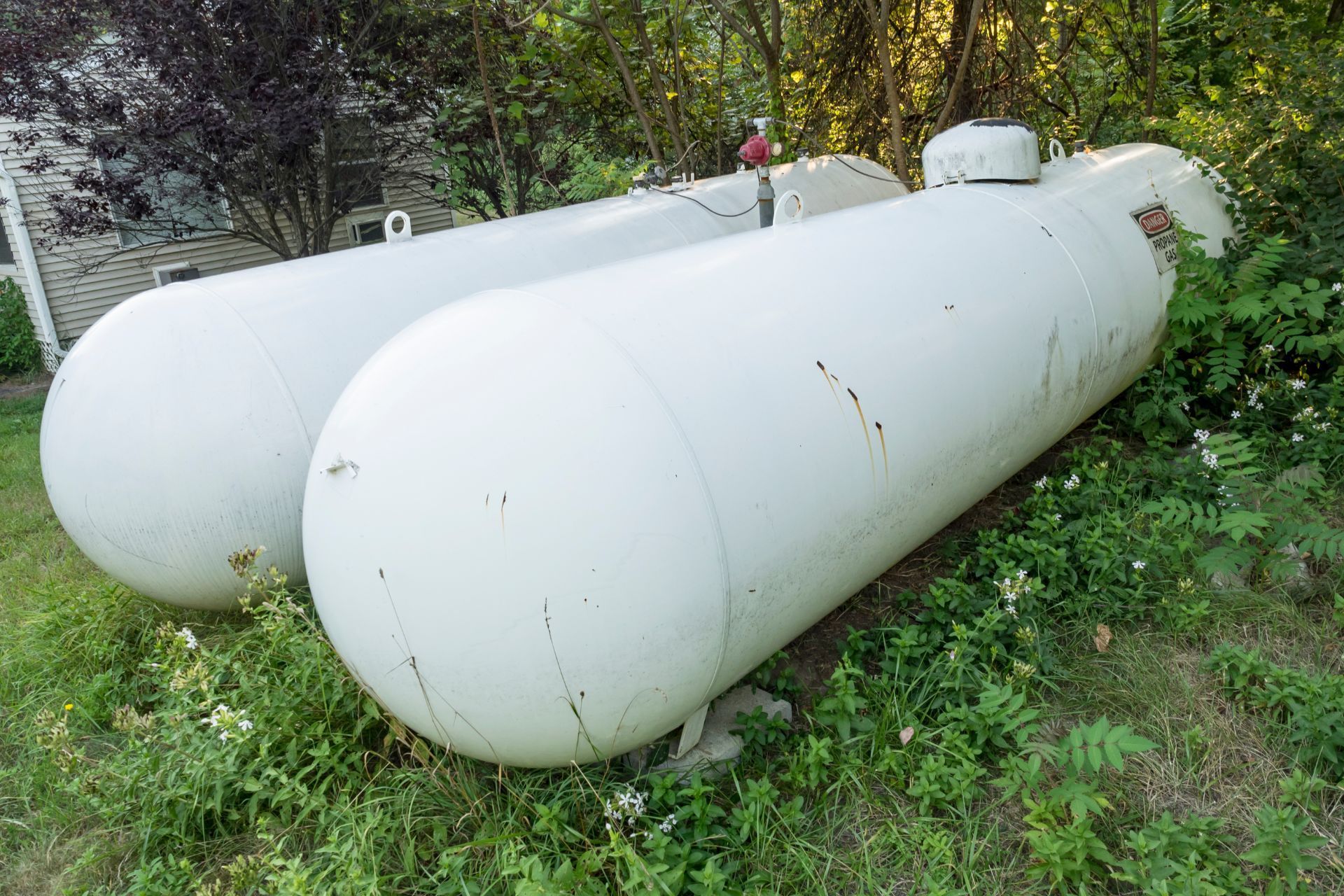
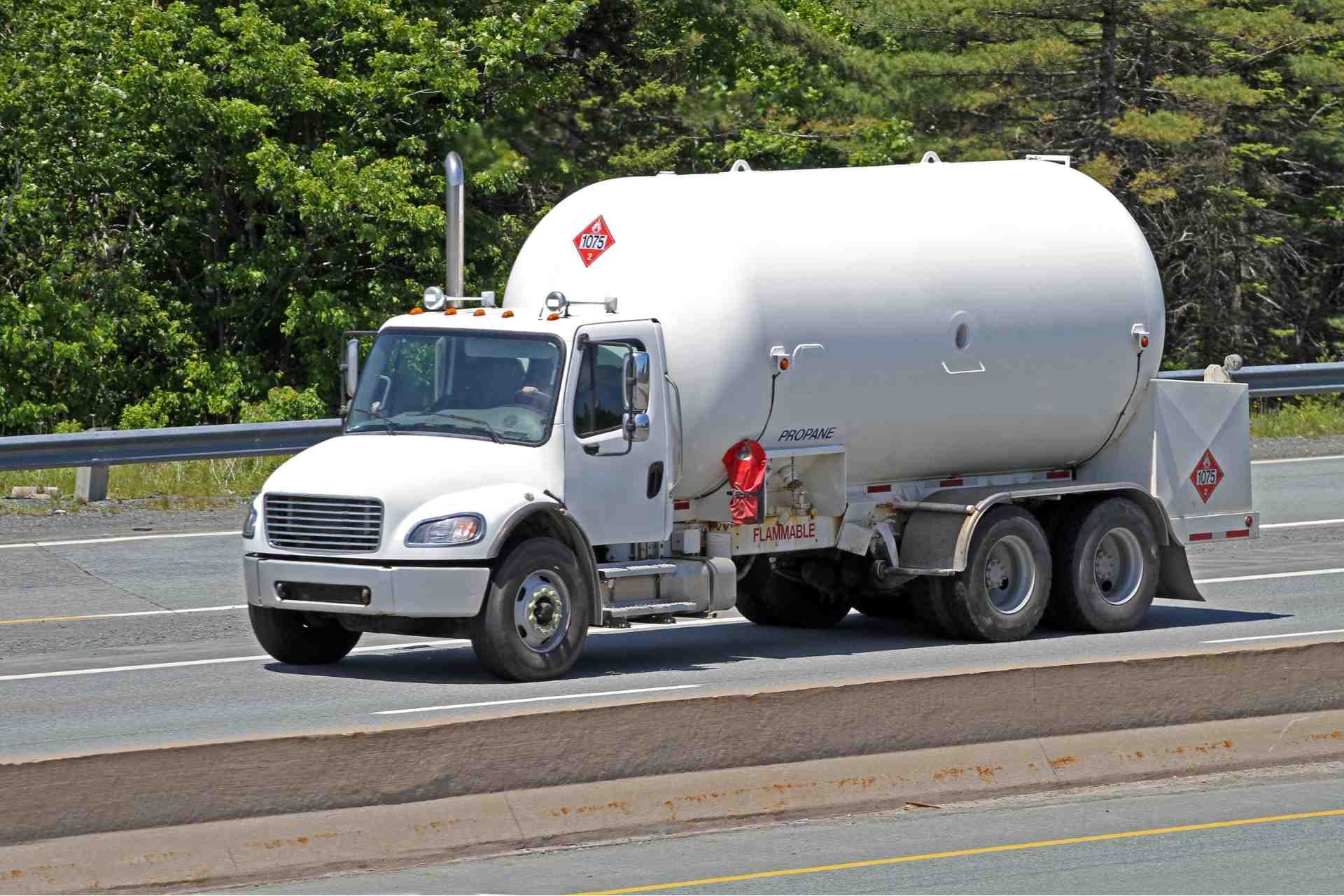
Propane doesn’t use public pipelines. A supplier delivers fuel by truck to an on-site tank—aboveground or buried—and a regulator feeds your appliances.
You can own or lease the tank, set automatic or will-call deliveries, and add remote monitors to track levels. Propane works almost anywhere, including off-grid sites, but you must keep the tank accessible year-round and plan refills, especially in winter and storms.
Propane vs Natural Gas Costs and Real-World Efficiency
While both fuels can run the same high-efficiency appliances, what you actually pay hinges on cost per BTU, fixed fees, and how well the system converts fuel into delivered heat.
With natural gas, you often face monthly meter fees and possible line-extension charges; with propane, you may pay tank rental, delivery fees, and minimum-use penalties.
Price volatility differs too: propane tracks seasonal supply and transport, while utility gas tends to change more slowly.
Real-world efficiency depends on appliance ratings (AFUE, UEF), venting, burner tuning, altitude derating, and whether equipment short-cycles.
Duct or hydronic distribution losses, standby losses on water heaters, and thermostat habits also tilt the balance.
Right-sized, well-maintained systems narrow the gap; poor setup magnifies cost differences.
Local incentives and taxes matter, too.
Propane vs Natural Gas Energy per Unit (BTUs)
Because energy content drives operating cost, it’s useful to pin down how many BTUs each fuel delivers per common unit.
Propane contains roughly 91,500 BTU per gallon, or about 2,500 BTU per cubic foot in vapor form. Natural gas averages about 1,037 BTU per cubic foot, 103,700 BTU per 100 cubic feet (CCF), and 100,000 BTU per therm.
On an equal-volume basis, propane delivers around 2.4 times the energy of natural gas. By weight, propane also concentrates more energy: about 21,600 BTU per pound versus roughly 21,500 BTU per pound of methane, but natural gas service is sold by volume, not weight.
When you compare bills or plan capacity, convert everything to BTU, therms, or MMBtu so you’re matching energy, not units across sources.
Propane vs Natural Gas: Appliance Compatibility and Conversion
Energy figures at the meter lead straight to what matters at the burner: appliances aren’t universally interchangeable.
Propane and natural gas differ in supply pressure, fuel density, and required air‑to‑fuel ratios. That’s why manufacturers specify distinct orifices, regulators, and valve spring settings. You can often convert, but only when a listed conversion kit exists for your exact model.
Kits swap burner orifices, adjust manifold pressure, and update labels to reflect the new input rating. You’ll check the appliance’s rating plate, match BTU capacity, and confirm the gas supply can deliver the required inches of water column.
Some gear—especially sealed systems, decorative fireplaces, and older units—has no approved conversion. Outdoor grills and ranges convert more readily; condensing furnaces and tankless heaters demand setup and tuning.
Propane vs Natural Gas Safety, Emissions, and Leaks
Although both fuels burn cleanly, their safety profiles, emissions, and leak behavior differ in ways you should plan for.
Natural gas (mostly methane) is lighter than air, so leaks rise and disperse; propane is heavier, so leaks sink and pool in low spots. Propane’s flammability range is about 2.1–9.5% in air; natural gas is roughly 5–15%, with a higher autoignition temperature.
Both add odorant so you can smell leaks, but you should place propane sensors low and methane sensors high. Ventilate and avoid switches if you suspect a leak.
For emissions, burning natural gas produces less CO2 per unit heat than propane, but unburned methane leaks carry far higher short‑term warming impact.
Either fuel can produce CO with poor combustion, so maintain appliances regularly.
Which Should You Choose for Home, Shop, or Grill?
With safety, emissions, and leak behavior in mind, the right fuel hinges on where you’ll use it and what you value most.
For the home, choose natural gas if you’ve got a utility line: it’s usually cheaper per BTU, continuous, and slightly lower in CO2 per unit heat.
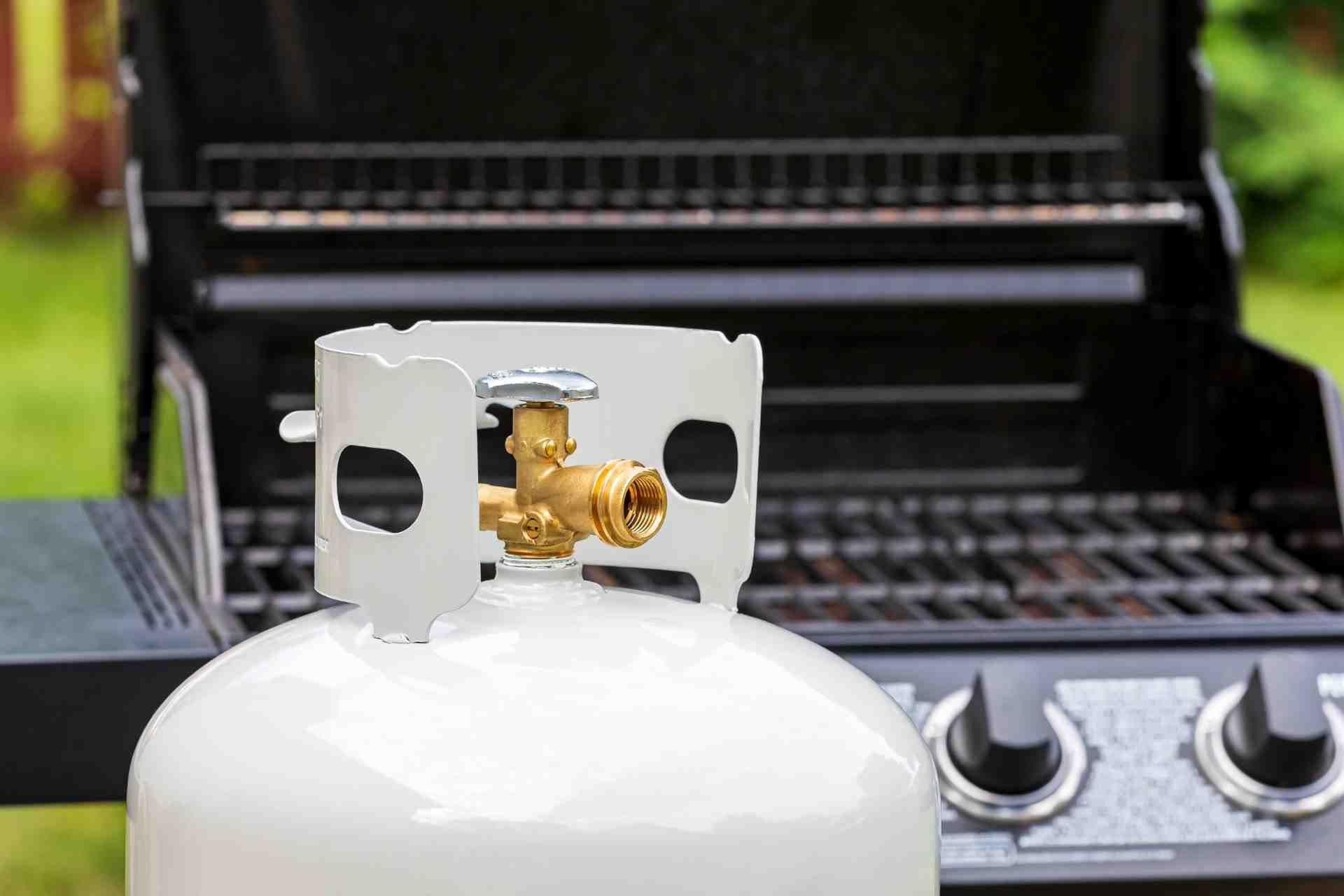
Pick propane when you’re off‑grid, want independent storage, or need a standby generator; it stores indefinitely.
In a shop, propane’s portability is a plus for space heaters and equipment, but mind pooling risks and use detectors and ventilation; natural gas fits fixed appliances with long run times.
For grills, propane wins for portability and fast swaps; natural‑gas grills shine on patios with a plumbed line.
Either way, follow codes and maintain detectors and regular leak checks.
Conclusion
You’ve seen how propane and natural gas differ in energy punch, delivery, costs, and safety. Propane packs about 2.4 times the BTUs per volume and works off-grid with on-site tanks; natural gas flows by utility mains for cheaper service. You’ll match appliances or convert. Plan for leak behavior: natural gas rises; propane can pool. In the end, you’ll pick by access, workload, and budget—propane for portability and high heat, natural gas for convenience and continuity.