What Size Propane Tanks Do You Need for Your Home?
Choosing the right propane tank size isn’t guesswork—you match it to your home’s size, insulation, climate, and the BTU load of your appliances. Get it right and you avoid cold showers, surprise deliveries, and bloated bills. Get it wrong and winter exposes the gap fast. You’ll want to know what each tank powers, how long it lasts, and which setup fits whole‑house heat—before you commit.
Propane Tank Size Chart: The Quick Answer
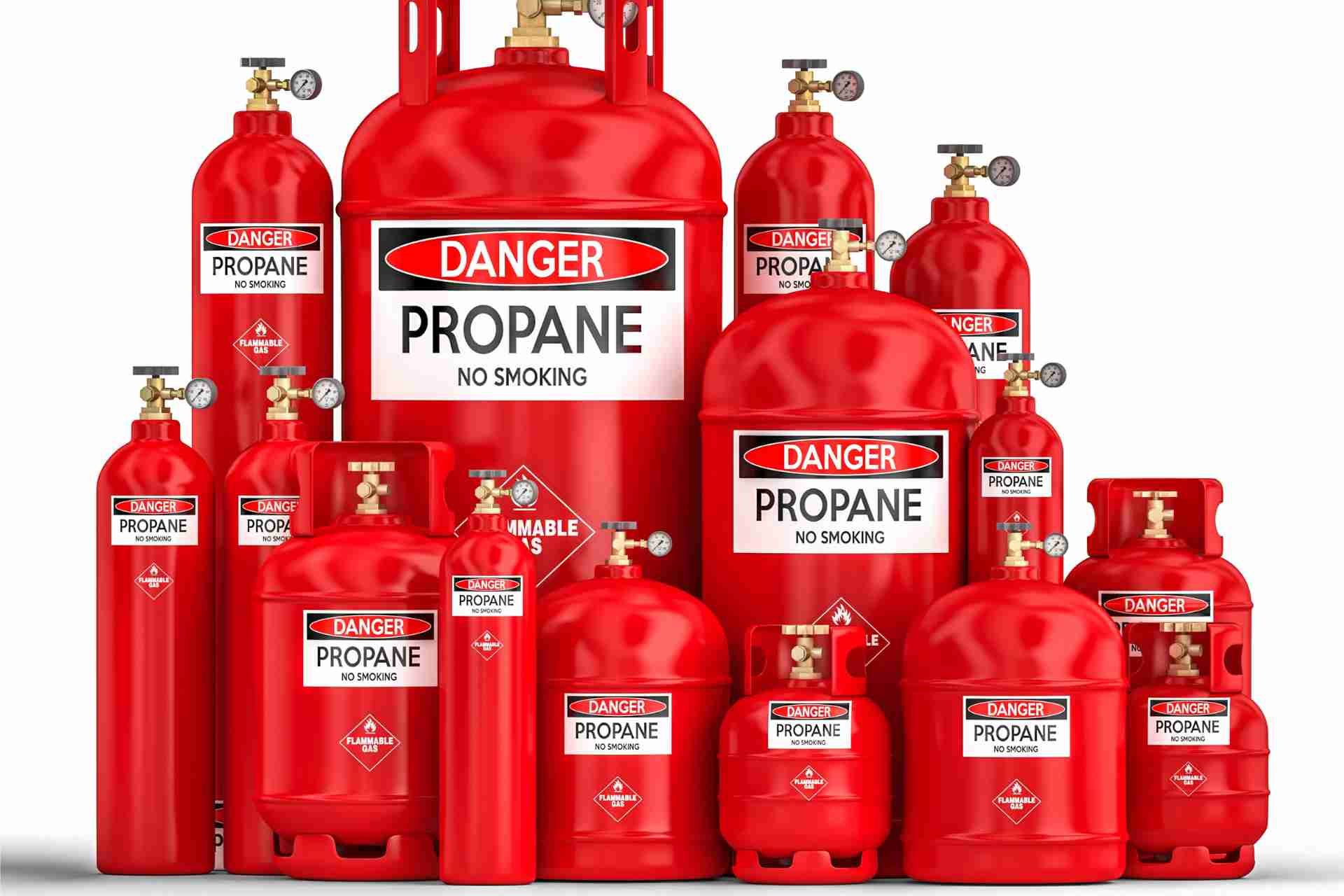
Eight common propane tank sizes cover most home needs:
1 lb (camping stoves),
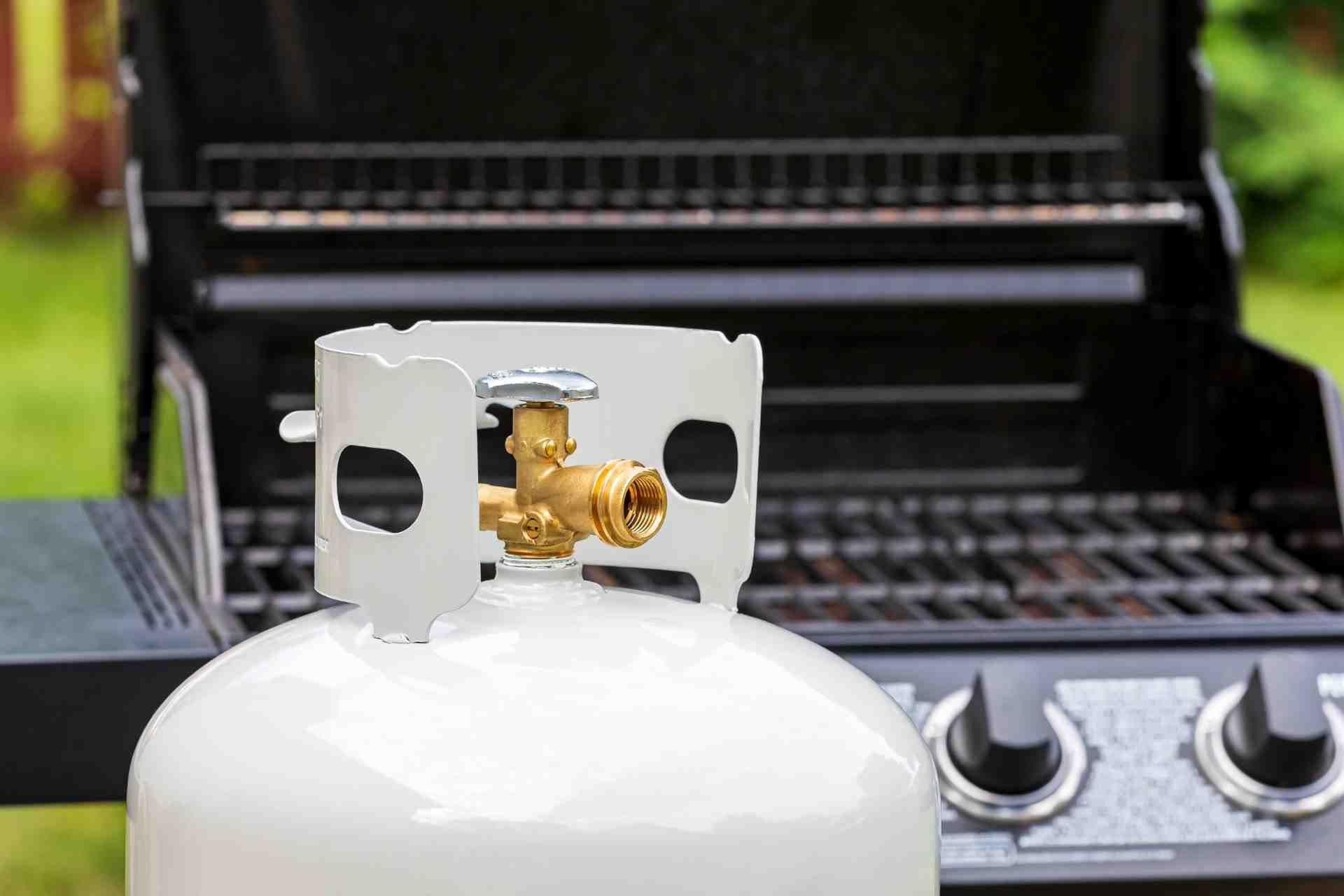
20 lb ≈ 4.7 gal (grills, patio heaters),
33 lb ≈ 7.9 gal (forklifts),
100 lb ≈ 24 gal (single appliance or space heat),
120 gal (one to two household appliances),
250 gal (small home or several appliances),
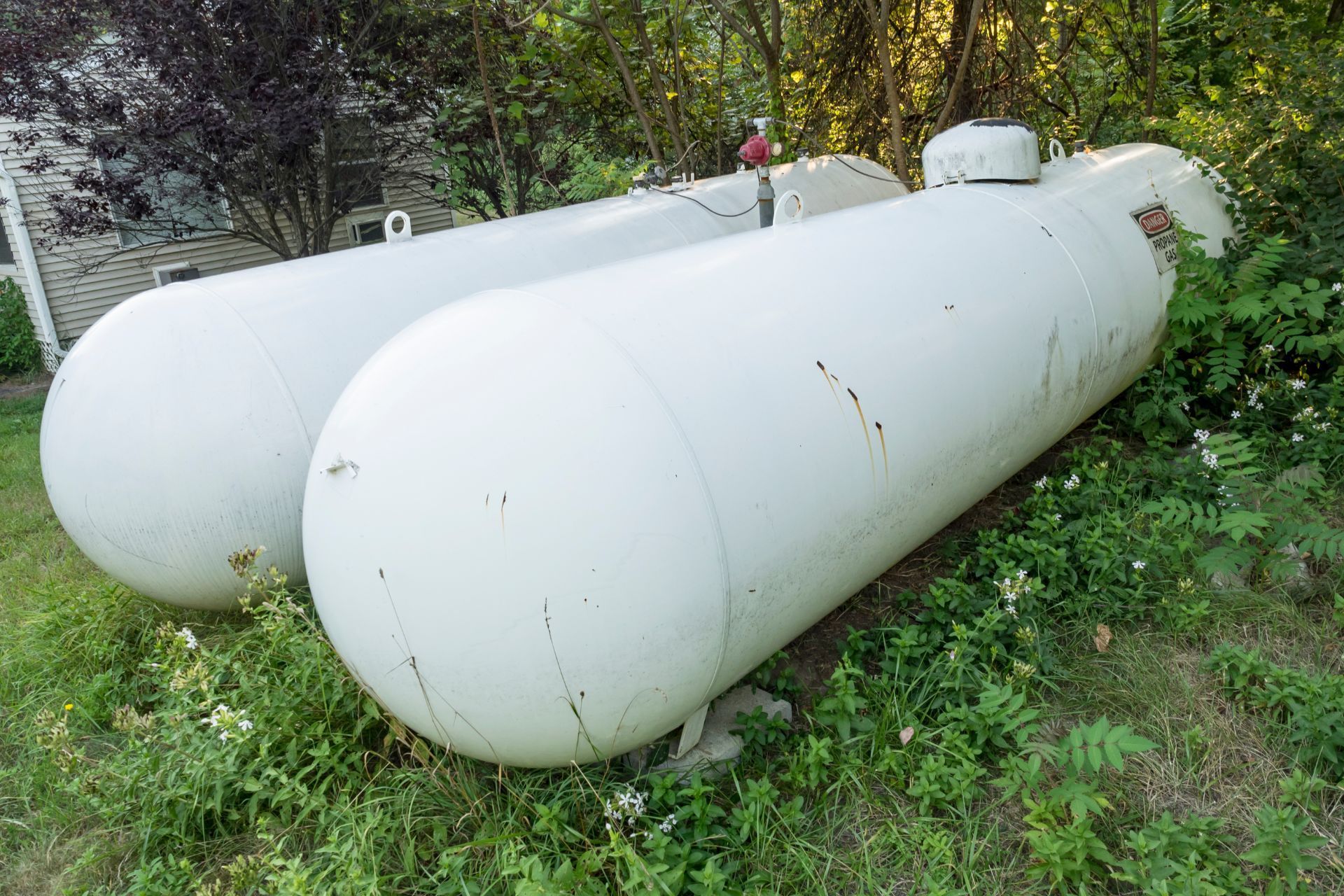
500 gal (typical whole‑home heating and hot water),
and 1,000 gal (large homes or high‑demand systems).
Use it fast:
1‑lb or 20‑lb for portable gear.
33‑lb fits forklifts.
Move to 100‑lb for a single appliance or backup heat.
Pick 120–250 gal for several appliances.
Choose 500 gal for whole‑home service; 1,000 gal for long gaps between fills.
Tanks fill to 80% max.
You’ll need clearances, truck access, and local setbacks before any purchase.
Sizing Factors: Home Size, Climate, BTUs
The chart gives you a fast pick, but the right tank size ultimately comes from your home’s load: square footage and insulation, your climate zone, and the total BTU demand of your appliances and hot‑water/space‑heating patterns.
Start with the building: tighter envelopes and smaller homes burn less; leaky, sprawling layouts spike consumption. Cold climates drive longer burner run‑times and higher peak rates, so you need more storage to ride out freezes and delivery gaps.
Add up appliance input ratings (BTU/hr), then consider simultaneity: will the furnace, water heater, range, and dryer run together? Factor duty cycle, recovery expectations, and backup‑generator loads.
Convert BTUs to gallons for seasonal usage (91,500 BTU/gal), then size for peak hourly demand and a practical refill window. Safety margins matter.
Propane Tank Sizes and What They Power
While sizes range from portable cylinders to buried 1,000‑gallon tanks, you’ll pick by what each can power without frequent refills:
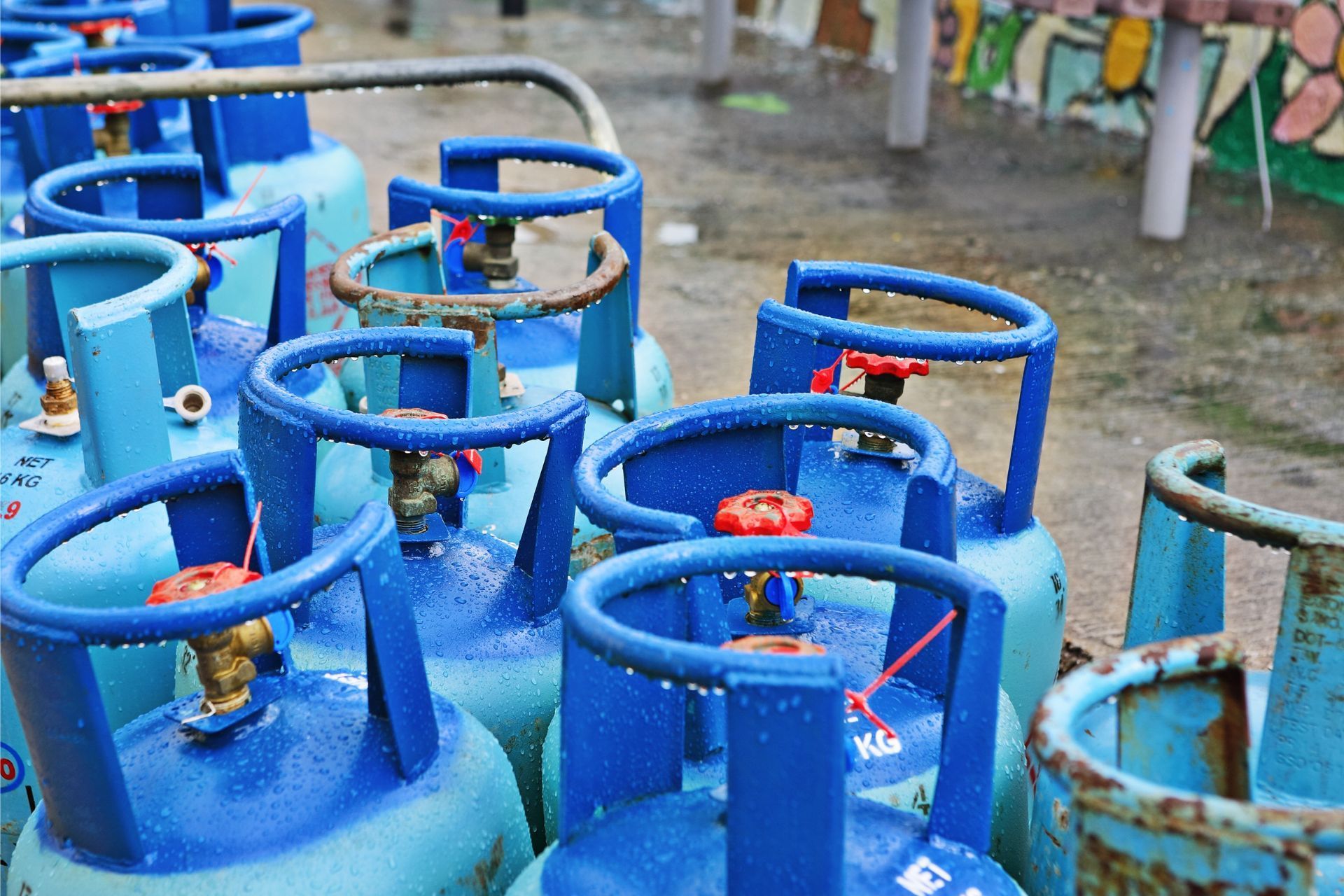
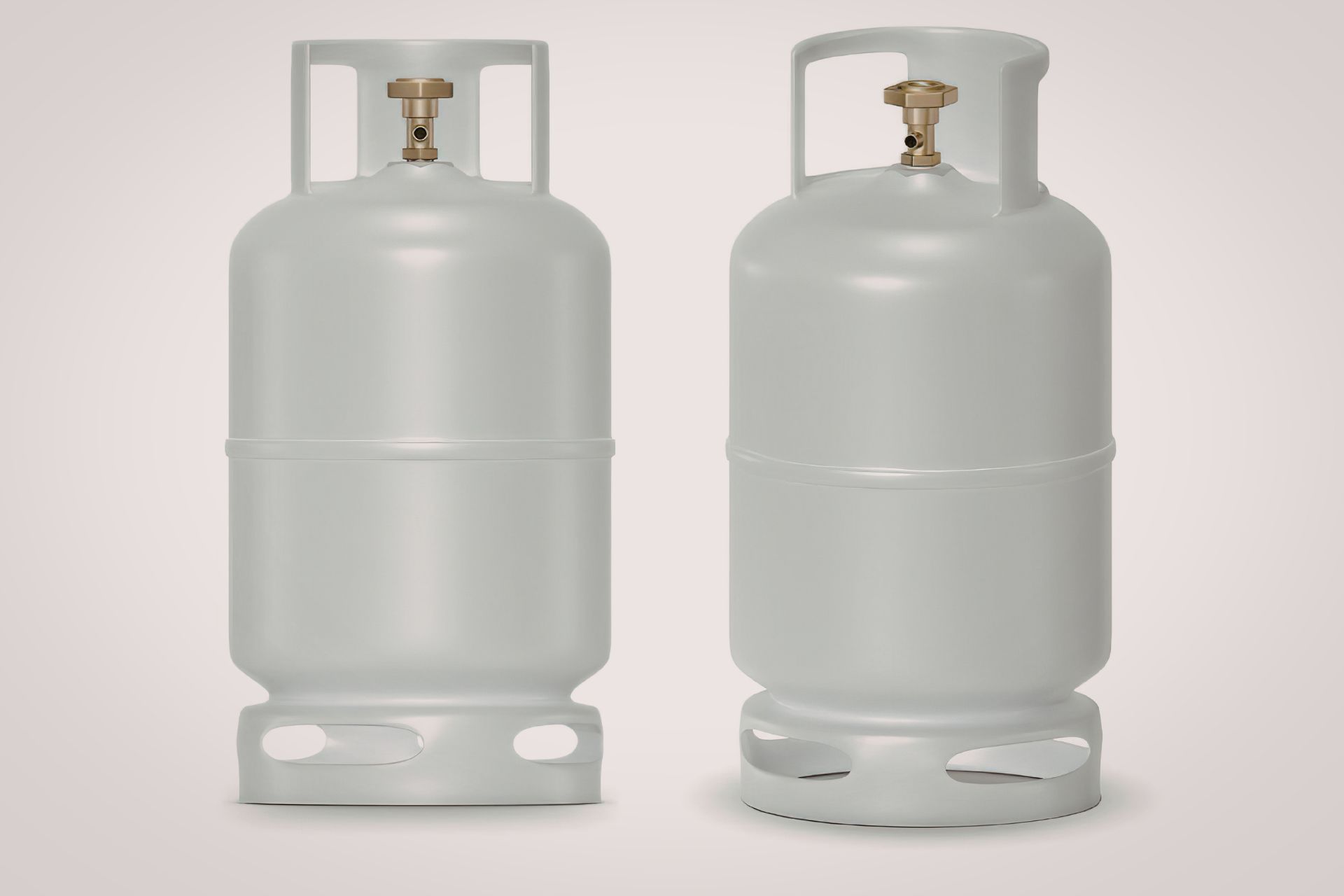
20‑ and 33‑lb cylinders handle grills, patio heaters, and forklifts;
100‑lb cylinders run a single appliance like a range, fireplace, or small water heater;
120‑gal tanks support one or two appliances;
250‑gal tanks cover multiple appliances or small homes without whole‑house heat;
325/330‑gal tanks serve small‑to‑mid homes with space and water heating;
500‑gal tanks fit most whole‑house heating plus hot water and a dryer;
1,000‑gal tanks feed large homes, high‑BTU systems, standby generators, or very cold climates.
Choose aboveground when access is easy; go buried to hide the tank and add capacity.
Consider delivery schedules, space clearances, and whether you’ll expand appliances later onsite.
Match Tank Size to Each Appliance (BTU Guide)
As you match a tank to each appliance, size by BTU input, not guesswork.
Check rating plates, note maximum BTU/hr. A cylinder or tank must supply that BTU/hr at your coldest temps; consider vaporization.
Typical appliance BTUs: cooktop 30–65k, dryer 18–30k, tankless water heater 150–199k, storage water heater 34–75k, fireplace 20–60k, grill 12–60k, garage heater 30–80k.
Tank picks: 20‑lb cylinder supports up to ~50k BTU/hr; 40‑lb ~100k; 100‑lb ~200k; 120‑gal ~300k+.
Remember the 80% fill rule reduces usable gallons. Use rated regulator and proper piping to meet the appliance’s inlet pressure and flow.
If an appliance cycles at high fire, size for the peak. When unsure, don’t guess; ask your propane supplier for BTU/hour vapor charts.
Document inputs and tank data on your plan.
Whole-House Heating: Best Propane Tank Size
After sizing individual appliances by BTU, step up to whole-house heating by matching your furnace/boiler input and climate to a tank that can both vaporize enough propane at your design low and store enough gallons to limit deliveries.
Check your equipment’s input (BTU/hr) and your area’s design temperature. Tank vaporization falls as tanks shrink, temperatures drop, and fill levels decline, so size up for cold climates and high inputs.
General picks:
- 250-gallon: small, tight homes in mild regions, single furnace under ~80,000 BTU/hr.
- 500-gallon: typical choice for 80,000–150,000 BTU/hr or moderate/cool climates.
- 1,000-gallon: large homes, multi-zone, or 150,000–300,000 BTU/hr in cold regions.
You can manifold twin 500s when space or placement limits apply.
Buried tanks stay warmer, improving vaporization in winter.
Propane Tank Runtime: How Long It Lasts
Because runtime hinges on how fast you burn BTUs and how fast the tank can vaporize propane, you’ll estimate it from your appliance input and usable gallons, then sanity-check it against cold-weather vaporization limits.
One gallon holds about 91,500 BTU. Usable gallons equal roughly 80% of tank capacity.
Runtime (hours) ≈ usable gallons × 91,500 ÷ total appliance input (BTU/hr) × average duty cycle. Add up all simultaneous loads.
Example: a 500-gallon tank holds ~400 usable gallons, or ~36.6 million BTU. At 100,000 BTU/hr and a 50% duty cycle, you’d expect ~732 hours. Double the load, halve the hours.
Check constraints: colder air and low tank level cut vaporization, reducing effective output. If your peak demand exceeds vaporization, either stagger loads or size up.
Aboveground vs. Underground Propane Tanks
While both aboveground and underground propane tanks can power the same appliances, they trade cost, performance, and aesthetics in different ways.
Aboveground tanks install faster and cost less upfront. You’ll monitor the tank easily, spot rust or leaks, and service valves without digging. They can, however, dent curb appeal and face wider temperature swings, which may reduce usable capacity in extreme cold.
Underground tanks hide the bulk, protect steel from weather, and keep temperatures steadier, helping gas vaporize reliably in winter. You’ll pay more for excavation, backfill, and corrosion protection, and future service often means digging again.
Underground models typically last longer when maintained, and many owners feel the cleaner look boosts resale value. Choose the option that best matches budget, climate, and aesthetics.
Propane Tank Placement: Codes and Clearances
Codes, not preference, decide where you can set a propane tank. You must follow NFPA 58 and local amendments.
Keep ASME tanks of 125–500 gallons at least 10 feet from buildings, property lines, and ignition sources such as compressors, generators, and outlets. For 1,000 gallons and up, increase that to 25 feet.
Keep DOT cylinders 3 feet from building openings and 5 feet from ignition sources. Maintain clear access for filling and service—3 feet around valves and the dome or collar.
Don’t place tanks under eaves, decks, or overhangs, or beneath power lines. Stay clear of crawlspace vents, windows, and sources of heat.
Set tanks on level, noncombustible pads, with proper anchoring in high-wind or flood zones. Always verify distances with your local authority.
Propane Tank Sizes: Costs and Installation Options
Now that you know where a tank can legally sit, it’s time to choose a size and how to install it—decisions that set your upfront cost and long‑term fuel price.
For typical homes, 120-gallon (420-lb) tanks serve appliances; 250- and 500-gallon tanks support whole‑home heat; 1,000-gallon fits large homes or generators.
Buy a tank to shop fuel freely, or lease one for lower upfront cost but higher per‑gallon rates and contract limits.
Above‑ground installs cost less and finish fast; underground hides the tank and buffers temperature swings but adds excavation, anode/cathodic protection, and lid costs.
Budget for regulator(s), pad or tie‑downs, trenching for gas line, permits, delivery, and crane set.
Ask for filled‑price quotes, refill fees, and minimum‑usage terms.
Compare warranties and service response.
Conclusion
You’ve got the essentials: match tank size to your home, climate, and total BTUs, add a safety margin for peak use, and check clearances and codes for placement. Use the appliance BTU guide to right-size, decide on aboveground or underground, and weigh runtime, delivery intervals, and cost. When in doubt, size up for comfort and fewer fills. Talk with a propane pro to confirm sizing and installation so you’ll heat, cook, and shower without interruption.