Propane vs. Electricity: Which Is More Cost-Effective for Home Heating?
When it comes to heating your home, choosing between propane and electricity can be tricky. Each option has its advantages and drawbacks, particularly when it comes to cost and efficiency. If you're in a region with harsh winters, understanding these factors is crucial for making the right decision. So, which heating source will provide you with the best value and comfort in the long run? Let's explore the key differences.
Propane vs. Electric Heating: Which Is Right for You?
When it comes to choosing between propane and electric heating, how do you decide what's best for your home?
Start by considering your climate. If you live in an area with harsh winters, propane might heat your space more effectively.
Next, think about your energy costs. Check local rates for propane and electricity; prices can vary greatly, impacting your decision.
You should also evaluate your home’s infrastructure. If you’ve already got a gas line, sticking with propane could be easier.
On the other hand, electric heating often requires less maintenance.
Don’t forget to factor in environmental concerns; electric options can be greener if powered by renewable sources.
Ultimately, weigh these aspects to find the right heating solution for you.
What’s Great About Propane Heating?
If you’re leaning toward propane heating, you’ll find several advantages that make it a compelling choice.
First, propane heats your home quickly and efficiently, providing consistent warmth even during the coldest months.
You'll also appreciate its versatility, as it can power not just your furnace, but also your water heater, stove, and even your dryer.
Propane is eco-friendly, producing fewer emissions than many other fossil fuels, which means you're making a greener choice for your home.
Additionally, propane is often less expensive than electricity in many regions, leading to potential savings on your energy bills.
Finally, having a reliable supply of propane can keep your home warm during power outages, ensuring your comfort and safety.
What’s Great About Electric Heating?
While propane has its benefits, electric heating offers several advantages that make it a strong contender for your home.
For starters, electric systems are often easier to install and maintain. You won’t need to worry about fuel delivery or storage tanks, which simplifies your life.
Additionally, electric heating tends to be cleaner, producing no harmful emissions or odors inside your home. This can lead to better indoor air quality, especially if you have allergies.
Furthermore, electric heaters can provide consistent and even warmth, making your living space more comfortable.
Lastly, with advancements in technology, many electric heating options now come with smart features, allowing you to control your home’s temperature remotely, enhancing both convenience and efficiency.
Cost Comparisons: Propane vs. Electric Heating
Understanding the cost differences between propane and electric heating can help you make a more informed decision for your home.
Propane prices can fluctuate based on market demand, but it's often cheaper per BTU than electricity. If you’re in an area with high electricity rates, heating with propane might save you money in the long run.
On the other hand, electric heating systems typically have lower upfront costs and require less maintenance.
However, if your electricity comes from fossil fuels, the operational costs can add up. To get a clearer picture, consider both your local energy prices and your home's heating needs.
Energy Efficiency: Propane vs. Electric Heating
When choosing between propane and electric heating, energy efficiency plays a significant role in determining your long-term costs and comfort.
Propane heating systems typically have a higher efficiency rating than electric ones, meaning you get more heat per unit of fuel. This translates to lower energy consumption and reduced utility bills.
However, electric heating systems can also be efficient, especially when using modern heat pumps, which can provide both heating and cooling.
Consider your local energy prices, as these can impact the overall cost-effectiveness of each option.
If you're looking for quick heating solutions, propane might be the better choice.
But if you're inclined towards renewable energy sources, electric heating could align better with your eco-friendly goals.
Installation Costs of Heating Systems
Installation costs for heating systems can vary significantly between propane and electric options.
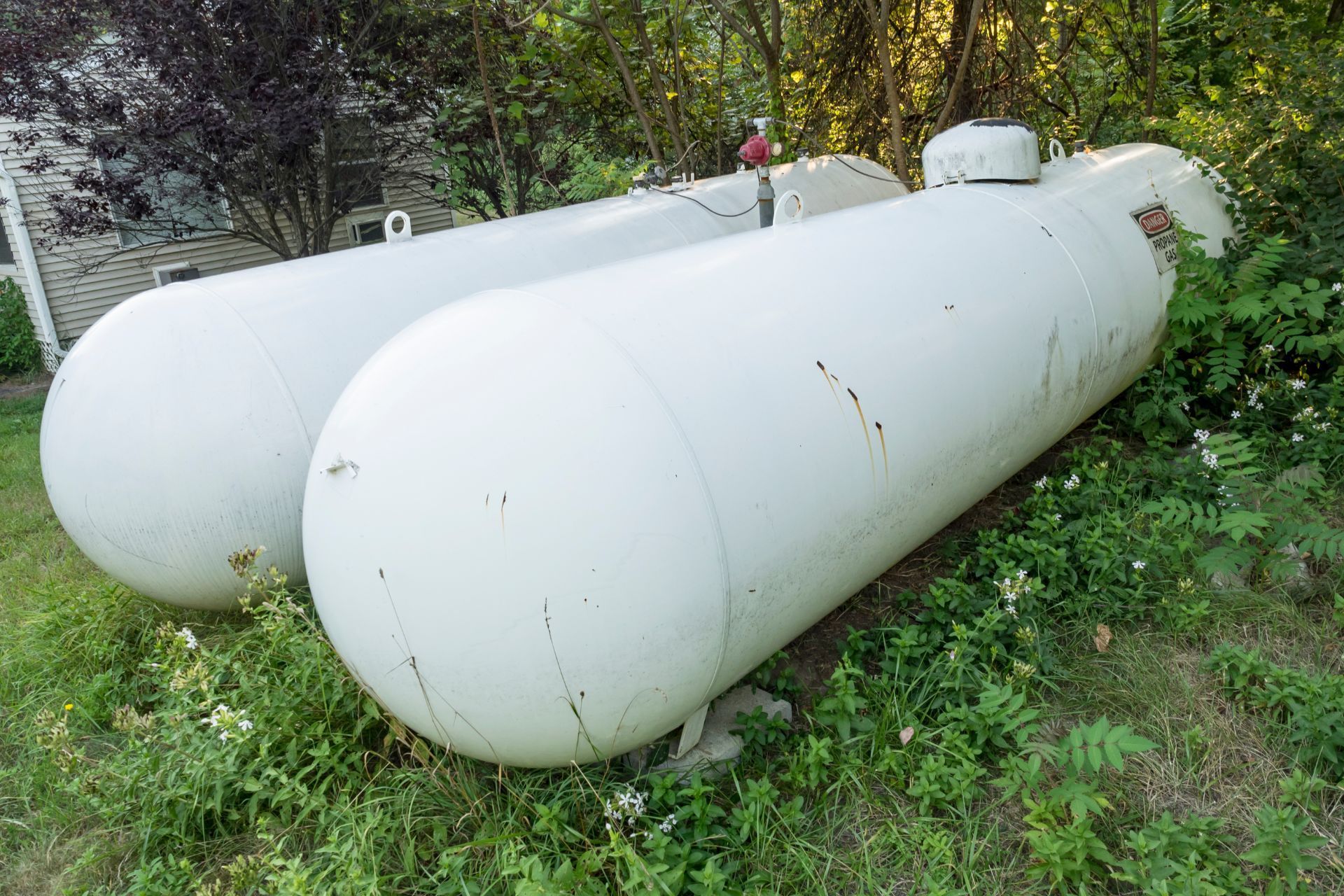
If you choose a propane system, you might face higher upfront costs due to the need for a tank, gas line installation, and additional venting. This can add up quickly, especially if you're starting from scratch.
On the other hand, electric systems tend to have lower initial installation costs since they often require just a connection to your existing electrical system. However, remember that if your home needs an upgrade to handle the electrical load, costs can rise.
Ultimately, your specific situation, including local labor rates and existing infrastructure, will play a big role in determining what you’ll spend initially on installation.
What Are the Maintenance Costs of Propane and Electric Heating?
How much should you budget for the maintenance of your heating system?
For propane heating, you can expect to spend around $100 to $300 annually. This often includes inspections, cleaning, and occasional repairs. Since propane systems have more mechanical components, they might require more frequent servicing.
On the other hand, electric heating systems generally have lower maintenance costs, typically ranging from $50 to $150 a year. They’re simpler and often more reliable, which means fewer repairs. However, if you’ve got an older system, you might face higher costs.
Ultimately, budgeting for maintenance depends on your system’s age, type, and usage. Regular upkeep can help you avoid unexpected expenses and ensure your heating system runs efficiently.
How Do Propane and Electric Heating Options Affect the Environment?
While both propane and electric heating options serve the same purpose of keeping your home warm, their environmental impacts differ significantly.
Propane, a fossil fuel, releases carbon dioxide and other pollutants when burned, contributing to greenhouse gas emissions. This can impact air quality and accelerate climate change.
On the other hand, electric heating’s environmental footprint largely depends on how the electricity is generated. If it comes from renewable sources like wind or solar, it’s much cleaner. However, if it’s from coal or natural gas, the environmental impact can be substantial.
Ultimately, your choice affects not just your wallet but also the planet. Consider these factors to make a more eco-friendly decision for your heating needs.
Calculating Your Home Heating Costs?
When it comes to calculating your home heating costs, understanding key factors can make all the difference.
Start by assessing your home’s square footage and insulation quality, as these influence how much energy you'll need. Next, look at your local energy prices—propane and electricity rates can vary significantly.
Calculate your average monthly usage by checking past utility bills. For propane, convert gallons to BTUs to compare with electric heating options.
Don’t forget to factor in maintenance costs and equipment efficiency ratings, as these can add up over time.
Finally, consider the climate in your area; harsher winters may skew costs toward one option over the other.
Conclusion
In conclusion, choosing between propane and electricity for home heating boils down to your specific needs and circumstances. If you live in a colder climate, propane might save you more in the long run with its cost-effectiveness and efficiency. However, if upfront costs are a concern, electric systems could be the way to go. Weigh your options carefully, considering not just installation and maintenance but also your local energy prices to make the best decision for your home.