What Safety Precautions for Using Propane?
You use propane for grills, heaters, and backup power—but it demands strict habits. You check ventilation, spot leaks by that rotten-egg smell, and shut everything down fast. You store cylinders upright, outdoors, away from heat. You rely on certified hoses, regulators, and detectors, and you don’t DIY repairs. You plan for transport and refills safely. Want the quick steps that prevent the most common accidents—and what to do when something hisses?
Get the Propane Safety Basics
Before you fire up any propane appliance, know the basics that keep you safe. Read the manufacturer’s manual and follow labels. Use propane only in well‑ventilated areas; never in closed spaces.
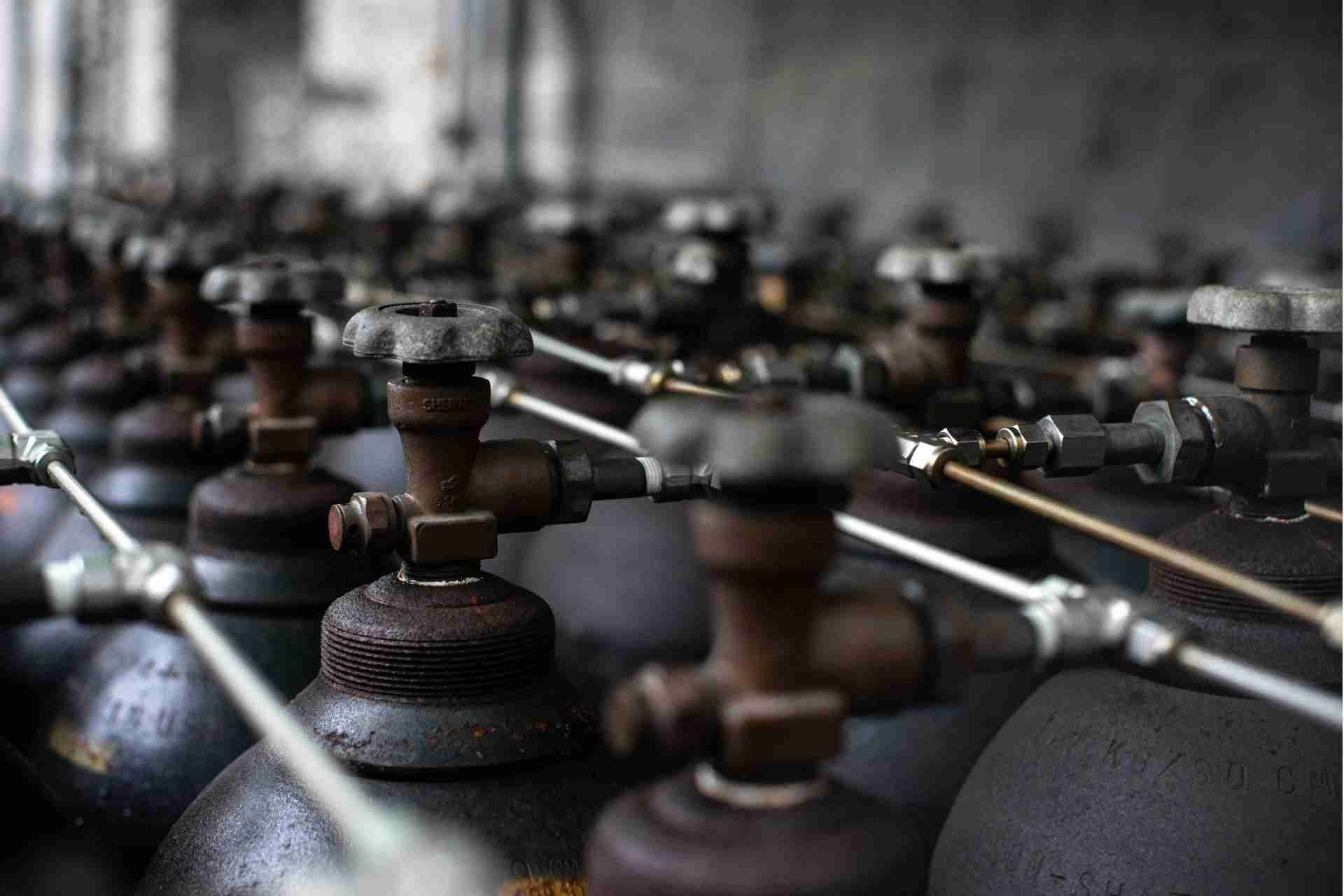
Keep cylinders upright, outside, and away from heat, flames, and sunlight. Check cylinder dates and replace outdated or damaged tanks. Secure cylinders during transport; don’t leave them in a hot car.
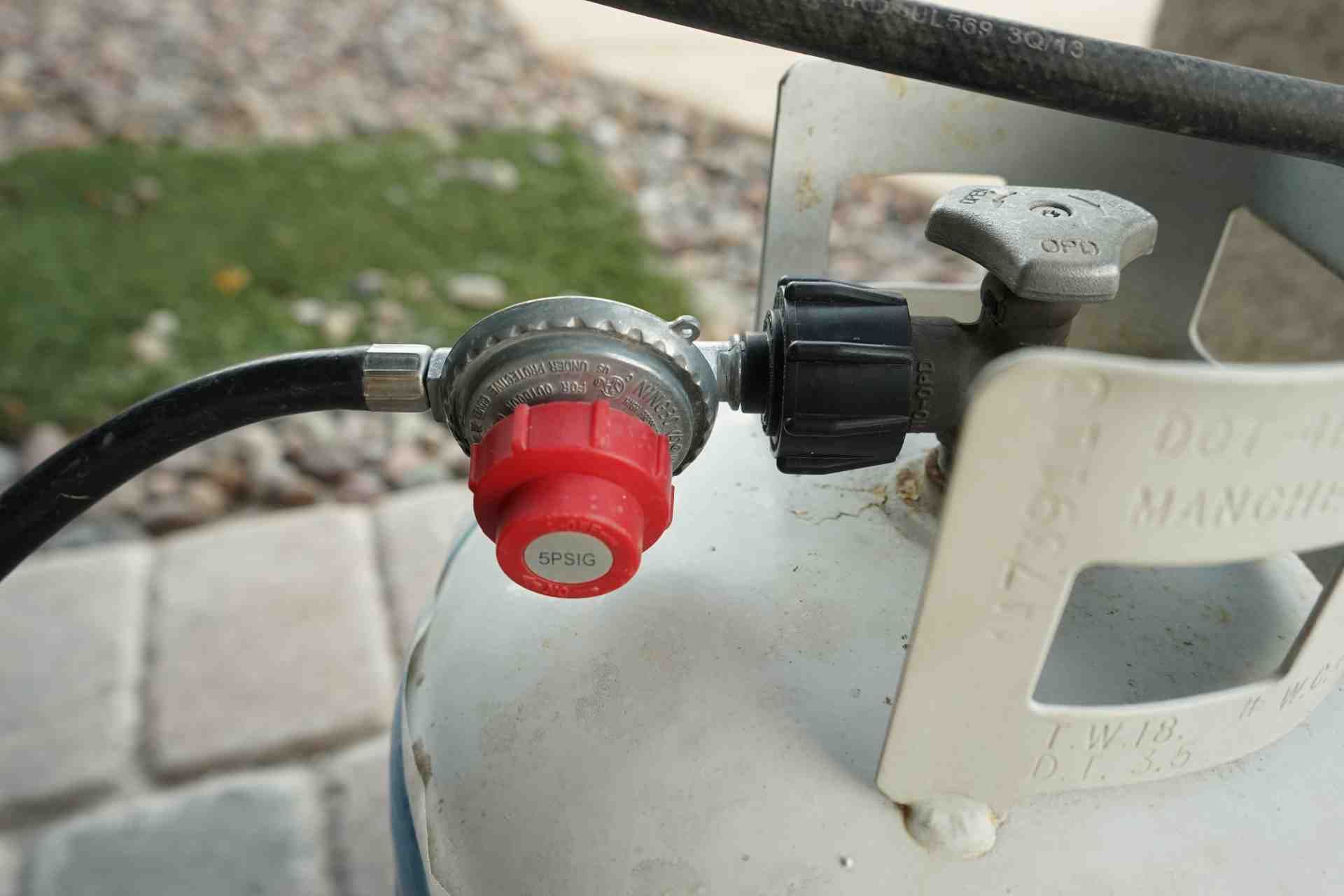
Attach regulators designed for your appliance and tighten connections with the correct fittings. Keep at least three feet of clearance from combustibles. Light appliances with approved igniters, not matches or lighters.
Turn burners off before opening the tank valve, then open slowly. Install carbon monoxide alarms and test them monthly. Teach everyone in your home basic propane rules. Post emergency numbers nearby.
Find Leaks Fast: and What to Do Next
A fast response starts with your senses: smell for a rotten‑egg odor, listen for hissing, and look for bubble formation by brushing soapy water on connections. If bubbles grow, you’ve found a leak.
Don’t ignite flames, smoke, or create sparks. Don’t use phones, light switches, or appliances near the area. If it’s safe, turn the tank valve clockwise to shut off the gas.
Evacuate people and pets to a safe distance. From outside and away from the leak, call your propane supplier or emergency services. Tag the equipment so no one reactivates it.
Don’t try to repair regulators, valves, or lines yourself; only qualified technicians should fix and test the system. After repairs, the supplier should re‑open the valve and relight appliances when safe.
Check Ventilation Before You Ignite
While propane burns cleanly, you still need fresh air to dilute combustion gases and heat. Before you light anything, confirm there’s a clear path for air in and exhaust out. Open windows, skylights, and vents; create a cross‑breeze.
Verify range hoods and exhaust fans actually move air outdoors, not just recirculate. Check chimneys and flues for soot, nests, or backdrafting. If you smell exhaust, feel heat building, or notice condensation on panes, stop and air the space out.
Outdoors, don’t crowd burners against walls, coolers, or tarps. Keep canopies high and sides wide open. Face equipment away from the wind so flames stay stable and fumes blow clear.
In garages, tents, RVs, and cabins, treat propane as outdoor‑only unless the appliance is properly purpose‑vented.
Use Certified Hoses, Regulators, and Detectors
Good airflow only goes so far; the hardware must be up to standard. Choose hoses, regulators, and leak detectors that carry certifications such as UL, CSA, or ANSI. Check packaging and labels for the exact rating that matches propane, not just generic gas.
Inspect hose dates, fittings, and gaskets; replace cracked, brittle, or swollen parts immediately. Use a regulator sized for your appliance’s BTU demand and inlet pressure, and avoid adapters that defeat safety features.
Protect hoses from abrasion, heat, and kinking; route them visibly and keep lengths short. Install propane-specific detectors low to the floor, and test them monthly using the manufacturer’s procedure. Replace detectors at end-of-life dates.
Keep records of purchases, installation dates, and part numbers. Document leak checks after any service.
Operate Propane Grills and Heaters Safely
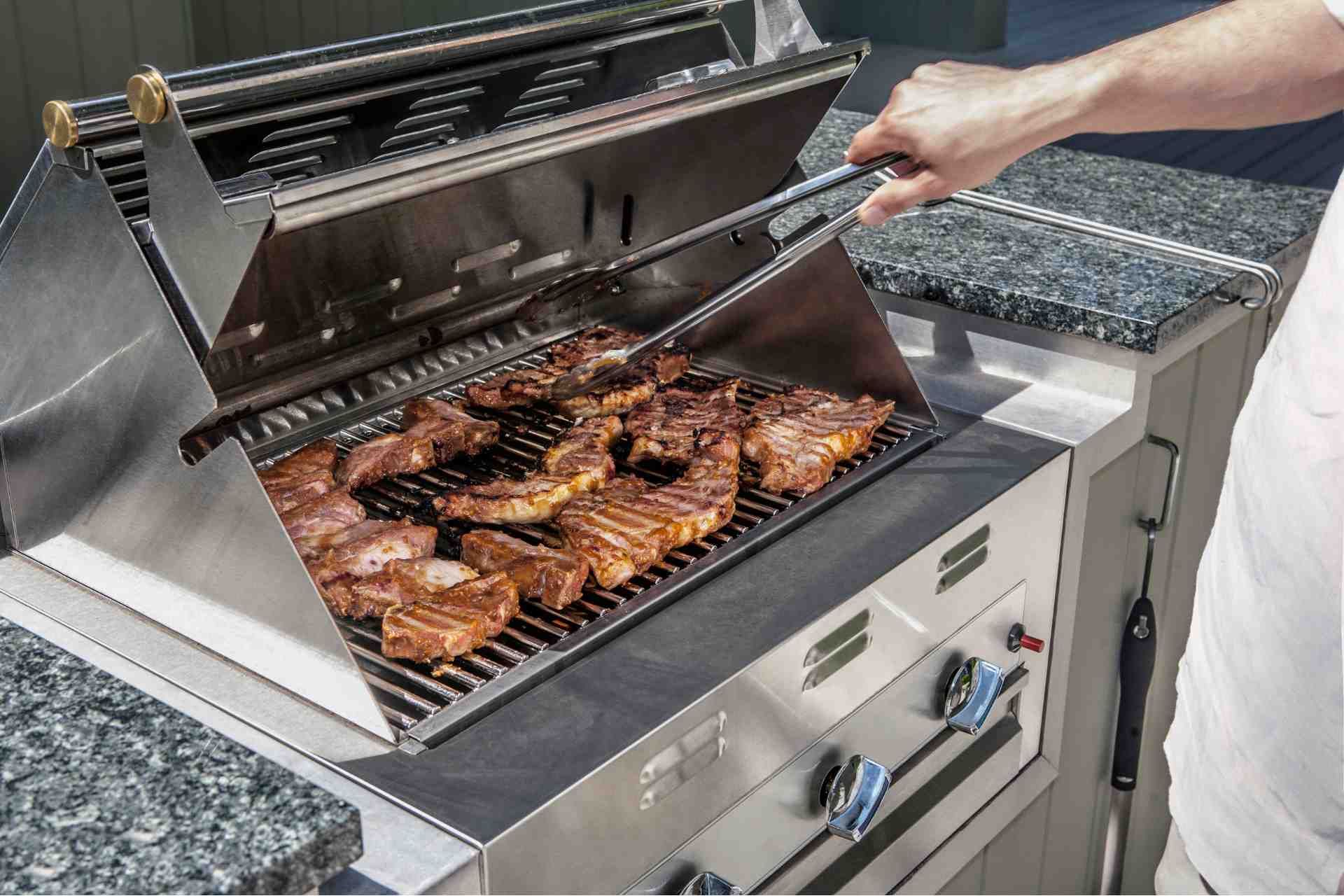
Before you press Ignite or light a match, set the appliance in a well‑ventilated, open area on a stable, nonflammable surface with safe clearances on all sides and overhead.
Read the manual, open grill lids before lighting, and use the correct ignition procedure. Keep kids, pets, and combustibles at least 3 feet away.
Never use grills or unvented heaters indoors or in garages, tents, or sheds. Check for leaks with soapy water; if you smell gas, don’t ignite—shut everything off, move away, and call a professional.
If the flame goes out, close the valve and wait five minutes before relighting. Use long-handled tools, avoid windy lighting, and never leave flames unattended.
After cooking or heating, close burner controls, then the cylinder valve every time.
Store Propane Cylinders the Right Way
Even when it’s not in use, a propane cylinder demands careful storage.
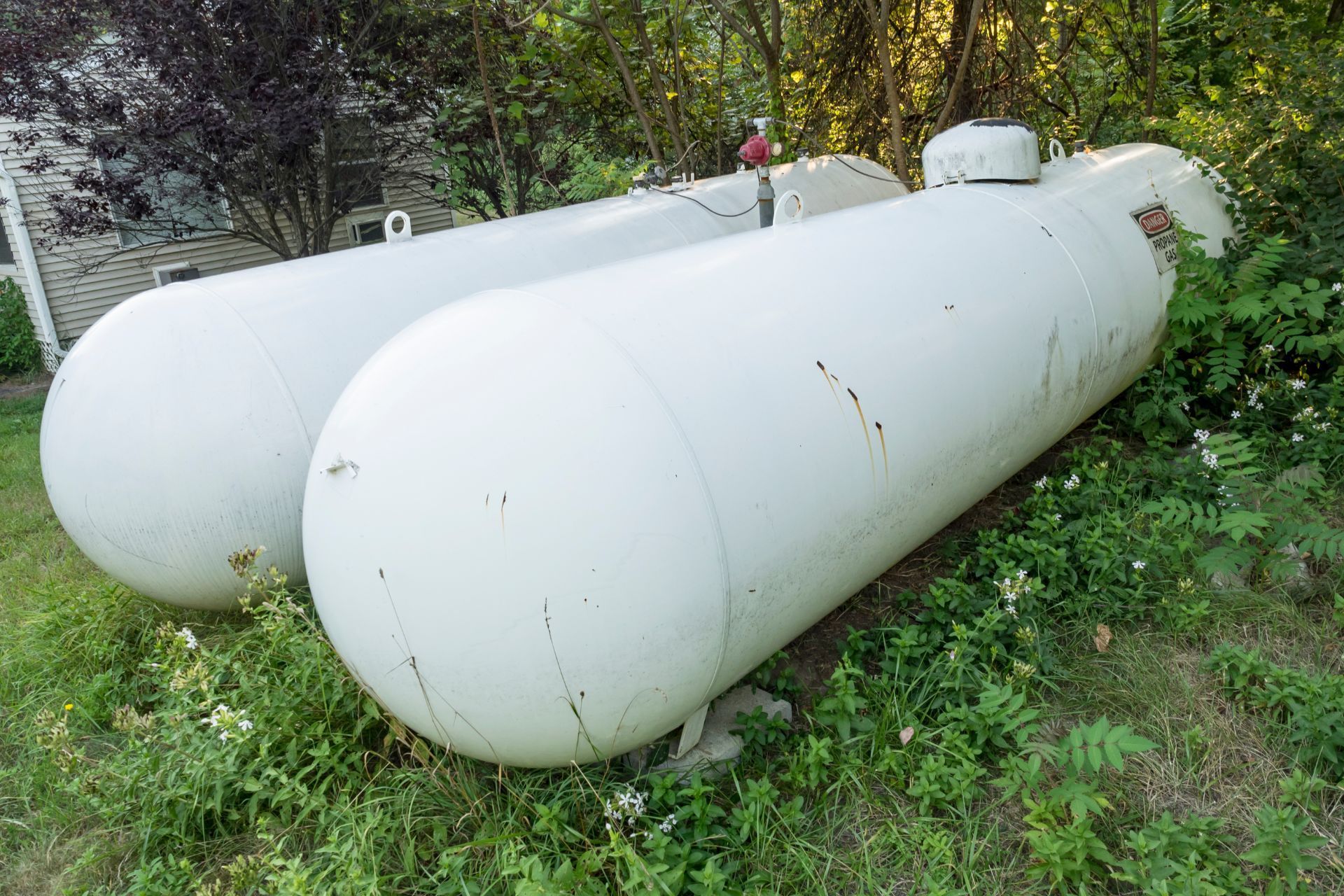
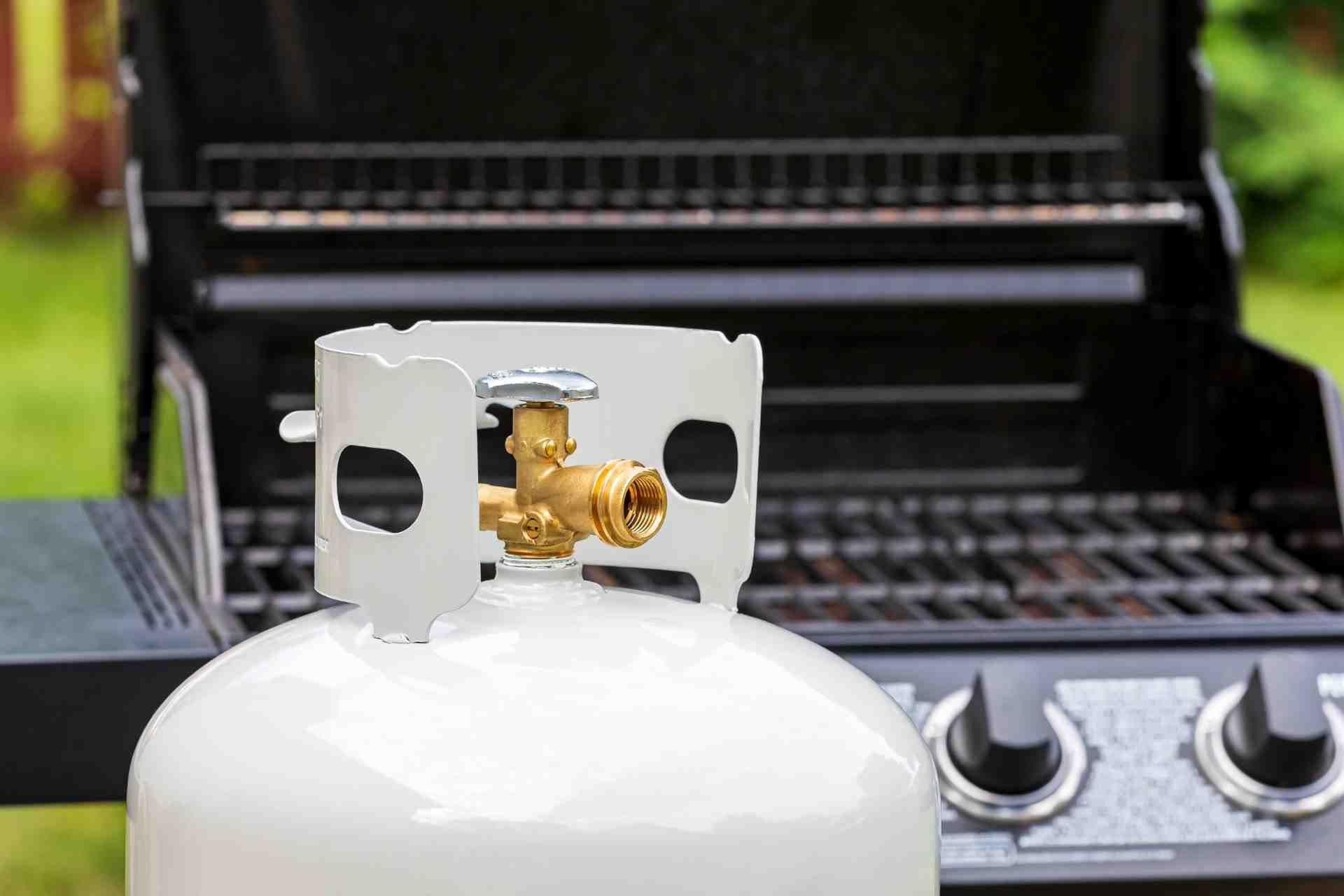
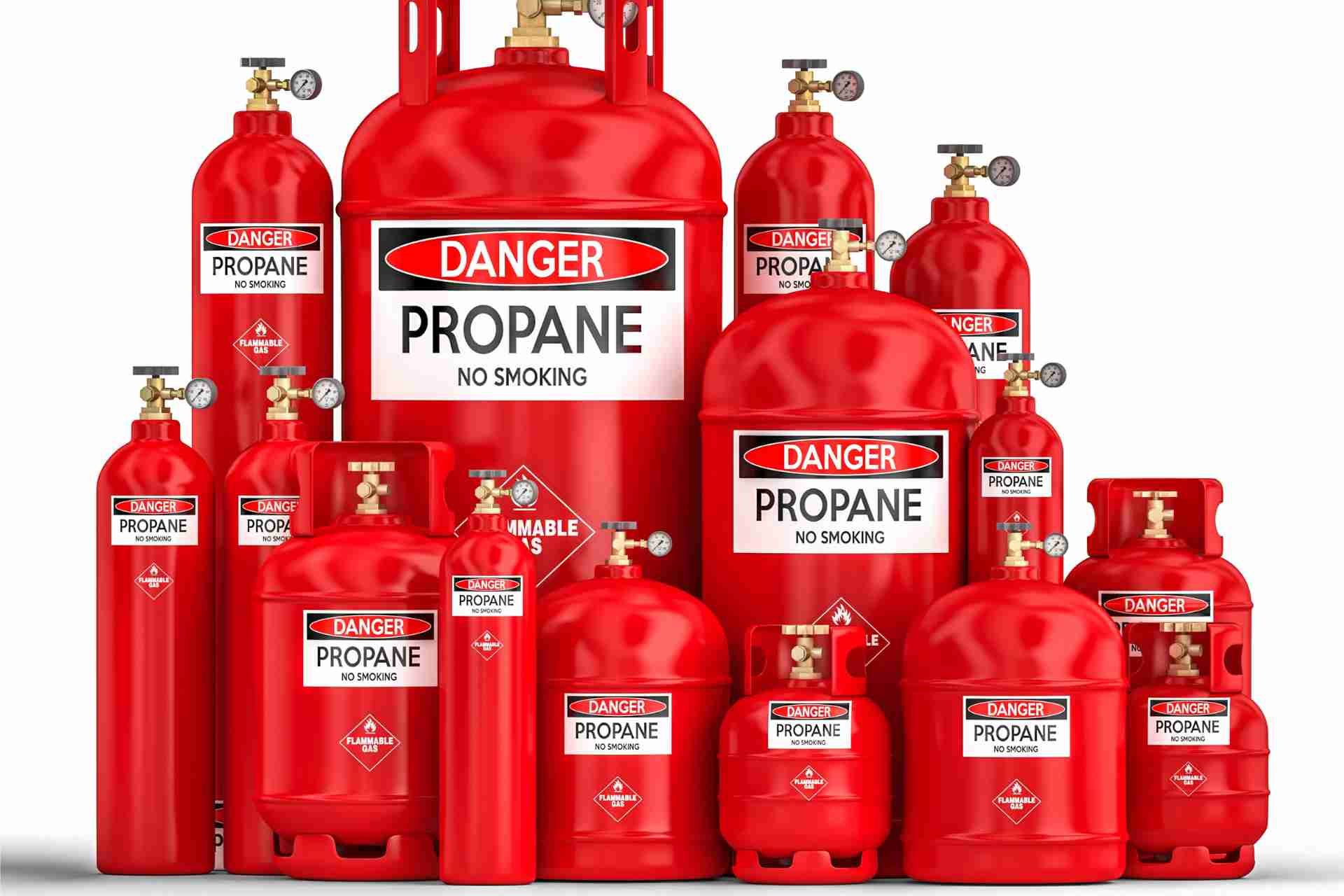
Always store cylinders outdoors, upright, on a firm, level surface. Keep them in a well‑ventilated, shaded area, never in a home, basement, crawlspace, attic, or attached garage.
Maintain at least 10 feet from open flames, grills, heaters, ignition sources, and combustible materials. Don’t place near windows, doors, vents, or building intakes.
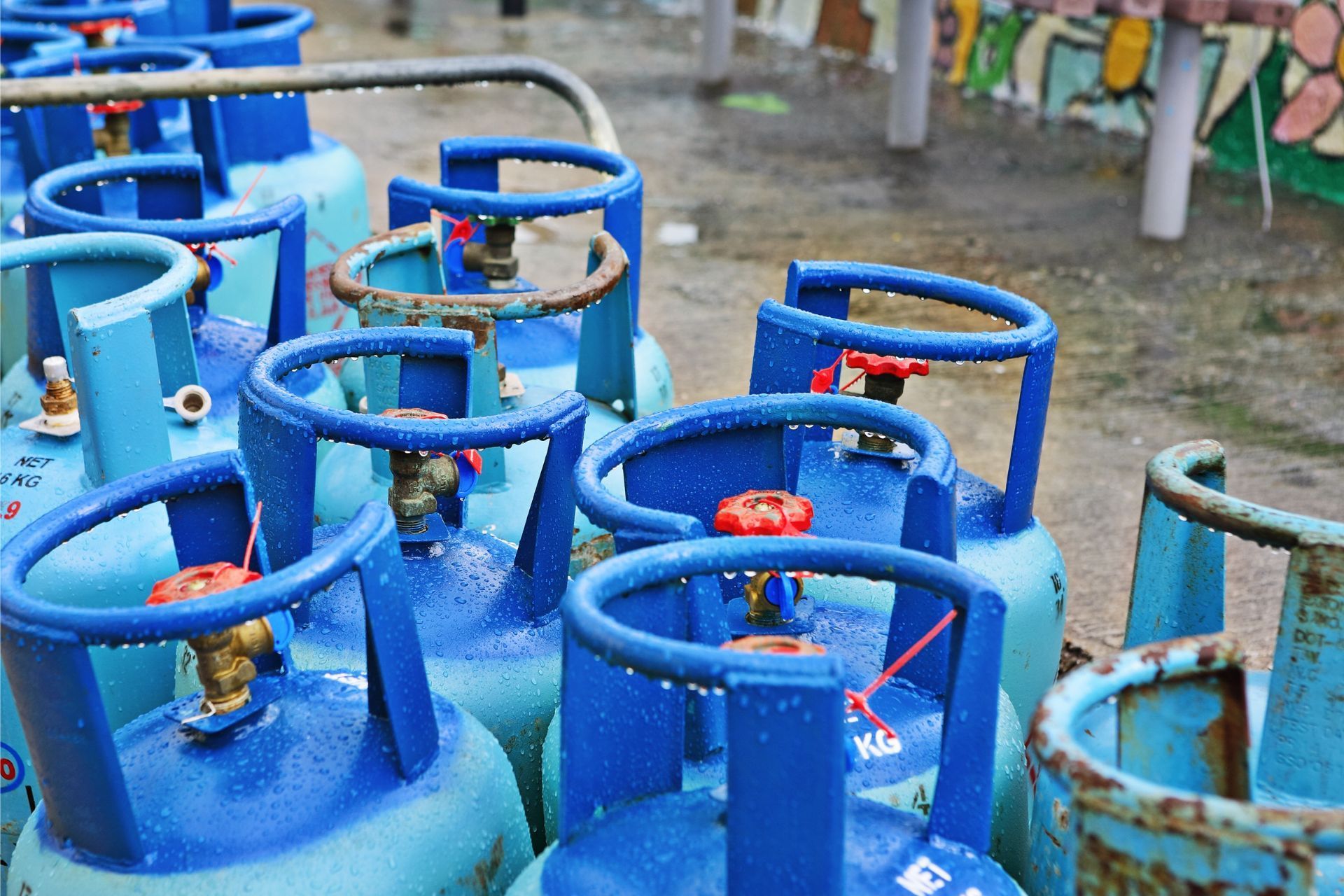
Close the service valve, leave the relief valve unobstructed, and fit the protective cap or plug. Keep cylinders dry and off bare soil to prevent rust; use a rack or blocks.
Protect from direct sun and temperatures above 120°F. Check for dents, rust, or leaks, and isolate damaged cylinders outside.
Keep children and pets away; post “No Smoking” signs where stored.
Transport and Refill Propane Tanks Safely
Proper storage sets you up for safe handling on the road and at the pump.
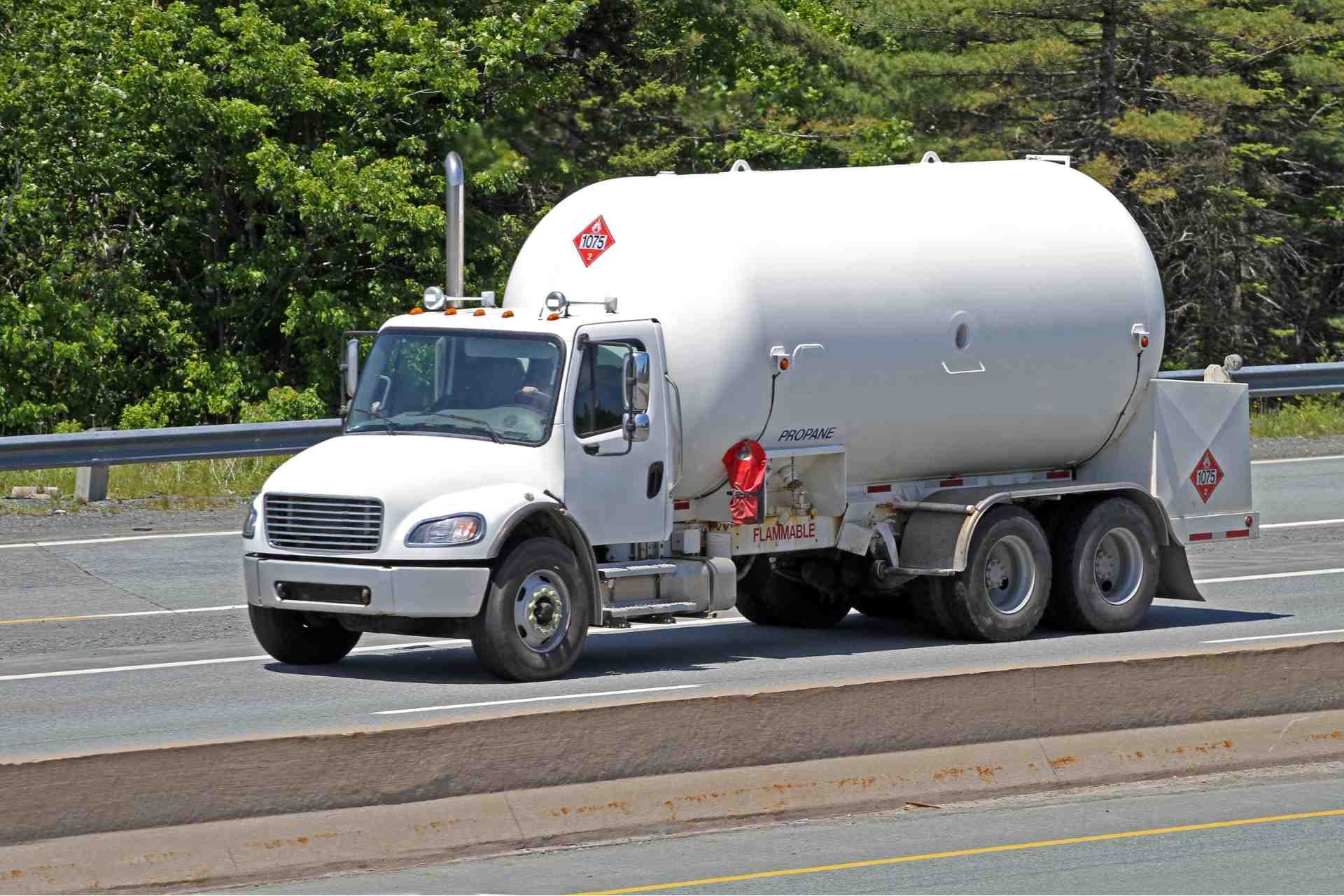
When transporting, keep cylinders upright, valve on top, and secured so they can’t tip, slide, or roll. Ventilate your vehicle; never carry tanks in a trunk or a hot car. Open windows during transport. Keep them away from heat, flames, and smoking materials. Use a valve cap or plug, and follow local limits.
At refill or exchange, shut the valve, remove ignition sources, and let trained staff handle filling. Ensure the cylinder has an OPD valve and isn’t rusted, dented, or leaking. Don’t overfill—tanks need vapor space; stop at 80%.
After filling, check connections with soapy water, keep the cylinder upright, secure it for the ride, and drive gently.
Keep Propane Appliances Professionally Serviced
While DIY upkeep has its place, schedule regular service with a licensed propane technician. A pro will inspect burners, heat exchangers, regulators, and connectors; clean soot; verify proper air-to-fuel ratios; and test igniters and safety shutoffs.
They’ll check for corrosion, loose fittings, and hidden leaks with calibrated instruments you won’t have at home. You’ll get tuned combustion, steadier heat, and lower fuel use.
Follow manufacturer service intervals for furnaces, water heaters, fireplaces, ranges, and standby generators. Ask the technician to confirm adequate ventilation, measure manifold and inlet pressures, and replace worn hoses or gaskets before they fail.
Keep service records and tag replacement dates on hoses and regulators. If an appliance shows soot, noise, or weak flame, stop using it and book service promptly.
Know Emergency Steps and Propane Regulations
Beyond routine service, you need a plan for leaks, fires, and outages—and you must follow the rules that govern propane.
If you smell gas, leave immediately, avoid switches and phones, and call 911 and your propane supplier. If it’s safe, close the tank’s service valve. For small flames, use a Class B/C extinguisher; otherwise evacuate.
Install carbon monoxide and gas detectors, test them, and refresh your family’s evacuation route. Know NFPA 58 basics, local fire codes, and permit rules for tank size, placement, and clearances.
Transport cylinders upright, ventilated, and never left in a hot car; check requalification dates. Call 811 before digging near lines.
Post emergency numbers, keep the tank accessible for responders, and document inspections. Know outage procedures for winter delivery delays.
Conclusion
You’ve got this. Follow the manual, check ventilation, and use certified hoses, regulators, and detectors. Store cylinders upright, outdoors, away from heat, and secure them for transport and refills. Before lighting grills or heaters, test for leaks, and if you smell rotten eggs, leave fast and call the pros—don’t try fixes yourself. Schedule professional service for appliances, know local rules, and keep emergency numbers handy. Stay alert, do quick inspections, and enjoy propane’s convenience safely.