How to Safely Store and Transport Small Propane Tanks for Grills & RVs
When it comes to safely storing and transporting small propane tanks for your grill or RV, understanding the essential safety measures is crucial. You need to ensure the tanks remain upright and secure, but there’s more to it than just that. Choosing the right location and knowing how to handle them can make all the difference. Let’s explore these important practices to keep you and your valuables safe.
Understanding Propane Tank Safety Basics for Grilling and RV Use
When you’re grilling or using your RV, understanding propane tank safety is crucial to prevent accidents and ensure a smooth experience.
Always check your propane tank for leaks before use; a simple soap solution can help you identify any issues. Make sure the tank's valve is tightly closed when not in use, and never store your tank indoors or in enclosed spaces, as propane is heavier than air and can accumulate.
Keep your tank upright and secured during transport to avoid damage. Maintain a safe distance from flammable materials, and never use a damaged tank.
Familiarize yourself with the emergency shut-off valve and ensure you know how to turn it off quickly if necessary. Your safety should always come first!
Why Proper Storage of Propane Tanks Is Essential for Safety
Proper storage of propane tanks is crucial, as it helps prevent potential hazards that could arise from improper handling. When you don’t store propane tanks correctly, you risk leaks, fires, or even explosions.
Tanks should always be kept upright and secured to avoid tipping over. Ensure they’re in a well-ventilated area, away from heat sources and flammable materials. It’s also essential to check for any signs of damage or rust before storage. Regular inspections can help you catch issues early.
Moreover, keeping tanks out of reach of children and pets is vital for safety. By following these guidelines, you’re not just protecting your property; you’re safeguarding your loved ones and ensuring a safe environment for grilling or RV adventures.
Choosing the Right Storage Location for Propane Tank Safety
Finding the right storage location for your propane tank can make all the difference in ensuring safety.
Choose a well-ventilated area, away from direct sunlight, heat sources, and flammable materials. Ideally, store your tank outdoors in a dry, shaded spot to prevent temperature fluctuations that could cause pressure build-up.
Make sure it’s upright and stable, using a secure base if needed. Avoid storing your tank in garages, basements, or enclosed spaces, as these can trap gas in case of leaks.
Additionally, keep it out of reach of children and pets. Regularly check the area for any signs of leaks or damage, ensuring your propane tank remains safe and secure at all times.
Best Practices for Transporting Propane Tanks in Your RV
While transporting propane tanks in your RV, safety should always be your top priority.
First, secure the tank in an upright position to prevent leaks. Use a dedicated compartment or a sturdy container to keep it stable during travel. Ensure the tank’s valve is closed tightly and consider using a protective cover to shield it from damage.
Avoid placing the tank in hot areas, like near the engine or exhaust, as extreme temperatures can be dangerous. Keep the tank away from living spaces and open windows.
Finally, always check for leaks before and after your trip. Following these best practices will help you transport propane tanks safely and confidently in your RV.
What Safety Gear Should You Use for Handling Propane Tanks?
Handling propane tanks requires the right safety gear to protect yourself from potential hazards.
Start with safety goggles to shield your eyes from any leaks or flying debris. Heavy-duty gloves are essential; they’ll protect your hands from cold temperatures and sharp edges. A sturdy pair of closed-toe shoes with non-slip soles provides good footing and safeguards your feet.
Wearing long sleeves and pants can minimize skin exposure to any accidental leaks or splashes. If you’re working in a confined space, consider using a respirator to avoid inhaling any harmful fumes.
Finally, keep a fire extinguisher nearby, just in case. With the right gear, you can handle propane tanks safely and confidently, reducing risks while you work.
How to Effectively Inspect Your Propane Tanks Before Use
Before you use your propane tanks, it’s crucial to inspect them thoroughly to ensure safety and functionality.
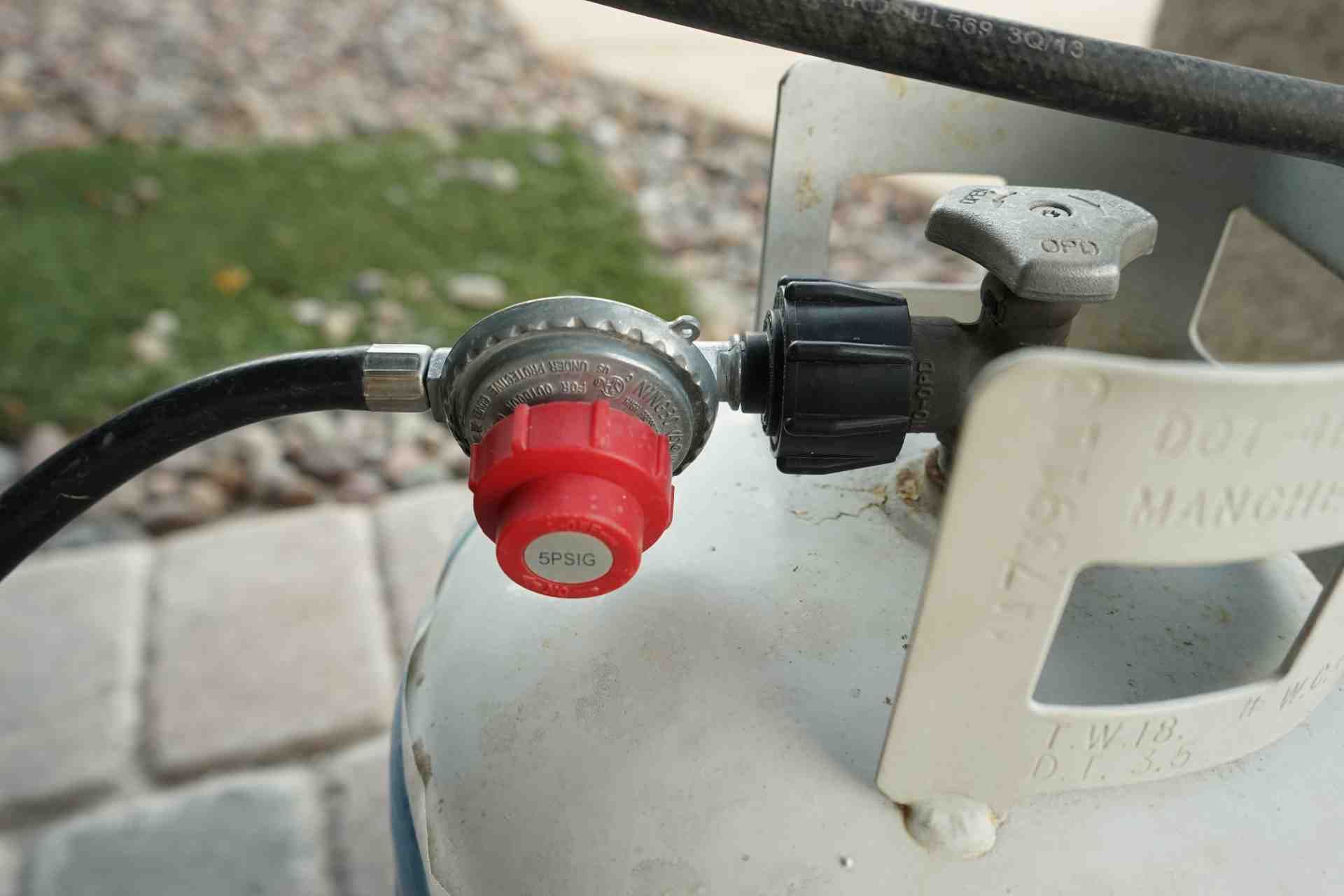
Start by checking the exterior for any dents, rust, or corrosion, which could compromise the tank’s integrity. Pay close attention to the valve and regulator; they should be free of dirt and damage.
Next, inspect the connections and hoses for any signs of wear or cracking. If you notice any issues, don’t use the tank.
Also, ensure the tank is properly filled and the gauge is functioning correctly.
Finally, smell for any unusual odors around the tank, as this could indicate a leak. Taking these steps will help you to safely enjoy your grilling or RV adventures without worry.
Tips for Preventing Propane Leaks and Accidents
To keep your propane tanks safe and prevent leaks, always follow proper storage and usage guidelines.
Store your tanks in a cool, well-ventilated area, away from direct sunlight and heat sources. Make sure the valve is closed tightly when not in use, and regularly inspect for dents, rust, or any signs of wear.
Use soapy water to check for leaks; if bubbles form, you’ve got a problem. Avoid overfilling your tanks and ensure they’re securely attached to your grill or RV.
When transporting, keep tanks upright and secured to prevent tipping. Lastly, educate yourself on the correct handling procedures and always prioritize safety.
This proactive approach helps ensure a safe experience with your propane tanks.
What to Do in Case of a Propane Leak or Emergency?
If you ever suspect a propane leak, it’s crucial to act quickly and calmly.
First, turn off the propane supply if it’s safe to do so. Avoid using any electrical devices, flames, or spark-producing tools, as these can ignite the gas.
Open windows and doors to ventilate the area. Evacuate everyone from the vicinity, keeping a safe distance from the leak.
Once you’re at a safe distance, call your local emergency services or your propane provider to report the leak.
Don't re-enter the area until professionals give the all-clear.
How to Safely Refill and Exchange Your Propane Tanks for Camping
After handling a propane leak, ensuring your small propane tanks are safely refilled or exchanged is the next important step for your camping adventures.
First, check that your tank is in good condition, with no visible damage or rust. Look for authorized refill or exchange locations nearby—many gas stations and outdoor supply stores offer these services.
When refilling, ensure the technician follows safety protocols, like using proper protective equipment and checking the tank’s pressure. If exchanging, confirm the new tank is full and in good shape.
Always keep your tank upright during transport and secure it to prevent movement.
Finally, make sure you know how to connect and disconnect your tanks safely at the campsite.
What Are the Legal Guidelines for Storing and Transporting Propane Tanks?
While understanding the legal guidelines for storing and transporting propane tanks might seem daunting, it’s crucial for ensuring safety and compliance.
First, always store tanks upright and in a well-ventilated area, away from heat sources and direct sunlight. Check local regulations, as they can vary by state or municipality.
When transporting, secure the tank to prevent movement and ensure it’s placed in a well-ventilated space in your vehicle, preferably in the trunk or truck bed. Never keep tanks in the passenger compartment.
Additionally, avoid transporting tanks in a closed vehicle for long distances. Familiarize yourself with the proper labeling and restrictions on tank sizes to stay compliant with regulations.
Following these guidelines keeps you and others safe.
Conclusion
In conclusion, safely storing and transporting small propane tanks is crucial for your safety and those around you. Always keep the tanks upright, secured, and in a well-ventilated area. When it’s time to transport, use a sturdy container and check for leaks regularly. By following these guidelines, you can enjoy your grilling and RV adventures without worry. Stay informed and proactive, and you'll ensure a safe experience with propane.