Propane for Backup Power: Choosing the Right Generator for Your Needs
When it comes to backup power, choosing the right propane generator is crucial. You need to consider your specific power needs, the generator's portability, and its efficiency. With so many options available, it can feel overwhelming. Understanding how propane generators work and the essential features to look for can simplify your decision. Let's explore what you need to know to make an informed choice for your situation.
How Propane Generators Work
When you need reliable power, understanding how propane generators work can make all the difference. These generators convert propane gas into electrical energy through combustion.
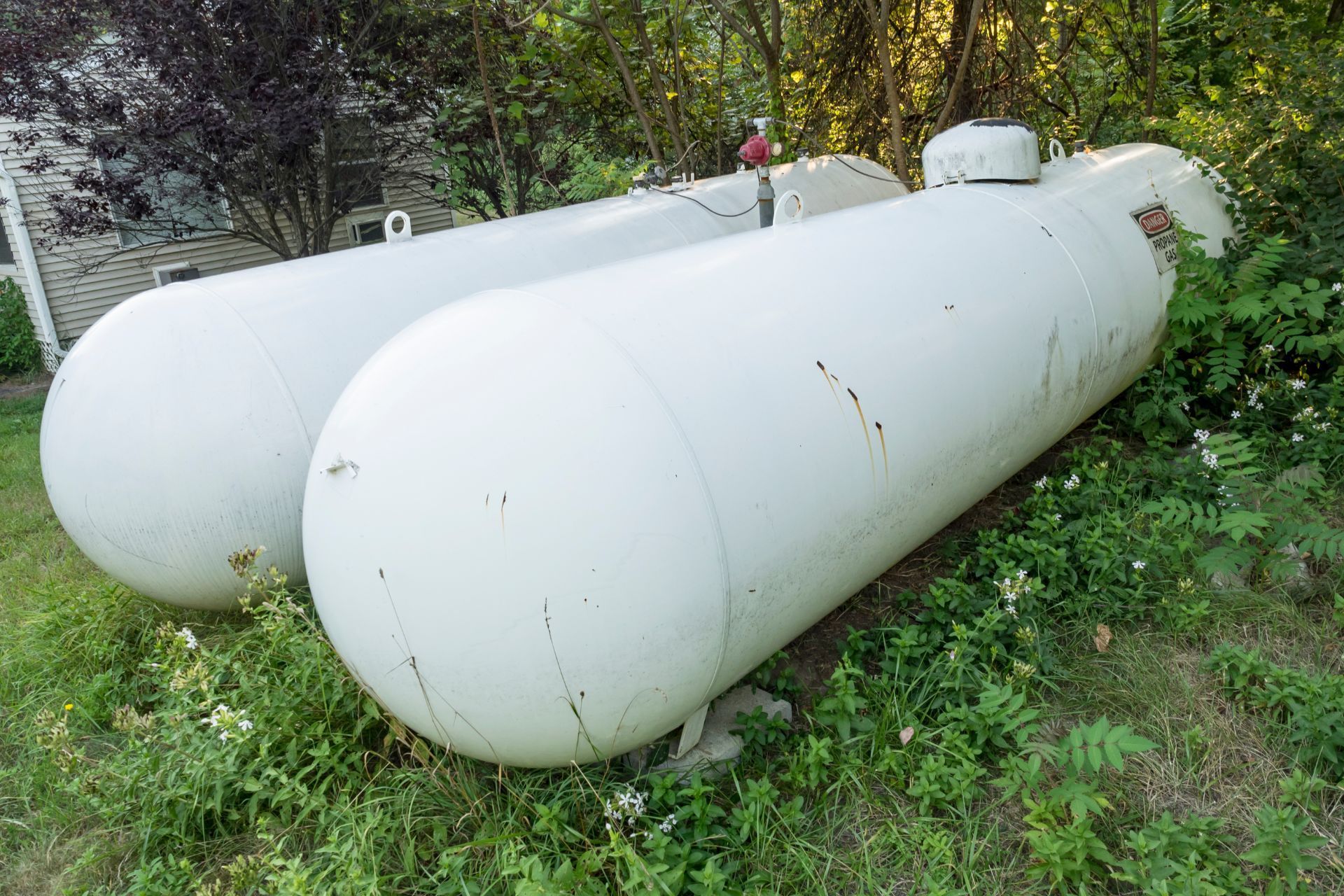
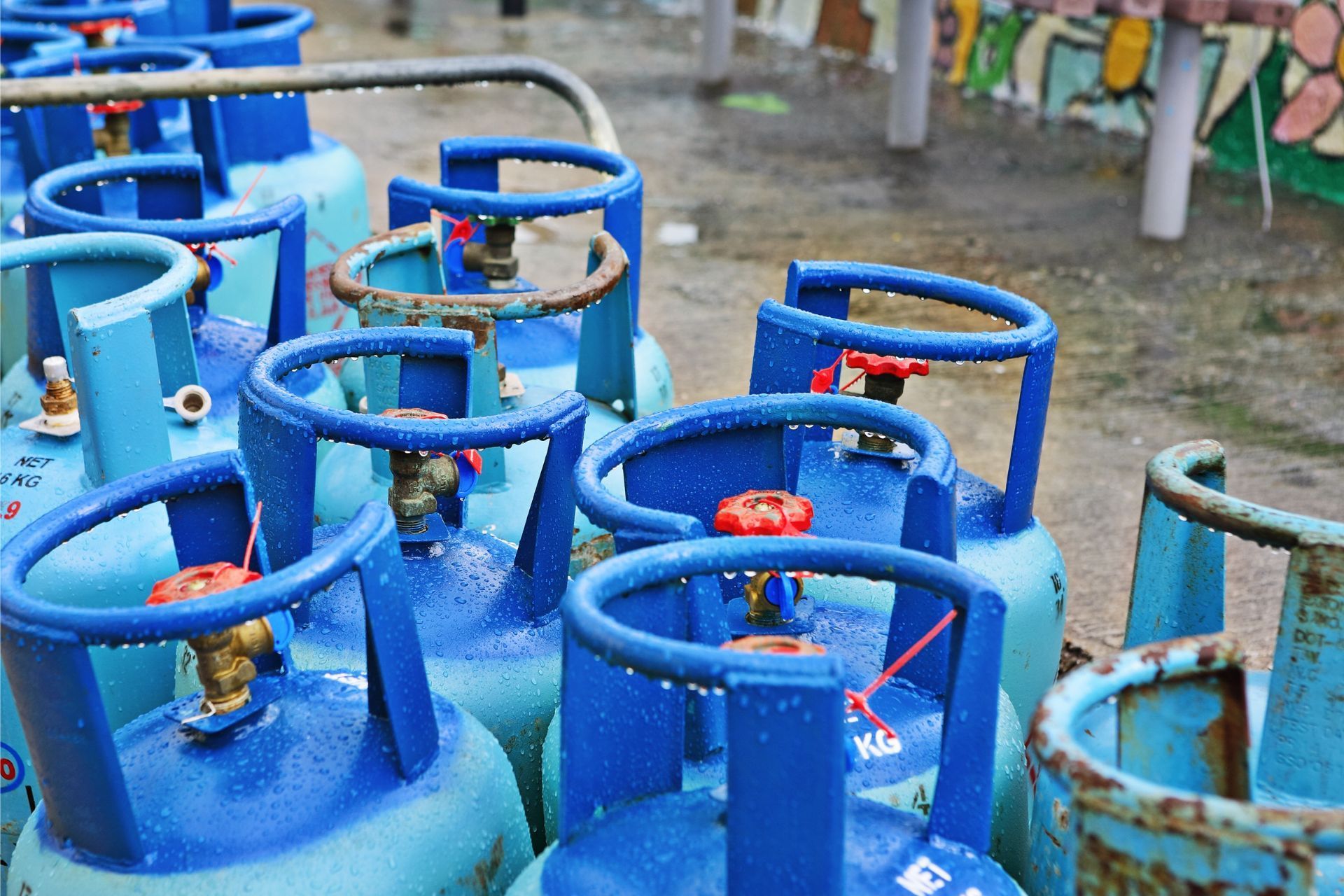
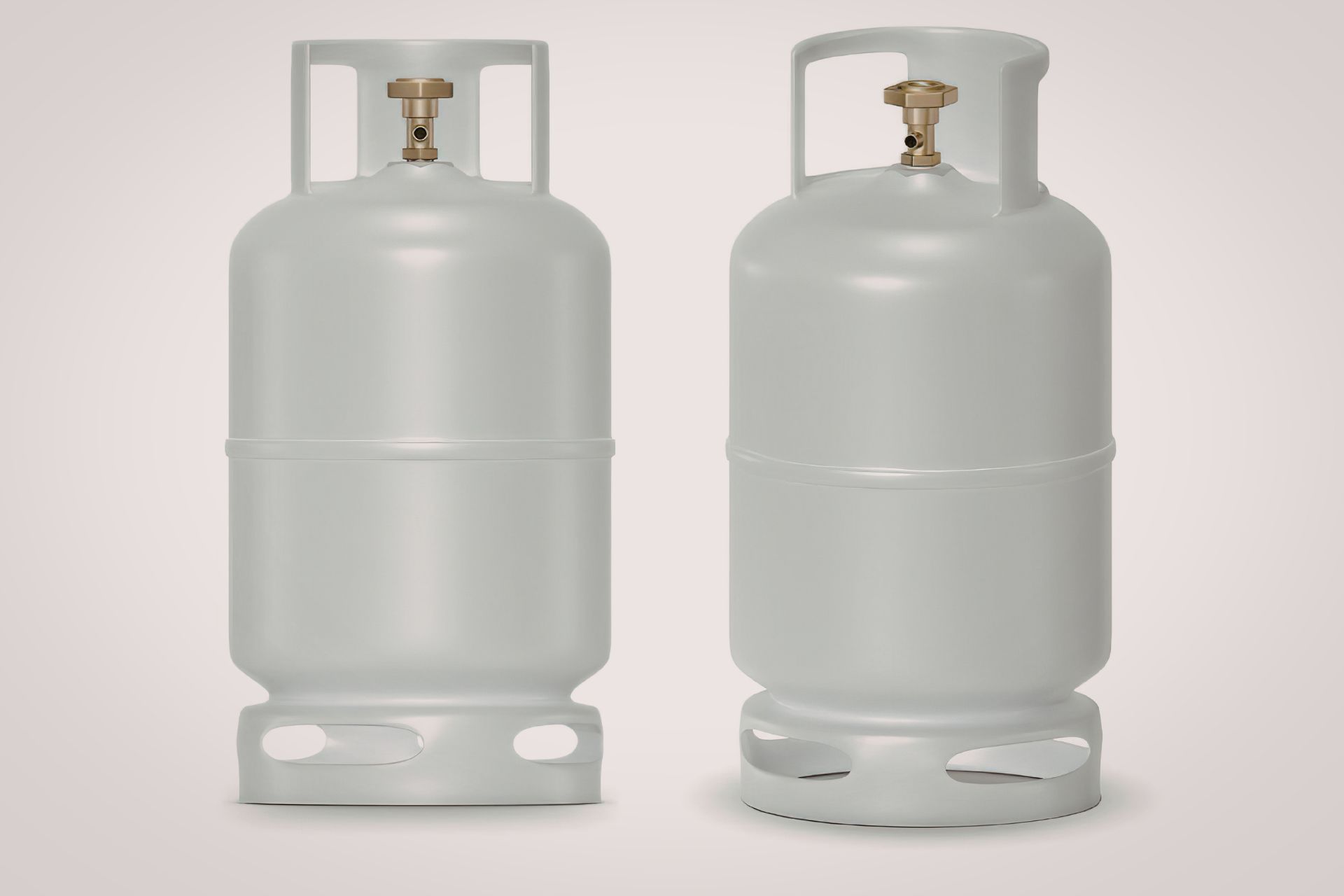
You’ll find that propane burns efficiently, producing fewer emissions than gasoline, which is a plus for the environment. A propane tank supplies fuel to the generator, and as the engine runs, it powers an alternator that converts mechanical energy into electricity.
You’ll appreciate the simplicity of starting a propane generator; just turn the key or push a button. Additionally, propane has a longer shelf life than gasoline, meaning you can store it for emergencies without worrying about it going bad.
This reliability makes propane generators a smart choice for backup power needs.
Essential Features of Propane Generators You Should Know
Understanding how propane generators work sets the stage for recognizing the features that make them reliable power sources.
One essential feature is portability; many propane generators come with wheels, making it easy for you to transport them wherever needed.
Look for models with electric start options, as this eliminates the hassle of pull-starting. Noise levels are also crucial; quieter generators ensure you won’t disturb your neighbors during an outage.
Additionally, consider the fuel efficiency of the generator, as a more efficient model will run longer on less propane.
Lastly, check for safety features like automatic shut-off and low-oil shutdown to protect both the generator and your home. These features can significantly enhance your overall experience.
How Do You Determine the Right Power Output?
How can you determine the right power output for your needs? Start by listing the essential appliances and devices you want to power during an outage.
Check the wattage requirements for each item, including starting and running watts. The starting wattage is usually higher, so make sure to account for that. Add up the total wattage to find your baseline requirement.
Consider future needs as well, like additional appliances or an expansion of your power needs.
It’s wise to choose a generator with a bit more output than your calculated total, generally around 20% more, to ensure you have enough power for unexpected demands. This way, you’ll feel confident that your generator can handle everything you need during an emergency.
Portable vs. Standby Propane Generators: Which Is Best?
Which type of propane generator is right for you: portable or standby?
Portable generators offer flexibility. You can easily move them where you need power, whether for camping, tailgating, or emergency home backup. They're typically less expensive and require minimal installation. However, they usually provide lower power output and may need refueling during extended outages.
On the other hand, standby generators automatically kick in during power outages, providing seamless backup power for your entire home. They’re permanently installed and wired into your electrical system, offering convenience but at a higher cost.
Consider your power needs and whether you prioritize mobility or a hassle-free solution. Ultimately, your choice depends on your lifestyle and how you plan to use the generator.
Essential Maintenance Tips for Your Propane Generator
Once you've chosen the right propane generator for your needs, keeping it in top shape is key to ensuring reliable performance.
Start with regular checks of the oil and coolant levels, and make sure to replace the oil per the manufacturer's recommendations.
Inspect the air filter and clean or replace it as needed to maintain optimal airflow.
Don’t forget to check the spark plugs for wear and replace them if necessary.
Run your generator every month for about 30 minutes to keep the engine fresh, and store it in a dry, protected area.
Finally, always refer to your owner's manual for specific maintenance guidelines, as proper care will extend your generator's life and efficiency.
Conclusion
In conclusion, choosing the right propane generator for backup power involves understanding how they work, identifying essential features, and determining your power needs. Whether you opt for a portable or standby model, prioritize safety and maintenance to ensure reliability during outages. By considering your specific requirements and preferences, you can select a generator that not only meets your needs but also provides peace of mind when the lights go out. Stay prepared and power up with confidence!