Propane Delivery Scheduling Tips
When it comes to propane delivery scheduling, understanding your usage patterns is crucial. You’ll want to assess how much fuel you typically consume, especially during colder months. It’s also important to consider your lifestyle and any special events that might increase your demand. But how do you balance all these factors to ensure you never run low? Let's explore some essential tips to optimize your propane delivery schedule effectively.
How to Monitor Weather and Fuel Levels for Propane Delivery?
How can you stay ahead of propane delivery needs? Start by keeping an eye on the weather. Cold spells can significantly increase your propane usage, so check forecasts regularly and prepare accordingly. You don’t want to run low when temperatures drop unexpectedly.
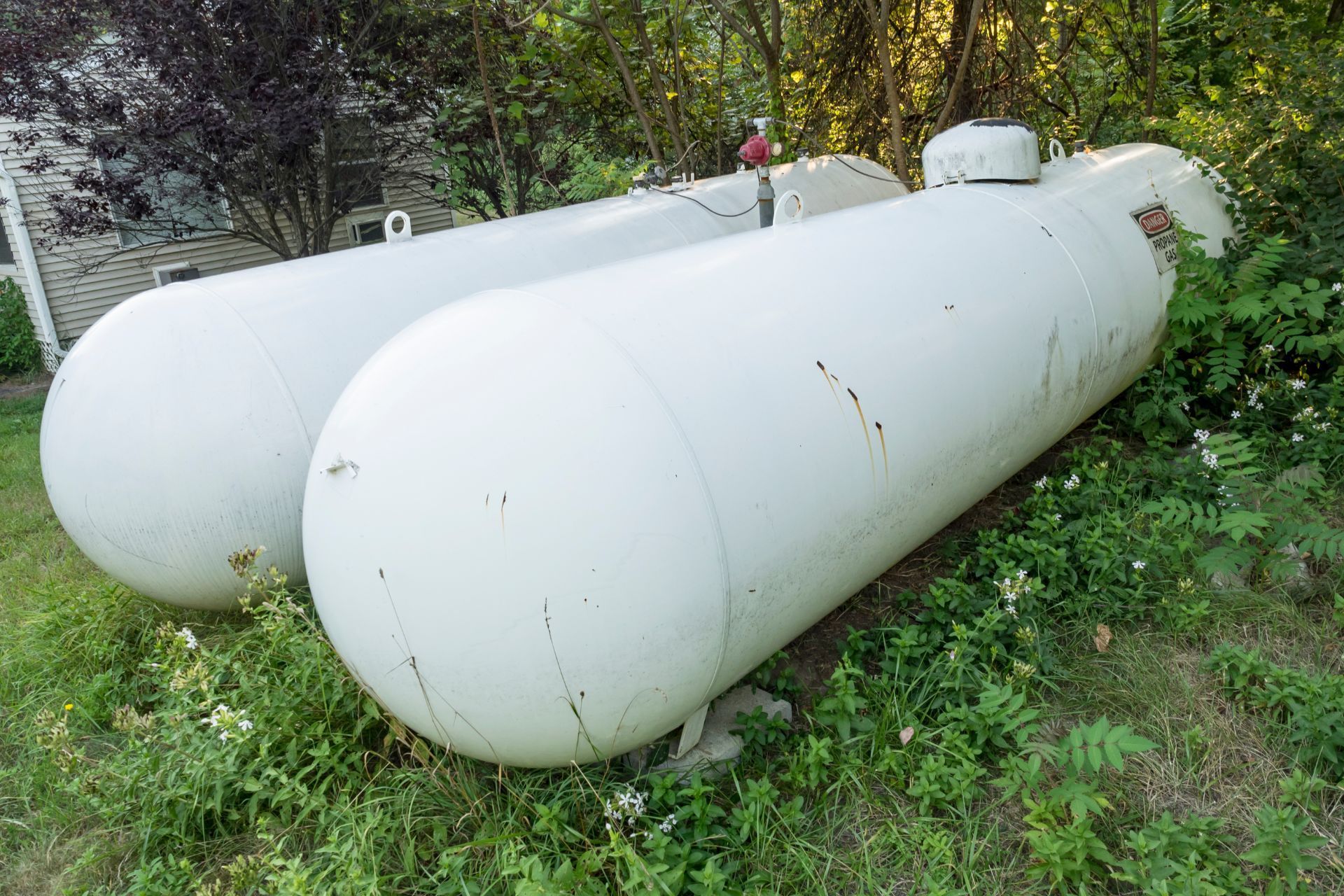
Next, monitor your fuel levels consistently. Invest in a smart propane monitor if possible; it’ll alert you when levels are low, ensuring you never run out. If you’re using a traditional gauge, check it weekly.
Set reminders to assess your tank, especially before significant weather changes. By staying proactive about both weather conditions and fuel levels, you’ll ensure timely deliveries and maintain a warm, comfortable home all winter long.
Analyzing Your Propane Usage Patterns for Better Scheduling
What factors influence your propane usage the most? Start by considering your home size, insulation quality, and the number of appliances relying on propane.
If you have a large family or host gatherings frequently, your consumption will naturally rise. Next, think about the season; cold winters demand more heating, while mild weather might lower your usage.
Don’t forget about your daily habits—cooking, laundry, and hot water usage can all add up. By tracking these patterns over time, you'll gain insights into your consumption levels, allowing you to better predict when you'll need a refill.
Understanding these dynamics helps you plan your propane delivery around your actual needs, avoiding unnecessary costs and ensuring comfort.
How to Choose the Best Propane Delivery Schedule for Your Needs?
Understanding your propane usage patterns sets the foundation for selecting the best delivery schedule. Start by assessing how much propane you use during different seasons.
If you use more in winter for heating, consider a more frequent delivery during those months. For lighter usage in warmer months, a less frequent schedule might work best.
Next, think about your lifestyle. If you travel often or have a busy routine, you might prefer a set schedule that requires minimal monitoring.
On the other hand, if you’re home more, you can opt for a flexible delivery option that adapts to your needs.
Finally, don’t forget to check with your supplier; they can provide insights based on their experience with similar customers.
Effective Communication With Your Propane Supplier
Isn't it crucial to keep the lines of communication open with your propane supplier? Regularly discussing your propane needs ensures you receive timely deliveries and avoid running low.
Don’t hesitate to share any changes in your usage patterns, such as increased heating or cooking needs. If you're planning a special event or project, give your supplier a heads-up.
Always be clear about your preferences regarding delivery schedules and payment options. This transparency helps your supplier serve you better.
Additionally, ask questions about their services, policies, or any concerns you might have. Establishing a good rapport can lead to better service and more personalized attention.
Preparing for Seasonal Changes and Emergency Propane Needs
As the seasons change, it's essential to prepare for fluctuations in your propane needs, especially during winter months when demand typically spikes.
Start by assessing your current propane levels and usage patterns. If you notice an increase in consumption, consider scheduling a delivery ahead of time to avoid running out.
Keep an emergency supply on hand; a good rule of thumb is to have at least a 30% reserve.
Monitor weather forecasts to anticipate cold spells that may require extra heating.
Communicate openly with your propane supplier about your needs, and don’t hesitate to reach out for help during unexpected situations.
Being proactive can save you from the stress of running low during the busiest times of the year.
Conclusion
By monitoring weather patterns and tracking your propane usage, you can schedule deliveries that fit your needs perfectly. Choosing the right frequency ensures you won't run low during peak demand times. Remember to communicate any changes in usage with your supplier to keep everything running smoothly. With these tips, you can confidently prepare for seasonal changes and any unexpected needs, ensuring you always have the propane you need to stay comfortable year-round.