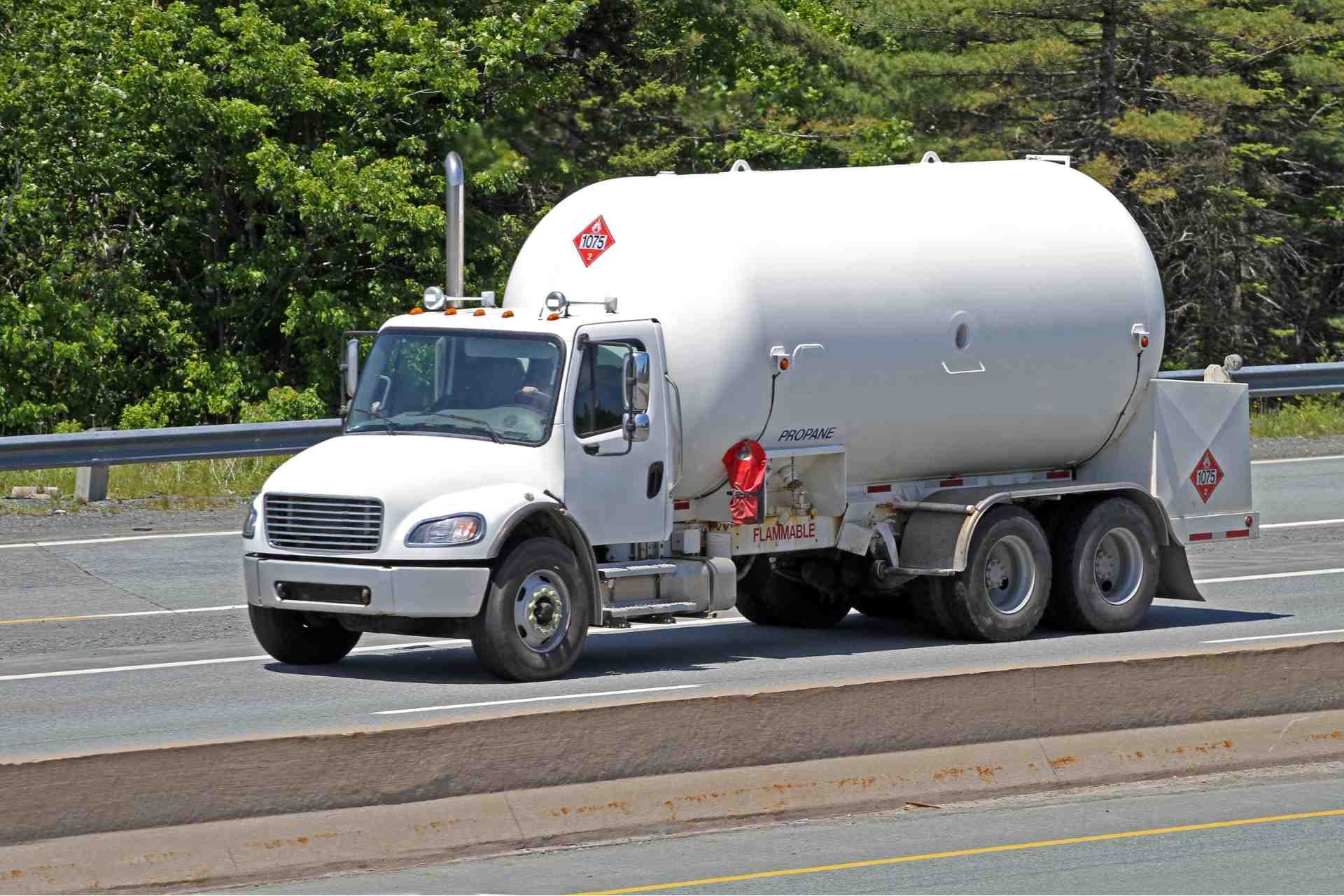
Propane Tank Maintenance Checklist
Maintaining your propane tank is crucial for safety and efficiency. Regular inspections can prevent potential hazards and ensure smooth operation. By knowing what to look for, you can avoid issues before they become serious. Let's discuss the essential steps to keep your propane tank in top shape and what to do if something goes wrong. Understanding these maintenance practices will give you peace of mind and confidence in your propane usage.
Understanding Your Propane Tank: Types and Uses
When it comes to propane tanks, understanding the different types and their uses is crucial for safe and efficient operation.
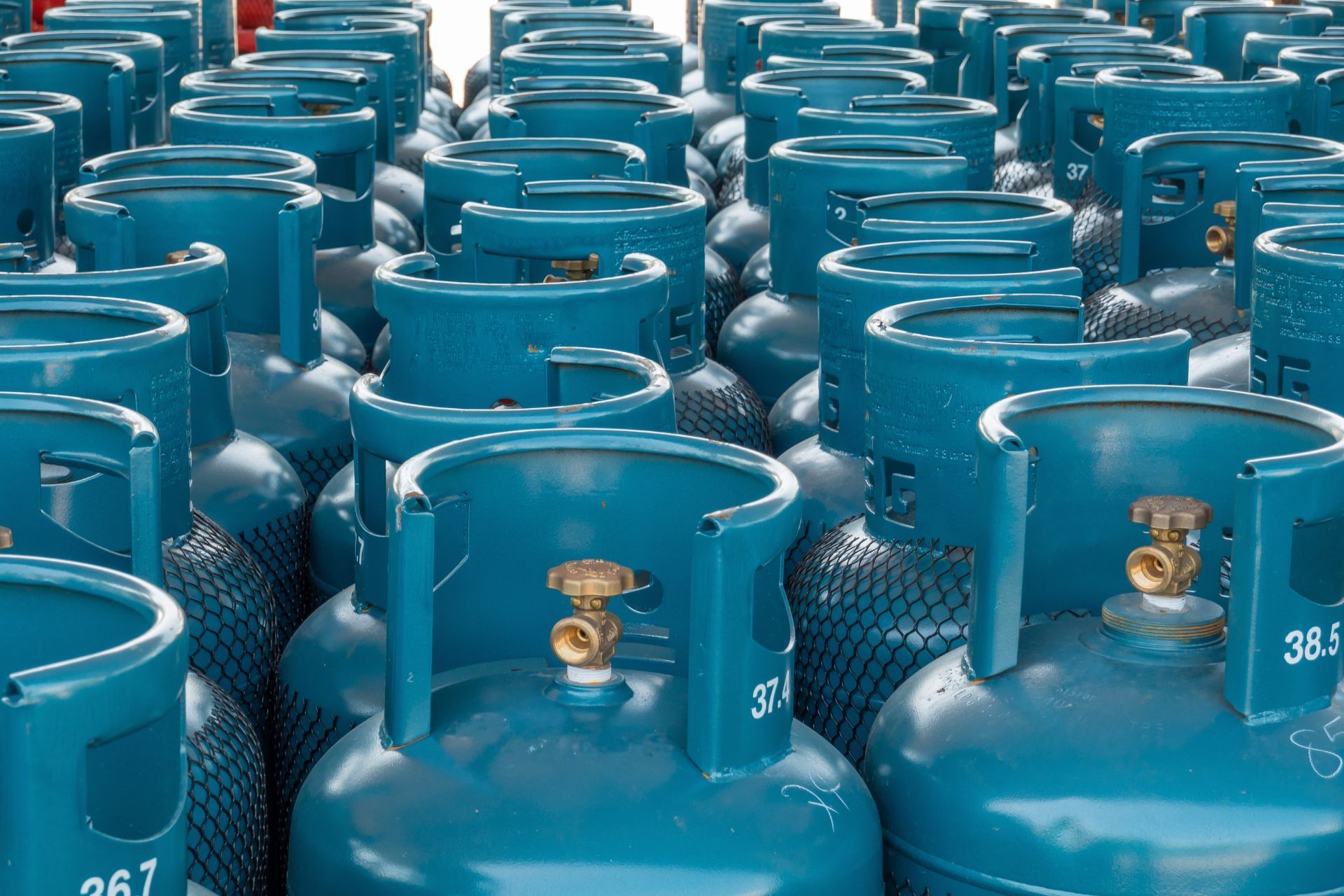
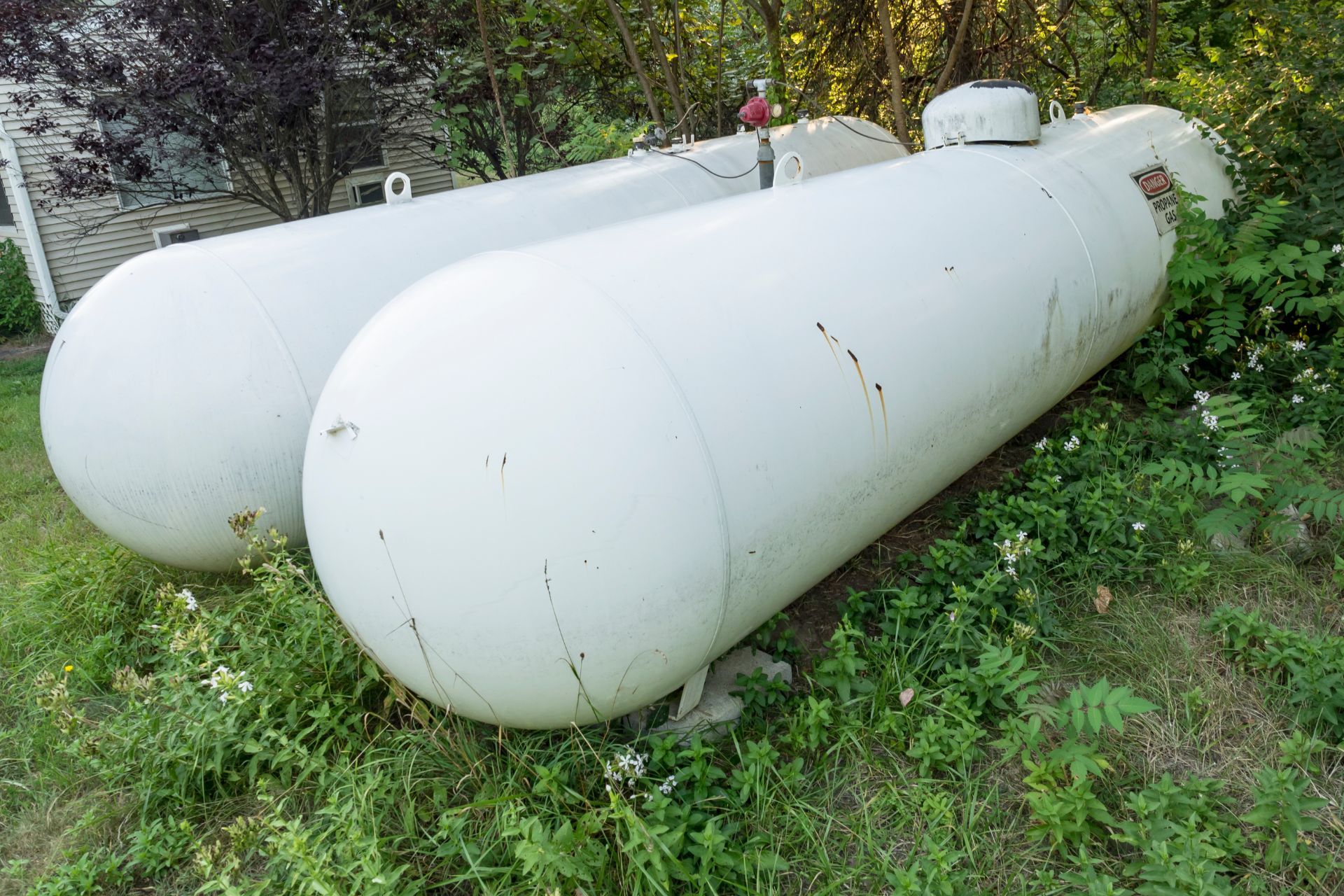
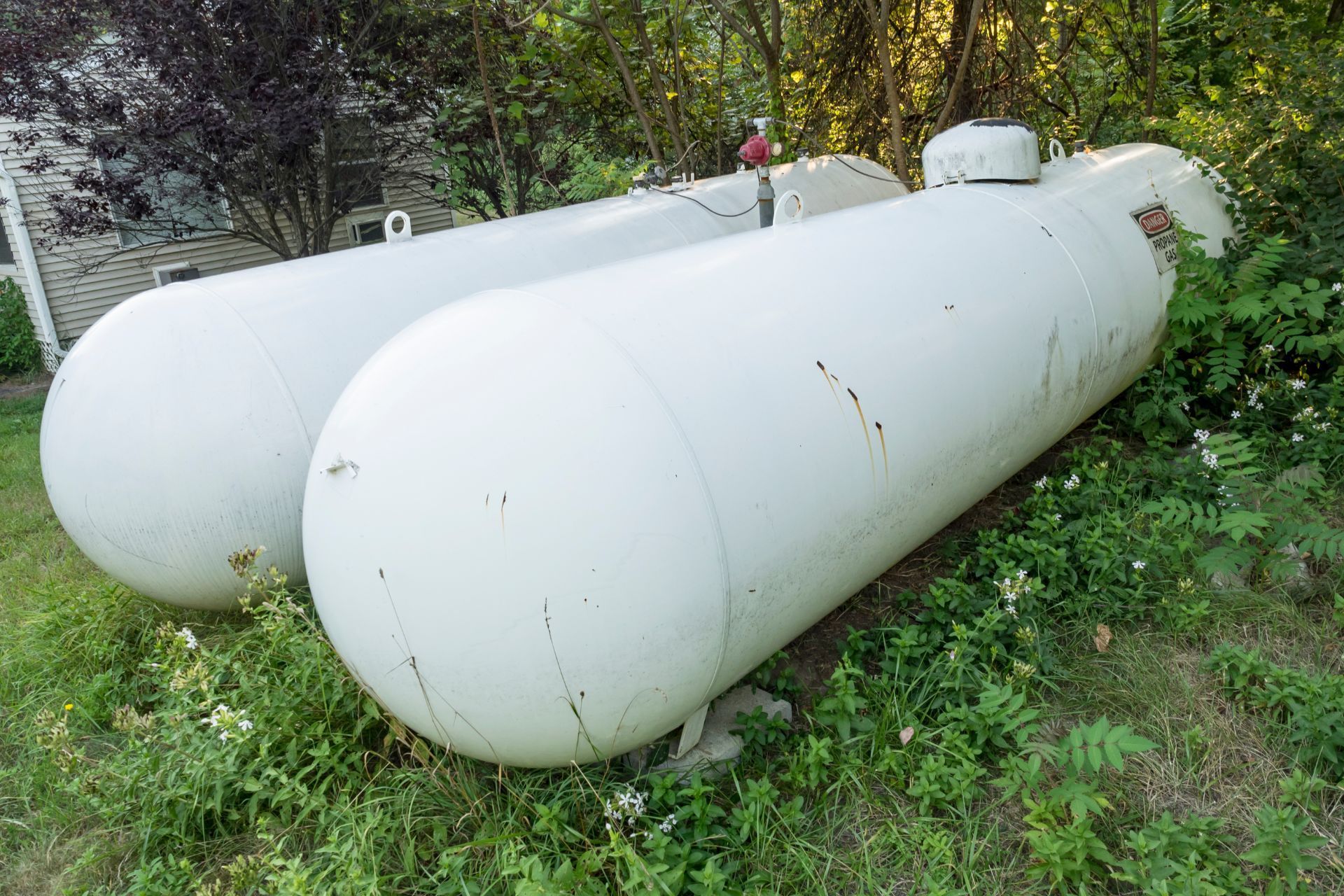
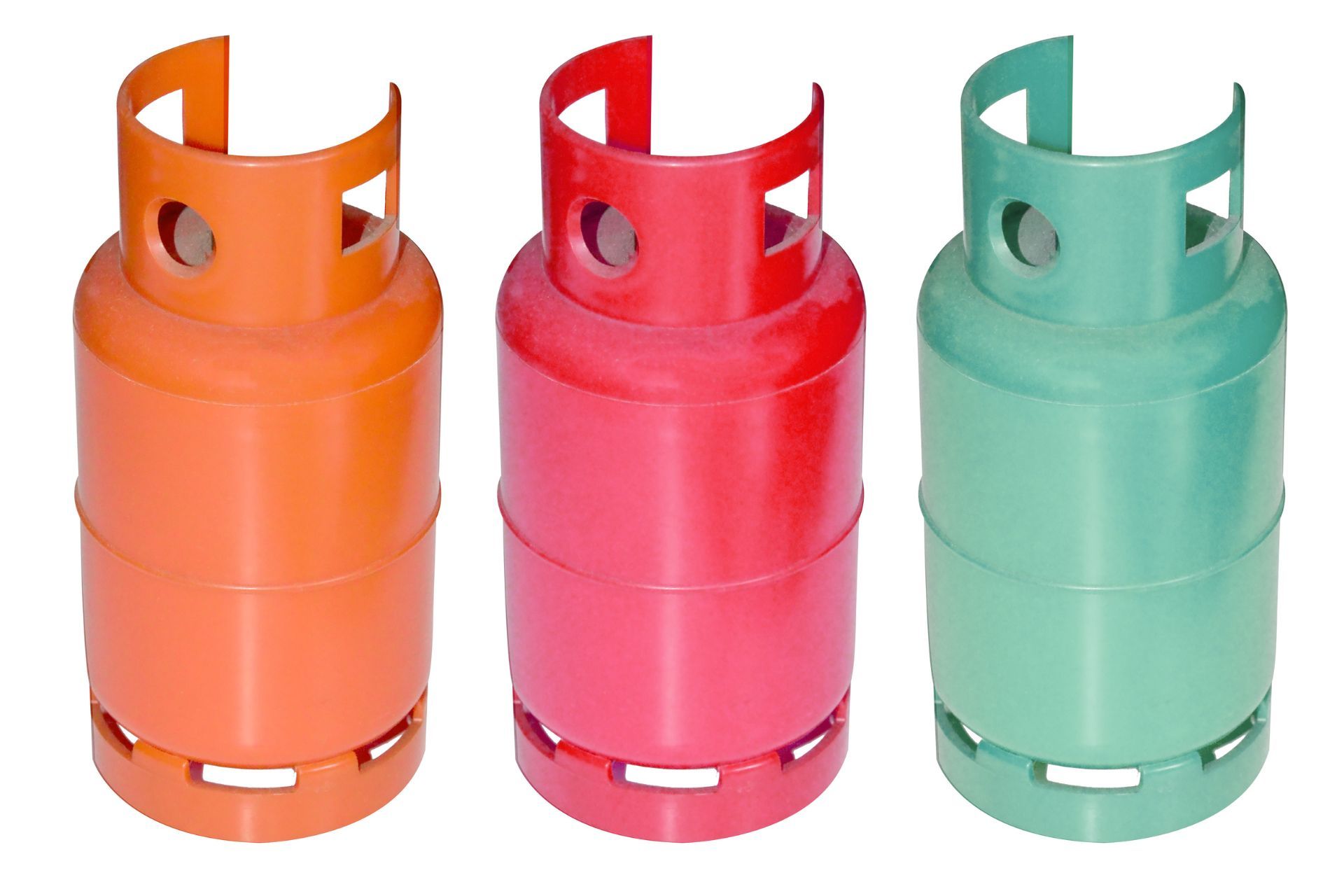
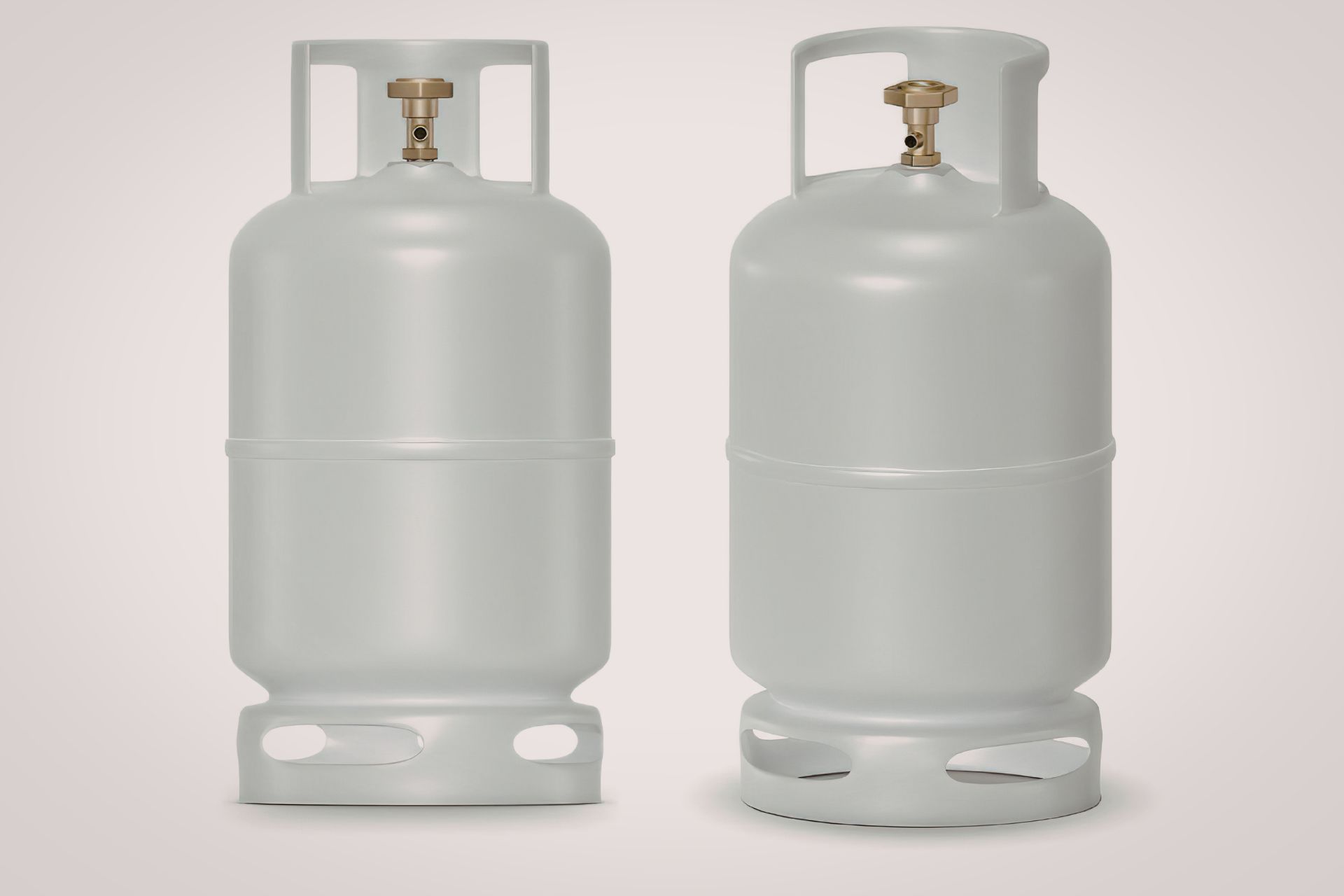
You'll primarily encounter two types: the 20-pound tank, often used for grills, and the larger 100-pound tank, suitable for heating or powering appliances. Each tank has specific applications, so knowing which one fits your needs can save you time and hassle.
Additionally, portable tanks are great for camping or outdoor events, while permanent tanks serve residential or commercial purposes.
Make sure to familiarize yourself with the tank's capacity and compatibility with your appliances. This knowledge not only ensures optimal performance but also enhances safety when handling and transporting propane tanks.
Always choose the right type for your intended use.
Inspect Your Propane Tank for Damage
Before using your propane tank, it’s essential to inspect it for any signs of damage. Start by looking for visible dents or rust, which can indicate potential leaks.
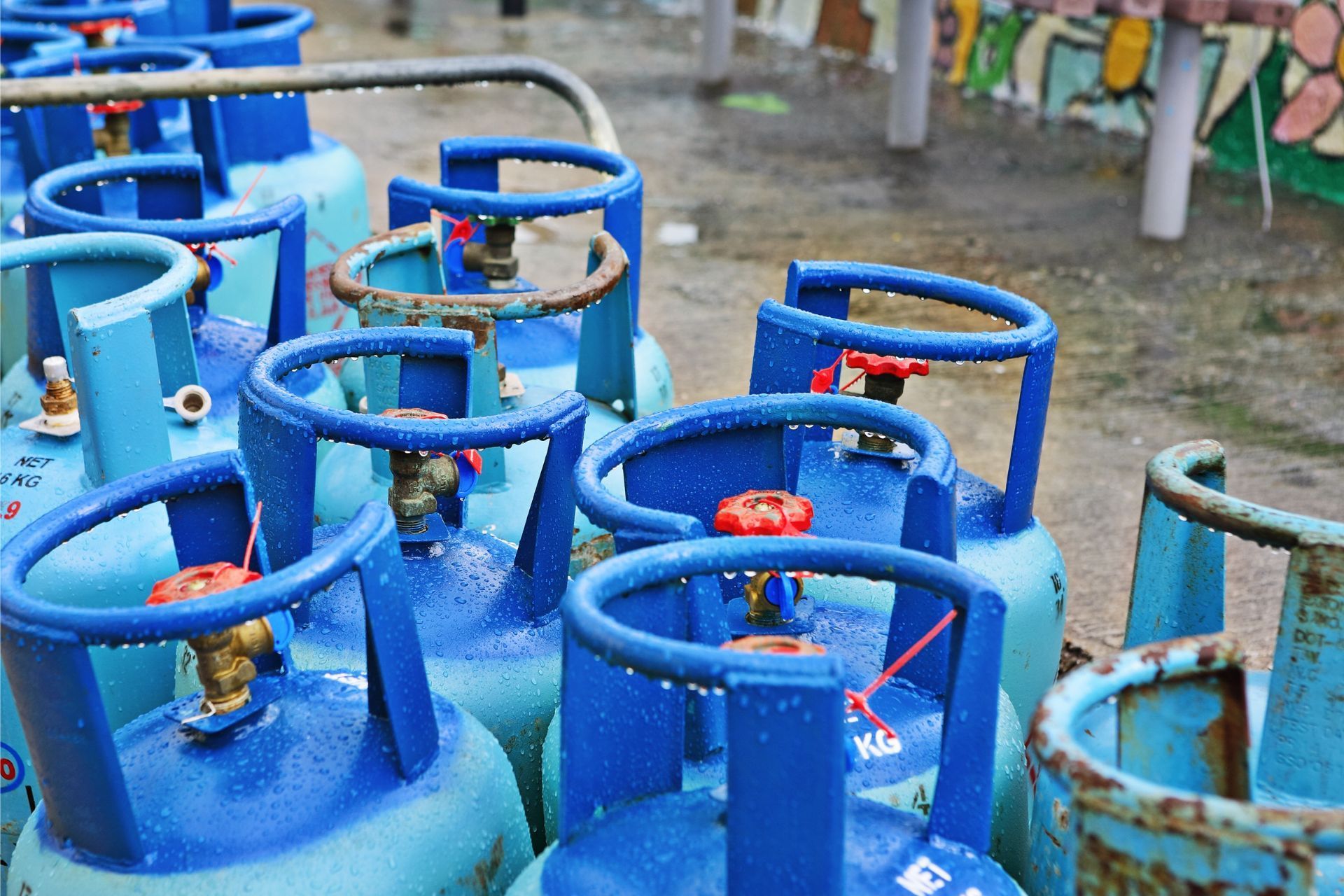
Check the valves and connections for any cracks or corrosion; even small issues can lead to serious problems. Pay attention to the tank's surface – if you notice bubbling or peeling paint, it might signal underlying damage.
Also, ensure the tank is upright and stable, as a tipped-over tank can be hazardous. If you spot any significant damage, don’t hesitate to contact a professional for a thorough inspection or replacement.
Regular checks can help maintain your tank's safety and efficiency, ensuring peace of mind when using propane.
Monthly Maintenance Tasks to Keep Your Propane Tank Safe
To ensure your propane tank remains safe and efficient, it's crucial to perform monthly maintenance tasks.
Start by checking for leaks. Use a soap and water solution on fittings and connections; if you see bubbles, you’ve got a leak that needs immediate attention.
Next, inspect the tank and surrounding area for debris or obstructions that could pose safety hazards.
Ensure the pressure relief valve operates smoothly by testing it—never tamper with it if you’re unsure.
Additionally, look over the tank for any signs of rust or corrosion.
Finally, keep records of your inspections to track any changes over time.
How to Prepare Your Propane Tank for Winter and Summer
Maintaining your propane tank goes beyond monthly checks, especially as the seasons change. To prepare for winter, ensure your tank’s valves and fittings are sealed and insulated against freezing temperatures. You might consider adding a protective cover to shield it from snow and ice accumulation.
Check the pressure, as it can drop in colder weather.
For summer, keep your tank in a shaded area to avoid overheating. Inspect the tank for any rust or corrosion that could worsen in heat. Ensure the area around the tank is clear of debris to prevent fires.
Regularly check for signs of wear, and consider scheduling a professional inspection before each season. These steps help keep your propane tank safe and efficient year-round.
How to Spot Leaks and Keep Your Propane Tank Safe
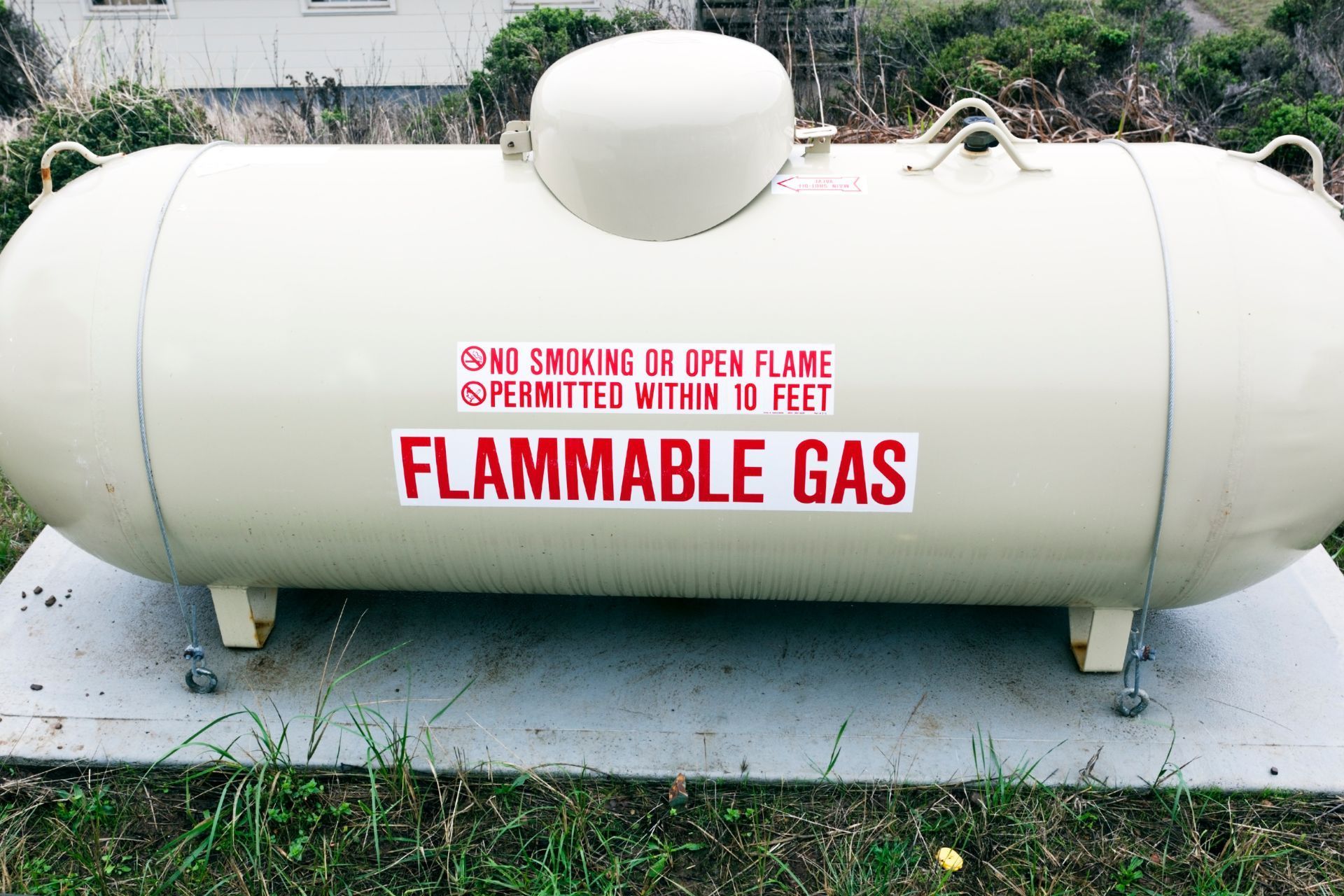
Since propane is highly flammable, knowing how to spot leaks is crucial for keeping your tank safe.
Start by inspecting the tank and connections regularly for any signs of wear, rust, or damage. Use your sense of smell—propane has a distinct odor like rotten eggs. If you detect this smell, it’s a clear sign of a leak.
You can also apply a soap and water solution to joints and fittings; if you see bubbles forming, there’s a leak. Always ensure proper ventilation in the area to disperse any gas.
If you suspect a leak, turn off the tank, evacuate the area, and contact a professional for assistance. Staying vigilant helps ensure your propane system remains secure and functional.
Best Practices for Refilling Your Propane Tank
When you're ready to refill your propane tank, it's essential to follow some best practices to ensure safety and efficiency.
First, check your tank for any signs of damage or rust before heading to the refill station. Always wear protective gloves and goggles during the process.
When you arrive, make sure the tank is upright and secure. Inform the attendant if your tank is empty or near empty, as this may affect the refilling process.
Avoid overfilling by ensuring the fill valve shuts off properly. After refilling, inspect the connections for leaks before reattaching the tank to your appliances.
Finally, store your tank in a cool, ventilated area away from direct sunlight. Following these steps keeps you safe and prolongs your tank's life.
What to Do If You Detect a Leak in Your Propane Tank?
After refilling your propane tank, it’s important to be vigilant for any signs of a leak. If you suspect a leak, act quickly.
First, turn off the propane supply immediately to prevent further gas escape. Don’t use any electrical devices or flames in the area—this could ignite the gas.
Next, leave the area and ensure everyone is at a safe distance. Contact your propane supplier or a licensed technician to inspect the tank and repair any issues.
If you smell gas and can’t locate the source, evacuate the vicinity and call emergency services.
Conclusion
By following this propane tank maintenance checklist, you'll ensure your tank remains safe and efficient for use. Regular inspections, monthly leak tests, and seasonal preparations are key to preventing issues and optimizing performance. Keeping detailed records of your maintenance activities can help you track any changes over time. Remember, a well-maintained propane tank not only enhances safety but also extends the life of your equipment. So, stay proactive and enjoy peace of mind with your propane system!