Summer Safety Tips For Propane
As summer heats up, it's crucial to prioritize propane safety to avoid potential hazards. You need to be aware of how to store and handle propane properly, especially during outdoor gatherings. Understanding the basics can make a significant difference in ensuring a safe experience. Let’s explore essential guidelines and tips that can help you navigate propane use this season without any worries.
How to Safely Use Propane This Summer
How can you ensure a safe summer while using propane?
First, always store your propane tanks in a cool, dry place, away from direct sunlight and heat sources.
Regularly check for leaks by applying soapy water to connections; bubbles indicate a problem.
When grilling, keep your propane tank upright and secure to prevent accidents.
Ensure proper ventilation while using propane appliances indoors to avoid carbon monoxide buildup.
If you're refilling your tank, do it outdoors and away from flammable materials.
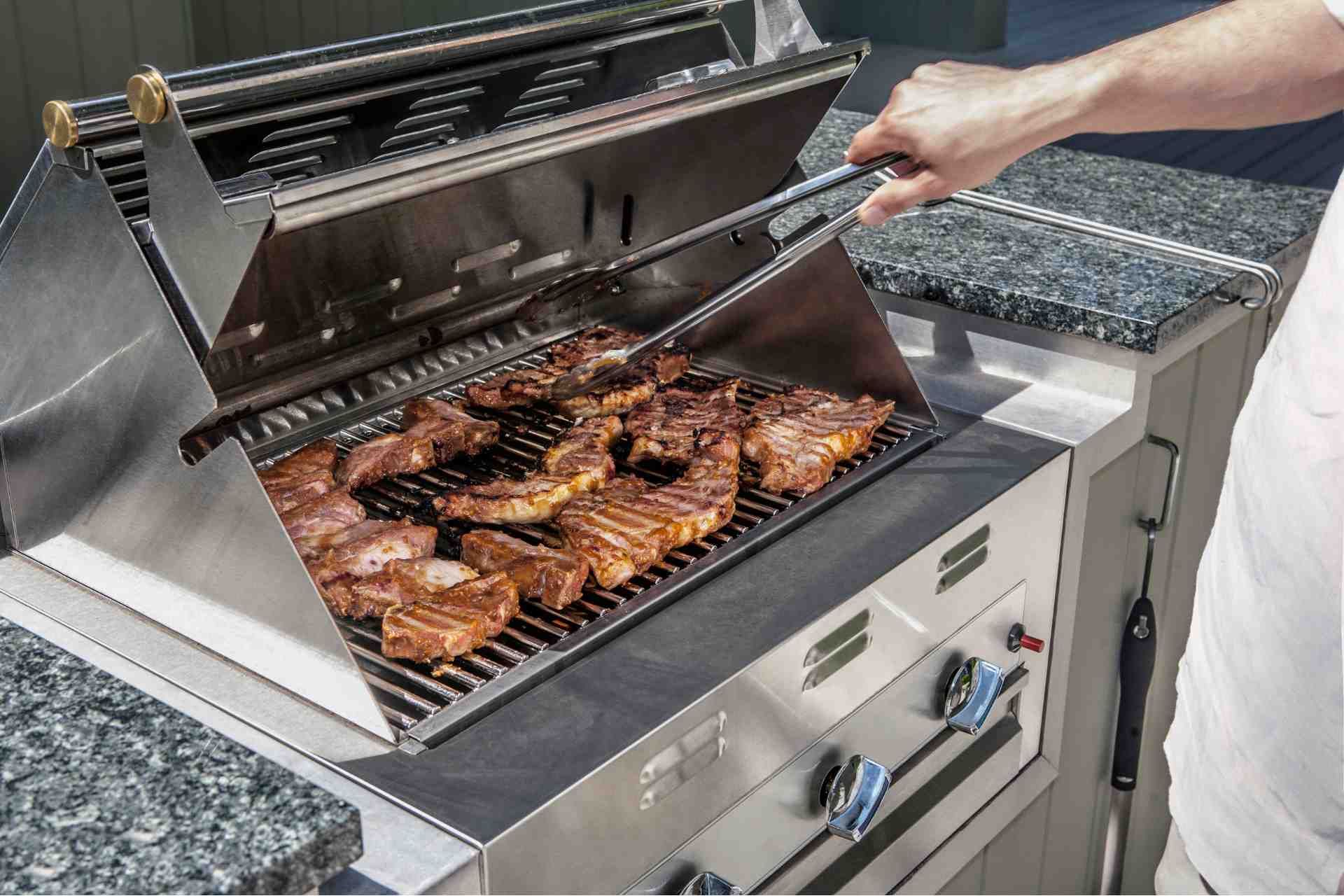
Be cautious with your grill—never leave it unattended while lit.
Lastly, familiarize yourself with the smell of propane; it’s often described as rotten eggs.
This awareness can help you respond quickly if there's a leak.
Stay safe and enjoy your summer!
Key Propane Safety Guidelines
When using propane, keeping safety at the forefront is essential for a worry-free summer.
Always store propane tanks in a cool, well-ventilated area, away from direct sunlight and heat sources. Regularly inspect your equipment for leaks or damage; you can do this by applying soapy water to connections—bubbles indicate a leak.
Make sure to use propane appliances according to manufacturer guidelines, and never overload your grill or heater. In case of a gas odor, evacuate the area immediately and contact emergency services.
It’s also wise to keep a fire extinguisher nearby and know how to operate it. By following these key guidelines, you’ll enjoy your summer safely while using propane for cooking, heating, and more.
Essential Propane Handling Tips
Proper handling of propane is crucial for safe usage, so here are a few essential tips to keep in mind.
Always inspect your propane equipment and hoses for leaks or damage before use. When connecting or disconnecting tanks, make sure the appliance is turned off to prevent accidents. Use only approved tools for tightening connections; avoid using excessive force.
If you smell gas, shut off the supply immediately and ventilate the area. Never use propane indoors or in enclosed spaces unless the appliance is designed for it.
Keep a fire extinguisher nearby, and familiarize yourself with its use. Lastly, never leave a lit grill unattended.
Following these tips will help ensure a safe and enjoyable experience with propane this summer.
Safe Propane Storage Practices
After ensuring safe handling practices, it’s important to focus on how you store propane.
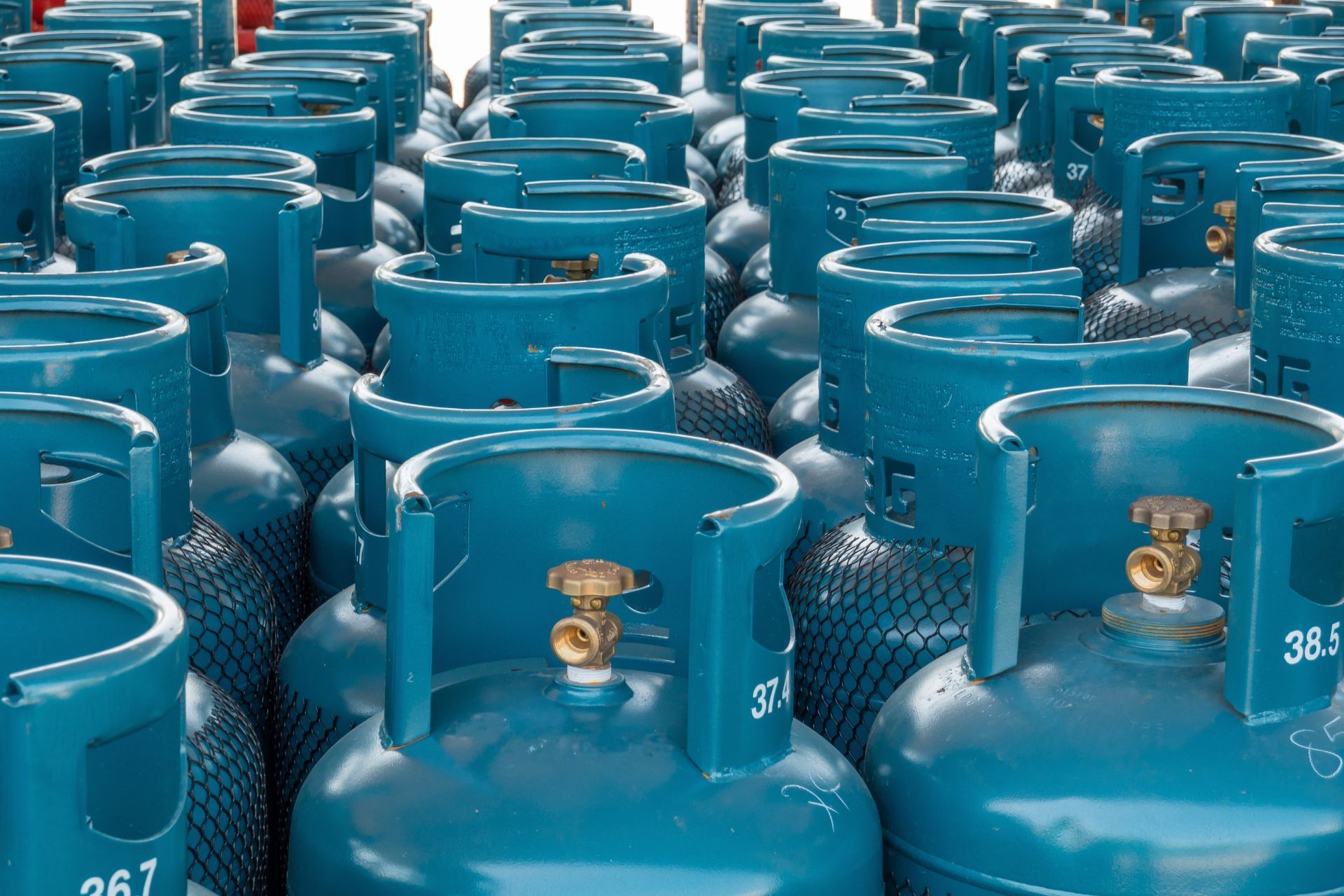
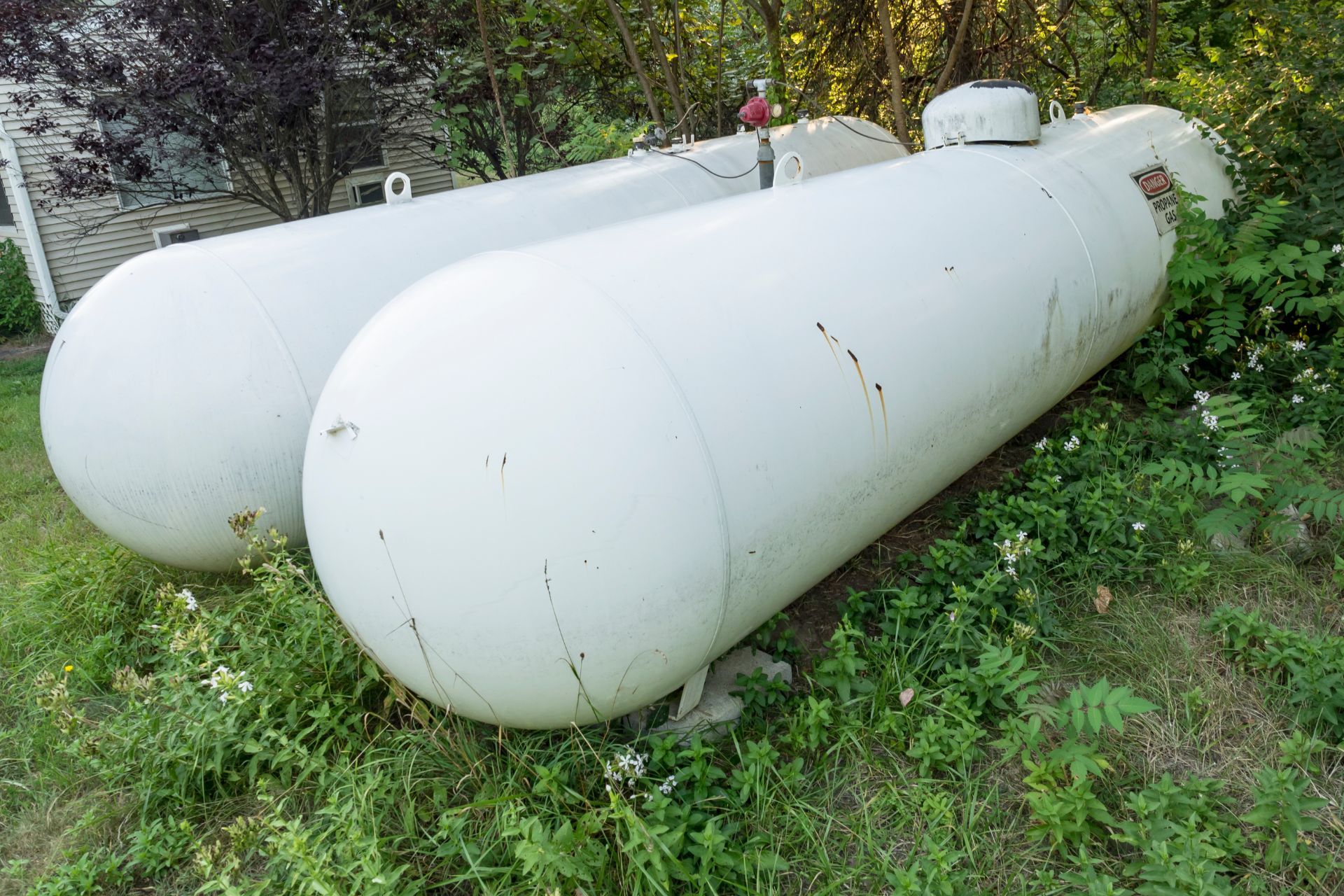
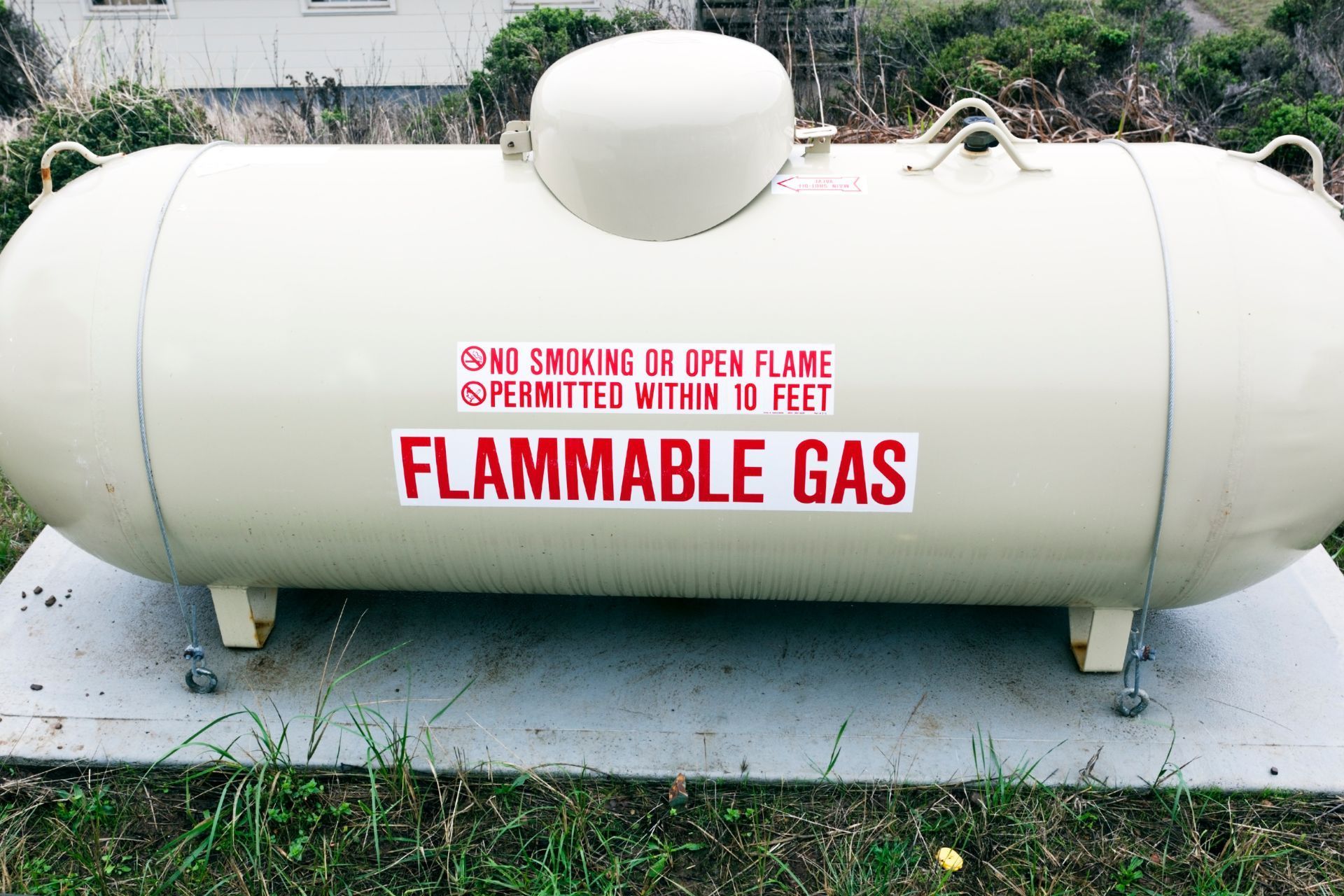
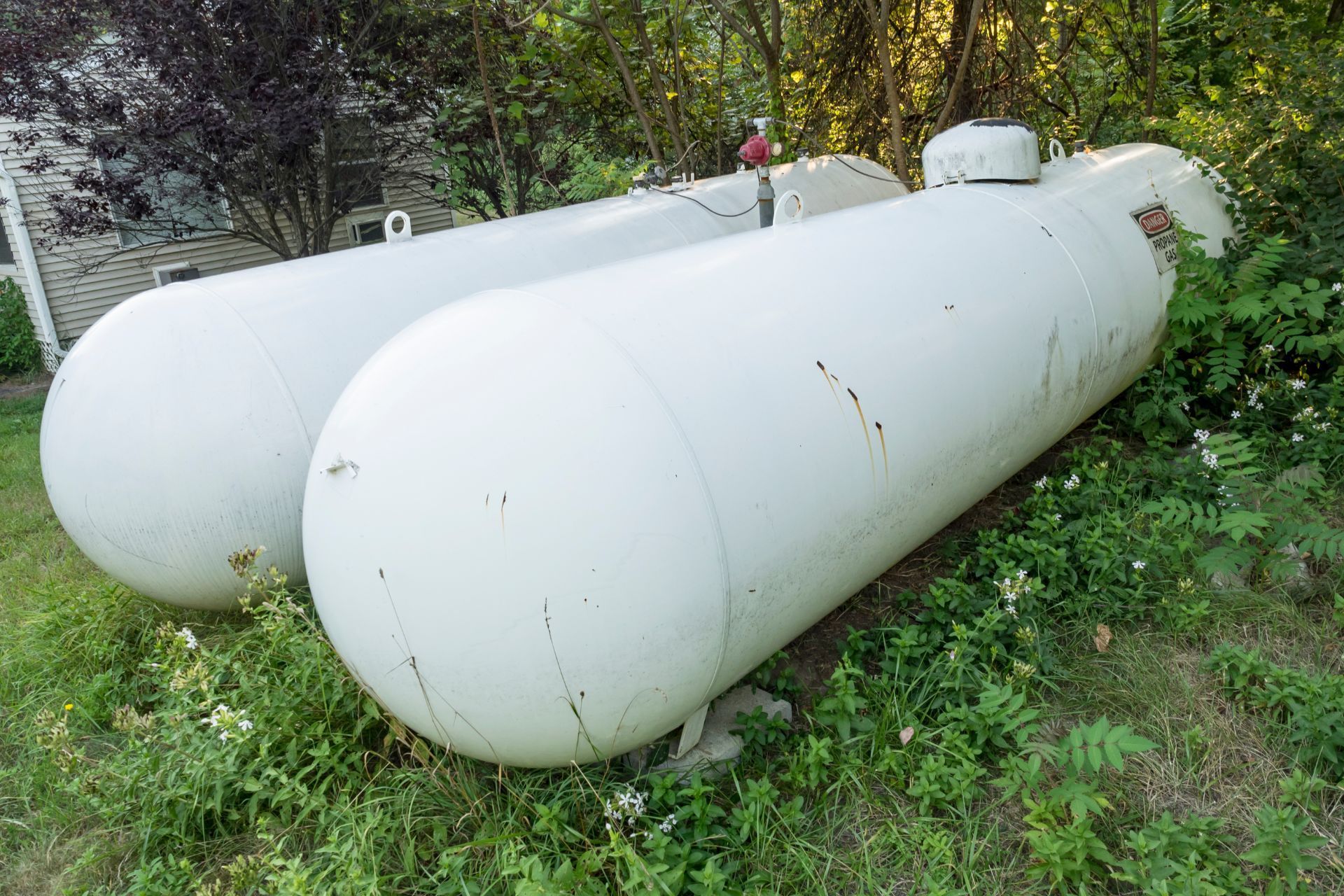
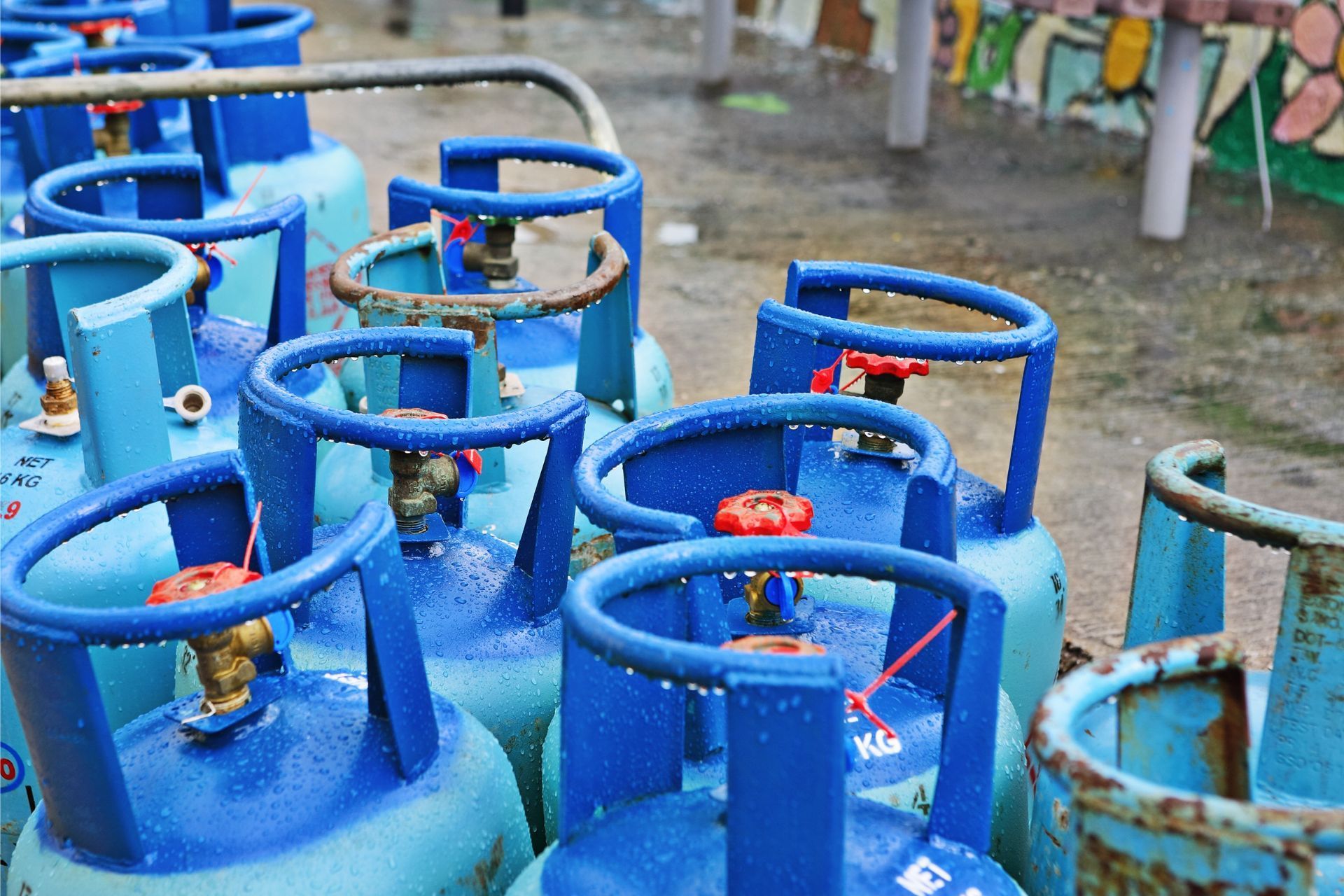
Always keep propane tanks upright and secure them to prevent tipping. Store them in a cool, well-ventilated area, away from direct sunlight or heat sources. Avoid placing tanks indoors or in enclosed spaces, as this can create dangerous pressure build-up.
Ensure that the storage area is free of flammable materials and keep it locked to prevent unauthorized access. If you’re using a propane tank for grilling, never leave it unattended.
Regularly check for any rust, dents, or signs of damage on the tank. Following these safe storage practices helps keep you and your family protected throughout the summer.
How to Identify Propane Leaks
How can you tell if there's a propane leak? First, trust your senses; propane has a distinct, sulfur-like smell, often compared to rotten eggs. If you notice this odor, it’s a clear sign to investigate further.
Next, listen for hissing or whistling sounds near your propane appliances or tanks, which could indicate escaping gas.
Check for any dead vegetation around the area where your propane lines run; this can also signal a leak.
Lastly, look for unusual condensation or a white cloud near your tank or lines.
If you suspect a leak, it’s essential to take immediate action. Keep these signs in mind to ensure your safety and the safety of those around you.
What to Do If You Detect a Propane Leak?
If you notice any signs of a propane leak, such as a strong odor or unusual sounds, it’s important to act quickly.
First, leave the area immediately and ensure everyone else does too. Avoid using any electrical devices, including light switches, as they could create a spark.
Once you’re at a safe distance, call your propane supplier or emergency services to report the leak. Don’t attempt to find or fix the leak yourself.
If you’re in a building, stay clear of windows and doors to prevent the gas from accumulating inside. Wait for professionals to handle the situation.
Maintaining Your Propane Appliances for Safety
To ensure your propane appliances operate safely and efficiently, regular maintenance is essential.
Start by checking for any visible signs of wear and tear, like cracks or rust. Clean your appliances regularly to prevent buildup that can affect performance. Make sure to inspect hoses and connections for leaks; use soapy water to check for bubbles. Replace any damaged parts immediately.
It’s also wise to schedule professional inspections at least once a year to catch issues before they become serious. Ensure your propane appliances are set up in well-ventilated areas to reduce the risk of carbon monoxide buildup.
Lastly, keep an eye on the manufacturer’s guidelines for specific maintenance tips tailored to each appliance. Your safety depends on it!
Conclusion
By following these propane safety tips, you can enjoy a worry-free summer. Always prioritize safe storage, handle tanks with care, and keep an eye out for leaks. Regularly check your appliances and ensure proper ventilation while using them outdoors. Remember, being prepared for emergencies, like having a fire extinguisher handy, can make all the difference. Stay vigilant and enjoy your summer activities knowing you're keeping yourself and others safe around propane!