What Size Propane Tank Do I Need for My Home, Farm, or Business?
When it comes to selecting the right size propane tank for your home, farm, or business, you need to consider your specific usage needs. Factors like the number of appliances and heating requirements can greatly influence your choice. A miscalculation could lead to inadequate supply or unnecessary costs. So, how do you determine the ideal size for your situation? Let’s explore the key aspects to help you make an informed decision.
How to Assess Your Propane Usage Needs
When you're trying to determine your propane usage needs, it's essential to consider factors like the appliances you use and how often you use them.
Start by listing all your propane-powered appliances, including your stove, water heater, and heating system. Next, estimate the average hours each appliance runs per week. For instance, if your water heater operates for about 10 hours weekly, that’ll contribute significantly to your overall usage.
Don’t forget to think about seasonal variations—your heating needs will spike in winter. It's also wise to account for any future appliances you might add.
How to Pick the Right Propane Tank for Heating Your Home
Understanding your propane usage needs sets the stage for selecting the right tank size for heating your home.
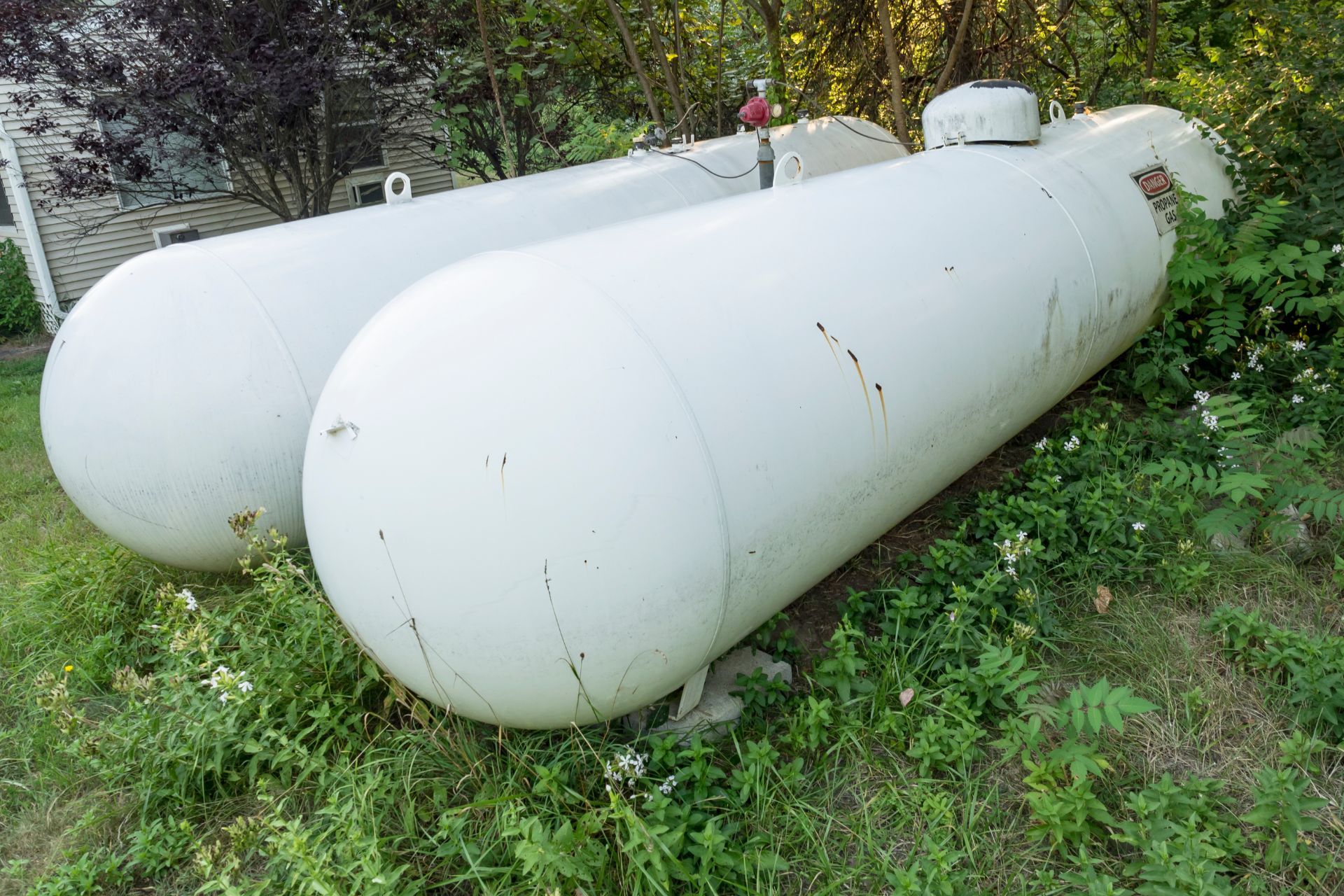
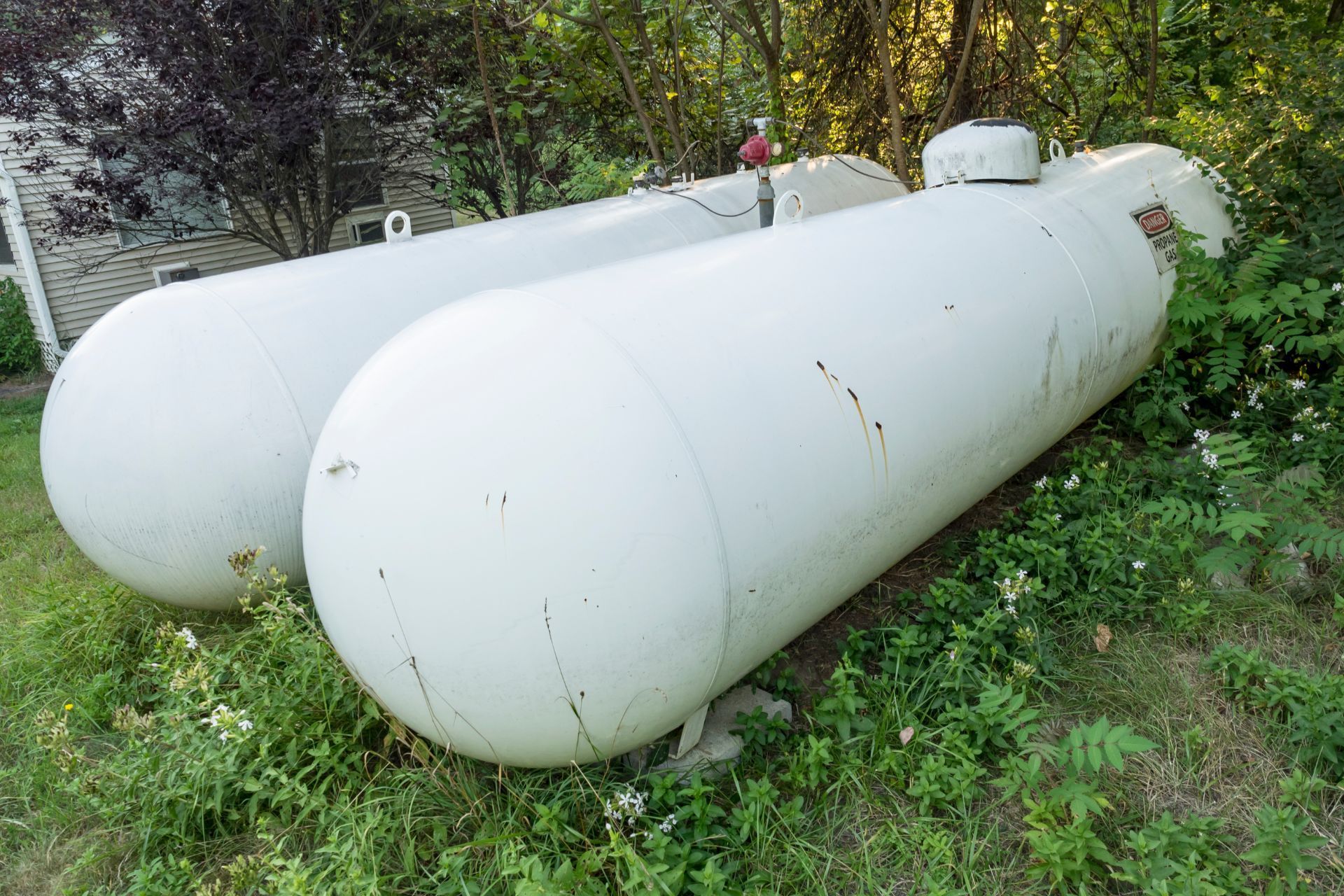
First, consider how often you’ll use propane and the square footage of your home. If you rely on propane for heating, cooking, and hot water, a larger tank is essential for consistent supply. Most homes typically use 500 or 1,000-gallon tanks, depending on usage.
Next, think about your location—if you're in a colder climate, a bigger tank may be necessary to ensure you don’t run out during peak usage.
Lastly, consult with a propane supplier to discuss your specific needs; they can recommend the appropriate size based on your lifestyle and heating requirements.
Selecting Propane Tank Sizes for Farm Operations
If you're running a farm, selecting the right propane tank size is crucial for ensuring your operations run smoothly.
Consider the scale of your farming activities and how much propane you'll need for heating, equipment, or irrigation systems. For smaller farms, a 120-gallon tank might suffice, while larger operations may require 500-gallon or even 1,000-gallon tanks.
Factor in your seasonal needs, as demand can spike during planting or harvesting. It’s also important to think about how often you'll need to refill the tank. A larger tank can minimize delivery frequency, saving time and effort.
Ultimately, choosing the right size not only supports your daily operations but also helps you manage costs effectively.
What to Consider When Choosing a Propane Tank for Your Business?
Choosing the right propane tank for your business involves several key factors that can impact your operations.
First, consider your propane usage. Estimate your monthly consumption to determine the tank size that’ll meet your needs without frequent refills.
Next, think about the available space; make sure your tank fits comfortably on your property while adhering to local regulations.
Safety is crucial, so evaluate the tank’s design and features—like pressure relief valves and protective coatings.
Lastly, factor in your budget. Remember that larger tanks may have higher upfront costs but can save you money in the long run due to fewer refills.
Essential Tips for Properly Installing and Maintaining Your Propane Tank
Once you’ve selected the right propane tank, the next step is ensuring proper installation and maintenance to maximize its efficiency and safety.
First, always hire a licensed professional for installation; they’ll guarantee it meets local codes and regulations.
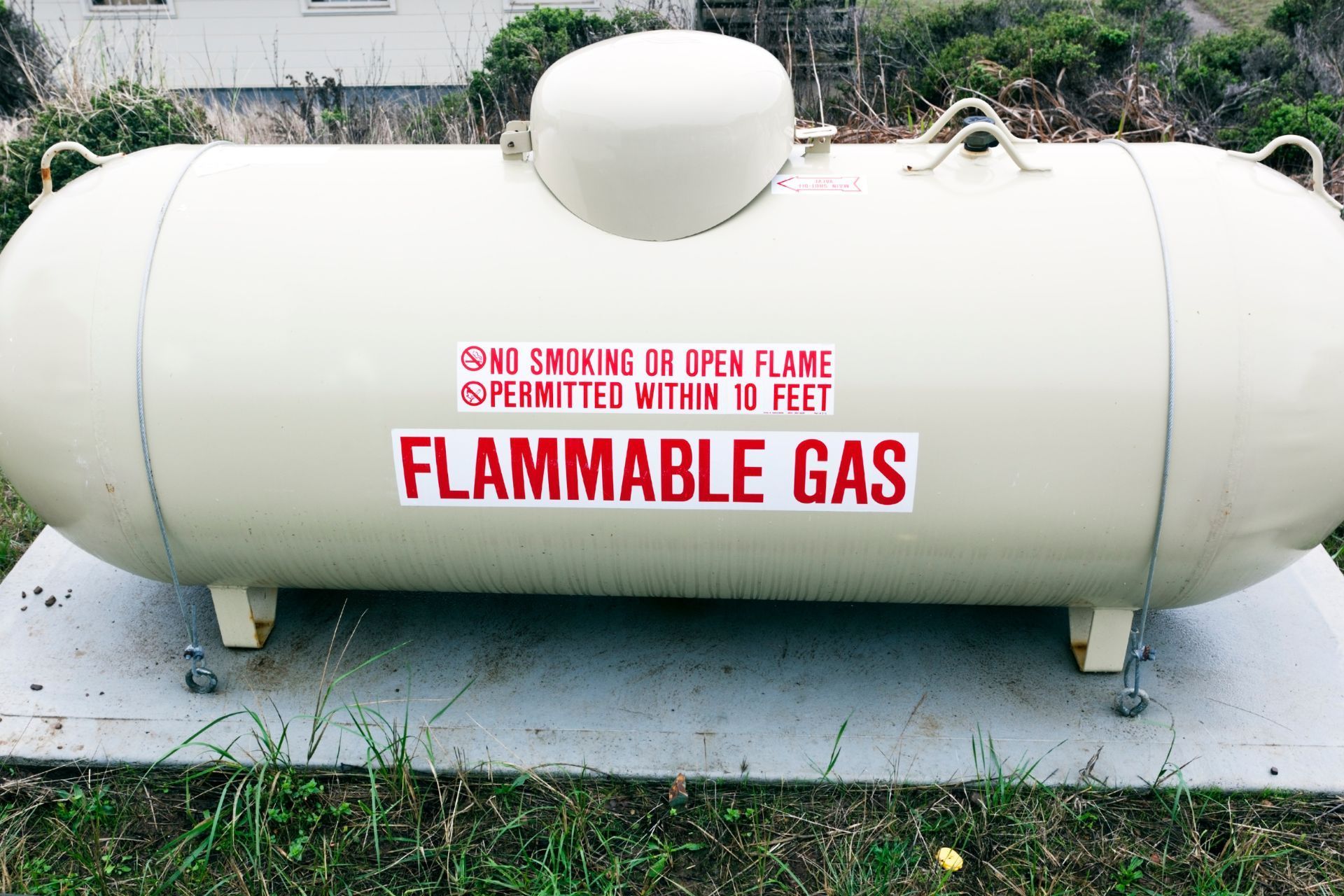
Place your tank in a well-ventilated area, away from flammable materials and structures.
Regularly check for leaks using a soap solution—bubbles indicate a leak that needs immediate attention.
Schedule routine inspections to ensure all components function properly.
Keep your tank clean and free from debris, and monitor the propane level to avoid running too low.
Lastly, educate yourself on emergency procedures; being prepared can prevent accidents and ensure safety for you and your property.
Conclusion
Choosing the right propane tank size is crucial for your home, farm, or business. By assessing your usage needs and considering factors like heating requirements or operational demands, you can select a tank that keeps you supplied without overspending. Remember to consult with suppliers for tailored advice. Once you have your tank, proper installation and maintenance are key to ensuring efficiency and safety. Make these decisions wisely, and you’ll enjoy the benefits of reliable propane service.