How Propane Powers Modern Farms in Eastern South Dakota
In Eastern South Dakota, propane is more than just fuel; it’s a cornerstone of modern farming. You rely on it for efficient greenhouse heating, reliable energy for equipment, and effective irrigation systems. These applications not only enhance productivity but also promote sustainability. But what specific benefits does propane offer, and how does it compare to other energy sources? Let’s explore the critical role propane plays in today’s agricultural landscape.
The Role of Propane in Heating Greenhouses
When you think about the essential elements for a successful greenhouse, heating often comes to mind, and propane plays a crucial role in maintaining the ideal climate for your plants.
Propane heaters provide consistent warmth, ensuring your crops thrive even during colder months. With adjustable thermostats, you can easily control the temperature, preventing damage from frost.
Propane heating systems are also efficient, offering quick warm-up times and lower energy costs compared to electric options. Plus, they’re environmentally friendly, producing fewer emissions.
Efficient Irrigation Systems Powered by Propane
As you look to optimize your farming practices, consider how propane can enhance your irrigation systems. Propane-powered pumps deliver water efficiently, ensuring your crops receive the moisture they need without wasting resources.
With their quick start-up times and reliable performance, these pumps reduce downtime, letting you focus on other critical tasks.
You’ll also find that propane offers a cleaner alternative to diesel, minimizing emissions while still providing robust power. Additionally, propane can heat water for irrigation, improving plant growth during colder months.
Using Propane to Fuel Farm Equipment
Propane isn’t just limited to powering irrigation systems; it can also fuel your farm equipment, offering a versatile energy solution for various agricultural tasks.
From tractors to generators, propane provides reliable energy that enhances efficiency on your farm. You’ll find that propane equipment operates smoothly, allowing you to complete jobs faster and with fewer interruptions.
Moreover, propane's clean-burning properties can help reduce emissions, which is becoming increasingly important in today’s environmentally-conscious landscape.
Switching to propane-powered equipment can also mean lower maintenance costs, as these engines typically experience less wear and tear.
Cost Comparison: Propane vs. Other Energy Sources for Farms
While evaluating energy options for your farm, you'll find that propane often stands out in terms of cost-effectiveness compared to other energy sources.
Propane typically offers lower fuel costs than diesel or electricity, which can lead to significant savings over time. For example, propane’s price stability means you're less likely to face sudden spikes that can impact your budget.
Additionally, propane requires less maintenance for equipment, reducing long-term expenses. When you factor in the efficiency of propane-powered systems, you’ll see they can provide more energy for less cost.
How Propane Benefits the Environment in Agriculture
When considering sustainable energy options for agriculture, you'll find that propane offers significant environmental advantages. Propane is a clean-burning fuel, producing fewer greenhouse gas emissions compared to diesel or gasoline. By using propane, you can help reduce air pollution and contribute to a healthier atmosphere.
Additionally, propane's efficient combustion minimizes particulate matter, which can harm both crops and livestock.
Moreover, propane can power various farm equipment, from irrigation systems to grain dryers, helping to lower your carbon footprint. Its versatility makes it an ideal choice for farmers looking to implement eco-friendly practices.
Propane's Contribution to Livestock Operations
For livestock operations, utilizing propane can significantly enhance efficiency and animal welfare.
You can use propane for heating barns, ensuring that your animals stay warm during cold months. This helps maintain their health and productivity.
Additionally, propane-powered water heaters provide a reliable supply of warm water, which is essential for livestock hydration and comfort.
Propane also powers equipment like generators and compressors, ensuring your operations run smoothly without interruptions.
Moreover, using propane for grain drying in feed processing can improve feed quality, giving your livestock the best nutrition possible.
The Role of Propane in Crop Drying and Storage
After ensuring the welfare of your livestock, turning your attention to crop drying and storage is vital for maximizing your harvest's quality and profitability.
Propane plays a crucial role in this process, providing efficient and consistent heat for drying crops like corn and soybeans. With propane, you can quickly reduce moisture levels, preventing spoilage and enhancing storage longevity.
Using propane-powered dryers, you’ll achieve uniform drying, which helps maintain crop integrity and market value.
Additionally, propane's reliability means you won’t face delays during critical harvest times. Incorporating propane into your drying and storage operations not only boosts efficiency but also helps secure your profits, ensuring your hard work pays off in the long run.
Essential Safety Practices for Propane Use on Farms
Safety is paramount when using propane on farms, and implementing essential practices can significantly reduce risks.
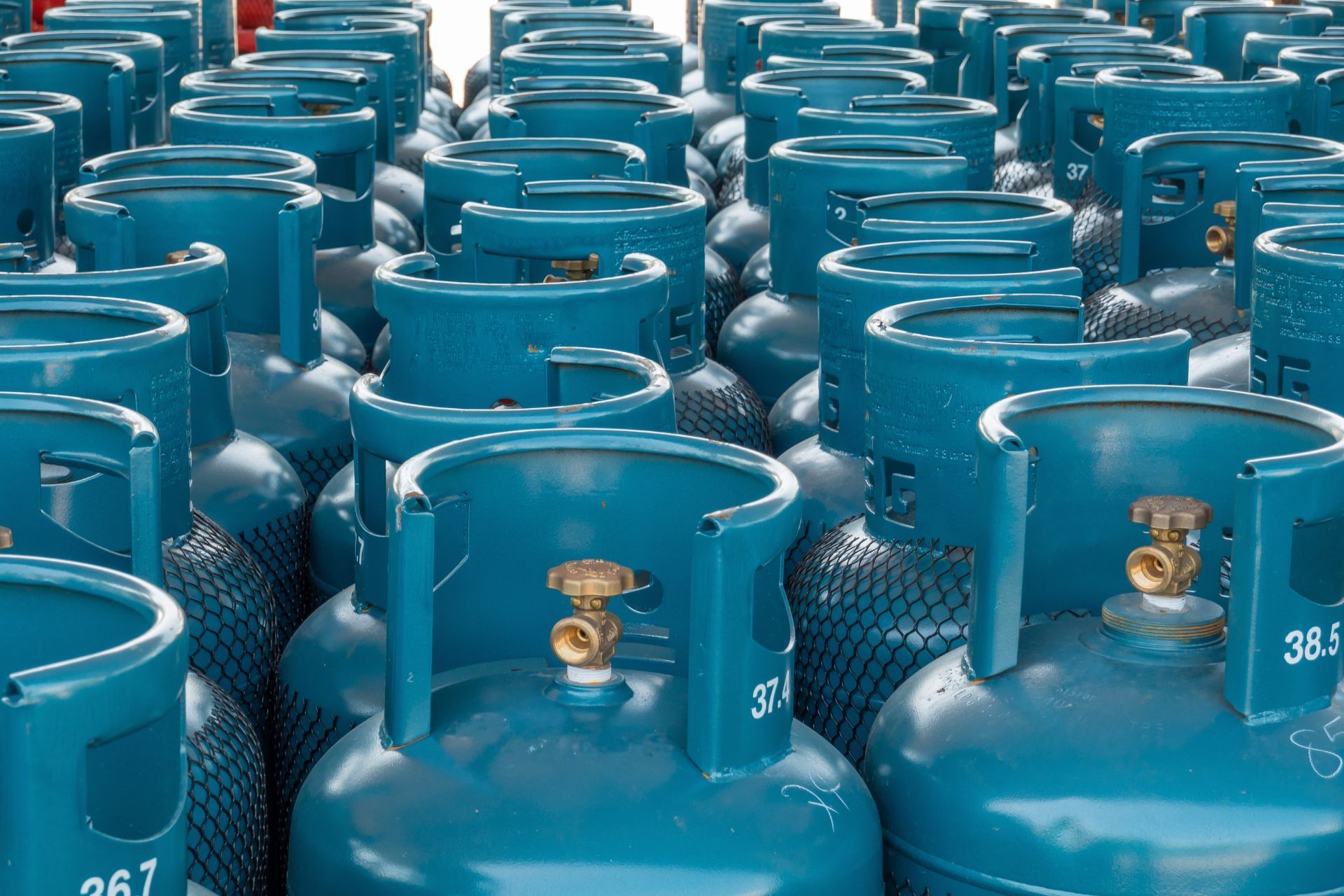
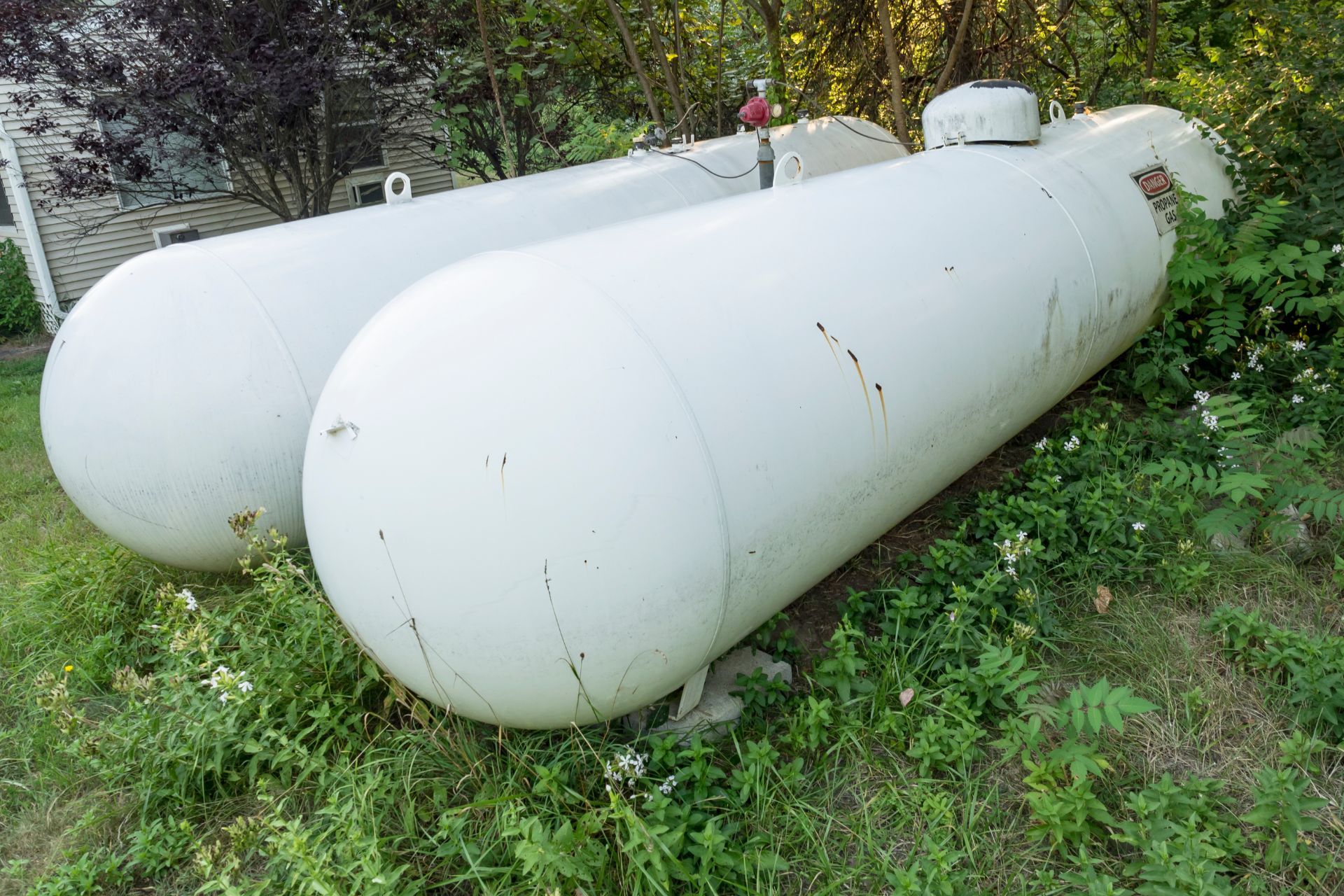
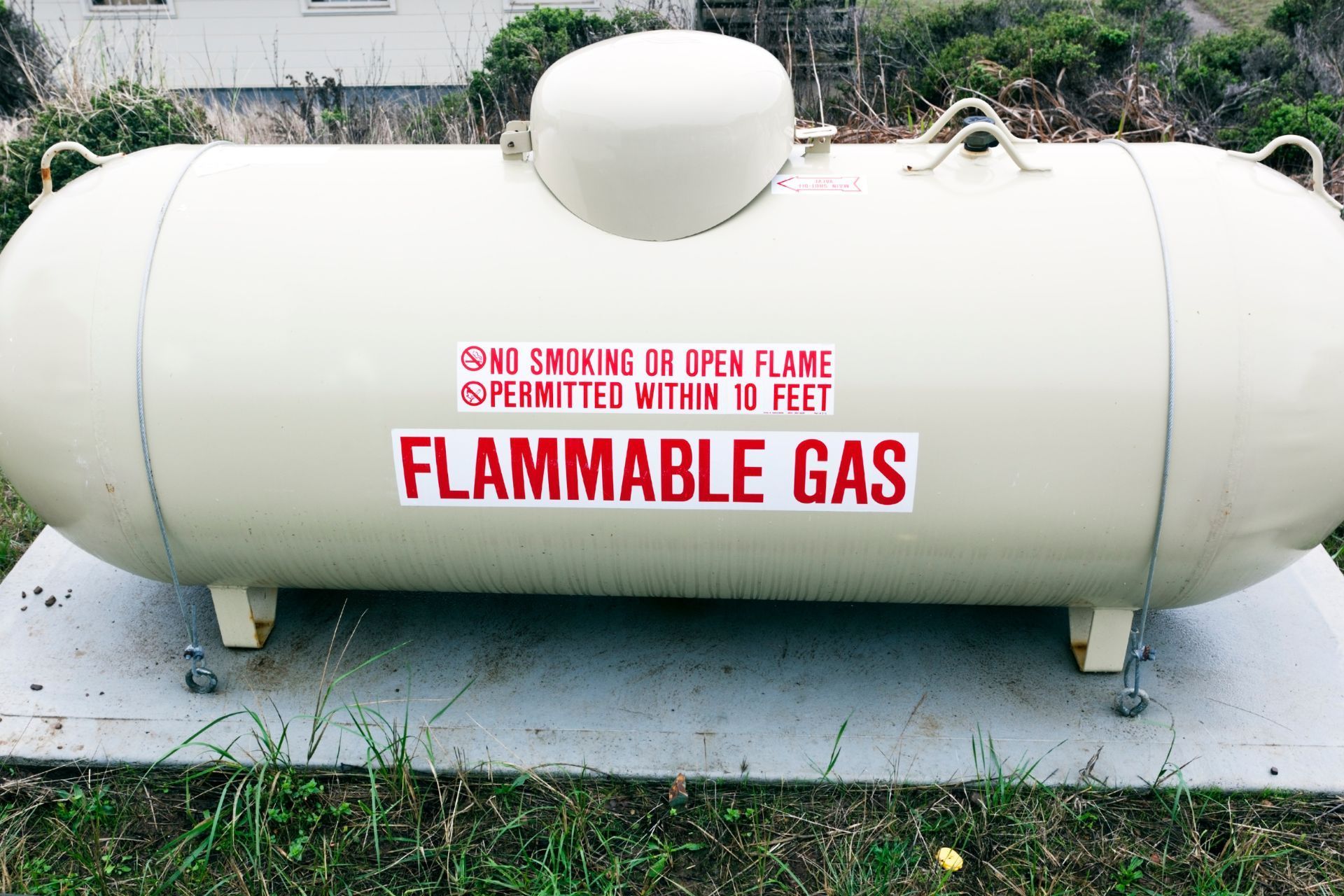
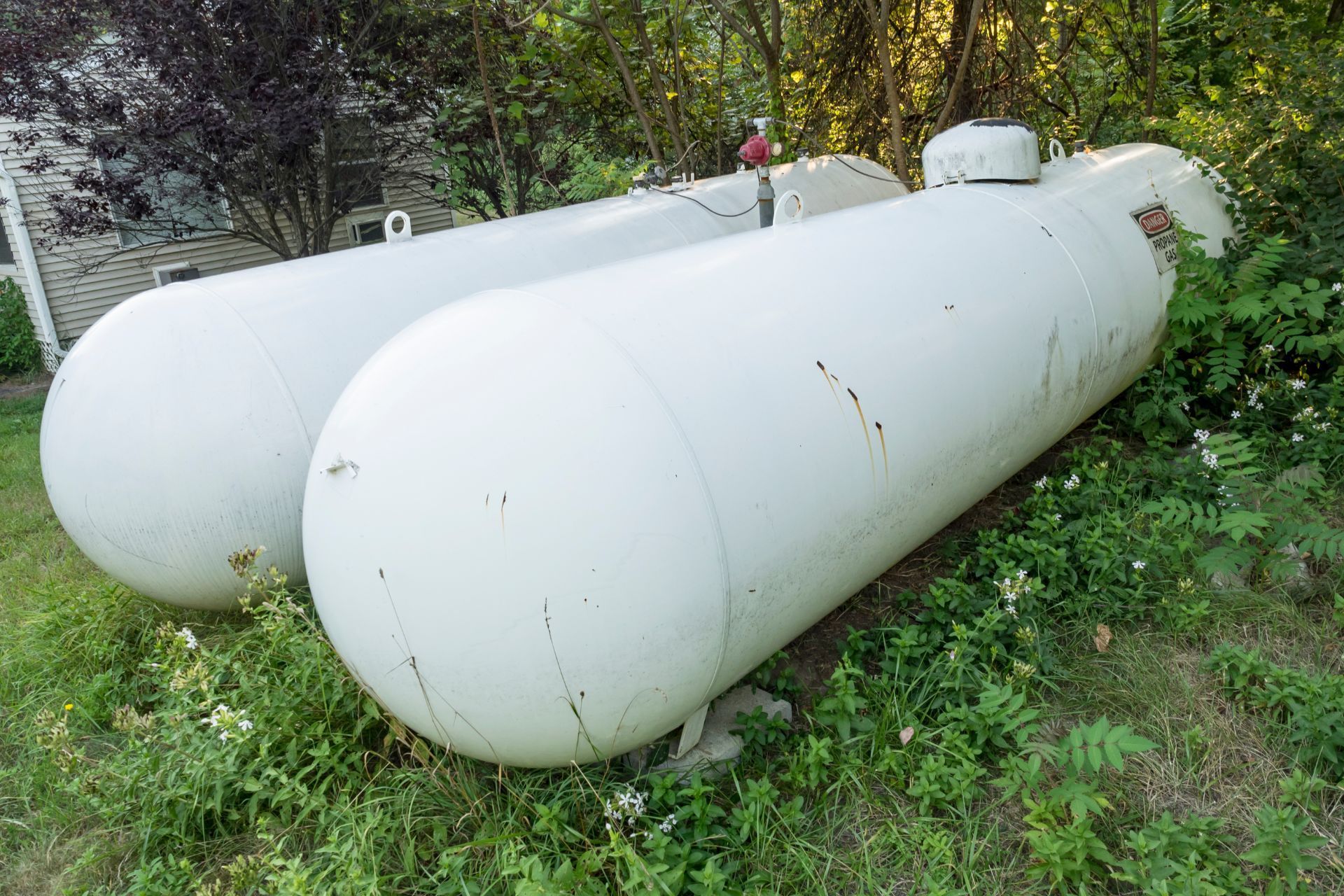
First, ensure your propane storage tanks are properly maintained and checked regularly for leaks. You should also install gas detectors in key areas to alert you to any issues.
Proper ventilation is crucial; always work in well-ventilated spaces to avoid buildup. When handling propane, wear appropriate protective gear and follow manufacturer guidelines for equipment usage.
Regularly train your team on emergency procedures, including evacuation routes and the location of shut-off valves.
Lastly, keep a fire extinguisher nearby and ensure everyone knows how to use it.
Future Innovations: Propane Advancements in Agriculture
With a solid foundation of safety practices in place, the agricultural sector is now poised to embrace exciting advancements in propane technology.
You’ll soon see innovations like precision irrigation systems powered by propane, enhancing water efficiency while reducing costs. Propane-powered drones are expected to revolutionize crop monitoring, allowing you to assess plant health from the sky.
Additionally, advancements in propane engines promise higher efficiency and lower emissions, making your farming operations more sustainable. As propane continues to integrate with renewable energy sources, you'll benefit from a cleaner energy mix that supports your productivity.
Conclusion
In Eastern South Dakota, propane’s essential role in modern farming can't be overstated. From heating greenhouses to powering irrigation systems and equipment, it enhances productivity while being environmentally friendly. By choosing propane, you're not only optimizing your operations but also supporting sustainable practices that benefit the whole region. As advancements continue to emerge, embracing propane will ensure your farm stays efficient and competitive in the ever-evolving agricultural landscape. Don't overlook the power of propane!