Can Propane Gas Go Bad?
When it comes to propane gas, you might wonder if it can actually go bad. While propane itself doesn’t expire like food, various factors can influence its quality over time. Understanding these aspects is essential for safe and efficient use. Curious about how to store propane properly or recognize signs of contamination? Let's explore what you need to know to ensure you're using propane effectively.
Understanding Propane Gas Composition
Propane gas, a key player in the world of fuels, is primarily composed of propane molecules, which are derived from natural gas processing and crude oil refining.
This colorless, odorless gas is commonly used for heating, cooking, and powering various appliances. When you use propane, you benefit from its efficient energy release and relatively low emissions compared to other fossil fuels.
You’ll also notice that propane has a distinct odor added for safety, allowing you to detect leaks easily. The purity of propane is crucial for its performance; impurities can affect combustion efficiency.
Understanding the composition helps you appreciate why propane remains a reliable choice for many residential and commercial applications, providing versatility and dependability in your fuel options.
Factors Affecting Propane Quality
Understanding the composition of propane helps highlight how various factors can influence its quality. One major factor is storage conditions. If you store your propane in a well-sealed tank away from extreme temperatures, you’re maintaining its integrity.
Exposure to moisture can lead to contamination, so keep your tanks dry. Additionally, the age of the propane can matter; older propane may contain impurities that affect performance.
Regularly checking for leaks is crucial, as leaks can allow air to mix with the gas, impacting quality. Lastly, the presence of additives can also influence purity. If you use propane mixed with certain chemicals, it’s essential to understand how those additives may affect the gas’s performance and safety.
The Lifespan of Propane Gas
While many people may wonder about the longevity of propane gas, it’s important to know that it doesn’t actually expire like food or other perishable items.
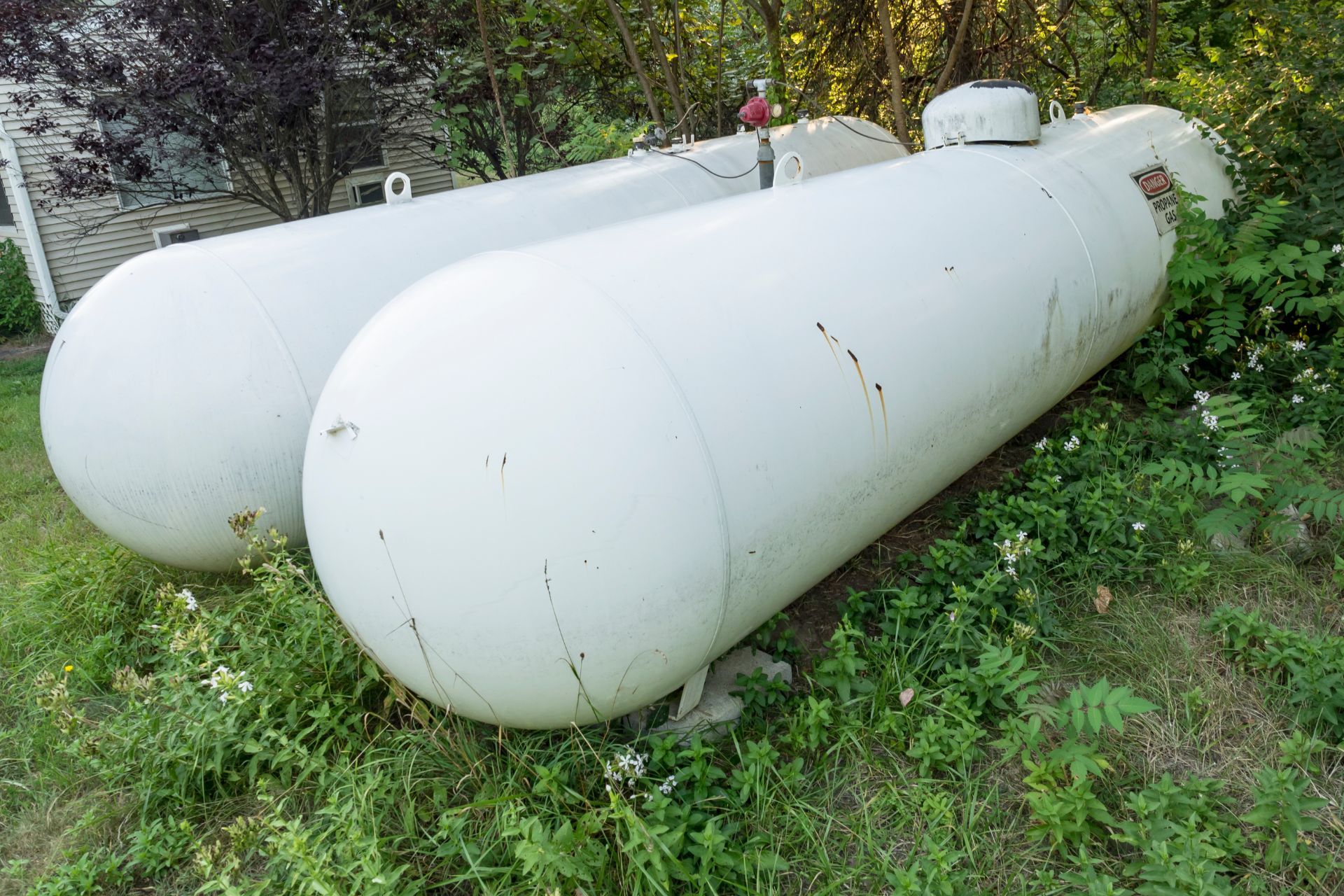
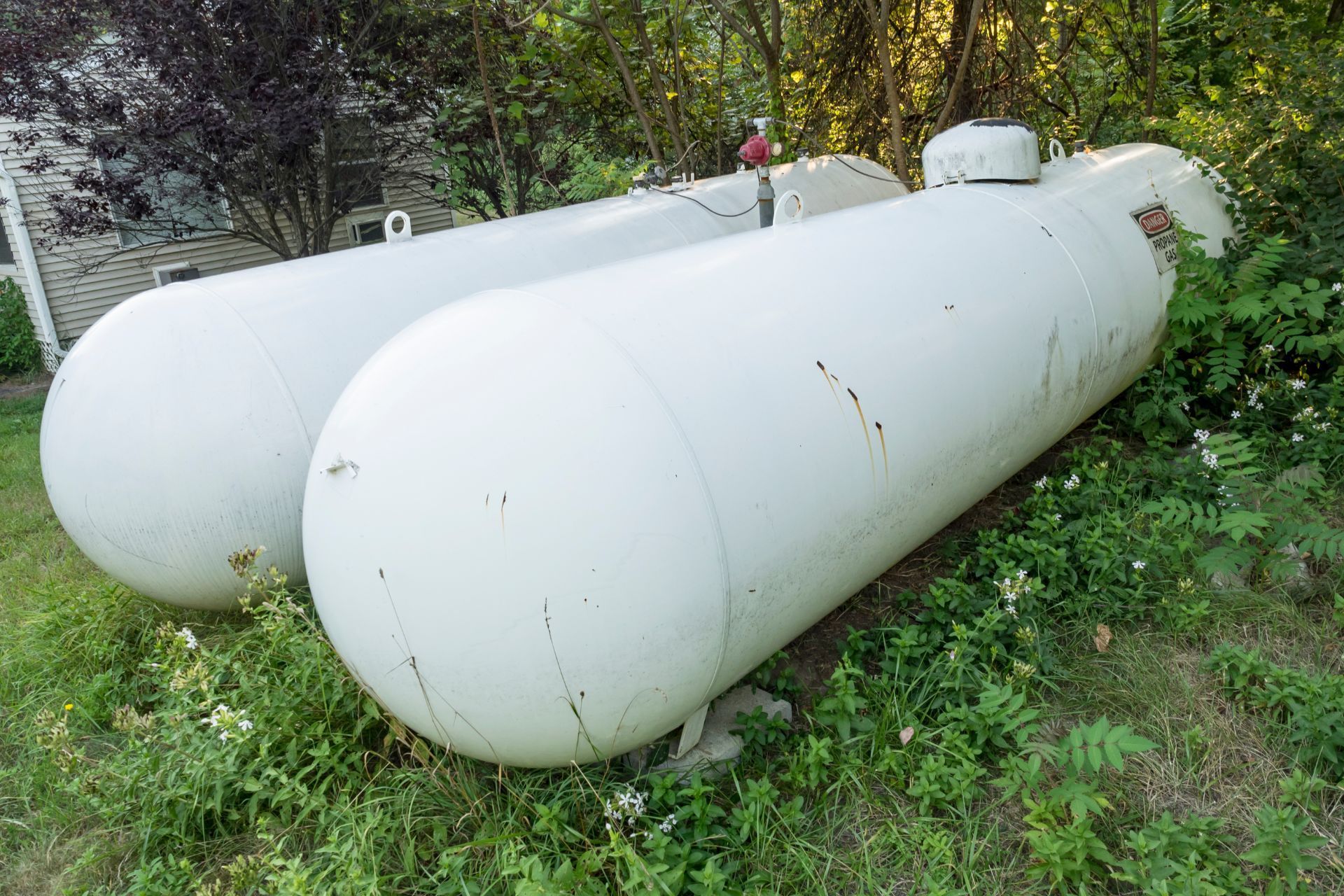
In fact, propane can last indefinitely when stored properly in a clean, sealed container. You won’t have to worry about it going bad, as long as you keep your tank in a cool, dry place away from direct sunlight.
However, you should regularly check your tank for dents or rust, which could affect the gas's quality over time.
It’s also a good idea to use propane within a few years of purchase for optimal safety and performance.
Signs of Bad or Contaminated Propane
Even though propane can last indefinitely when stored properly, it's still important to be aware of signs that might indicate contamination or degradation.
If you notice a strange odor, like rotten eggs, it could mean there's a leak or contamination. Additionally, if the flame on your propane burner is yellow or orange instead of blue, that’s a red flag.
You might also experience difficulty in ignition or inconsistent performance from your appliances, which suggests something's not right. Lastly, if you detect rust or debris in your propane tank or equipment, it’s crucial to address it immediately.
Always trust your instincts—if something seems off, it’s best to consult a professional to ensure your safety and the proper functioning of your propane system.
Proper Storage Practices for Propane
To ensure your propane stays safe and effective, proper storage practices are essential.
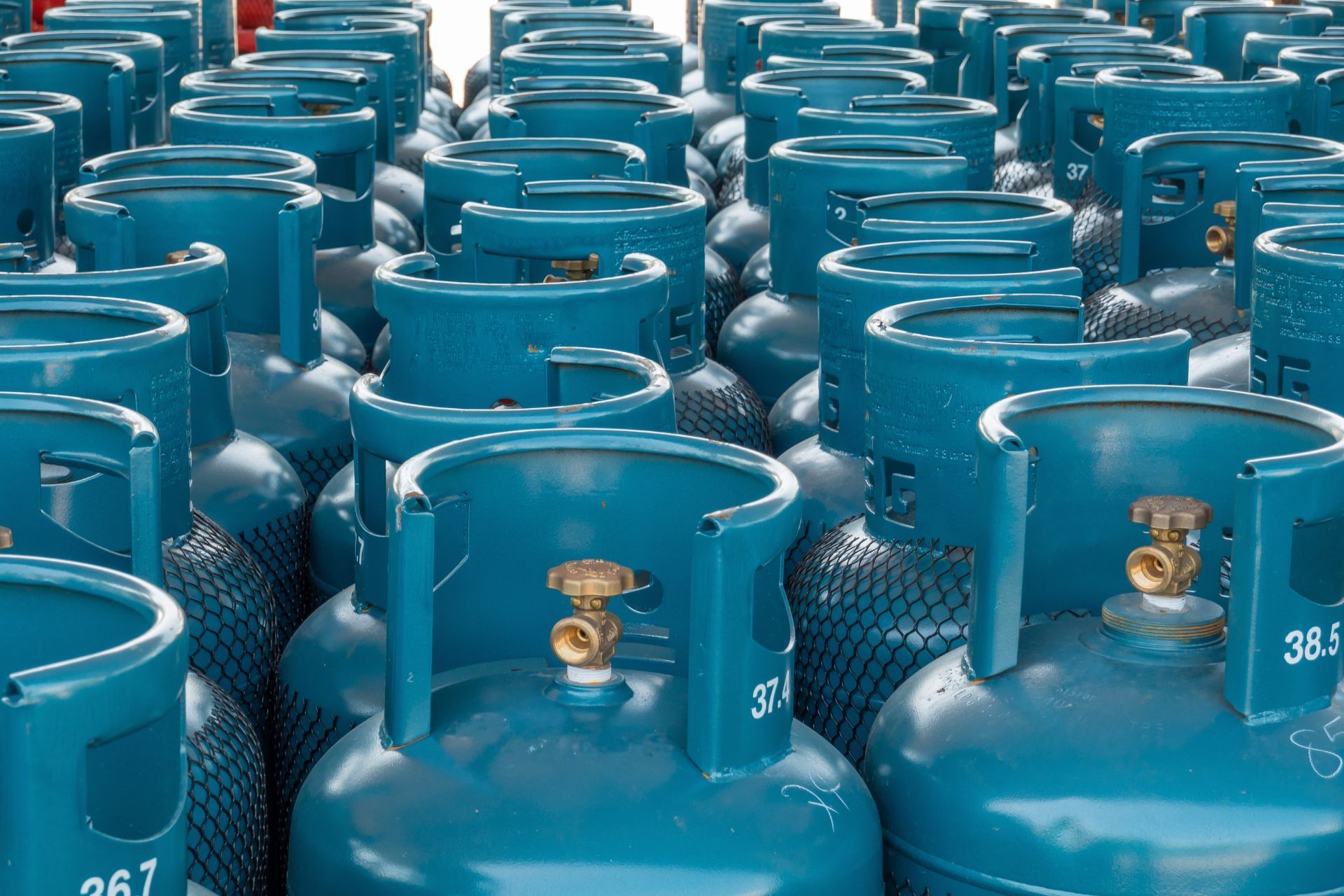
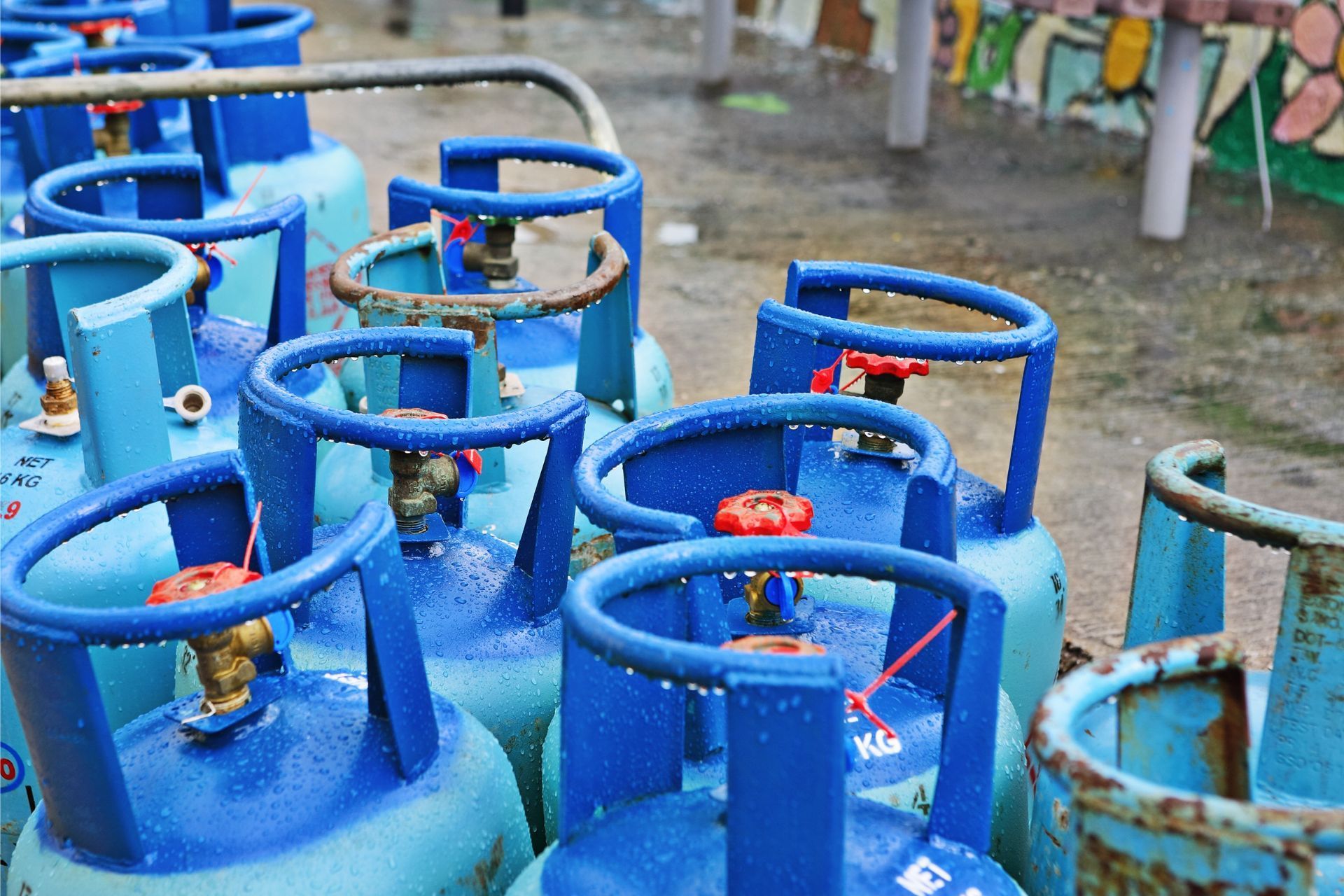
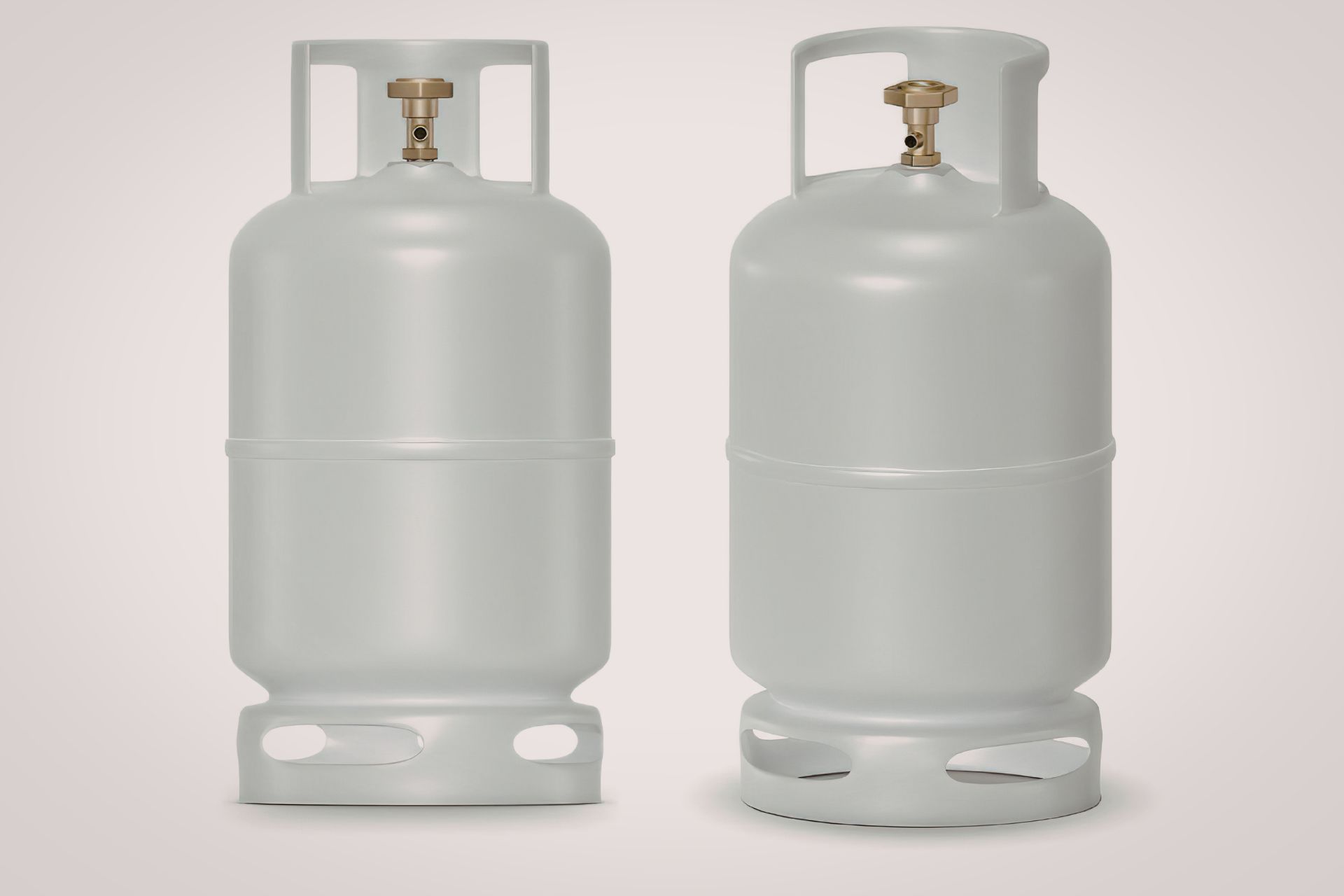
Store propane cylinders upright in a well-ventilated area, away from direct sunlight and heat sources. This prevents pressure buildup and potential leaks.
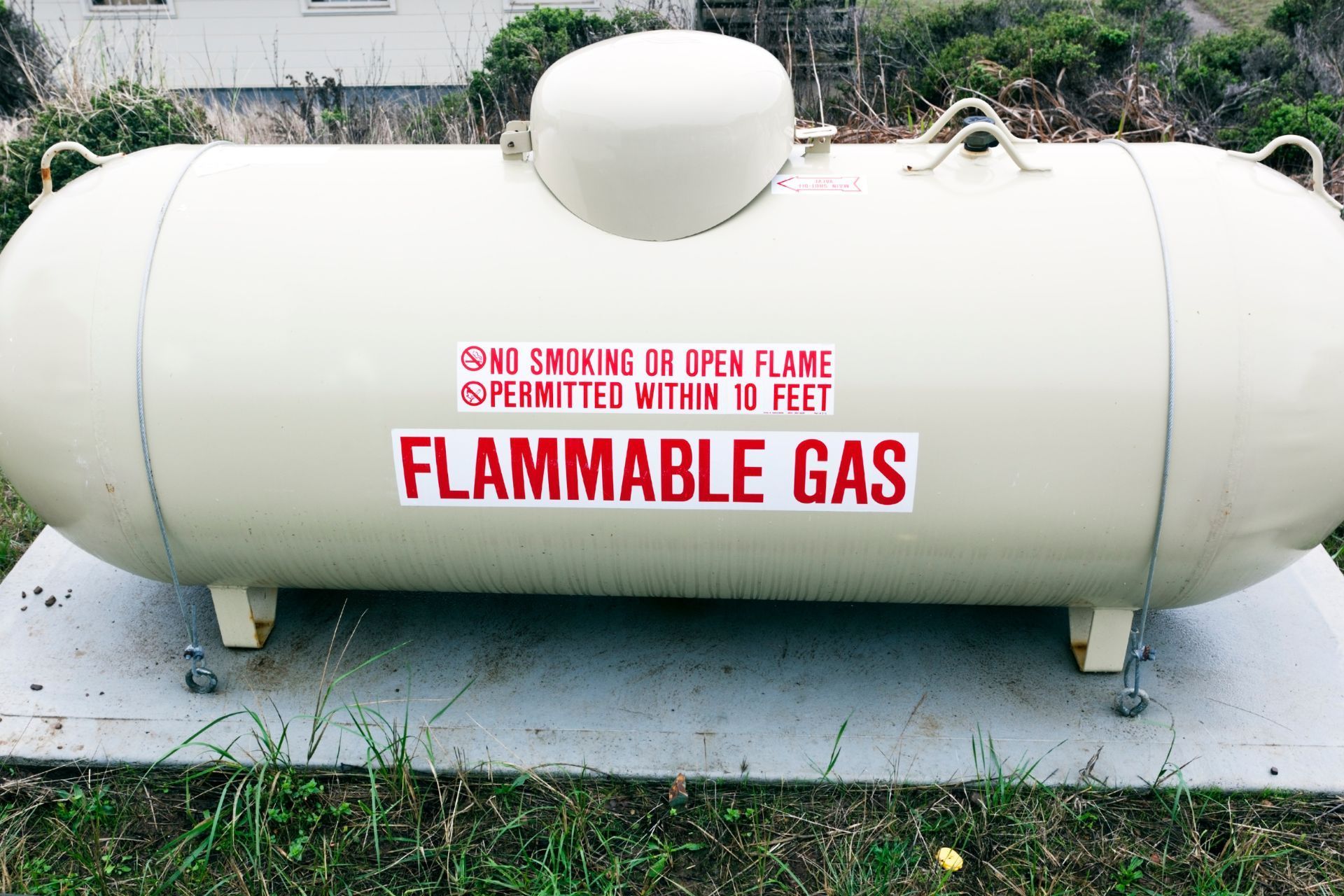
Make sure to keep them at least 10 feet away from any ignition sources, and never store them indoors or in basements.
Always check the expiration date and condition of the cylinders before use; if you notice rust or damage, it's best to replace them.
Secure the cylinders to prevent tipping or falling.
If you're using a propane tank, ensure it's properly connected and shut off when not in use.
Following these steps helps maintain the quality and safety of your propane supply.
Safety Precautions When Using Propane
Using propane safely is crucial to prevent accidents and ensure a smooth experience.
Always check for leaks before using your propane appliances. You can do this by applying a mixture of soap and water to the connections; bubbles indicate a leak.
Ensure your area is well-ventilated to avoid gas buildup. Keep propane tanks upright and away from heat sources or open flames.
When you're finished using propane, turn off the gas supply to prevent leaks. If you ever smell gas, evacuate the area immediately and call for help.
Lastly, be sure to keep propane tanks out of reach of children and pets. Following these precautions helps ensure a safe and enjoyable experience with propane.
Tips for Maintaining Propane Efficiency
While propane is an efficient fuel source, maintaining its efficiency requires regular attention and care.
Start by checking your propane appliances for leaks or damage; a simple visual inspection can save you money and ensure safety.
Keep your propane tank full to avoid condensation, which can lead to impurities in the gas.
Regularly service your appliances according to the manufacturer's guidelines to keep them running smoothly.
Additionally, consider using a propane regulator to help maintain consistent pressure.
Lastly, monitor your usage and adjust settings for optimal performance during different seasons.
Conclusion
In conclusion, propane gas doesn’t go bad if stored correctly, but it’s crucial to keep an eye on its quality. By understanding the factors that can affect it and following proper storage practices, you can ensure its optimal performance. Regularly check for signs of contamination or damage, and take safety precautions when using propane. With a little care, you’ll enjoy efficient and reliable use of propane gas for years to come.