Where Does Propane Gas Come From
When you think about propane gas, it's easy to overlook its origins. Most people don't realize it comes from natural gas processing and crude oil refining. This gas forms from the breakdown of organic matter under specific conditions. But how exactly is it extracted and what processes are involved? Understanding these details can shed light on propane's significance in our daily lives and various industries. Let's explore further.
The Formation of Propane Gas
When you think about where propane gas comes from, it's important to understand its formation, which occurs primarily from the natural process of decomposing organic matter.
This organic matter includes plant and animal remains that have been buried under layers of sediment over millions of years. As pressure and heat build up, these remains undergo chemical transformations, ultimately breaking down into hydrocarbons.
Propane is one of the lighter hydrocarbons produced during this process. The specific conditions of temperature and pressure influence the amount and type of gas formed.
Sources of Propane: Natural Gas Processing
Propane gas primarily comes from two sources: natural gas processing and crude oil refining.
When natural gas is extracted, it contains various hydrocarbons, including propane. During processing, natural gas undergoes a series of steps, such as cooling and pressure adjustments, to separate these hydrocarbons.
You’ll find that propane, along with ethane and butane, is separated from methane, the main component of natural gas. This process is crucial because it allows for the efficient capture of propane, making it available for use in heating, cooking, and fueling vehicles.
The Role of Crude Oil Refining
Crude oil refining plays a significant role in producing propane gas. During the refining process, crude oil is heated and separated into various components, including propane. As you refine the oil, it undergoes distillation, where lighter hydrocarbons rise to the top. Propane, being one of those lighter products, is captured and collected.
You’ll find that this method is essential, especially when natural gas processing isn't sufficient to meet demand.
In addition to propane, the refining process also yields other valuable byproducts, such as gasoline and diesel. This versatility makes crude oil refining crucial in the overall energy landscape.
Understanding this process helps you appreciate the complexity behind propane's availability and its role in your daily life.
Extraction Methods for Propane
After understanding the role of crude oil refining in producing propane, it's important to explore how this gas is extracted from natural sources.
Propane primarily comes from two methods: natural gas processing and crude oil refining. In natural gas processing, the gas is extracted from underground reservoirs. As natural gas is brought to the surface, it undergoes separation where propane and other hydrocarbons are isolated.
In crude oil refining, propane is obtained during the distillation process. Here, crude oil is heated, and various components are separated based on their boiling points.
Both methods require sophisticated technology to ensure efficient extraction and purity. By understanding these processes, you gain insight into how propane reaches your home or business.
Transportation and Distribution of Propane
Once extracted, propane needs to be efficiently transported and distributed to ensure it reaches consumers safely and reliably. The journey typically begins with pipelines, which move large volumes of propane from production sites to storage facilities.
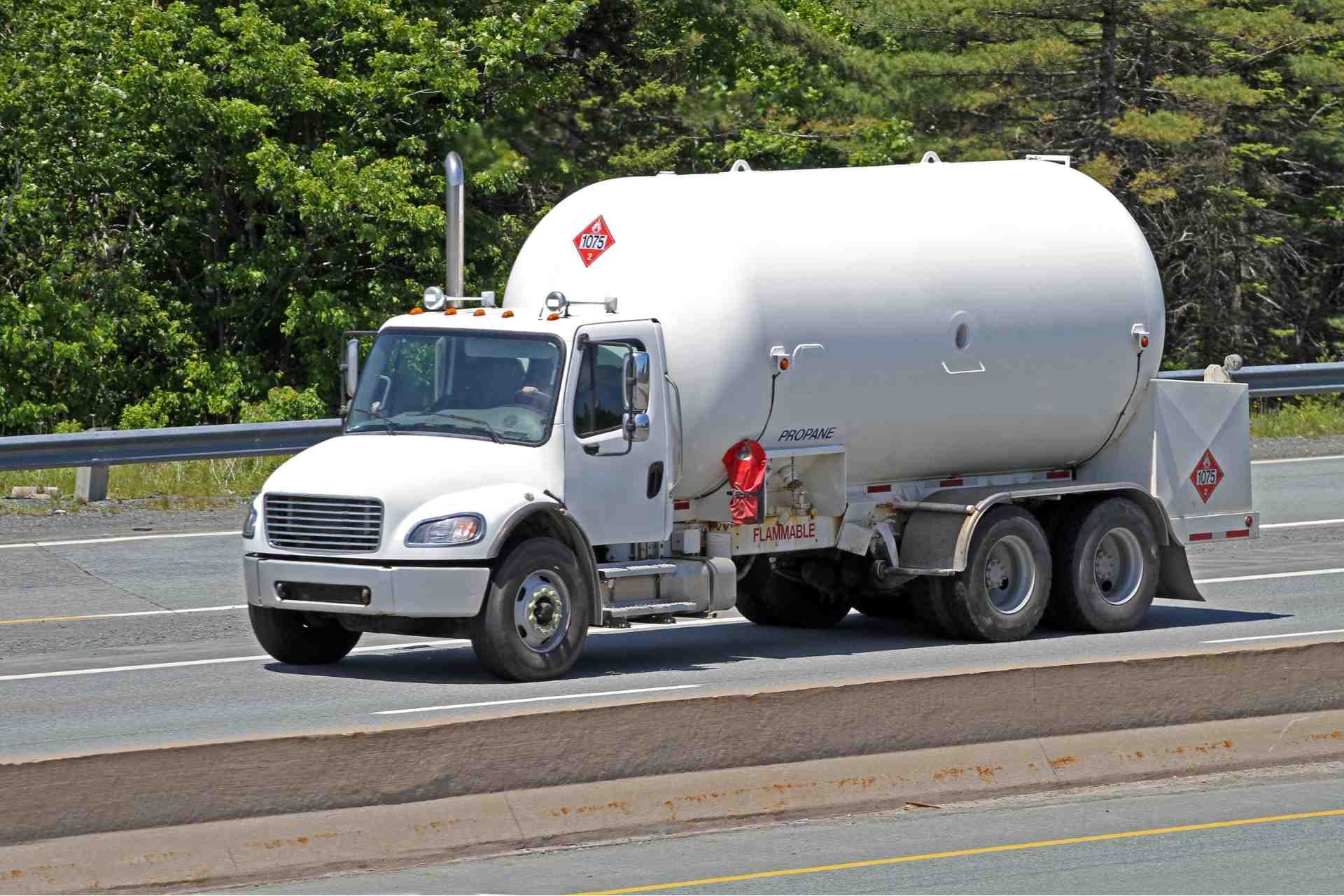
From there, it gets transferred to trucks or railcars for regional distribution. These transport methods are crucial, as they help maintain the propane’s integrity and safety during transit.
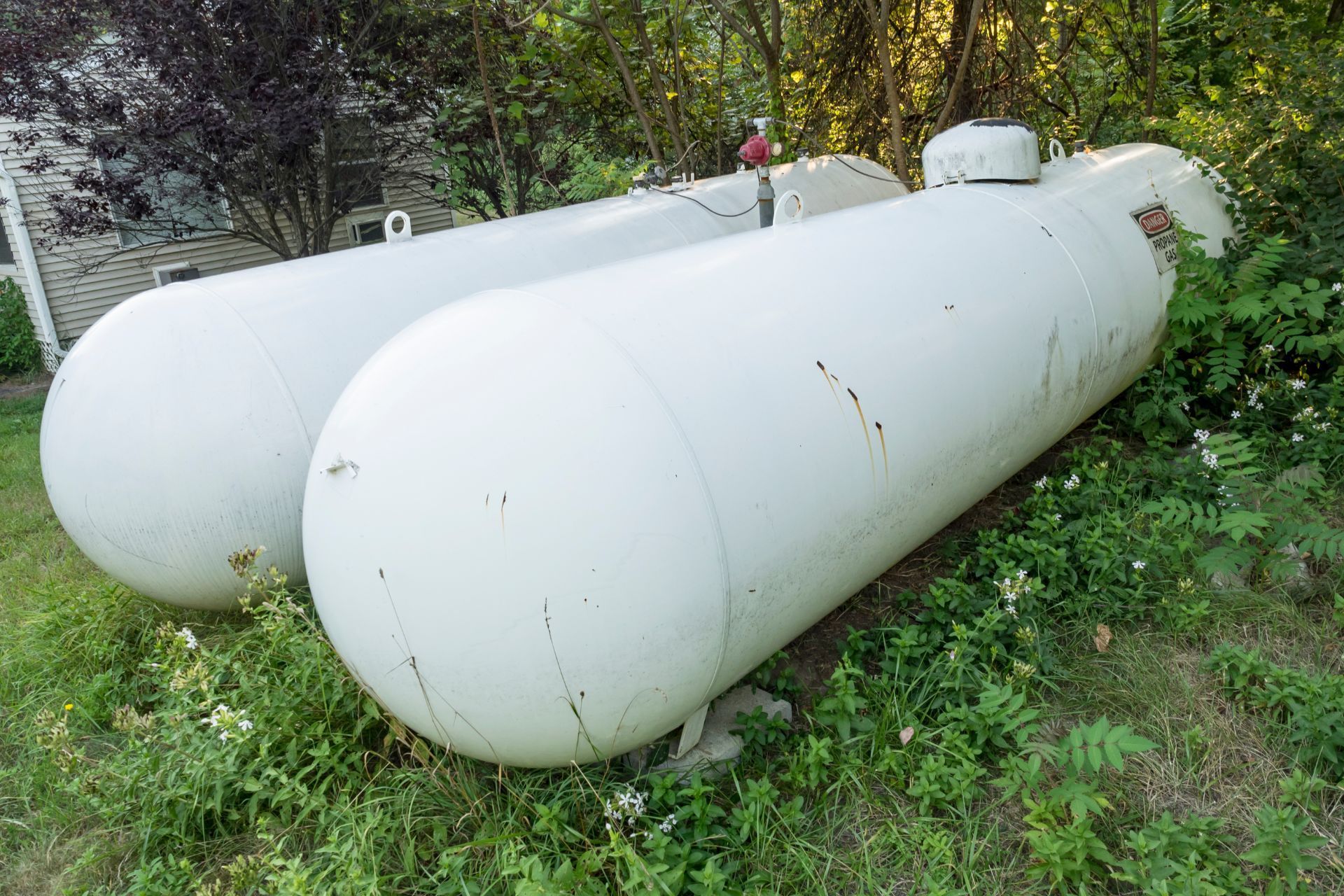
Once the propane arrives at local distribution centers, it’s stored until needed. Delivery trucks then transport the propane directly to homes, businesses, and industries.
Throughout this process, companies adhere to strict safety regulations to prevent leaks and ensure proper handling. Ultimately, effective transportation and distribution are vital for making propane accessible to you when you need it.
Propane's Applications in Various Industries
While many people associate propane with home heating and cooking, its versatility extends far beyond residential use.
In agriculture, you can use propane for crop drying and heating livestock facilities.
In construction, it fuels equipment and warms job sites during colder months.
The manufacturing sector relies on propane for powering forklifts and generating heat in processes like metalworking and glass blowing.
You’ll also find propane in the hospitality industry, where it powers outdoor grills and heating for patios.
Additionally, propane is popular for recreational activities, such as fueling campers and RVs.
With its diverse applications, propane plays a crucial role in various industries, making it an essential energy source for many different purposes.
Conclusion
In conclusion, propane gas is a vital energy source derived from both natural gas processing and crude oil refining. Understanding where it comes from helps you appreciate its role in everyday life. Whether you’re using it for heating, cooking, or powering appliances, propane's journey from organic matter to your home is fascinating. By learning about its extraction and distribution, you can make informed decisions about its use and support sustainable practices in the energy sector.