Can Propane Gas Kill You
When it comes to propane gas, many people underestimate its dangers. You might think it’s just a harmless fuel, but inhaling high concentrations can lead to serious health risks, including asphyxiation. The symptoms can sneak up on you, leaving you confused and short of breath. Plus, leaks can cause explosive hazards that are just as lethal. So, what should you know to stay safe? Let’s explore the risks and necessary precautions.
Understanding Propane Gas: What It Is and How It Works
Propane gas, often recognized by its distinctive smell, is a colorless and odorless fuel that plays a vital role in heating, cooking, and powering various appliances.
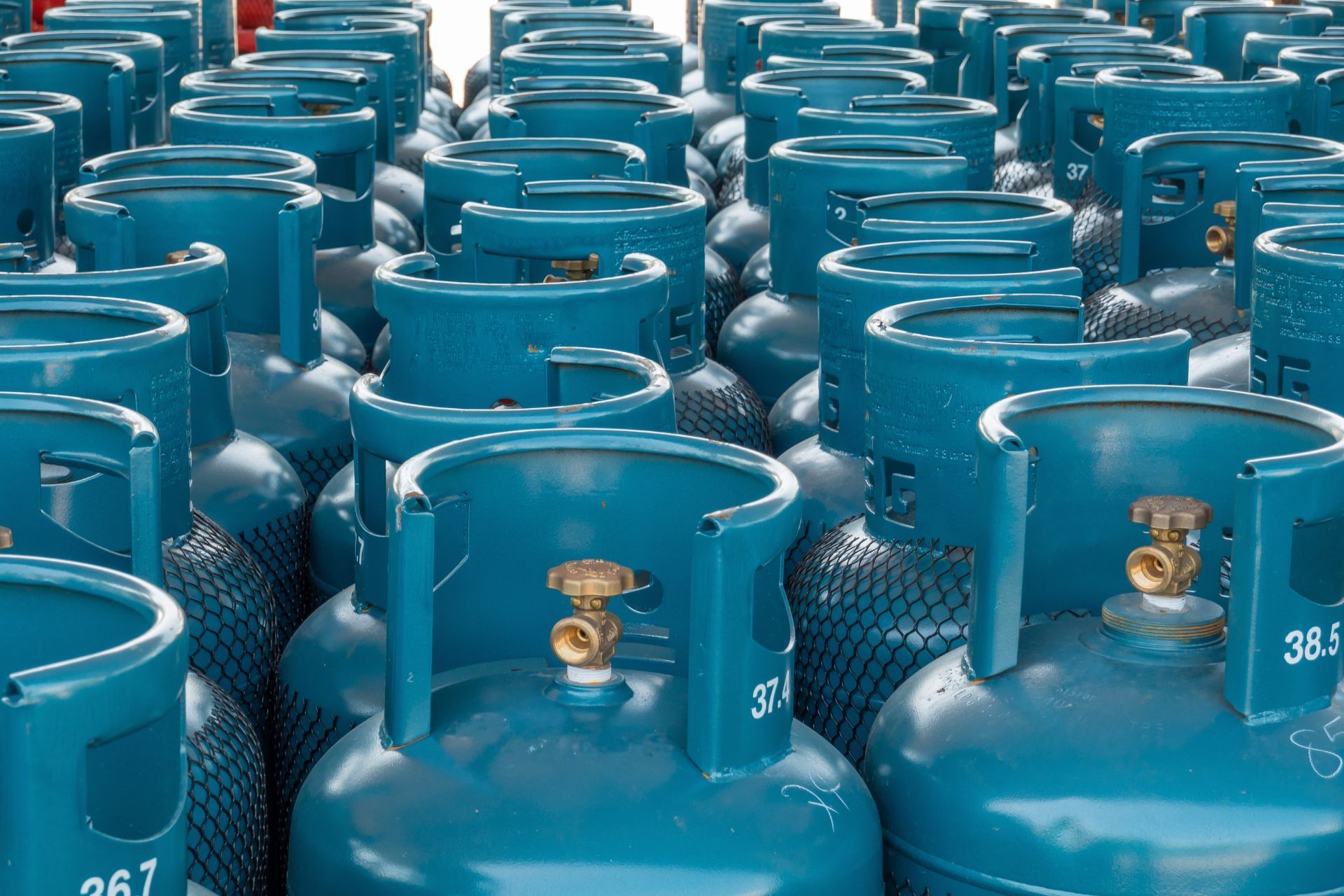
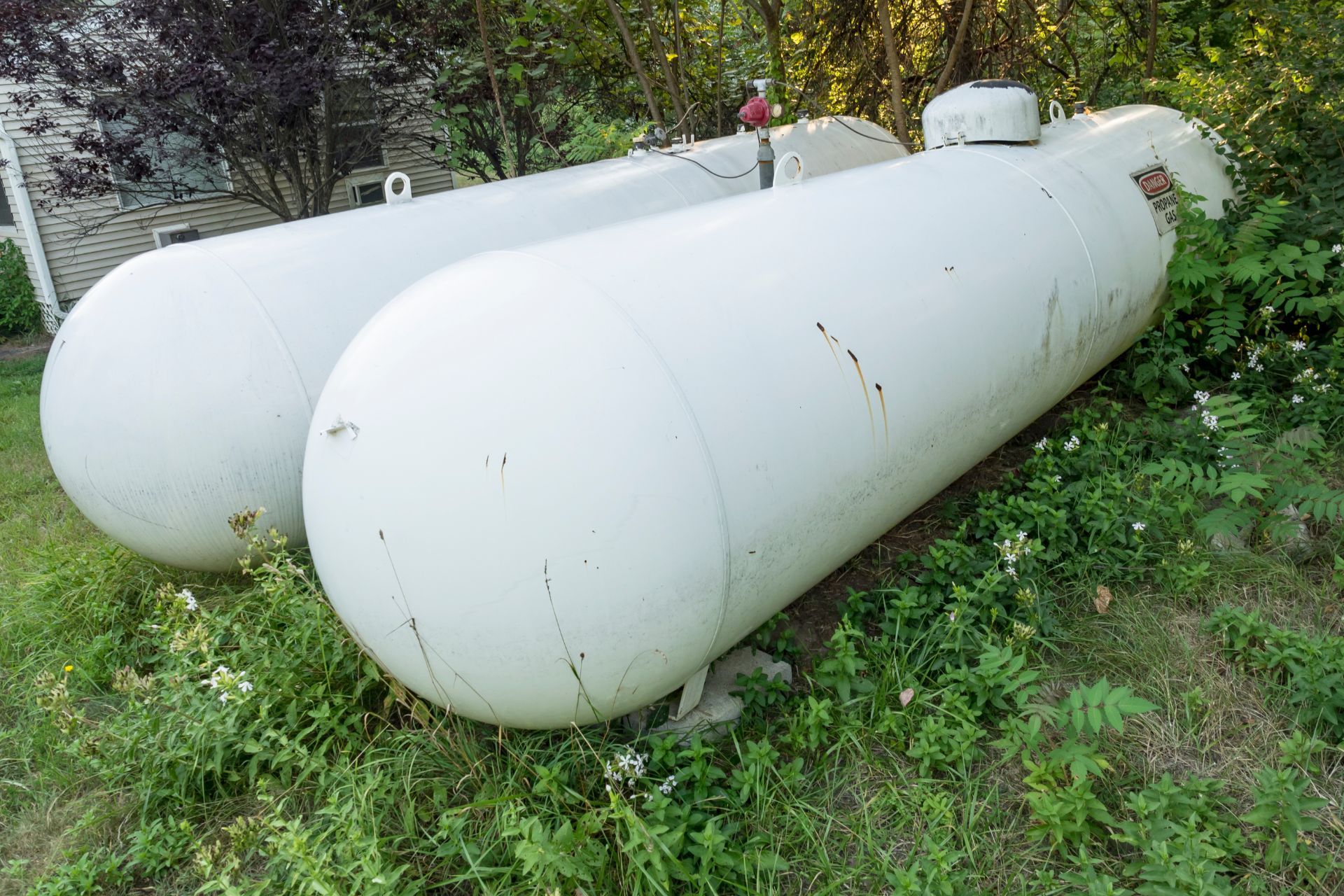
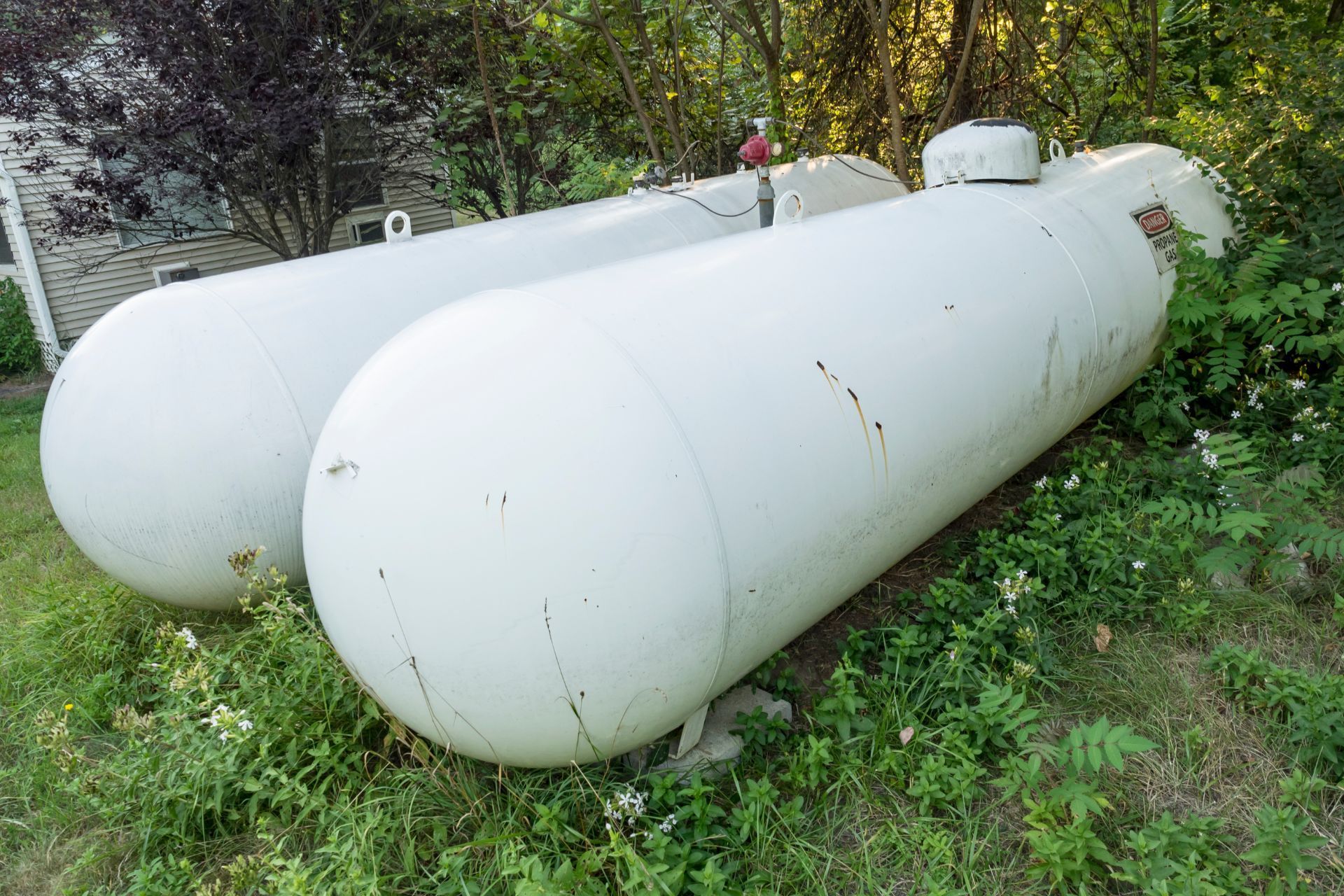
It’s derived from natural gas processing and petroleum refining, making it widely available. When you use propane, it’s stored in liquid form under pressure in tanks.
Once you release it, it turns into gas, which you can ignite easily. This efficient fuel provides energy for home heating systems, water heaters, and even outdoor grills.
Its high energy content means you get more heat from less fuel, making it an economical choice.
Understanding how propane works helps you appreciate its versatility and the importance of handling it safely for all your energy needs.
The Risks of Propane Gas: Asphyxiation and Poisoning
Although it's a common fuel source, the risks associated with propane gas, particularly asphyxiation and poisoning, shouldn't be underestimated.
When propane leaks, it can displace oxygen in the air, leading to asphyxiation. You mightn't even notice it at first, but symptoms like dizziness, shortness of breath, and confusion can quickly escalate.
Additionally, propane can cause poisoning if inhaled in large amounts. This can lead to symptoms ranging from headaches to more severe respiratory issues.
Always ensure proper ventilation when using propane appliances, and install carbon monoxide detectors to alert you to dangerous levels.
Regularly check for leaks and be aware of your surroundings to minimize these risks and keep yourself safe.
Explosion Hazards: How Propane Can Lead to Catastrophic Incidents
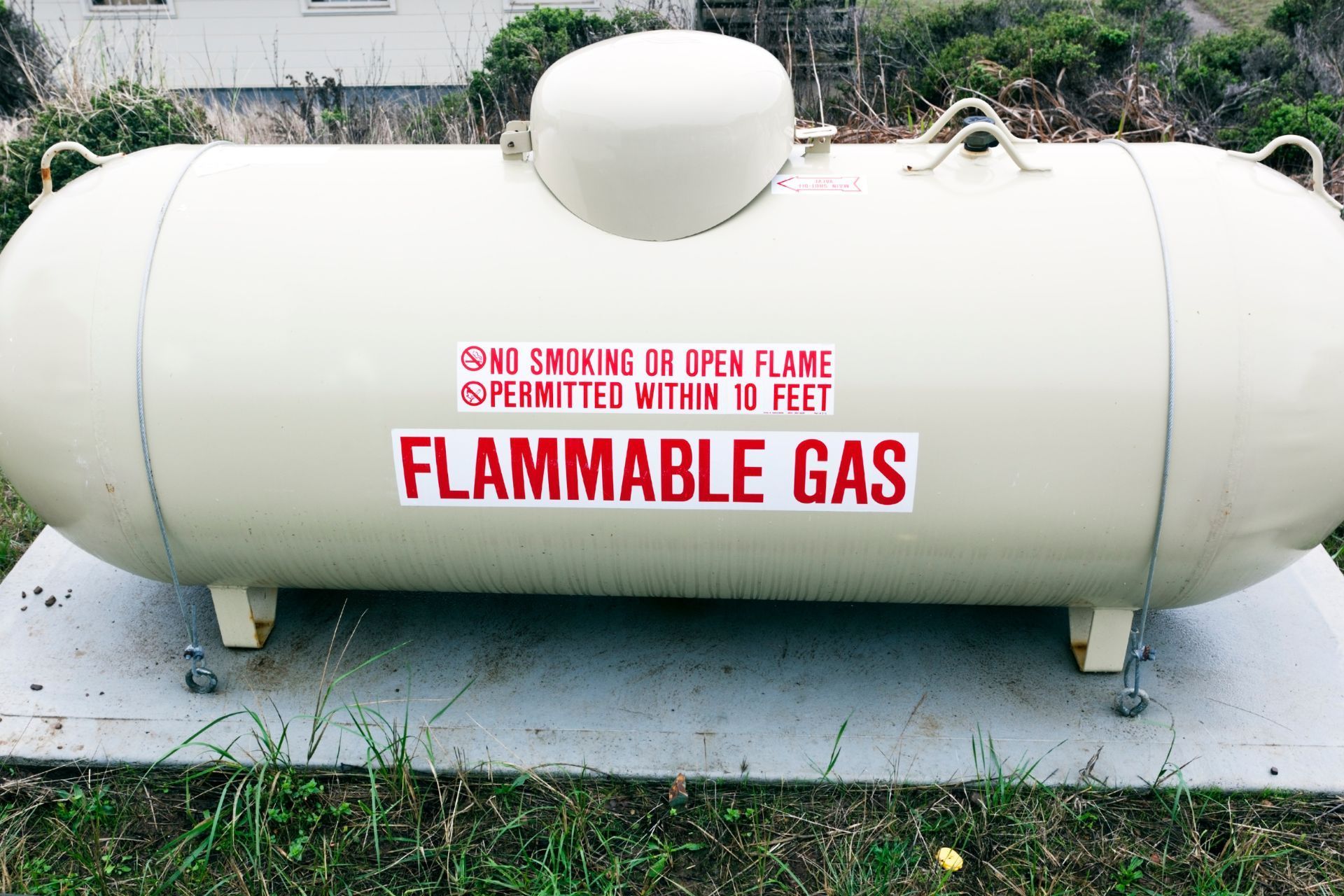
How can something as commonplace as propane lead to devastating explosions? When mishandled or stored improperly, propane can accumulate and create a highly flammable environment.
If a leak occurs, even a tiny spark from an appliance or static electricity can ignite the gas, resulting in catastrophic blasts. You mightn't realize that propane is heavier than air, allowing it to pool in low areas, increasing the risk of an explosion.
Additionally, overfilled tanks or faulty equipment can exacerbate these dangers. It’s crucial to understand the potential hazards and take precautions seriously.
Regularly inspect your propane systems and ensure proper ventilation. Ignoring these risks can turn everyday activities into life-threatening situations, putting you and those around you in grave danger.
Signs of Propane Leaks: Recognizing the Warning Signs
Have you ever wondered how to spot a propane leak before it becomes a serious danger? Recognizing the warning signs can save you and your loved ones from harm.
First, pay attention to the smell; propane has a distinct, sulfur-like odor, often described as rotten eggs. If you detect this scent, act immediately.
Listen for hissing or whistling sounds near propane appliances or tanks, which might indicate escaping gas.
Check for dead or discolored vegetation around your propane lines, as this can signal a leak.
Finally, be alert for unexplained symptoms like headaches, dizziness, or nausea, which can occur from exposure to propane.
Trust your instincts—if something feels off, investigate further or call a professional.
Safe Storage and Handling of Propane Gas
Proper storage and handling of propane gas is crucial for ensuring safety.
Always store propane tanks in an upright position in a well-ventilated area, away from heat sources or direct sunlight. Ensure the storage area is free from flammable materials and keep tanks secured to prevent tipping.
When handling propane, wear protective gear and check for leaks using soapy water before use. Don’t overfill tanks; follow manufacturer guidelines for safe capacity. Always turn off the valve when not in use and never leave a lit grill unattended.
If you’re transporting propane, keep it in your vehicle’s trunk and ensure it’s secured. By following these guidelines, you can significantly reduce the risk of incidents related to propane gas.
Emergency Response: What to Do in Case of a Propane Leak
What should you do if you smell gas? First, don’t panic. Immediately leave the area and ensure everyone else does too.
Avoid using electrical switches, open flames, or anything that could ignite the gas. Once you’re at a safe distance, call your propane supplier or emergency services to report the leak.
Don’t attempt to locate the leak yourself or try to fix it. If you’re indoors, open windows and doors to ventilate the space as you exit.
Stay away from the area until professionals arrive and declare it safe. Remember, your safety is the priority; never underestimate the dangers of propane gas.
Always be aware of your surroundings and act quickly in case of a leak.
Propane Safety Regulations: Understanding Compliance Standards
Understanding propane safety regulations is crucial for anyone using this fuel source, as compliance standards are designed to protect you and your property.
You need to familiarize yourself with the National Fire Protection Association (NFPA) codes and local laws regarding propane use. These regulations cover everything from installation and maintenance to storage and transportation.
Make sure your propane appliances are certified, and always use qualified professionals for installation and repairs. Regular inspections can help identify potential hazards before they escalate.
Additionally, you should be aware of proper ventilation and leak detection methods. By adhering to these standards, you not only ensure your safety but also contribute to the well-being of those around you.
Compliance keeps everyone safe.
Educating Others: Spreading Awareness About Propane Risks
While many people enjoy the benefits of propane for heating and cooking, it's essential to recognize the potential dangers associated with its use. You can help spread awareness by educating friends and family about propane risks.
Start by sharing information on safe storage, proper ventilation, and recognizing signs of leaks, like the smell of rotten eggs. Encourage others to install carbon monoxide detectors and keep fire extinguishers nearby.
Host discussions or workshops in your community to address safety practices and emergency procedures. Use social media to share articles, safety tips, and personal experiences related to propane safety.
Conclusion
In conclusion, propane gas can be deadly if not handled with care. By understanding the risks of asphyxiation, poisoning, and explosions, you can take necessary precautions to protect yourself and others. Always be vigilant for signs of leaks and follow safety guidelines for storage and handling. In case of an emergency, knowing how to respond can save lives. Spread awareness about the dangers of propane and help create a safer environment for everyone.