Facts & Myths About Propane: What Everyone Should Know
When it comes to propane, many misconceptions linger that can cloud your understanding of this energy source. You might think it's only for rural areas or that it poses serious safety risks. However, the truth is more nuanced. As we explore the facts and myths surrounding propane, you'll discover its real benefits and applications. What you learn might just change the way you view this versatile fuel.
What Is Propane and How Is It Made?
When you think about energy sources, propane mightn't be the first one that comes to mind, but it's a versatile fuel used in many applications.
Propane, a hydrocarbon gas, falls under the category of liquefied petroleum gas (LPG). It’s primarily produced during natural gas processing and petroleum refining. When natural gas is extracted, propane separates and is captured for further use.
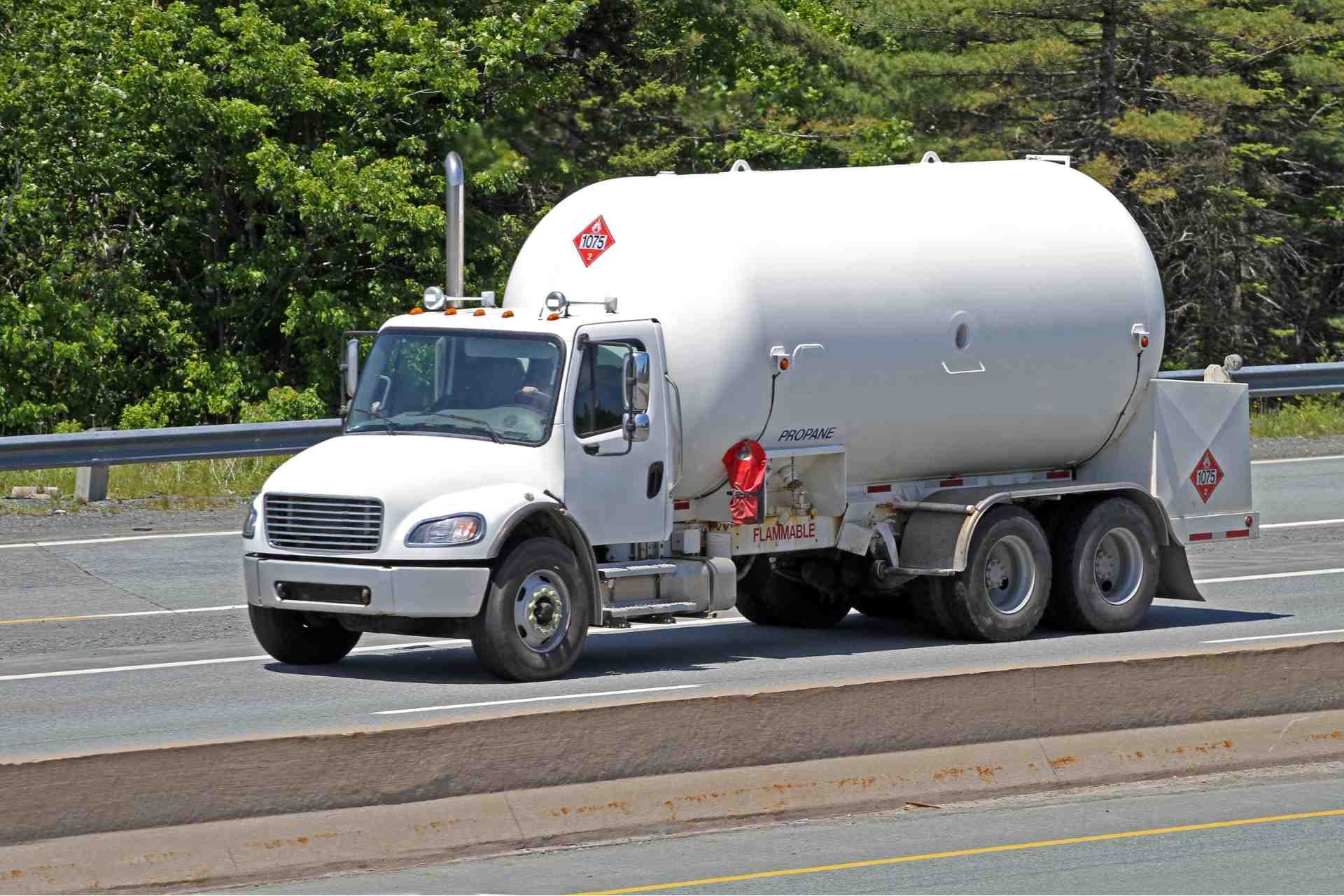
The process involves cooling the gas to a liquid state under pressure, making it easier to store and transport.
Propane’s chemical formula is C3H8, indicating it contains three carbon atoms and eight hydrogen atoms. This composition gives it a high energy content, making it efficient for heating and powering various equipment, even if you don’t realize it’s all around you.
Common Uses of Propane
Propane's versatility makes it a popular choice for a wide range of applications. You can use it for heating your home, powering appliances, and fueling outdoor grills.
It's also great for water heating and drying clothes. If you enjoy camping, propane can power your portable stoves and heaters, making your outdoor experience more comfortable.
In agriculture, you might find it used for crop drying and livestock heating. Additionally, propane’s efficiency makes it a smart option for commercial operations, such as restaurants and warehouses, where it can help run equipment and heating systems.
With all these uses, it’s clear why propane remains a favored energy source for both residential and commercial needs.
Propane vs. Natural Gas: Key Differences
Understanding the differences between propane and natural gas can help you make informed decisions about your energy needs. Both fuels serve similar purposes, but they've distinct characteristics.
Propane is a byproduct of natural gas processing and petroleum refining, while natural gas primarily consists of methane. Propane is stored in liquid form in tanks, making it portable, whereas natural gas is delivered through pipelines.
When it comes to energy content, propane offers more BTUs per gallon compared to natural gas, which can lead to greater efficiency in some applications. Additionally, propane tends to heat spaces faster.
Lastly, consider your location, as propane is often used in rural areas without natural gas access. Choose based on availability and your specific needs.
Safety Myths: Is Propane Dangerous?
Is propane really as dangerous as some people think? While it’s true that propane is a flammable gas, it’s not inherently dangerous when handled properly.
In fact, propane is often considered safer than many other fuels. As long as you follow safety guidelines, such as proper storage and regular maintenance of equipment, you can minimize risks significantly.
Many safety features, like odorants added to detect leaks and pressure relief valves, help ensure safe usage.
It's essential to be informed and vigilant, but don't let myths scare you away from using propane responsibly. When used correctly, propane can be a safe and efficient energy source for your home and business.
Stay educated, and you’ll navigate propane safely.
Environmental Impact of Propane
Although it’s often overshadowed by other fuels, propane has a surprisingly low environmental impact when compared to many traditional energy sources.
When you choose propane, you’re opting for a clean-burning fuel that produces fewer greenhouse gas emissions than coal or oil. It emits significantly lower levels of carbon dioxide and particulate matter, making it a more environmentally friendly choice for heating and cooking.
Propane's efficiency means you’ll use less fuel overall, which further reduces your carbon footprint. Plus, it's a non-toxic fuel that doesn’t contaminate groundwater, unlike some other fossil fuels.
Cost-Effectiveness of Propane as an Energy Source
When you’re looking for an energy source that won’t break the bank, propane proves to be a cost-effective option. Compared to electricity and other fuels, propane often offers lower prices, making it a smart choice for heating, cooking, and powering appliances.
You’ll notice that propane appliances generally consume less energy, which can lead to significant savings on your utility bills. Additionally, propane’s efficiency means you get more energy per gallon than many alternatives, so you’ll need less to achieve the same results.
Furthermore, propane’s price stability helps you avoid the unpredictable spikes common with other energy sources. By choosing propane, you’re not just saving money, but also ensuring reliable performance for your energy needs.
Propane Storage: Facts You Need to Know
Proper propane storage is essential for safety and efficiency, and there are a few key facts you should know.
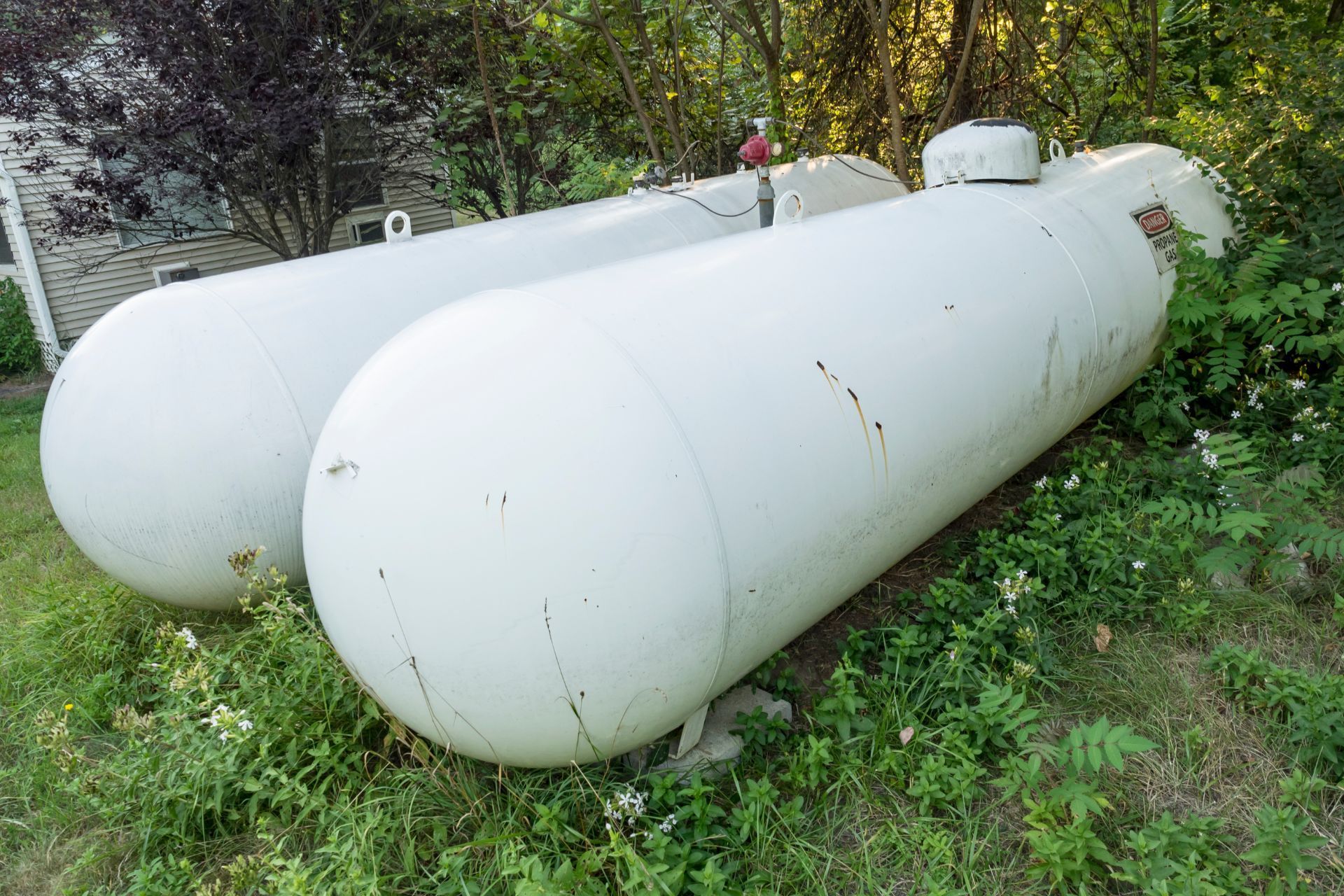
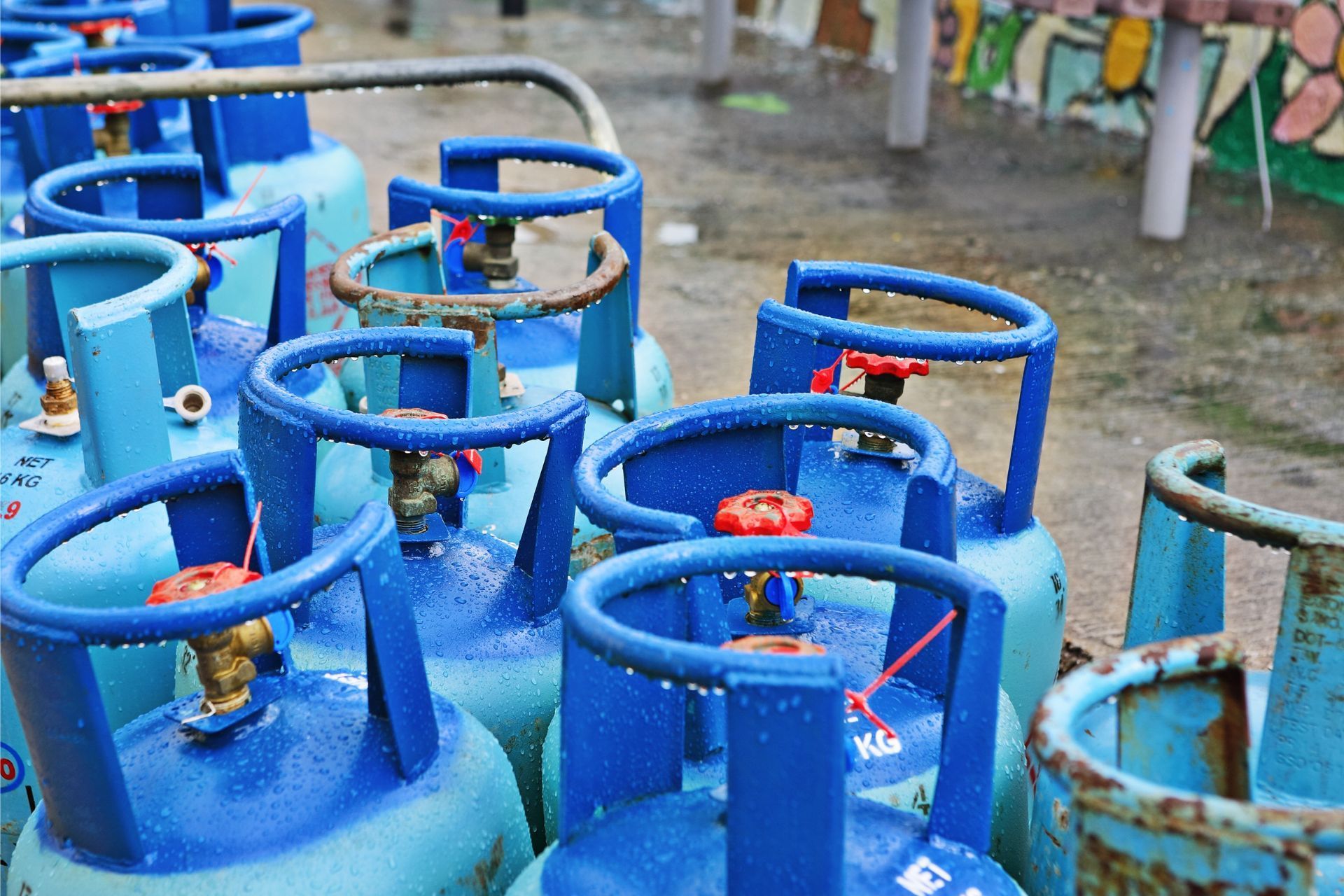
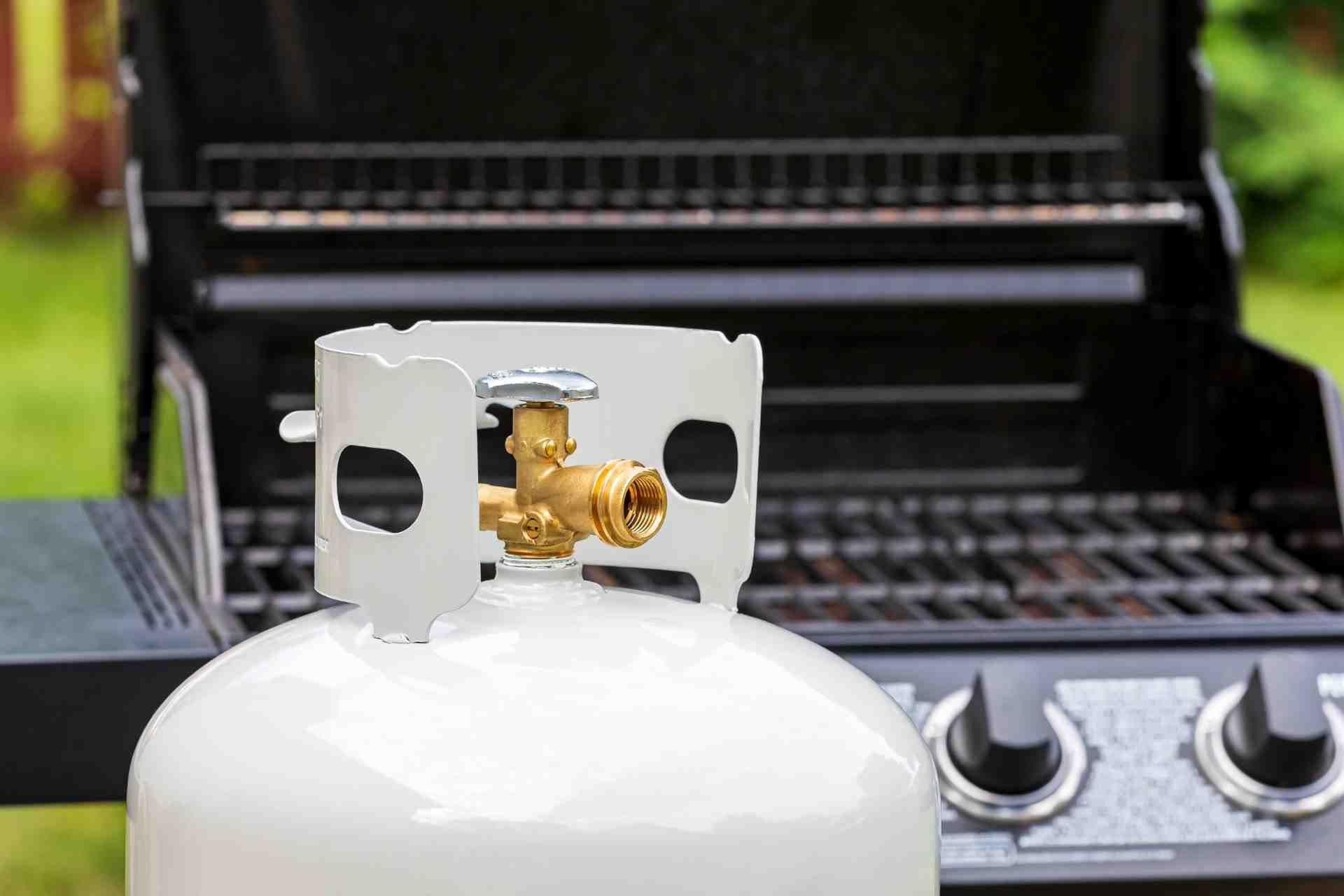
First, always keep propane tanks upright and in a well-ventilated area, away from heat sources or direct sunlight. Make sure the storage site is free from flammable materials.
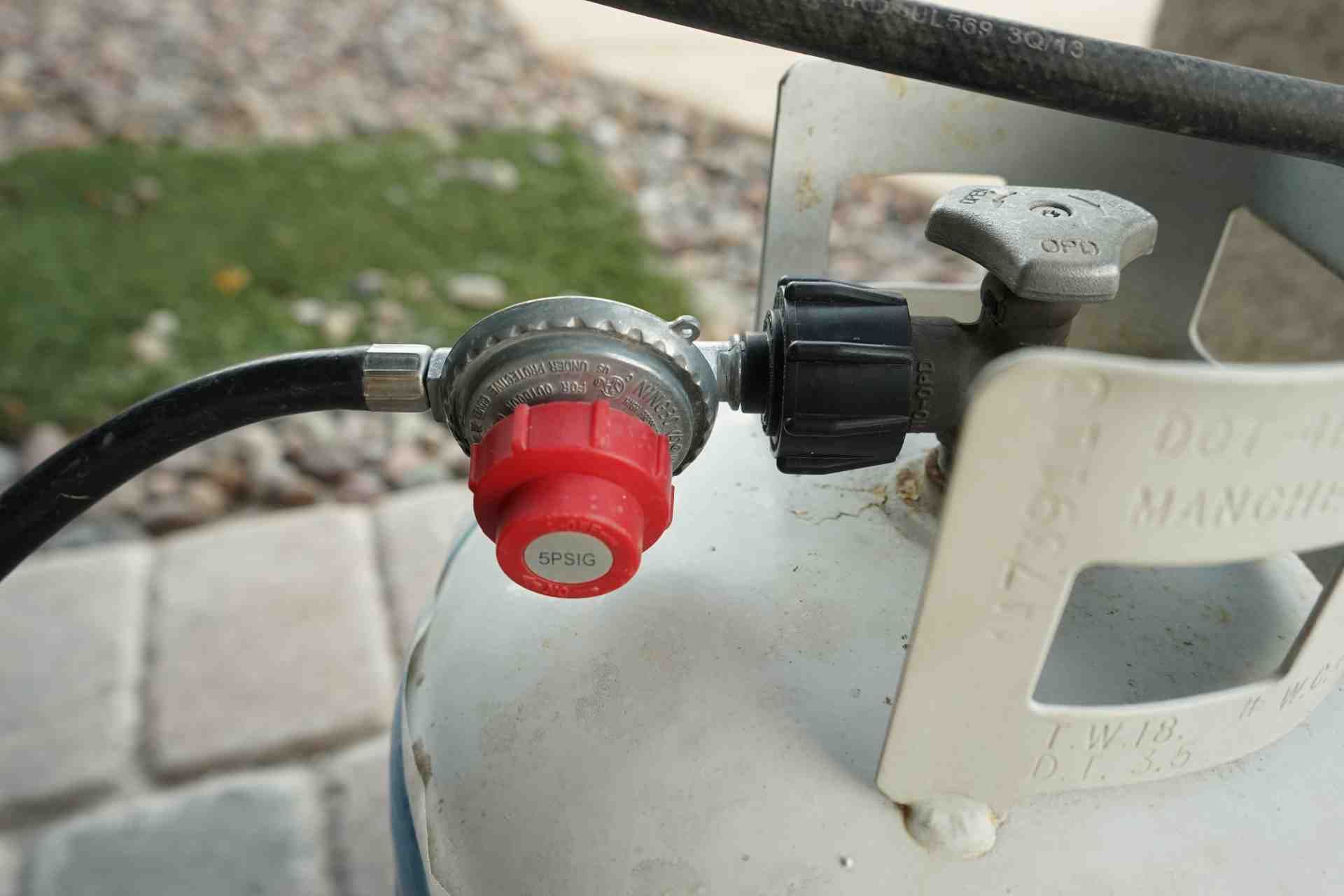
Regularly inspect your tanks for leaks or damages; if you smell gas, evacuate the area and contact a professional. Ensure your tanks are certified and filled by a licensed supplier.
Remember, never store propane indoors or in enclosed spaces, as this can create hazardous conditions.
Lastly, keep your tanks locked and out of reach of children.
Following these guidelines will help you store propane safely and effectively.
The Truth About Propane and Indoor Air Quality
Understanding how propane affects indoor air quality is crucial, especially if you rely on it for heating or cooking.
Propane is a clean-burning fuel, producing fewer pollutants compared to other fossil fuels. When used properly, it can help maintain good indoor air quality by minimizing harmful emissions.
However, it’s essential to ensure proper ventilation in your home. Poor ventilation can lead to a buildup of carbon monoxide and other harmful gases, even from clean-burning fuels like propane.
Regular maintenance of your appliances is key to preventing leaks and ensuring they operate efficiently. By taking these precautions, you can enjoy the benefits of propane while keeping your indoor air safe and healthy.
Always prioritize safety and stay informed about best practices for propane use.
Misconceptions About Propane Appliances
Many people hold misconceptions about propane appliances that can lead to confusion or hesitation in using them. One common myth is that propane appliances are less efficient than electric ones. In reality, propane appliances can provide faster heating and more consistent performance.
Another misconception is that propane is dangerous and prone to explosions. When properly installed and maintained, propane appliances are safe and reliable.
Some also believe that propane appliances are only suitable for outdoor use, but many are designed for indoor environments, offering comfort and convenience.
Lastly, people often think propane is only for grilling, but it powers a variety of appliances, from water heaters to dryers. Understanding these facts can help you make informed choices about propane.
The Future of Propane in Energy Solutions
As energy demands continue to evolve, propane is poised to play a crucial role in the future of energy solutions. Its versatility makes it an ideal choice for various applications, from residential heating to powering vehicles.
You’ll find that propane is cleaner-burning than many fossil fuels, which helps reduce greenhouse gas emissions.
Moreover, advancements in technology are making propane even more efficient. As more renewables come online, propane can complement these energy sources, providing reliable backup when the sun isn’t shining or the wind isn’t blowing.
With its ability to transition smoothly into a low-carbon future, you can see that propane isn't just a temporary fix but a sustainable solution for energy needs moving forward.
Conclusion
In conclusion, understanding propane is key to appreciating its benefits. It’s a cleaner energy source that’s safe when used correctly, and it’s not just for rural areas anymore. By debunking common myths, you can make informed decisions about using propane in your home or business. Embrace its versatility and efficiency, and consider how it can enhance your energy solutions while being environmentally friendly. Propane could be the energy choice you didn’t know you needed!