Is Propane a Clean Energy Source?

April 16, 2024

Imagine a tranquil evening with a warm glow emanating from your outdoor propane fire pit. But is propane a clean energy source?


The debate surrounding propane as a clean energy source is multifaceted, taking into account various aspects such as its environmental impact, advantages, and drawbacks.


As you evaluate the role of propane in the realm of sustainable energy, you'll uncover compelling insights that may reshape your perspective on its use.


Environmental Impact of Propane

When considering the environmental impact of propane, it's important to analyze its carbon footprint and emissions compared to other energy sources. Propane is known for burning cleaner than many other fossil fuels, emitting lower levels of greenhouse gases and pollutants. This makes it a more environmentally friendly option for heating homes, powering appliances, and fueling vehicles.


Compared to gasoline and diesel, propane produces fewer harmful emissions such as carbon monoxide, nitrogen oxide, and particulate matter. It also has a lower carbon content, leading to reduced greenhouse gas emissions when combusted. In addition, propane is non-toxic and insoluble in water, minimizing the risk of soil or water contamination in case of a spill.


Furthermore, propane is a versatile energy source that can be sourced domestically, reducing reliance on imported fuels and promoting energy independence. Its efficient combustion and lower emissions make it a cleaner alternative for various applications, contributing to a more sustainable energy mix.


Advantages of Propane as Fuel

Propane serves as a versatile and environmentally friendly fuel option for various applications, offering numerous advantages over traditional fossil fuels.


  • Clean and environmentally friendly: Propane is a clean-burning fuel that produces significantly fewer emissions than other fossil fuels such as gasoline and diesel. This makes it a more environmentally friendly option for powering vehicles and equipment, as well as for heating homes and businesses. In fact, propane is listed as a clean alternative fuel by the Clean Air Act and the Energy Policy Act of 1992.


  • Energy efficiency: Propane is a highly efficient fuel that can help reduce energy costs and consumption. Propane appliances tend to be more energy efficient than their electric counterparts, which can result in lower utility bills and reduced greenhouse gas emissions. For example, propane-powered water heaters, furnaces, and stoves are known to be more efficient than electric models.


  • Versatility: Propane can be used for a wide range of applications, making it a versatile fuel source. It can be used to heat homes, fuel vehicles, power generators, and run appliances such as stoves, dryers, and grills. Propane is also commonly used in industries such as agriculture, manufacturing, and construction as a clean and cost-effective fuel option.


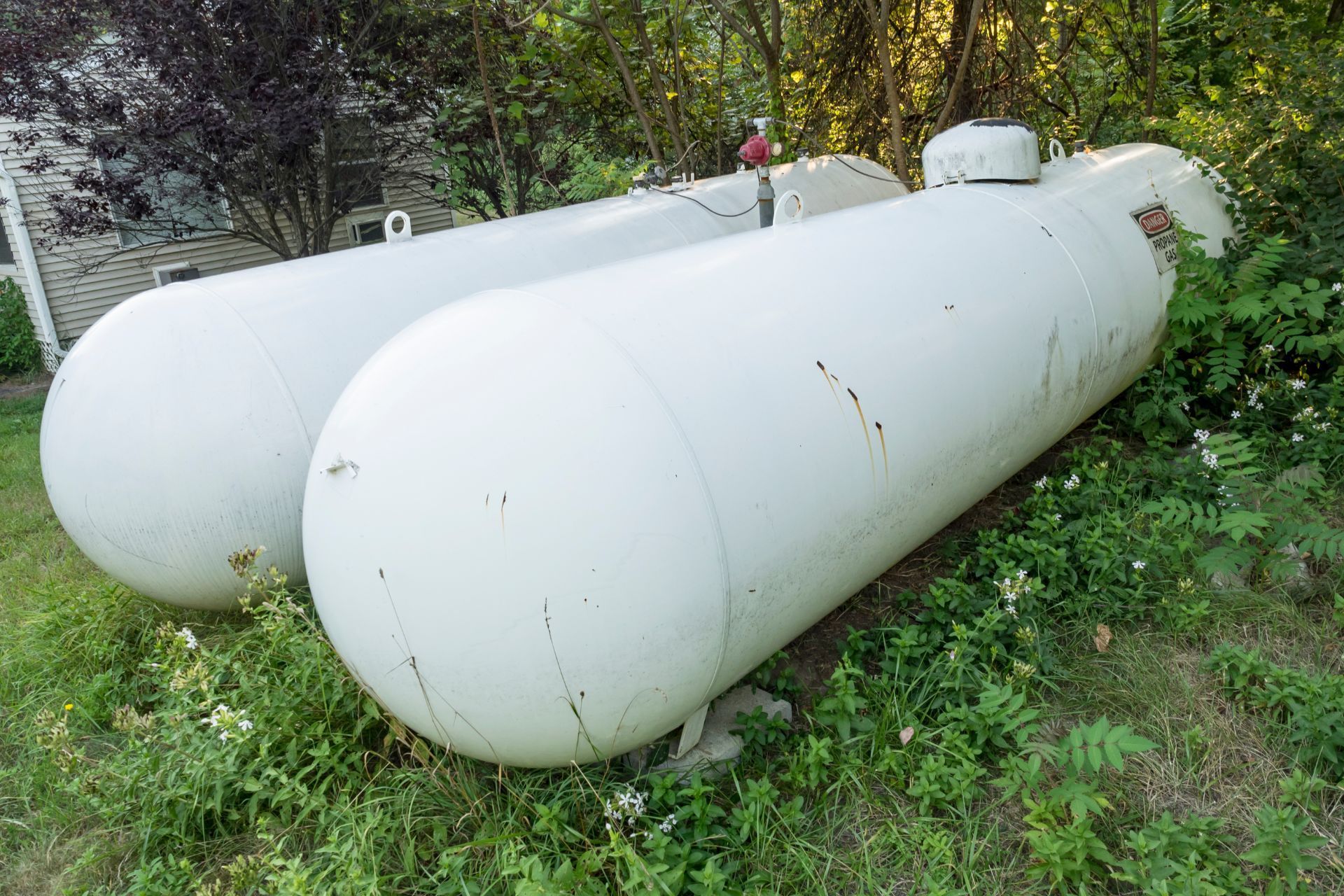
  • Easy to store and transport: Propane is a portable fuel that can be easily stored and transported in tanks or cylinders. This makes it a convenient option for powering vehicles and equipment in remote locations where access to other fuel sources may be limited. Propane tanks can be safely stored above or below ground, making it a flexible solution for residential and commercial customers.


  • Cost-effective: Propane is a cost-effective fuel option that can help businesses and homeowners save money on their energy bills. Propane prices tend to be more stable than gasoline and diesel prices, which can fluctuate due to factors such as supply and demand, geopolitical events, and weather patterns. Additionally, propane appliances are known for their longevity and low maintenance costs, which can further contribute to overall savings.


Disadvantages of Propane Usage

Despite the numerous advantages of propane as a clean and efficient fuel source, there are several notable disadvantages associated with its usage that warrant consideration. One significant drawback of propane is its flammability, making it a safety concern if mishandled or stored improperly.


Additionally, propane is a greenhouse gas when released into the atmosphere, contributing to environmental pollution and climate change. The transportation of propane also poses challenges due to the need for specialized storage and handling equipment, leading to increased costs and logistical issues.


Moreover, propane prices can be volatile, influenced by factors such as supply and demand fluctuations, geopolitical events, and weather conditions. Another disadvantage is the limited availability of propane refueling stations compared to traditional gasoline or diesel stations, which can be inconvenient for users, especially in remote areas.


These drawbacks highlight the importance of weighing the pros and cons of propane usage to make informed decisions regarding its suitability as an energy source.


Comparison With Other Energy Sources

Comparing propane with other energy sources reveals key differences in cost-effectiveness and environmental impact. Propane is often more cost-effective than electricity when used for heating, cooking, and even transportation. While electricity prices can fluctuate based on demand and the source of generation, propane prices tend to be more stable. Additionally, propane is a versatile energy source that can be used in off-grid areas where electricity may not be readily available or cost-effective to install.


Compared to traditional fossil fuels like coal and oil, propane burns much cleaner, emitting fewer greenhouse gases and pollutants. Natural gas, another commonly used energy source, is cleaner burning than coal or oil but still produces more emissions than propane. In terms of environmental impact, propane is considered a cleaner option that can help reduce carbon footprints, especially when used in high-efficiency appliances and vehicles. When considering the overall cost-effectiveness and environmental impact, propane emerges as a competitive and cleaner alternative to many other energy sources.


Propane's Role in Sustainable Future

To envision a sustainable future, understanding the pivotal role of propane in reducing emissions and promoting cleaner energy practices is essential. Propane plays a significant part in sustainable energy solutions due to its lower carbon content compared to traditional fuels like gasoline or diesel.


As a clean-burning fuel, propane emits fewer greenhouse gases and pollutants into the atmosphere, contributing to improved air quality and reduced environmental impact.


In addition to its environmental benefits, propane offers versatility in applications ranging from heating homes and powering vehicles to serving as a reliable energy source for off-grid locations. Its efficient combustion process not only reduces carbon dioxide emissions but also minimizes harmful byproducts that can harm ecosystems and human health.


Conclusion

Propane can be considered a relatively clean energy source compared to traditional fuels like gasoline or diesel. It has lower emissions and can be a more sustainable option for heating, cooking, and transportation.


While it may not be completely without drawbacks, its advantages make it a viable choice for those looking to reduce their environmental impact.


When used responsibly and efficiently, propane can play a significant role in creating a more sustainable future.
Can Propane Gas Go Bad?
January 12, 2026
When it comes to propane gas, you might wonder if it can actually go bad. While propane itself doesn’t expire like food, various factors can influence its quality over time.
Where Does Propane Gas Come From
January 9, 2026
When you think about propane gas, it's easy to overlook its origins. Most people don't realize it comes from natural gas processing and crude oil refining.
What Does Propane Gas Smell Like
January 7, 2026
When you think about propane gas, you might wonder what it actually smells like. It's distinct, often compared to the scent of rotten eggs, due to an added compound called mercaptan.
Can Propane Gas Kill You
January 5, 2026
When it comes to propane gas, many people underestimate its dangers.
The Process of Installing a Propane Tank: Permits, Installation & Safety Checks
December 10, 2025
Step-by-step guide to propane tank installation, including permits, inspections, safety checks, and expert setup.
Facts & Myths About Propane: What Everyone Should Know
December 8, 2025
Separate propane facts from myths. Learn about safety, efficiency, and why propane is a reliable energy option.
Seasonal Propane Usage Tips: How to Save in Winter & Optimize in Summer
December 5, 2025
Lower propane costs year-round with smart seasonal usage tips for winter heating and efficient summer energy use.
Propane Tank Installation: What You Need to Know (Permits, Placement, Costs)
December 3, 2025
Thinking about propane? Learn permit requirements, tank placement rules, costs, and what to expect during installation.
When to Replace Propane Equipment: furnaces, regulators, lines & more
November 10, 2025
Knowing when to replace your propane equipment is essential for both safety and efficiency. If your furnace is nearing the 15 to 20-year mark, or if your regulator is pushing 10 to 15 years, it might be time to consider an upgrade. But how do you spot the signs that something needs attention? Understanding these indicators can save you money and hassle in the long run. Let's explore what you should be on the lookout for. Understanding the Lifespan of Propane Equipment When you invest in propane equipment, it's important to understand its lifespan, as this knowledge helps you plan for replacements and maintenance. Generally, propane furnaces last around 15 to 20 years, while regulators typically function well for about 10 to 15 years. Propane lines can last much longer, often exceeding 30 years, depending on the materials used and installation conditions. Regular maintenance can significantly extend the lifespan of your equipment, so consider scheduling annual inspections. Knowing these timelines enables you to budget effectively for future expenses and helps prevent unexpected breakdowns. Signs Your Propane Furnace Needs Replacement How can you tell if your propane furnace is nearing the end of its life? Watch for a few key signs. If your furnace requires frequent repairs or is more than 15 years old, it might be time for a replacement. Notice any unusual noises like banging or rattling? That could indicate internal issues. Additionally, if your energy bills are rising without increased usage, your furnace may be losing efficiency. You should also pay attention to uneven heating throughout your home or persistent cold spots. Lastly, if you smell gas or notice yellow flames instead of blue, it's a serious safety concern. Don't ignore these signs; they're your furnace's way of telling you it's time for an upgrade. When to Replace Your Propane Regulator A functioning propane furnace relies on various components, including the regulator, to operate efficiently and safely. If you notice inconsistent heating or a hissing sound near the regulator, it's time to investigate further. Regulators can wear out or become faulty over time, which can lead to improper gas flow. You should also replace your regulator if it's more than 10 years old, as older models may not meet current safety standards. Regular maintenance checks are crucial; if a technician identifies corrosion or damage, don't hesitate to replace it. Prioritizing your regulator's health ensures your system runs smoothly and reduces the risk of leaks or malfunctions. Always consult a professional for replacements to guarantee safety and compliance with regulations. Identifying Issues With Propane Lines Identifying issues with propane lines is crucial for maintaining safety and efficiency in your propane system. Start by visually inspecting the lines for any signs of wear, such as cracks, rust, or corrosion. Pay attention to any unusual smells, as a strong odor could indicate a leak. You should also listen for hissing sounds near the lines, which can signal escaping gas. Additionally, check for loose connections and ensure that all fittings are secure. If you notice any of these issues, it's essential to address them immediately. Don't hesitate to call a professional if you're unsure about what you're seeing or hearing. Keeping your propane lines in good condition helps prevent accidents and ensures your system operates efficiently. The Importance of Regular Maintenance Checks Regular maintenance checks are vital for the longevity and safety of your propane equipment. By regularly inspecting your furnaces, regulators, and lines, you can identify potential issues before they escalate into costly repairs or safety hazards. You'll want to check for leaks, corrosion, or wear and tear that could compromise efficiency. Additionally, these checks ensure your system operates at peak performance, minimizing energy costs. Regular maintenance not only extends the lifespan of your equipment but also keeps your home safe from gas leaks or malfunctions. Don't wait for an emergency to remind you of the importance of upkeep. Schedule routine checks with a qualified technician, and you'll enjoy peace of mind knowing your propane system is in good hands. Upgrading to Energy-Efficient Propane Equipment Have you considered how upgrading to energy-efficient propane equipment can benefit both your wallet and the environment? Modern propane appliances are designed to maximize efficiency, reducing energy consumption and lowering your utility bills. By replacing outdated models with Energy Star-rated equipment, you can save significant money over time while enjoying improved performance. Additionally, these efficient systems produce fewer emissions, helping to decrease your carbon footprint. Many states and local governments offer rebates or incentives for upgrading, making the transition even more affordable. Investing in energy-efficient propane equipment not only enhances comfort in your home but also contributes to a more sustainable future. Safety Considerations for Propane System Replacement When it comes to replacing your propane system, what safety measures should you keep in mind? First, always hire a licensed professional for installation. They'll ensure compliance with local codes and safety regulations. Before starting any work, turn off the propane supply and ventilate the area. Check for leaks using soapy water on joints—bubbles indicate a problem. Ensure all connections are tight and inspect for wear or damage. If you're replacing tanks, choose the right size and type for your needs. Lastly, install carbon monoxide detectors and propane alarms in your home to alert you to any issues. Taking these precautions can help keep you and your family safe during the replacement process. Conclusion In conclusion, knowing when to replace your propane equipment is essential for safety and efficiency. Keep an eye out for signs like frequent repairs or rising bills, and don't hesitate to replace your furnace or regulator when needed. Regular maintenance checks will help you catch issues early and ensure your system runs smoothly. Upgrading to energy-efficient options can save you money in the long run, so stay proactive in caring for your propane system.
Propane Safety 101: Leak Detection, Emergency Steps & Legal Requirements
November 7, 2025
When it comes to propane safety, understanding how to detect leaks and respond appropriately is essential. You might not realize how critical it is to recognize the signs of a leak and know the proper steps to take in an emergency. This knowledge not only protects you but also ensures compliance with legal regulations. So, what should you do if you suspect a leak? Let's explore the key aspects of propane safety that every user should know. Understanding Propane and Its Properties Although you might be familiar with propane as a cooking fuel, understanding its properties can enhance your safety and usage. Propane is a colorless, odorless gas that's typically stored in liquid form under pressure. When released, it rapidly vaporizes, making it highly efficient for heating and cooking. It's important to know that propane is heavier than air, so it can accumulate in low areas, potentially creating hazards. Additionally, propane has a distinct odor added for leak detection, which helps you identify issues quickly. Its high energy content means it burns cleanly, producing minimal emissions. Familiarizing yourself with these characteristics helps you use propane safely and responsibly, ensuring both efficiency and peace of mind in your home. Recognizing the Signs of a Propane Leak Understanding the properties of propane is vital for safe usage, especially when it comes to recognizing the signs of a leak. One of the most noticeable indicators is the distinct smell of rotten eggs, which is added to propane for detection. If you ever catch this scent, take it seriously. You might also hear a hissing or whistling sound near your propane appliances or tanks, indicating gas escaping. Additionally, look for dead vegetation or a frost-like appearance on the ground around your propane equipment, as these can signal a leak. Always trust your instincts; if something feels off, investigate further. Being aware of these signs can help you act quickly and ensure your safety. Steps to Take in Case of a Propane Leak If you suspect a propane leak, it's crucial to act quickly and follow these essential steps to ensure your safety. First, leave the area immediately and get to a safe distance. Don't use any electronic devices, including phones, as they could ignite the gas. Once you're safe, call your local emergency services or the propane supplier to report the leak. Avoid turning on lights or any appliances until the area is deemed safe. If you smell gas indoors, open windows and doors to ventilate, but don't stay inside. Proper Ventilation and Storage of Propane Proper ventilation and storage of propane are essential to ensure safety in homes and businesses. Always store propane tanks outdoors in a well-ventilated area, away from heat sources, flammable materials, and enclosed spaces. Ensure the storage area is dry and away from direct sunlight to prevent pressure buildup. When using propane indoors, make sure there's adequate ventilation to allow any potential leaks to disperse. Installing carbon monoxide detectors can also enhance safety. Regularly check the area for signs of leaks or damage to tanks and hoses. If you smell gas, leave the area immediately and contact a professional. Legal Regulations Surrounding Propane Use While navigating the complexities of propane use, it's crucial to be aware of the legal regulations that govern its storage, transportation, and usage. You'll need to familiarize yourself with local, state, and federal laws to ensure compliance. These regulations often cover aspects such as tank sizing, placement restrictions, and maintenance requirements. Additionally, the National Fire Protection Association (NFPA) has guidelines that inform safety practices you must follow. Proper labeling and signage are also essential for promoting safety and awareness. Be mindful that violations can lead to hefty fines or legal action. Staying informed not only protects you but also promotes a safer environment for everyone around you. Always consult with local authorities or propane suppliers for the most accurate information. Best Practices for Propane Safety in Homes and Businesses To ensure a safe environment when using propane in homes and businesses, it's essential to adopt specific best practices. First, install propane detectors near sleeping areas and high-use locations. Regularly inspect your propane equipment for leaks and wear, and always keep the area around your propane tanks clear of debris. Ensure that you're familiar with the proper use of propane appliances and follow manufacturer guidelines. Maintain ventilation in areas where propane is used, and never store flammable materials nearby. In case of a leak, evacuate the area immediately and call emergency services. Lastly, educate everyone in your home or business about propane safety, so they know how to respond in an emergency. Safety starts with awareness and preparation. Conclusion In conclusion, staying aware of propane safety is essential for protecting yourself and others. By recognizing the signs of a leak, knowing the steps to take in an emergency, and following proper storage and ventilation practices, you can significantly reduce risks. Don't forget to familiarize yourself with legal regulations to ensure compliance. Prioritizing these safety measures in your home or business will help create a safer environment for everyone. Stay vigilant and be prepared!