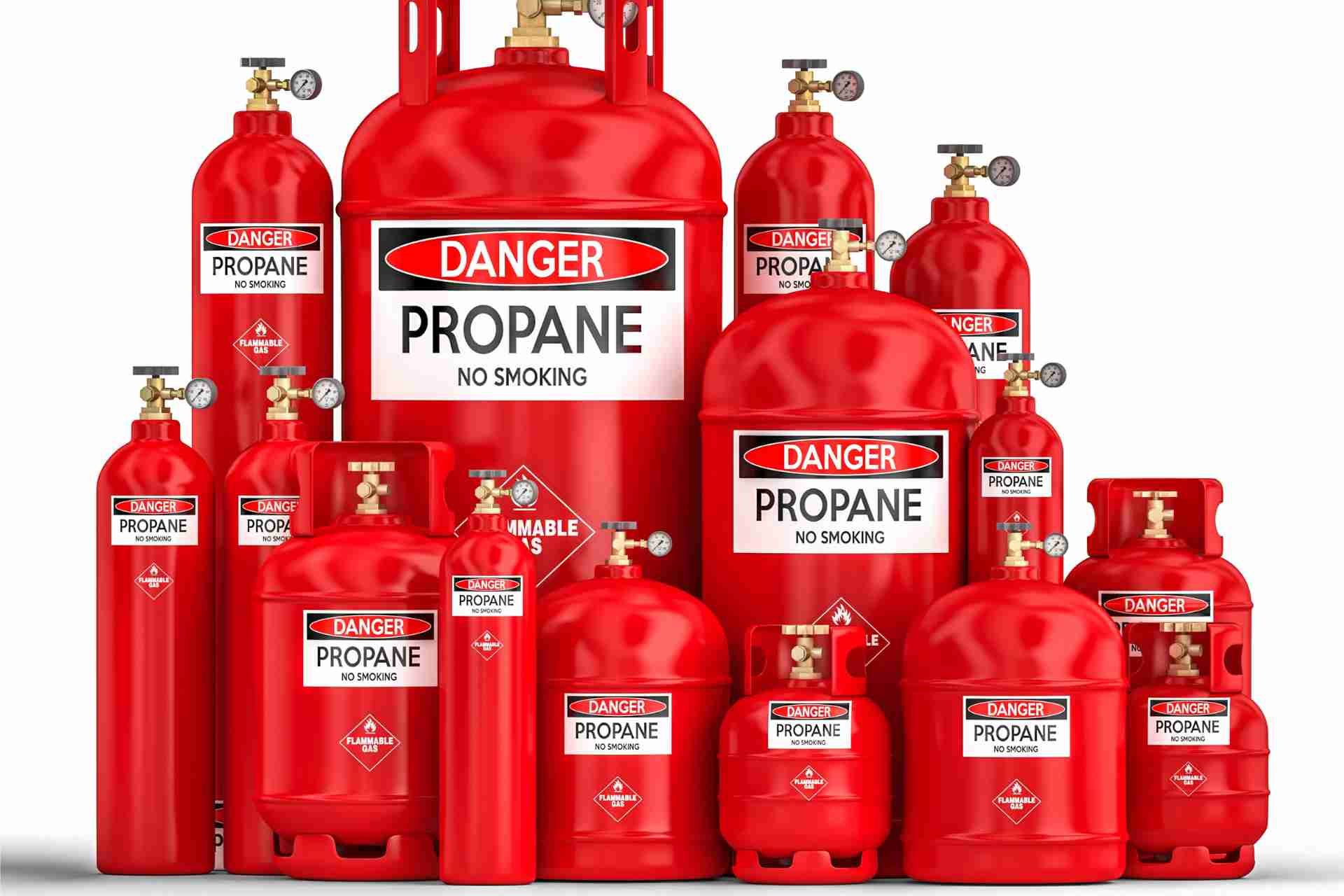
Propane Safety During Power Outage

July 24, 2024

Power outages are common occurrences during severe weather events or other emergencies.


During a power outage, propane can be an essential energy source for heating, cooking, and running generators. However, it’s crucial to handle propane with care to ensure safety. Here are some important tips and guidelines for using propane safety during power outage:
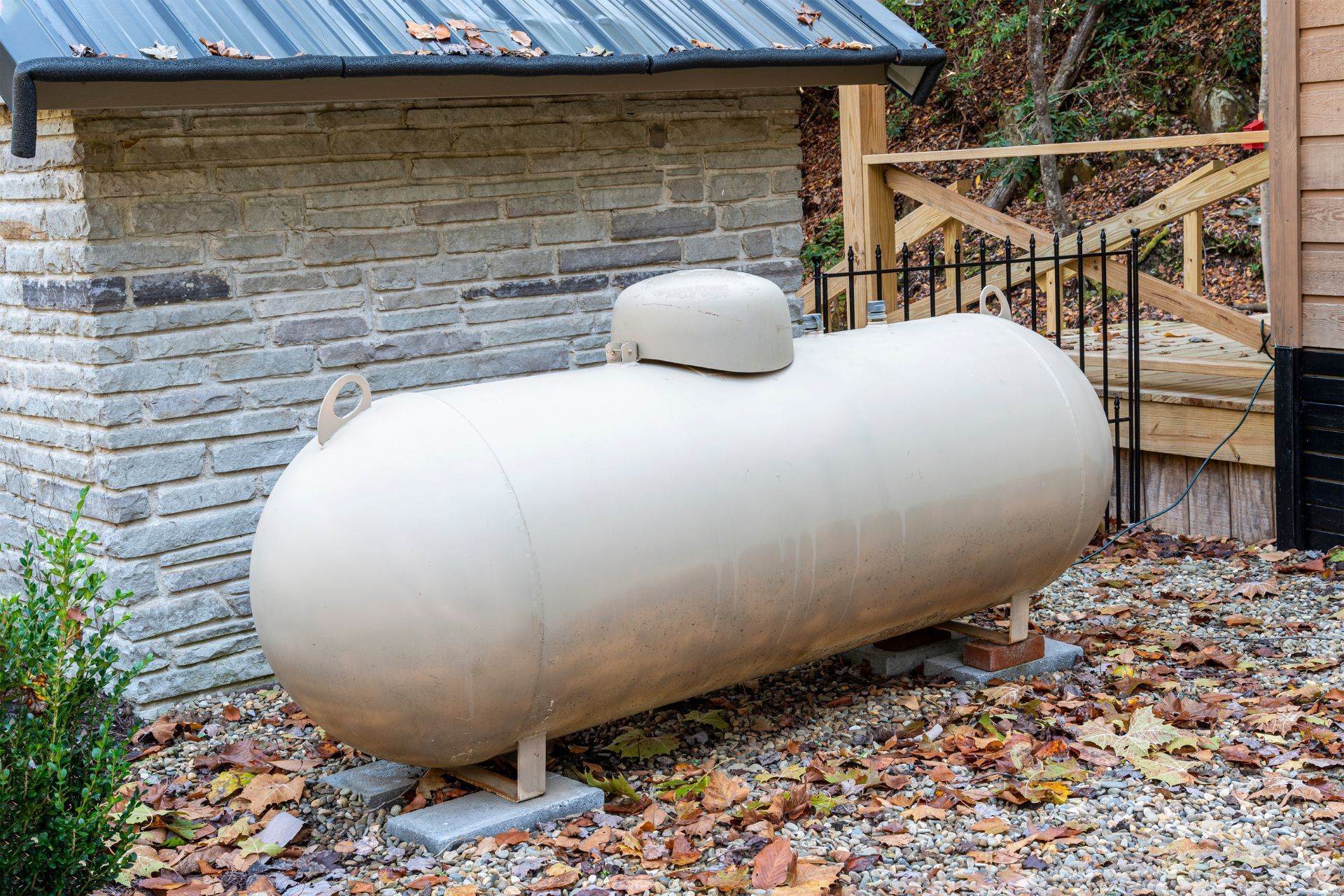
propane safety during  power outage

Inspect Your Equipment Regularly

Before a power outage occurs, take the time to inspect your propane equipment to ensure it is safe and functioning properly. This could potentially save you from a cold and uncomfortable situation if you lose power during the winter months.


Here are some tips for inspecting your propane equipment:


  • Check for Leaks: Propane leaks can be very dangerous, so it's important to check for them regularly. Use a solution of soapy water to check for bubbles at the connections and valves of your propane tank and appliances. If you see any bubbles, it could indicate a leak and you should call a professional to have it repaired.
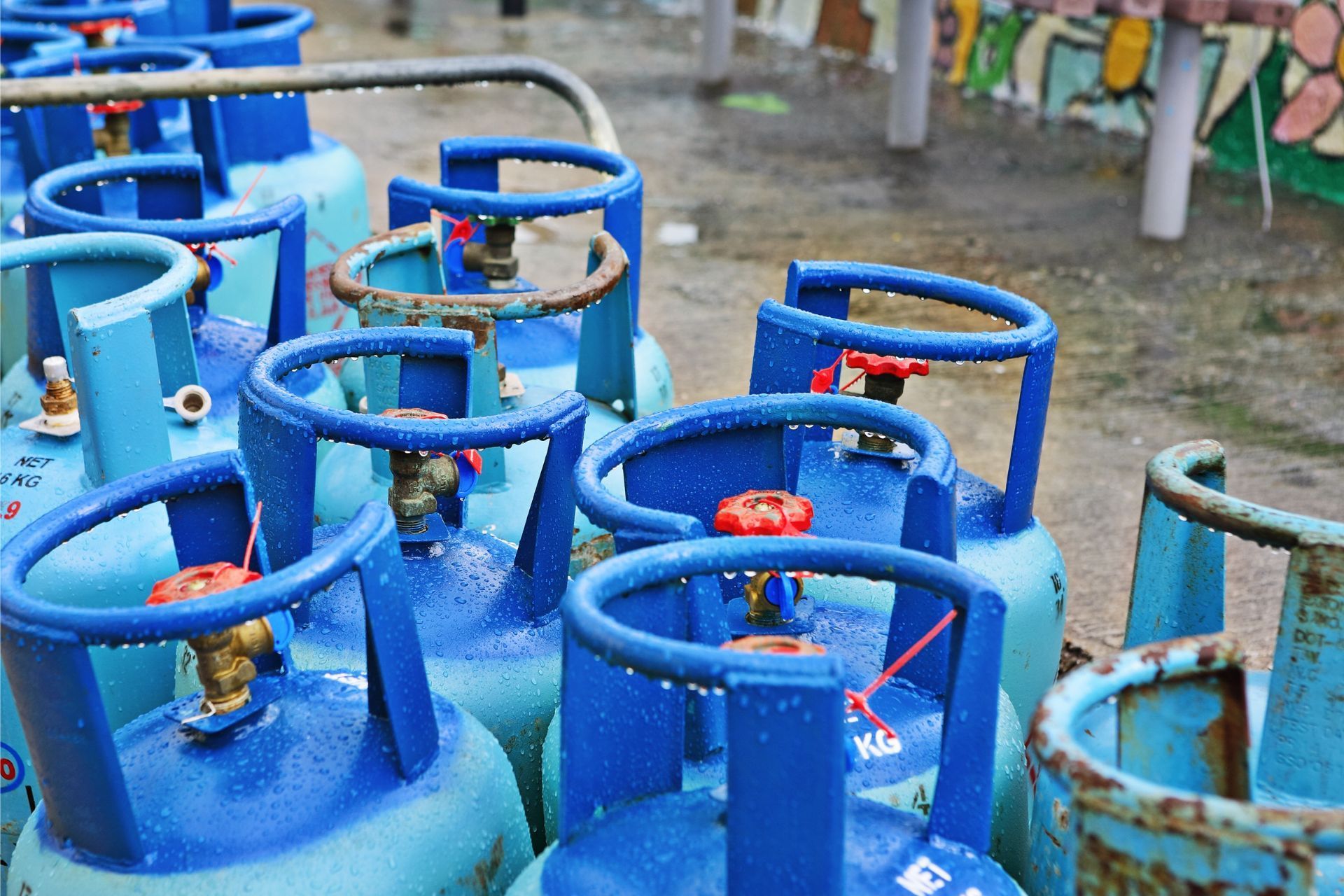
  • Look for Damage: Inspect your propane tank and appliances for any signs of damage, such as rust, dents, or corrosion. These could be indicators of a potential problem and should be addressed promptly.
  • Test Your Appliances: Turn on each of your propane appliances to make sure they are working properly. Check the flame on your stove, water heater, and furnace to ensure it is blue and steady. If you notice any issues, contact a professional for repairs.
  • Clean Around Your Propane Tank: Clear any debris or vegetation that has grown around your propane tank. This can help prevent damage and ensure proper ventilation for the tank.
  • Have Regular Maintenance: Consider scheduling a professional maintenance check for your propane equipment at least once a year. A trained technician can identify and fix any potential problems before they become major issues. By inspecting your propane equipment regularly, you can ensure it is in good working condition and ready to operate during a power outage. Don't wait until it's too late – take the time to inspect your propane equipment before winter arrives. Your comfort and safety could depend on it.


Use Propane Generators Safely

Propane generators are a popular choice for backup power due to their efficiency, reliability, and ease of use. But just like any other type of generator, they can pose risks if not used properly. Here are some safety tips to keep in mind when using a propane generator during a power outage:


  • Read the manufacturer's instructions: Before using a propane generator, make sure to read the manufacturer's instructions carefully. This will give you a better understanding of how to operate the generator safely and efficiently.
  • Use the generator outdoors: Propane generators should always be used outdoors in a well-ventilated area. This will prevent the build-up of carbon monoxide, a colorless and odorless gas that can be deadly if inhaled in large amounts. Never run a propane generator in an enclosed space, such as a garage or basement.
  • Keep the generator dry: Water and electricity don't mix, so it's important to keep your propane generator dry at all times. Make sure to set it up on a dry surface and cover it with a waterproof tarp if there's a chance of rain.
  • Use the right fuel: Propane generators are designed to run on propane, so make sure you're using the correct type of fuel. Using the wrong fuel can damage the generator and pose a safety risk.
  • Don't overload the generator: Propane generators come in various sizes and capacities, so make sure you're not overloading yours. Check the wattage requirements of the appliances you want to power and make sure the generator can handle them.
  • Keep children and pets away: Generators can get hot during operation, so it's important to keep children and pets away from them. Make sure to place the generator in a secure location where it can't be accidentally bumped or touched.


Operate Propane Appliances Safely

When a power outage occurs, many families turn to their propane appliances to continue cooking, heating, and powering their homes. While propane appliances can be incredibly useful in these situations, it's important to operate them safely to prevent accidents and ensure the well-being of everyone in the home.


Here are some tips for safely operating propane appliances during a power outage:


  • Ensure proper ventilation: When using propane appliances indoors, it's important to ensure proper ventilation to prevent the build-up of harmful gases such as carbon monoxide. Make sure that windows and doors are open to allow fresh air to circulate, and never use propane appliances in enclosed spaces.
  • Keep flammable materials away: Propane appliances can produce heat and flame, so it's important to keep flammable materials such as curtains, paper, and furniture away from the appliance to prevent fires.
  • Check for leaks: Before using propane appliances, check for any gas leaks by performing a soapy water test. Simply mix a solution of water and dish soap and apply it to the connections and hoses of the appliance. If you see any bubbles forming, this indicates a leak and the appliance should not be used until it is repaired.
  • Follow manufacturer instructions: Always follow the manufacturer's instructions for operating and maintaining propane appliances. This includes proper installation, usage, and maintenance to ensure they operate safely and efficiently.
  • Install carbon monoxide detectors: Since propane appliances can produce carbon monoxide, it's important to install carbon monoxide detectors in your home to alert you to any dangerous levels of the gas. Make sure to test the detectors regularly and replace the batteries as needed.


Detecting and Responding to Gas Leaks

The first step in detecting a gas leak is to be aware of the signs. Gas leaks often have a distinct odor that smells like rotten eggs. If you notice this smell, it is important to take immediate action. Other signs of a gas leak include hissing sounds near gas appliances, dead plants or vegetation near gas lines, and physical symptoms such as dizziness, nausea, or headaches.


If you suspect a gas leak in your home during a power outage, follow these steps to respond quickly and safely:


1. Do not use any electrical devices or appliances, including lights or cell phones, as these can create a spark and ignite the gas.

2. Open windows and doors to ventilate the area and allow the gas to dissipate.

3. Evacuate the building immediately and call 911 or your local gas company from a safe location outside.

4. Do not re-enter the building until a professional has inspected for and resolved the gas leak.

5. If you know how, turn off the gas supply to your home at the main shut-off valve. This will prevent more gas from leaking into your home.


To prevent gas leaks during a power outage, it is essential to have your gas appliances regularly maintained by a professional. Additionally, install carbon monoxide detectors in your home to alert you to the presence of dangerous gases.


Storing Propane Safely

The first step in storing propane safely during a power outage is to make sure that your propane tanks are properly secured and stored in a well-ventilated area. Propane is a highly flammable gas, so it’s important to keep it away from any potential ignition sources, such as open flames or electrical equipment. Make sure that your tanks are stored in an upright position and that they are not in danger of being knocked over or damaged.


It’s also important to regularly inspect your propane tanks for any signs of damage or wear. Look for rust, dents, or other damage that could compromise the integrity of the tank. If you notice any issues, contact a professional propane supplier to have the tank inspected and repaired.


In the event of a power outage, it’s important to have a plan in place for safely using your propane supply. Make sure that you have a working propane-powered generator or other backup source of power that you can use to keep your appliances running. If you plan to use a portable propane heater or stove during a power outage, make sure that they are properly vented to avoid the buildup of carbon monoxide.


Finally, it’s important to have a sufficient supply of propane on hand to last you through a power outage. Check your propane levels regularly and refill your tanks as needed. It’s a good idea to have at least one spare tank on hand so that you can easily switch out tanks when needed.


Emergency Preparedness

Being prepared for a power outage can help you use propane safely and efficiently.


  • Emergency Kit: Include a propane-powered flashlight, extra propane tanks, and a battery-operated carbon monoxide detector in your emergency kit.
  • Know Your System: Familiarize yourself with your propane system, including how to shut off the gas supply and where to find safety information.
  • Safety Information: Keep contact information for your propane supplier and local emergency services readily available.


Carbon Monoxide Safety

Propane appliances can produce carbon monoxide if not properly ventilated. Protect your family from carbon monoxide poisoning by taking these precautions:


  • Detectors: Install carbon monoxide detectors in your home, especially near sleeping areas and on every level of the house.
  • Maintenance: Regularly maintain and inspect propane appliances to ensure they are working correctly and venting properly.
  • Signs of CO Poisoning: Be aware of symptoms of carbon monoxide poisoning, such as headache, dizziness, nausea, and confusion. If you suspect carbon monoxide poisoning, get fresh air immediately and seek medical attention.


Having Problems with your Propane Tank?

Koopman & Sons Gas is a family-owned and operated company that has been serving the community for over 50 years. With their experience and expertise, they are the go-to experts for all propane tank-related issues. Whether you need a simple refill or a more complex repair, Koopman & Sons Gas has got you covered.


So, if you're having problems with your propane tank, don't hesitate to give Koopman & Sons Gas a call.
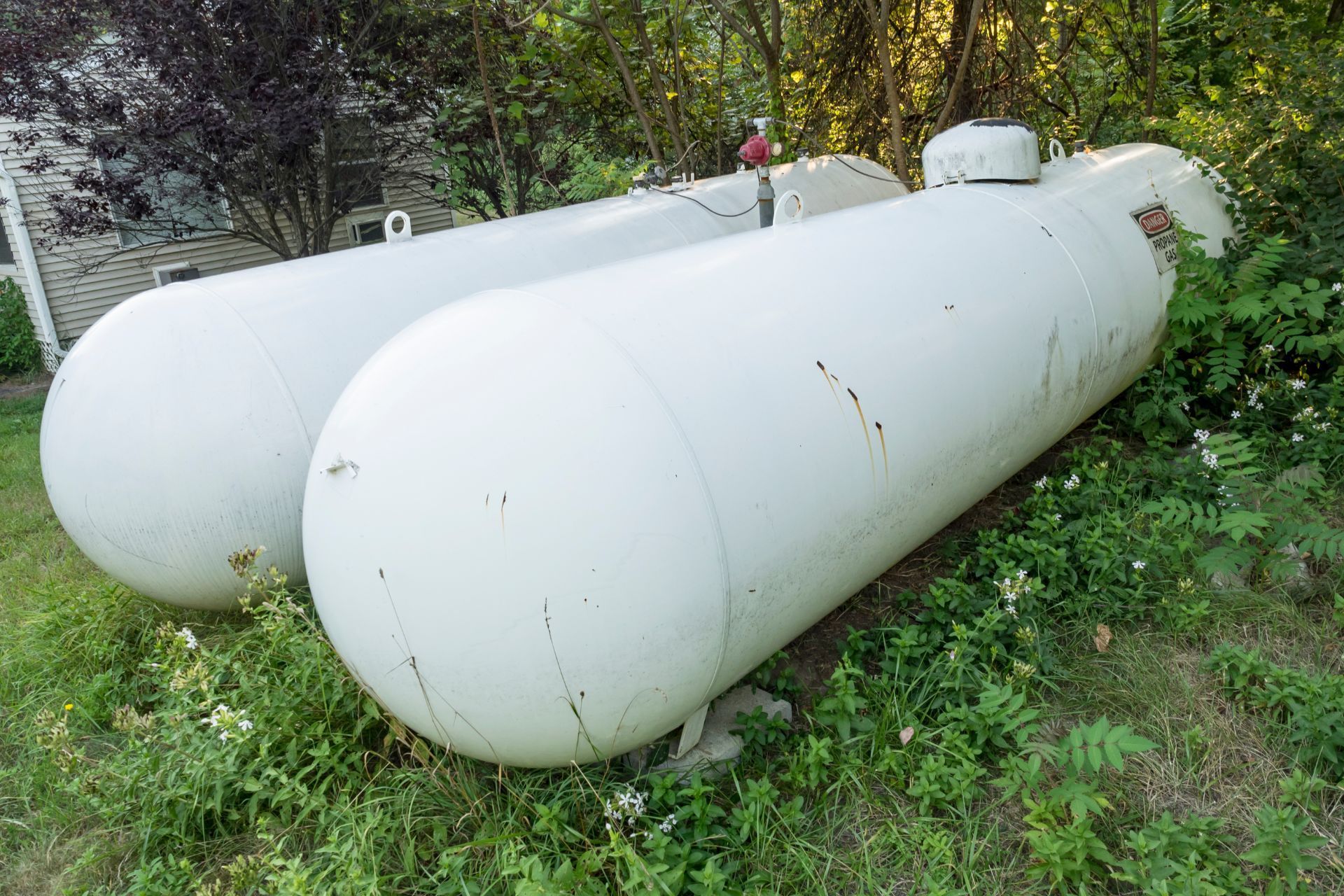
When to Replace Propane Equipment: furnaces, regulators, lines & more
November 10, 2025
Knowing when to replace your propane equipment is essential for both safety and efficiency. If your furnace is nearing the 15 to 20-year mark, or if your regulator is pushing 10 to 15 years, it might be time to consider an upgrade. But how do you spot the signs that something needs attention? Understanding these indicators can save you money and hassle in the long run. Let's explore what you should be on the lookout for. Understanding the Lifespan of Propane Equipment When you invest in propane equipment, it's important to understand its lifespan, as this knowledge helps you plan for replacements and maintenance. Generally, propane furnaces last around 15 to 20 years, while regulators typically function well for about 10 to 15 years. Propane lines can last much longer, often exceeding 30 years, depending on the materials used and installation conditions. Regular maintenance can significantly extend the lifespan of your equipment, so consider scheduling annual inspections. Knowing these timelines enables you to budget effectively for future expenses and helps prevent unexpected breakdowns. Signs Your Propane Furnace Needs Replacement How can you tell if your propane furnace is nearing the end of its life? Watch for a few key signs. If your furnace requires frequent repairs or is more than 15 years old, it might be time for a replacement. Notice any unusual noises like banging or rattling? That could indicate internal issues. Additionally, if your energy bills are rising without increased usage, your furnace may be losing efficiency. You should also pay attention to uneven heating throughout your home or persistent cold spots. Lastly, if you smell gas or notice yellow flames instead of blue, it's a serious safety concern. Don't ignore these signs; they're your furnace's way of telling you it's time for an upgrade. When to Replace Your Propane Regulator A functioning propane furnace relies on various components, including the regulator, to operate efficiently and safely. If you notice inconsistent heating or a hissing sound near the regulator, it's time to investigate further. Regulators can wear out or become faulty over time, which can lead to improper gas flow. You should also replace your regulator if it's more than 10 years old, as older models may not meet current safety standards. Regular maintenance checks are crucial; if a technician identifies corrosion or damage, don't hesitate to replace it. Prioritizing your regulator's health ensures your system runs smoothly and reduces the risk of leaks or malfunctions. Always consult a professional for replacements to guarantee safety and compliance with regulations. Identifying Issues With Propane Lines Identifying issues with propane lines is crucial for maintaining safety and efficiency in your propane system. Start by visually inspecting the lines for any signs of wear, such as cracks, rust, or corrosion. Pay attention to any unusual smells, as a strong odor could indicate a leak. You should also listen for hissing sounds near the lines, which can signal escaping gas. Additionally, check for loose connections and ensure that all fittings are secure. If you notice any of these issues, it's essential to address them immediately. Don't hesitate to call a professional if you're unsure about what you're seeing or hearing. Keeping your propane lines in good condition helps prevent accidents and ensures your system operates efficiently. The Importance of Regular Maintenance Checks Regular maintenance checks are vital for the longevity and safety of your propane equipment. By regularly inspecting your furnaces, regulators, and lines, you can identify potential issues before they escalate into costly repairs or safety hazards. You'll want to check for leaks, corrosion, or wear and tear that could compromise efficiency. Additionally, these checks ensure your system operates at peak performance, minimizing energy costs. Regular maintenance not only extends the lifespan of your equipment but also keeps your home safe from gas leaks or malfunctions. Don't wait for an emergency to remind you of the importance of upkeep. Schedule routine checks with a qualified technician, and you'll enjoy peace of mind knowing your propane system is in good hands. Upgrading to Energy-Efficient Propane Equipment Have you considered how upgrading to energy-efficient propane equipment can benefit both your wallet and the environment? Modern propane appliances are designed to maximize efficiency, reducing energy consumption and lowering your utility bills. By replacing outdated models with Energy Star-rated equipment, you can save significant money over time while enjoying improved performance. Additionally, these efficient systems produce fewer emissions, helping to decrease your carbon footprint. Many states and local governments offer rebates or incentives for upgrading, making the transition even more affordable. Investing in energy-efficient propane equipment not only enhances comfort in your home but also contributes to a more sustainable future. Safety Considerations for Propane System Replacement When it comes to replacing your propane system, what safety measures should you keep in mind? First, always hire a licensed professional for installation. They'll ensure compliance with local codes and safety regulations. Before starting any work, turn off the propane supply and ventilate the area. Check for leaks using soapy water on joints—bubbles indicate a problem. Ensure all connections are tight and inspect for wear or damage. If you're replacing tanks, choose the right size and type for your needs. Lastly, install carbon monoxide detectors and propane alarms in your home to alert you to any issues. Taking these precautions can help keep you and your family safe during the replacement process. Conclusion In conclusion, knowing when to replace your propane equipment is essential for safety and efficiency. Keep an eye out for signs like frequent repairs or rising bills, and don't hesitate to replace your furnace or regulator when needed. Regular maintenance checks will help you catch issues early and ensure your system runs smoothly. Upgrading to energy-efficient options can save you money in the long run, so stay proactive in caring for your propane system.
Propane Safety 101: Leak Detection, Emergency Steps & Legal Requirements
November 7, 2025
When it comes to propane safety, understanding how to detect leaks and respond appropriately is essential. You might not realize how critical it is to recognize the signs of a leak and know the proper steps to take in an emergency. This knowledge not only protects you but also ensures compliance with legal regulations. So, what should you do if you suspect a leak? Let's explore the key aspects of propane safety that every user should know. Understanding Propane and Its Properties Although you might be familiar with propane as a cooking fuel, understanding its properties can enhance your safety and usage. Propane is a colorless, odorless gas that's typically stored in liquid form under pressure. When released, it rapidly vaporizes, making it highly efficient for heating and cooking. It's important to know that propane is heavier than air, so it can accumulate in low areas, potentially creating hazards. Additionally, propane has a distinct odor added for leak detection, which helps you identify issues quickly. Its high energy content means it burns cleanly, producing minimal emissions. Familiarizing yourself with these characteristics helps you use propane safely and responsibly, ensuring both efficiency and peace of mind in your home. Recognizing the Signs of a Propane Leak Understanding the properties of propane is vital for safe usage, especially when it comes to recognizing the signs of a leak. One of the most noticeable indicators is the distinct smell of rotten eggs, which is added to propane for detection. If you ever catch this scent, take it seriously. You might also hear a hissing or whistling sound near your propane appliances or tanks, indicating gas escaping. Additionally, look for dead vegetation or a frost-like appearance on the ground around your propane equipment, as these can signal a leak. Always trust your instincts; if something feels off, investigate further. Being aware of these signs can help you act quickly and ensure your safety. Steps to Take in Case of a Propane Leak If you suspect a propane leak, it's crucial to act quickly and follow these essential steps to ensure your safety. First, leave the area immediately and get to a safe distance. Don't use any electronic devices, including phones, as they could ignite the gas. Once you're safe, call your local emergency services or the propane supplier to report the leak. Avoid turning on lights or any appliances until the area is deemed safe. If you smell gas indoors, open windows and doors to ventilate, but don't stay inside. Proper Ventilation and Storage of Propane Proper ventilation and storage of propane are essential to ensure safety in homes and businesses. Always store propane tanks outdoors in a well-ventilated area, away from heat sources, flammable materials, and enclosed spaces. Ensure the storage area is dry and away from direct sunlight to prevent pressure buildup. When using propane indoors, make sure there's adequate ventilation to allow any potential leaks to disperse. Installing carbon monoxide detectors can also enhance safety. Regularly check the area for signs of leaks or damage to tanks and hoses. If you smell gas, leave the area immediately and contact a professional. Legal Regulations Surrounding Propane Use While navigating the complexities of propane use, it's crucial to be aware of the legal regulations that govern its storage, transportation, and usage. You'll need to familiarize yourself with local, state, and federal laws to ensure compliance. These regulations often cover aspects such as tank sizing, placement restrictions, and maintenance requirements. Additionally, the National Fire Protection Association (NFPA) has guidelines that inform safety practices you must follow. Proper labeling and signage are also essential for promoting safety and awareness. Be mindful that violations can lead to hefty fines or legal action. Staying informed not only protects you but also promotes a safer environment for everyone around you. Always consult with local authorities or propane suppliers for the most accurate information. Best Practices for Propane Safety in Homes and Businesses To ensure a safe environment when using propane in homes and businesses, it's essential to adopt specific best practices. First, install propane detectors near sleeping areas and high-use locations. Regularly inspect your propane equipment for leaks and wear, and always keep the area around your propane tanks clear of debris. Ensure that you're familiar with the proper use of propane appliances and follow manufacturer guidelines. Maintain ventilation in areas where propane is used, and never store flammable materials nearby. In case of a leak, evacuate the area immediately and call emergency services. Lastly, educate everyone in your home or business about propane safety, so they know how to respond in an emergency. Safety starts with awareness and preparation. Conclusion In conclusion, staying aware of propane safety is essential for protecting yourself and others. By recognizing the signs of a leak, knowing the steps to take in an emergency, and following proper storage and ventilation practices, you can significantly reduce risks. Don't forget to familiarize yourself with legal regulations to ensure compliance. Prioritizing these safety measures in your home or business will help create a safer environment for everyone. Stay vigilant and be prepared!
Top Uses of Propane Beyond Heating: Grills, Outdoor Heaters, Insect Control & More
November 5, 2025
When you think of propane, heating might be the first thing that comes to mind. However, this versatile fuel offers much more than just warmth. From grilling your favorite meals to creating a cozy outdoor atmosphere, propane enhances various aspects of your life. Plus, it even plays a role in pest control and outdoor comfort. Curious about the many ways propane can elevate your outdoor experiences? Let's explore some of its top uses. Propane Grills: The Ultimate Cooking Companion When it comes to outdoor cooking, propane grills are your ultimate companion, offering convenience and versatility. You'll love how quickly they heat up, allowing you to start grilling right away. With precise temperature control, you can sear steaks, grill veggies, or even bake pizzas with ease. Plus, the portability of propane grills means you can take your cooking adventures anywhere, from backyard barbecues to camping trips. Cleaning is a breeze too—just scrape the grates and you're done. You'll appreciate the consistent heat, which ensures your food cooks evenly every time. Whether you're a novice or a seasoned grill master, propane grills provide a hassle-free way to elevate your outdoor dining experience. Outdoor Heaters: Extending Your Patio Season As the temperatures drop, outdoor heaters can transform your patio into a cozy retreat, allowing you to enjoy those crisp evenings outdoors. These versatile devices extend your outdoor living season, making it possible to entertain friends or unwind with a good book, even when the weather turns chilly. You'll find various styles, from freestanding models to wall-mounted options, so you can choose what fits your space best. Propane outdoor heaters provide quick heat, ensuring you won't have to wait long to feel comfortable. Plus, they're easy to set up and store, making them a practical choice for any patio. With an outdoor heater, you can savor those beautiful nights under the stars, no matter the season. Propane Fire Pits: Creating a Cozy Atmosphere Propane fire pits offer an inviting focal point for any outdoor gathering, creating a warm and cozy atmosphere that draws people together. You can easily set the mood with flickering flames, perfect for intimate chats or lively celebrations. Unlike traditional wood fires, propane fire pits ignite instantly and burn cleanly, meaning you won't have to deal with smoke or ashes. Plus, they're easy to control—just adjust the flame to suit your needs. With various styles and designs, you can find one that fits your outdoor aesthetic. Imagine relaxing evenings under the stars, surrounded by friends and family, all while enjoying the comfort and warmth of your propane fire pit. It's an ideal way to enhance your outdoor experience. Propane Patio Heaters: Comfort for Gatherings After enjoying the warmth of a propane fire pit, you might want to extend your outdoor gatherings into the cooler evenings. That's where propane patio heaters come in. These efficient heaters provide a cozy atmosphere, allowing you and your guests to stay comfortable while enjoying the fresh air. With adjustable heat settings, you can easily create the perfect environment for any occasion, whether it's a casual barbecue or a festive celebration. Plus, their sleek designs can enhance the aesthetics of your patio. Portable options make it easy to reposition the heater wherever you need warmth the most. Propane Appliances: Enhancing Outdoor Living Spaces When you're looking to elevate your outdoor living experience, incorporating propane appliances can make all the difference. From sleek gas grills to stylish outdoor kitchens, propane offers convenience and efficiency for outdoor cooking. Imagine grilling up a feast while enjoying the fresh air with friends and family. Propane fire pits can create a cozy atmosphere, perfect for chilly evenings, while patio heaters extend your outdoor enjoyment into cooler months. Don't forget about propane-powered outdoor lighting, which adds ambiance and safety to your space. With these appliances, you can seamlessly blend comfort and functionality, transforming your backyard into an inviting retreat. Embrace the versatility of propane and enhance your outdoor lifestyle today! Propane-Powered Generators: Reliable Energy Source Whether you're preparing for a power outage or need backup energy for outdoor events, propane-powered generators offer a reliable solution. These generators provide consistent power without the noise and emissions of traditional gas models. You'll appreciate their portability; many models are easy to transport, making them perfect for tailgating or camping. Propane's long shelf life means you can store fuel without worrying about degradation, so you'll be ready when you need it most. Plus, they start quickly and run efficiently, ensuring you won't be left in the dark. With a propane-powered generator, you can power essential appliances, lighting, and tools, giving you peace of mind when it matters most. Embrace the convenience and reliability they offer! Propane for Camping: Convenience on the Go Propane makes camping trips more convenient, allowing you to enjoy the great outdoors without sacrificing comfort. With a portable propane stove, you can whip up hot meals quickly, making it easy to fuel up for your adventures. Propane-powered lanterns provide bright, reliable light, illuminating your campsite and creating a cozy atmosphere. When it comes to staying warm during chilly nights, a propane heater can keep you snug in your tent or camper. Plus, propane's lightweight nature means you won't have to lug around heavy fuel sources. Whether you're grilling, boiling water, or lighting up the night, propane ensures you have everything you need for a comfortable and enjoyable camping experience. Embrace the convenience of propane and make your next trip unforgettable! Insect Control: Propane-Powered Solutions As summer nights beckon you outdoors, pesky insects can quickly turn your relaxation into irritation. Thankfully, propane-powered solutions can help you reclaim your space. Insect traps and foggers utilize propane to generate a mist that effectively repels mosquitoes and other unwelcome bugs. These devices are easy to use and can cover a large area, ensuring you enjoy your backyard without the constant buzzing. Another option is a propane-powered insect zapper. It attracts insects with a light and then eliminates them, providing a bug-free zone for you and your guests. With these innovative solutions, you can focus on what truly matters: enjoying warm evenings under the stars without the nuisance of insects buzzing around. Propane Pool Heaters: Enjoying Warm Water Year-Round After you've taken care of pesky insects, it's time to enhance your outdoor experience with warm, inviting water. Propane pool heaters are a fantastic option for maintaining a comfortable swimming temperature year-round. They heat your pool quickly and efficiently, allowing you to enjoy a dip whenever you want. With adjustable settings, you can easily manage water temperatures to suit your preferences. Unlike electric heaters, propane models often provide faster heating, so you won't have to wait long to dive in. Plus, they're environmentally friendly, producing fewer emissions than other fossil fuels. By investing in a propane pool heater, you'll transform your pool into a year-round oasis, making every swim an enjoyable escape from the everyday routine. Conclusion In conclusion, propane's versatility makes it an invaluable resource for enhancing your outdoor experiences. Whether you're firing up a grill, enjoying a cozy evening by the fire pit, or keeping pests at bay, propane has you covered. With its ability to power appliances, generators, and even pool heaters, you can truly elevate your outdoor living. Embrace the convenience and comfort that propane offers, and make the most of your outdoor spaces all year round!
The True Cost of Propane: What Determines Your Price per Gallon?
November 3, 2025
When it comes to propane, you might think the price per gallon is straightforward, but it's influenced by a mix of factors. Seasonal demand, market shifts, and even local competition can all play a part in what you pay. Plus, there are hidden costs in supplier contracts that can surprise you. Understanding these elements can help you make more informed choices about your propane usage. So, what really drives those fluctuating prices? Seasonal Demand Fluctuations As winter approaches, many homeowners find themselves reliant on propane for heating, which leads to noticeable seasonal demand fluctuations. You may notice that your usage spikes as temperatures drop, causing your monthly bills to rise. This increase often occurs due to a combination of colder weather and longer nights, pushing you to use more energy for warmth. You might find yourself scheduling deliveries more frequently, especially during peak months. It's essential to monitor your propane levels and keep an eye on usage to avoid unexpected shortages. Planning ahead can help you manage costs and ensure you have enough fuel for those chilly nights. Staying informed about your consumption patterns will ultimately help you make smarter decisions regarding your propane needs. Market Price Influences While various factors can affect propane prices, understanding the market influences is crucial for managing your heating costs. The global supply and demand dynamics play a significant role; when demand rises, prices often follow suit. Additionally, geopolitical events can cause fluctuations, impacting production and distribution. Weather conditions also affect market prices; colder winters can lead to higher demand and increased costs. Furthermore, crude oil prices directly influence propane, as propane is a byproduct of natural gas processing and crude oil refining. Lastly, competition among suppliers in your area can drive prices up or down, so it's smart to shop around. By staying informed about these market influences, you can better anticipate changes in your propane costs. Transportation and Delivery Costs Transportation and delivery costs can significantly impact the overall price you pay for propane. When you order propane, the distance from the supplier to your location plays a crucial role. If you live in a remote area, you might face higher delivery charges due to increased fuel consumption and travel time for the delivery truck. Additionally, the supplier's logistics, including the efficiency of their routing and scheduling, can affect costs. Seasonal demand can also lead to fluctuating delivery fees, particularly during colder months when usage spikes. Understanding these factors helps you anticipate how transportation and delivery expenses contribute to your propane bill. Ultimately, being aware of these costs can help you make informed decisions about your propane supplier. Local Competition and Pricing Strategies Understanding the dynamics of local competition can greatly influence the price you pay for propane. In areas with multiple suppliers, you'll likely find more competitive pricing. Each company wants your business, so they may offer discounts or promotions to attract you. It's wise to shop around and compare prices, as one company's rate might be significantly lower than another's. Additionally, consider the service quality and reliability of each supplier, as these factors can justify a higher price. Some companies may also employ pricing strategies like volume discounts, encouraging you to buy in bulk. By staying informed about your local market, you can make smarter choices and potentially save money on your propane costs. Supplier Contracts and Pricing Structures When exploring your options for propane, it's important to consider the terms of supplier contracts and their pricing structures. Different suppliers offer varied contracts, ranging from fixed-rate agreements to variable pricing. A fixed-rate contract locks in your price per gallon for a set period, providing stability and predictability in costs. On the other hand, variable pricing can fluctuate based on market conditions, potentially saving you money during low-demand periods but also risking higher costs during peak times. Additionally, watch for hidden fees, delivery charges, and minimum purchase requirements in your contract. Understanding these elements helps you make informed decisions, ensuring you choose the best supplier that meets your needs and budget effectively. Global Economic Factors and Trends As global economies continue to shift, the propane market is influenced by various international factors and trends. You'll notice that fluctuations in crude oil prices directly affect propane costs, as they often rise and fall together. Additionally, geopolitical tensions can disrupt supply chains, leading to price spikes. Demand for propane also varies seasonally; colder winters mean higher heating needs, impacting your costs. Trade policies and tariffs can further complicate pricing, especially if you rely on imports. Lastly, shifts toward renewable energy sources can influence propane's market position. Staying informed about these trends can help you anticipate price changes and make smarter purchasing decisions. Understanding the global landscape is crucial for managing your propane expenses effectively. Conclusion Understanding the true cost of propane goes beyond just the price you see at the pump. By considering seasonal demand, market trends, transportation fees, and local competition, you can make informed choices. Don't forget to review your supplier contracts carefully, as they can include hidden fees that affect your overall cost. Staying aware of these factors helps you manage your propane expenses better, ensuring you get the best value for your heating needs.
How to Maintain Your Propane Tank: Best Practices & Common Mistakes to Avoid
October 10, 2025
Proper maintenance of your propane tank can prevent costly issues, but are you aware of the common mistakes that could endanger your safety?
What Happens During a Propane System Inspection? What You Should Expect
October 8, 2025
Understand the key steps of a propane system inspection and what to expect, but there's more crucial information you won't want to miss.
Warning Signs of Propane Tank Problems (Leaks, Frost, Gauge Issues & More)
October 6, 2025
Noticing unusual signs with your propane tank? Discover the critical warning signs that could save you from dangerous situations.
How to Choose the Right Size Propane Tank (and Why It Matters)
October 3, 2025
You need to understand the importance of choosing the right propane tank size to avoid costly mistakes and ensure efficient fuel use.
Maximizing the Propane Tank Life Span
September 15, 2025
Breathe new life into your propane tank with essential tips for longevity—discover the surprising factors that could affect its durability.
Propane Tank Installation Requirements
September 12, 2025
Navigate the essential propane tank installation requirements to ensure safety and compliance—discover what you need to know before proceeding.