Top Uses of Propane in the Summer
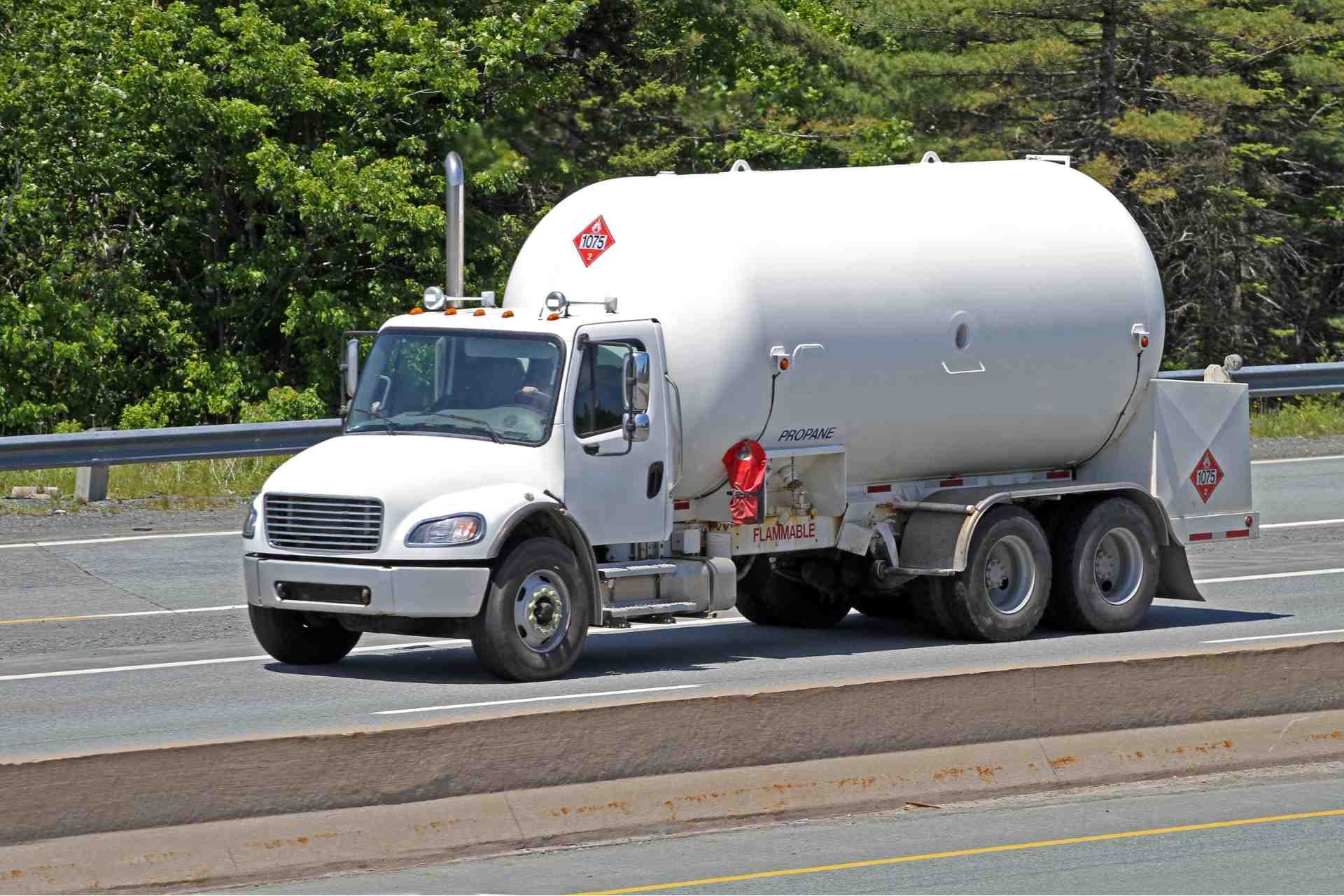
As the summer months approach, many people are looking for ways to enjoy the great outdoors and stay cool during the warmer weather. One versatile and efficient fuel that can help with both of these goals is propane. Propane is a clean-burning and affordable fuel that can be used in a variety of ways to enhance your summer experience. Here are some of the top uses of propane in the summer:
Grilling and Outdoor Cooking
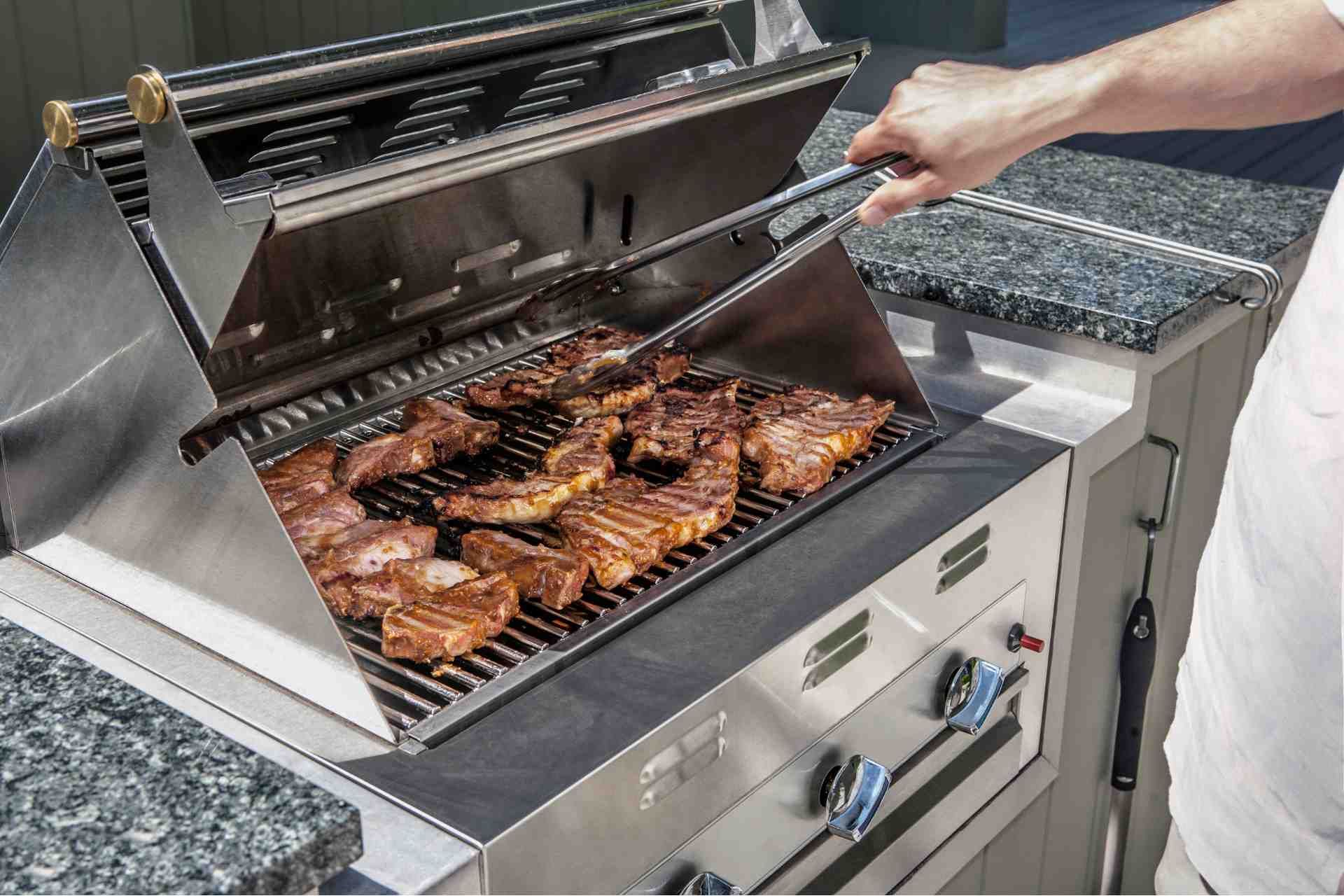
One of the most popular uses of propane in the summer is for grilling.
Propane grills are popular for a variety of reasons, including their quick heating capabilities, ease of use, and ability to cook food evenly. With propane, you can quickly get your grill up to the desired temperature and start cooking in no time. This is especially beneficial for those who like to host barbecue parties or enjoy impromptu grilling sessions with family and friends.
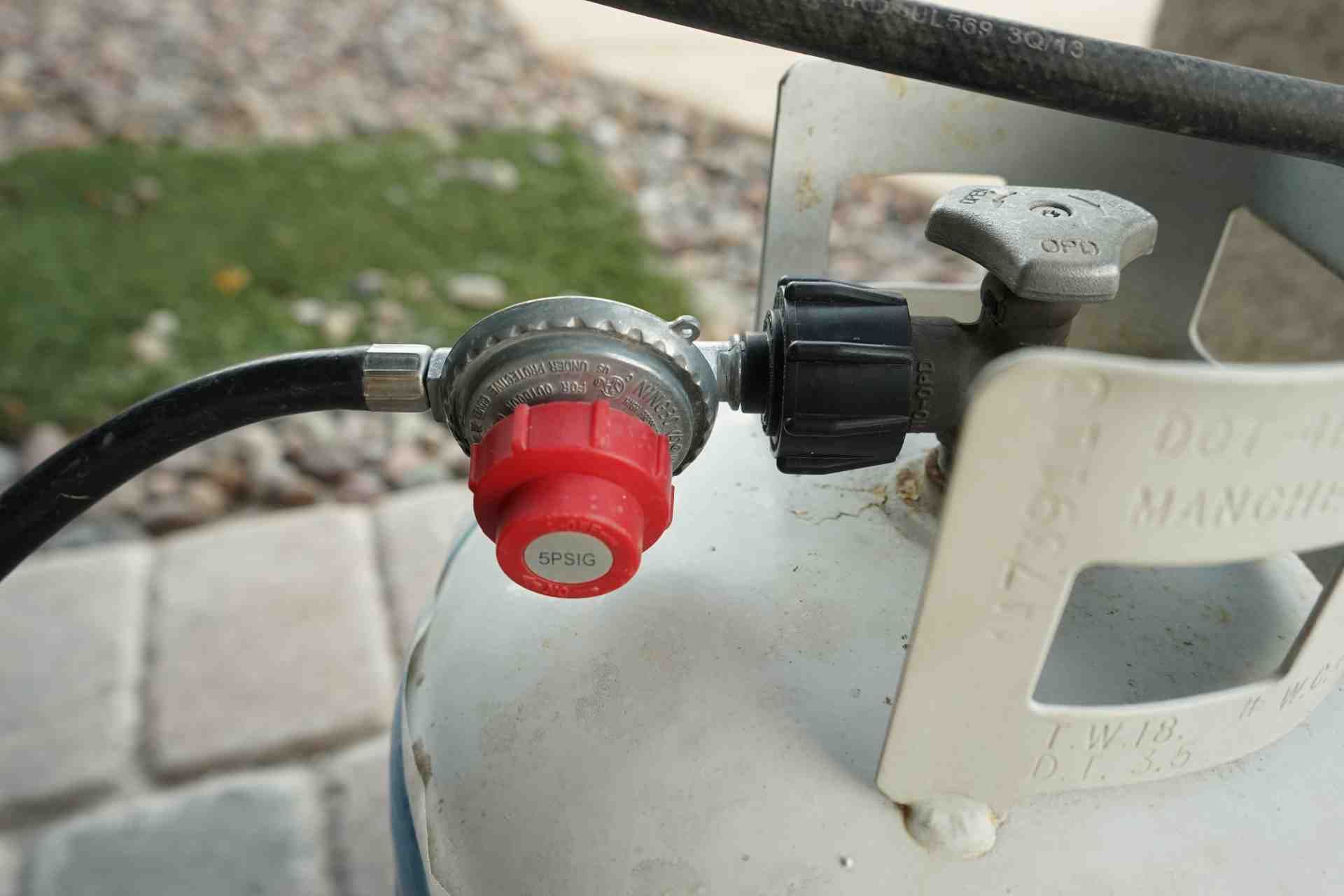
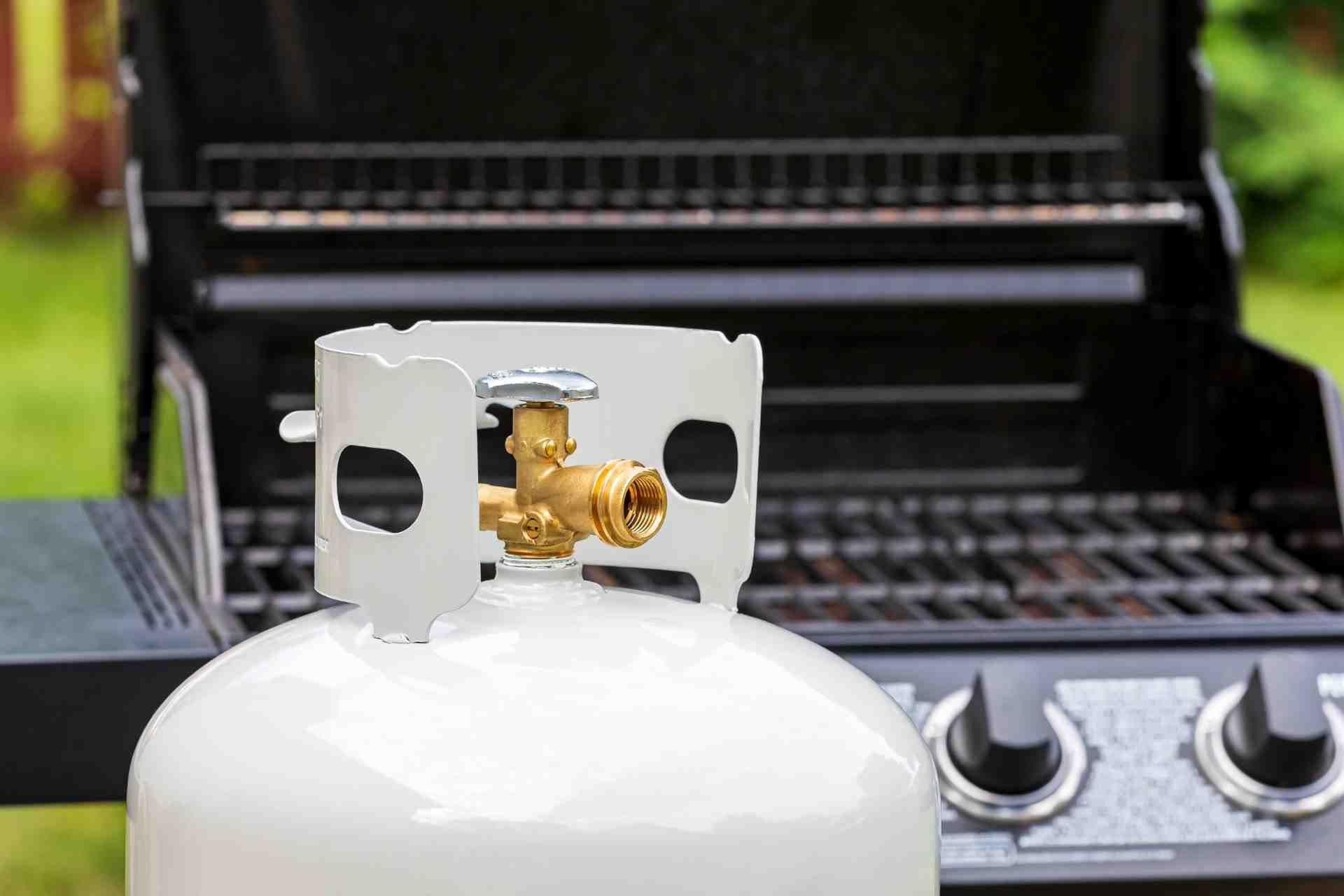
One of the biggest advantages of using propane for outdoor cooking is its convenience. Propane tanks are widely available at hardware stores, supermarkets, and even gas stations, making it easy to restock whenever you run out. Additionally, propane grills are typically easy to clean and maintain, making them a hassle-free option for those who want to spend more time enjoying their food and less time cleaning up.
Another benefit of using propane for grilling during the summer is that it allows for a more controlled cooking experience. Propane grills often come with adjustable temperature settings, allowing you to easily regulate the heat and cook your food to perfection. This is particularly important when grilling delicate items such as fish or vegetables, which require precise heat control to prevent them from becoming overcooked.
In addition to its convenience and versatility, propane grills are also a more environmentally friendly option compared to charcoal grills. Propane burns cleaner than charcoal, producing fewer emissions and less smoke, making it a more sustainable choice for outdoor cooking.
Outdoor Heating
Even during the summer, evenings can get cool.
Propane heaters have become increasingly popular for outdoor use due to their convenience, efficiency, and versatility. Whether you're looking to heat up a small patio or a larger outdoor space, propane heaters come in a variety of sizes and styles to suit your needs.
One of the biggest advantages of using propane heaters is their portability. Unlike traditional fire pits or chimineas, propane heaters can easily be moved around to where you need them most, whether that's next to your outdoor dining table or by your cozy outdoor seating area.
Propane heaters are also incredibly efficient, providing instant heat at the push of a button. No need to wait for a fire to get going or deal with the hassle of cleaning up ashes afterward. Propane heaters are a clean and convenient option for heating your outdoor space.
Some models come with adjustable heat settings, allowing you to customize the level of warmth to your liking. And with advancements in design, propane heaters now come in sleek and stylish designs that can complement any outdoor decor.
Pool and Spa Heating
For those who love swimming, a propane pool heater is a must-have. It quickly heats your pool or spa, ensuring the water is at the perfect temperature whenever you want to take a dip.
Propane is a versatile and efficient fuel that can be used to heat pools and spas quickly and effectively. With propane heating, you can enjoy your pool or spa for longer periods of time, even on cooler nights or during the early morning hours. Propane heaters are commonly used for pools and spas because they offer fast heating times and are known to be more energy efficient than other heating options.
One of the key advantages of using propane for pool and spa heating during the summer months is its cost-effectiveness. Propane is typically more affordable than other heating fuels such as natural gas or electricity, making it a budget-friendly option for keeping your pool or spa at a comfortable temperature. Additionally, propane heaters are known for their longevity and durability, meaning you can rely on your heating system season after season.
Propane is a clean-burning fuel that produces fewer emissions than other heating options, making it a more sustainable choice for eco-conscious pool and spa owners. By choosing propane as your heating source, you can enjoy your outdoor oasis while minimizing your impact on the environment.
In addition to its efficiency and affordability, propane heating systems are also known for their ease of use and maintenance. Propane heaters are simple to operate and require minimal upkeep, making them a hassle-free option for busy pool and spa owners. With propane heating, you can spend less time worrying about your heating system and more time enjoying your outdoor space.
Camping and RVing
Propane is a versatile and efficient fuel that can be used for a variety of purposes while camping or RVing. Whether you're cooking up a delicious meal on a propane stove, keeping warm around a propane heater on a chilly night, or lighting up your campsite with propane lanterns, this fuel is easy to use and provides reliable energy when you need it most.
One of the major advantages of using propane during summer camping or RVing is its convenience. Propane tanks are easy to transport and can be quickly and easily connected to a variety of appliances. This means you can spend less time setting up and more time enjoying the great outdoors.
In addition to its convenience, propane is also a clean-burning fuel that produces fewer emissions than other fossil fuels. This makes it an environmentally friendly choice for those who want to minimize their impact on the environment while enjoying outdoor activities.
Another benefit of using propane during summer camping or RVing is its affordability. Propane is typically less expensive than other fuels, making it a cost-effective option for those looking to save money on their outdoor adventures.
Outdoor Lighting
Propane outdoor lighting is a great option for several reasons. Firstly, it offers a convenient and easy-to-use alternative to traditional electric lighting. With propane lighting, there's no need to worry about running extension cords or finding outlets – simply connect your lights to a propane tank and you're good to go. This makes it perfect for spaces where access to electricity may be limited.
Another advantage of propane outdoor lighting is its versatility. From tiki torches and lanterns to fire pits and heaters, there are a wide variety of options to choose from when it comes to propane-powered fixtures. You can mix and match different styles to create a unique and customized look for your outdoor space.
Additionally, propane outdoor lighting is a energy-efficient and sustainable option. Propane is a clean-burning fuel that produces fewer emissions than traditional fossil fuels, making it a more environmentally-friendly choice for lighting your outdoor space. Plus, since propane is portable and can be stored in tanks, it can be a more reliable source of lighting in areas prone to power outages.
When it comes to maintaining your propane outdoor lighting, it's important to regularly check and refill your propane tanks to ensure your lights stay illuminated. You should also clean and inspect your fixtures periodically to prevent any rust or damage that could affect their performance.
Generators
Summer storms can sometimes lead to power outages.
Propane is also a more stable fuel source than gasoline or diesel, making it a safer option for powering generators during the summer. Gasoline and diesel can degrade over time, especially in hot temperatures, leading to clogs and engine issues. Propane, on the other hand, has an indefinite shelf life and does not break down or degrade like other fuels, ensuring that your generator will start and run smoothly when you need it most.
In addition, propane is typically less expensive than gasoline or diesel, making it a cost-effective choice for powering generators during the summer months. With fluctuating fuel prices and the potential for shortages during times of high demand, having a reliable and affordable fuel source like propane can provide peace of mind and ensure that your generator remains operational during power outages.
Outdoor Kitchens
For those who take outdoor cooking seriously, a fully equipped outdoor kitchen with propane appliances is a dream come true.
One of the biggest advantages of using propane in your outdoor kitchen is its convenience. Propane tanks are easily portable, making them ideal for cooking on the go. And with propane grills, smokers, and cooktops, you can create a wide range of dishes without the need for a bulky charcoal or wood-fired setup.
Propane is also cost-effective, making it a budget-friendly option for outdoor cooking. With propane, you can enjoy the convenience of gas cooking without the high costs associated with natural gas lines or electricity. And because propane burns efficiently, you'll spend less time refilling tanks and more time enjoying your culinary creations.
Insect Control
One of the most popular uses for propane in insect control is through the use of propane-powered traps. These traps work by attracting insects with a combination of heat, light, and carbon dioxide, and then trapping them inside where they die. Propane-powered traps are particularly effective at controlling mosquitoes, flies, and other flying insects.
Another common use for propane in insect control is through the use of propane-powered foggers. These devices work by heating a liquid insecticide to create a fog or mist that can be used to treat outdoor areas for insects such as mosquitoes, ticks, and fleas. Propane foggers are a popular choice for those looking to effectively control insects in larger outdoor areas, such as yards, campsites, and fields.
In addition to traps and foggers, propane can also be used in other ways to help control insects during the summer months. For example, propane torches can be used to burn off vegetation that provides breeding grounds for insects, such as mosquitoes. Propane can also be used to power insect zappers, which work by attracting insects with a UV light and then zapping them with an electric shock.
Using propane for insect control during the summer can be an effective and environmentally friendly solution. Propane is a clean-burning fuel that produces fewer emissions than other types of fuels, making it a more sustainable choice for insect control. Additionally, propane-powered insect control devices are often more affordable and effective than traditional methods such as chemical sprays.
Boating
If you're a boating enthusiast, you may already be familiar with the benefits of using propane as a fuel source for your boat. Propane offers a clean, efficient, and cost-effective alternative to traditional gasoline or diesel engines. Not only does propane burn cleaner than other fuels, reducing harmful emissions and protecting the environment, but it also produces less carbon build-up, resulting in a longer engine life and lower maintenance costs.
One of the key advantages of boating with propane during the summer months is its ability to provide consistent performance in hot weather. Propane remains stable in high temperatures, allowing your boat engine to run smoothly and reliably even on scorching summer days. This is especially important for boaters who spend long hours on the water or for those who rely on their boat for transportation to and from shore.
Propane is readily available at marinas and gas stations across the country, making it easy to refuel your boat wherever you go. With propane cylinders and tanks available in a variety of sizes, you can choose the right fit for your boat and your usage needs. Plus, propane is typically less expensive than gasoline or diesel, helping you save money on fuel costs throughout the summer season.
Food Trucks and Outdoor Catering
Propane is a staple in the food truck and outdoor catering industry. It powers grills, fryers, ovens, and other cooking equipment, allowing vendors to prepare and serve food on the go.
One common theme among food trucks and outdoor catering services is their use of propane as a fuel source. Propane is a popular choice for outdoor cooking because it is clean-burning, efficient, and easy to transport. It also allows for quick and even cooking, which is essential when serving a large number of people in a short amount of time.
One of the main advantages of using propane for outdoor catering is its portability. Propane tanks are easy to transport and can be quickly hooked up to any cooking equipment, making it easy for food truck operators to set up shop wherever they please. This flexibility allows them to serve customers at a variety of venues, from outdoor festivals to backyard events.
Propane is also a cost-effective fuel source for food trucks and outdoor catering services. Propane is typically less expensive than other cooking fuels, making it a budget-friendly option for small businesses looking to maximize their profits during the busy summer season.
Propane is environmentally friendly, producing fewer emissions than traditional fuels such as gasoline or diesel. This means that food trucks and outdoor catering services can operate in a more sustainable manner, reducing their carbon footprint and contributing to a cleaner environment.
Enjoy the Use of Propane for Summer
At Koopman & Sons Gas, we offer a wide range of propane services to meet all of your summer needs. From propane delivery and tank installation to equipment repair and maintenance, our team of experts is here to help you make the most of your outdoor space. We pride ourselves on providing reliable and affordable propane solutions that are tailored to your specific needs.
Contact us today to learn more about how we can help you enjoy the use of propane for summer.