Propane Tank Safety Tips to Avoid Fire Damage
Propane is a highly versatile and efficient fuel source commonly used in households for various purposes, such as heating, cooking, and powering appliances. While propane is a reliable and efficient fuel source, it's essential to prioritize safety when handling and storing propane tanks. Failure to do so can not only lead to fire accidents but also cause significant property damage and put lives at risk. Understanding the potential risks and following safety guidelines can help prevent accidents and ensure a secure environment for you and your loved ones.
Here are some propane tank safety tips to follow:
Keep Tanks Upright and Stable
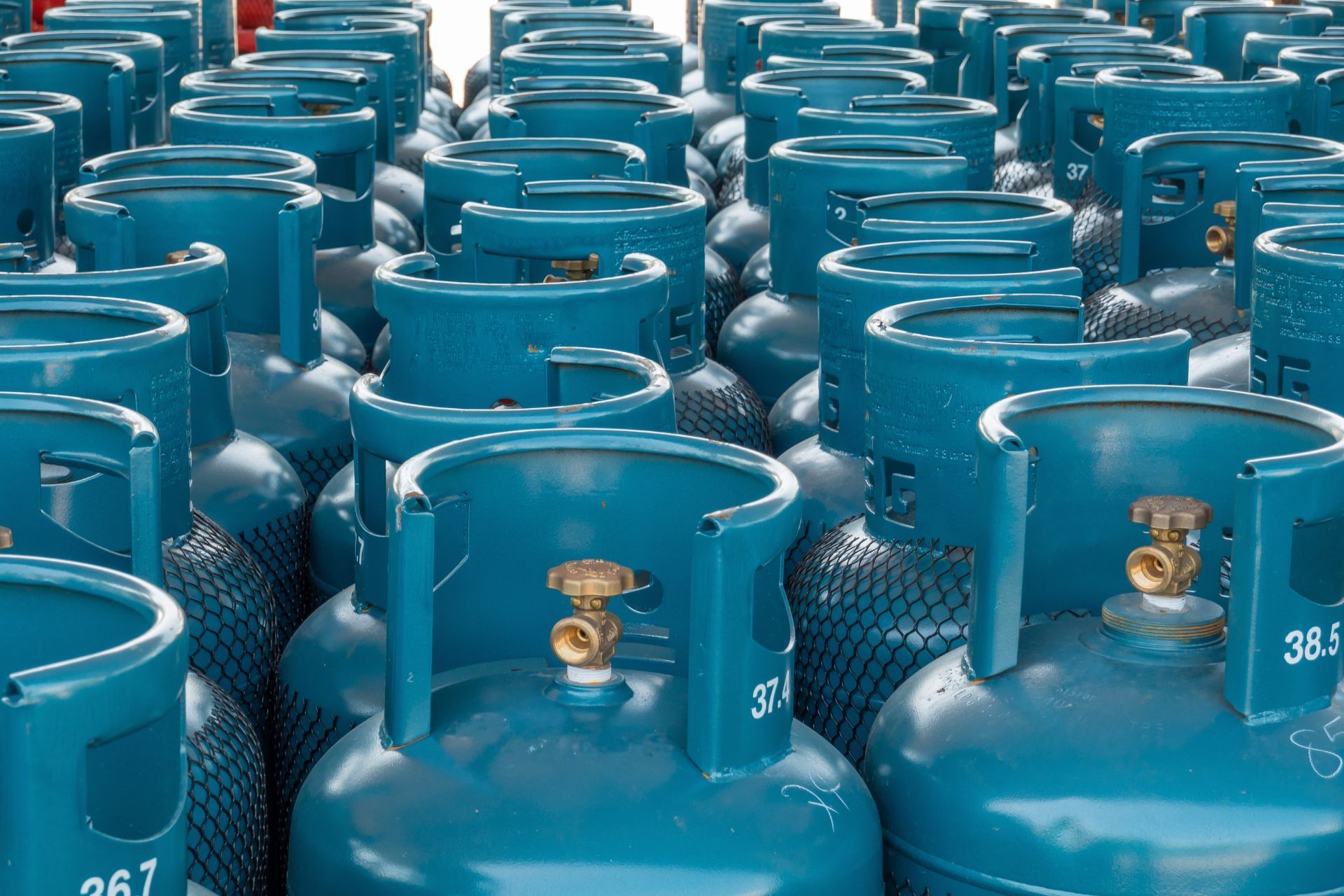
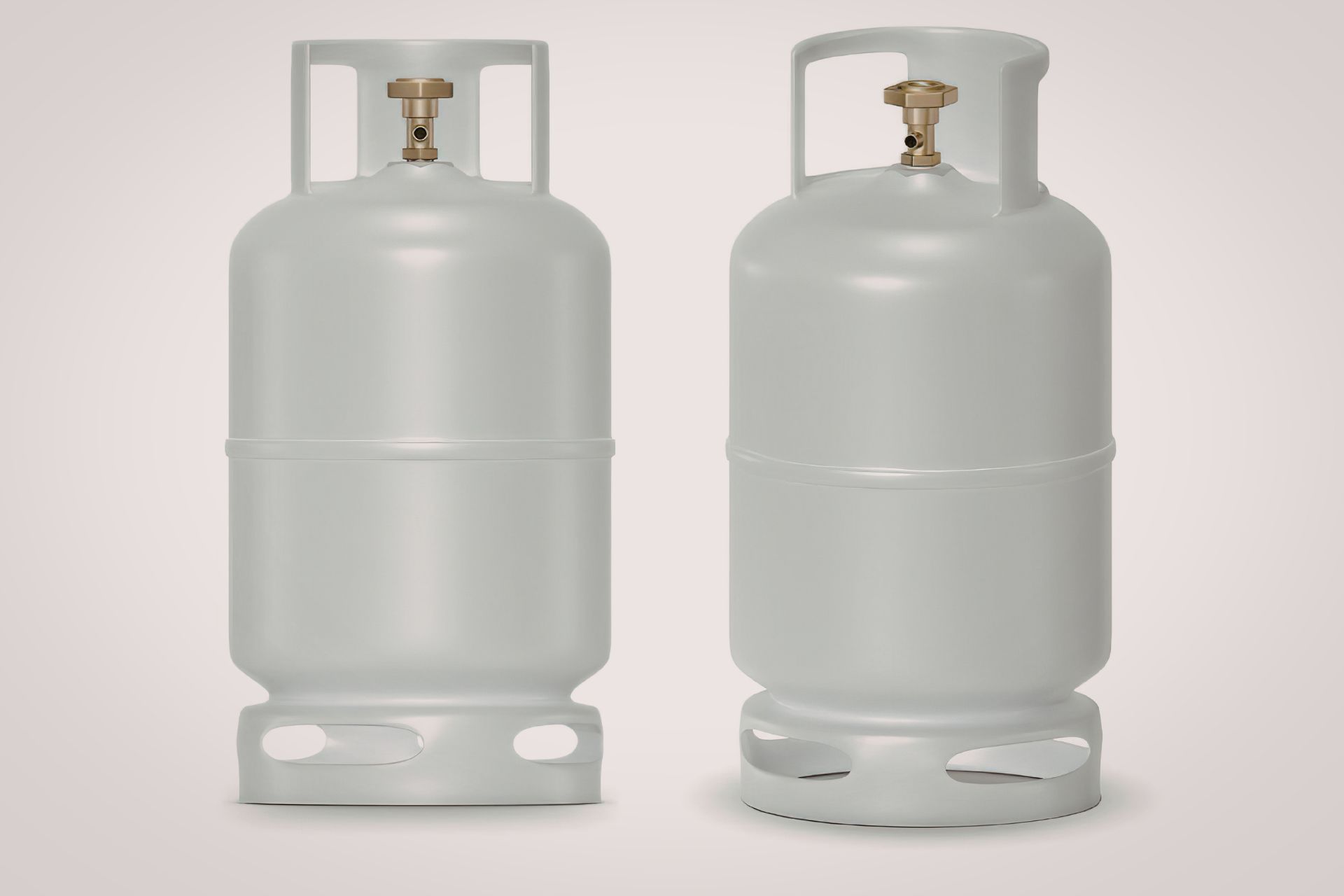
Always store propane tanks in an upright position. This prevents any potential leaks or accidents that may occur if the tank falls over. Additionally, make sure the tank is placed on a stable and flat surface to avoid tipping hazards.
Maintain Proper Ventilation
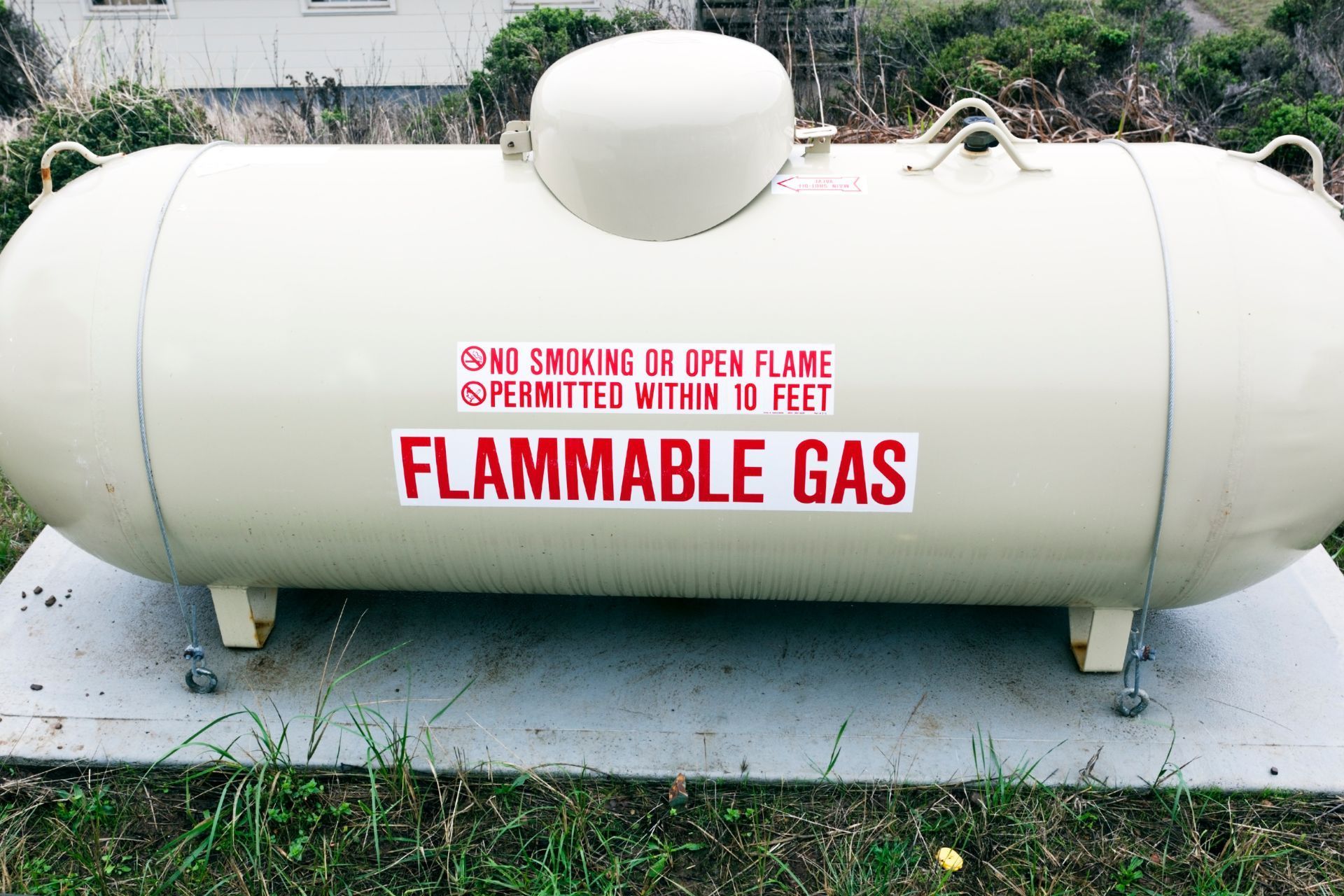
Propane is a highly flammable gas, and its fumes can cause an explosion if not adequately ventilated. It's crucial to store propane tanks in a well-ventilated area, away from any ignition sources such as open flames, electrical devices, or combustible materials.
Regularly Inspect Hoses and Connections
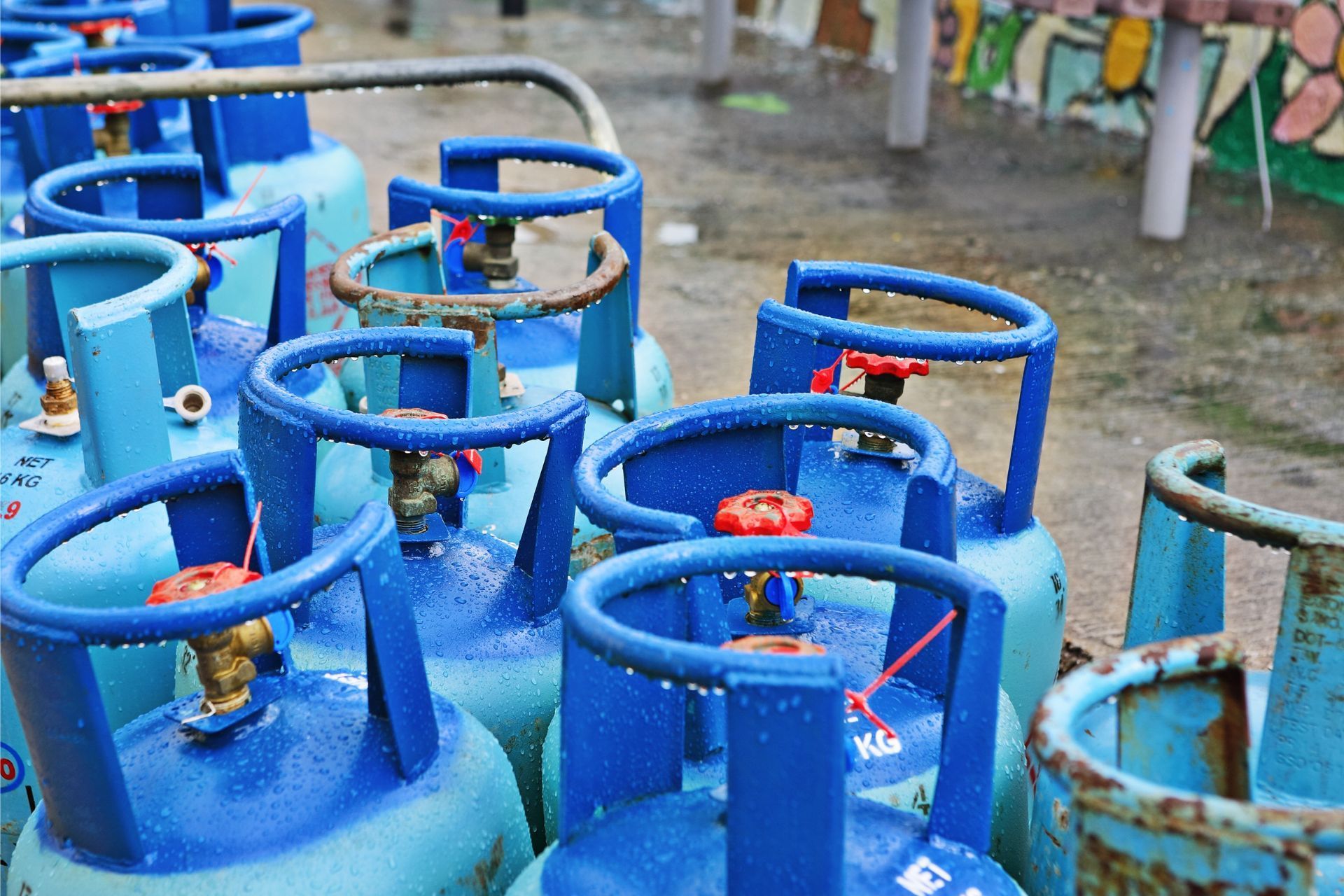
Check the hoses and connections leading to your propane tank regularly. Look out for any signs of wear and tear, such as cracks, leaks, or loose fittings. Replace damaged or faulty equipment immediately to prevent potential gas leaks.
Store Propane Tanks Outdoors
Never store propane tanks inside your home or garage. In case of a leak, propane gas can quickly accumulate and become a potential fire hazard. Store tanks outdoors in a well-ventilated area, preferably a secure and dedicated propane storage cabinet.
Beware of Overheating
Propane tanks are prone to overheating and should never be exposed to direct sunlight or high temperatures. Heat can cause pressure inside the tank to rise and potentially lead to an explosion. Therefore, ensure that your tanks are protected from excessive heat by providing shade or suitable covers.
Follow Proper Handling Procedures
When handling propane tanks, be cautious and treat them with care. Avoid dropping or mishandling the tanks, as sudden impacts can cause damage and lead to a leak. Always use the tank's handles or designated areas to carry or transport it.
Educate Yourself and Others
It's essential to familiarize yourself and your family members with propane safety protocols. This includes understanding the warning signs of a potential gas leak (such as the smell of rotten eggs) and knowing how to shut off the gas supply in case of an emergency. Educate everyone in your household about these safety measures to ensure everyone's well-being.
Perform Regular Inspections
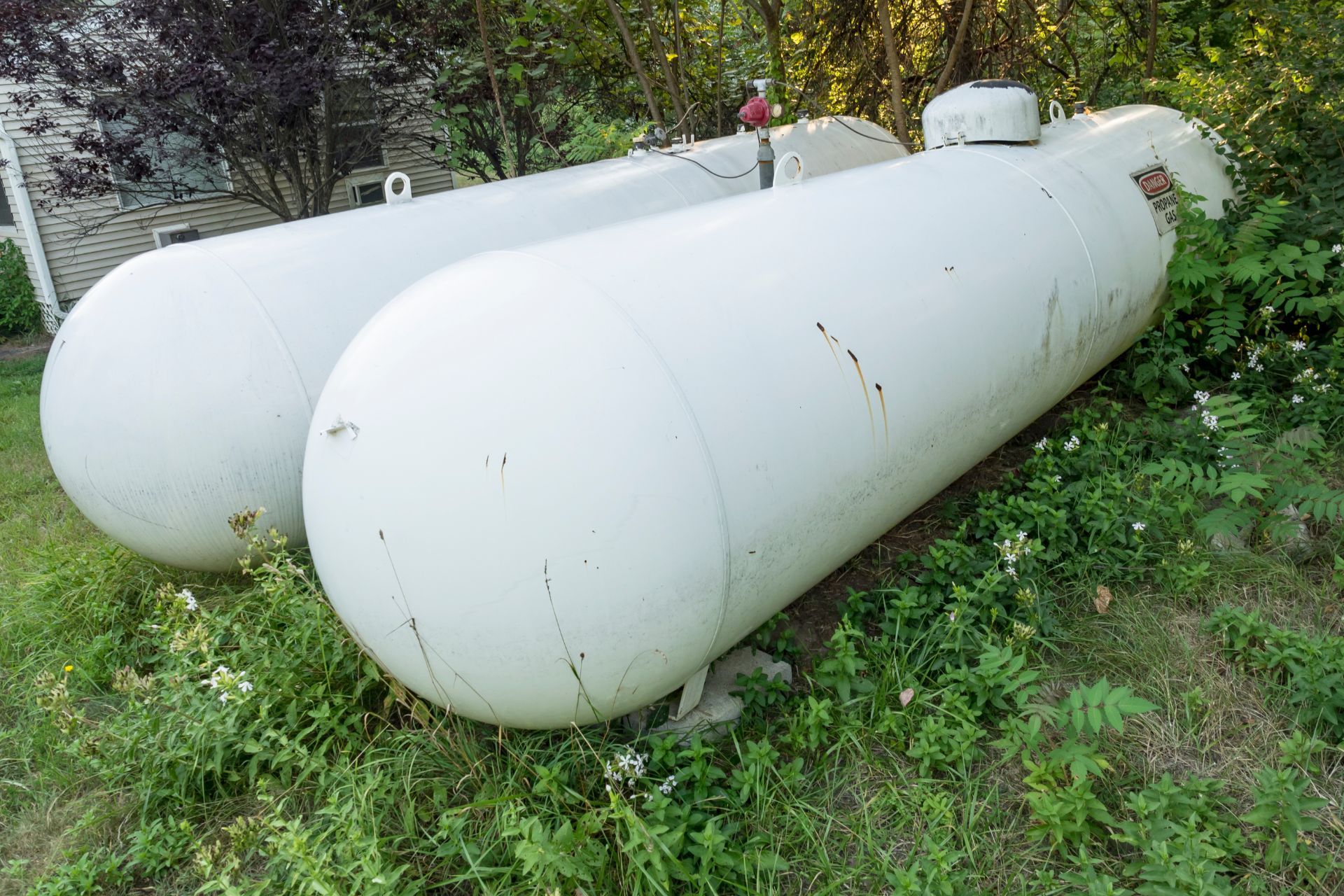
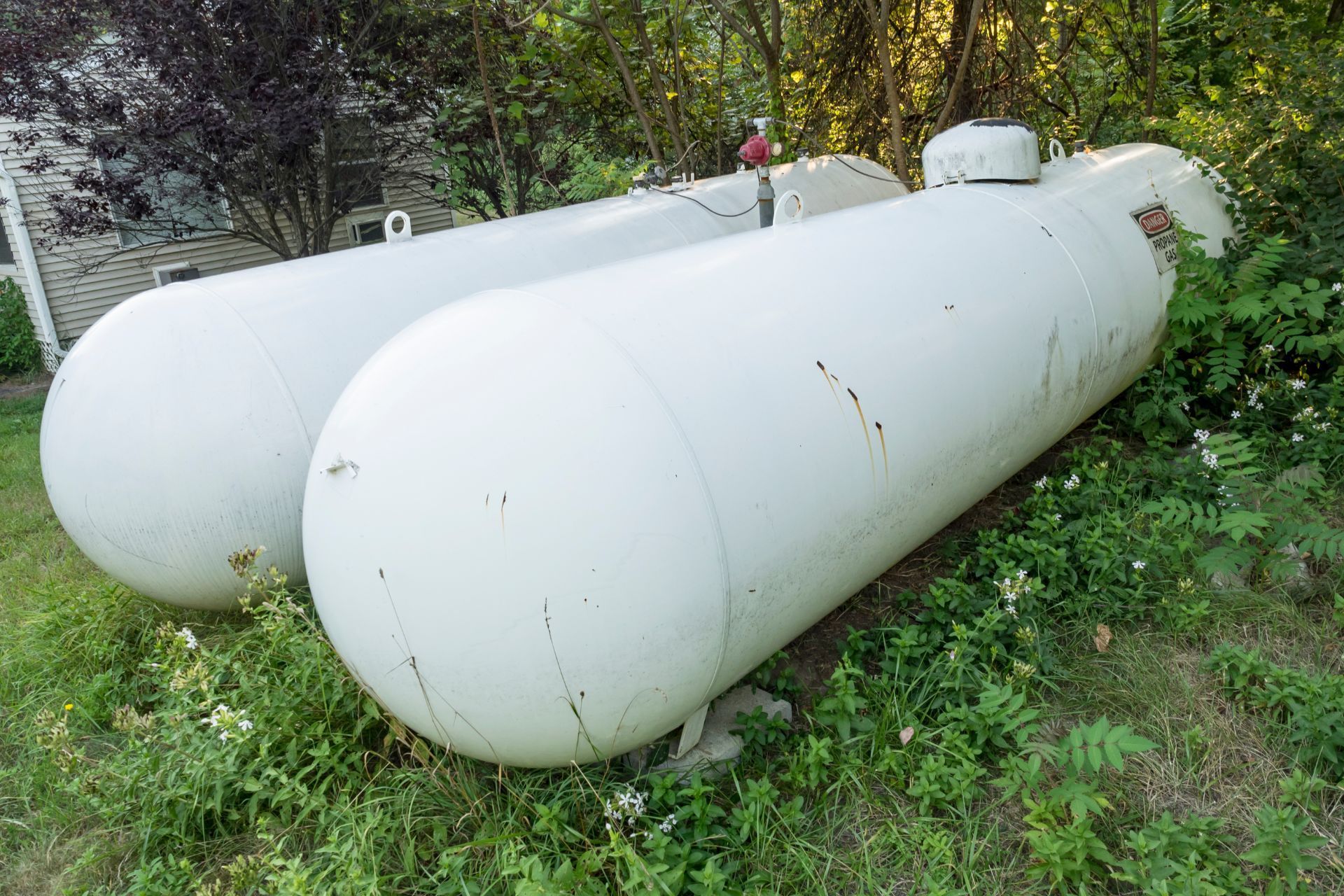
Periodically inspect your propane tank to ensure it remains in good condition. Look for any signs of rust or corrosion that can weaken the tank. Contact a qualified propane professional if you notice any abnormalities or suspect a problem.
Leave It to the Professionals
When it comes to installing or repairing propane systems, it's vital to hire certified professionals. Trying to tamper with or modify the system yourself can lead to serious consequences. Qualified propane technicians have the necessary knowledge and skills to handle propane tanks safely.
Take the Propane Tank Safety Seriously
Following these propane tank safety tips can help prevent fire accidents and protect your home and loved ones from potential fire damage. Prioritizing safety is crucial when dealing with propane, and with proper precautions and regular maintenance, you can enjoy the benefits of propane while minimizing the associated risks.
Work with
Koopman & Sons Gas Co, Inc. an independent propane company offering a range of products and services to customers