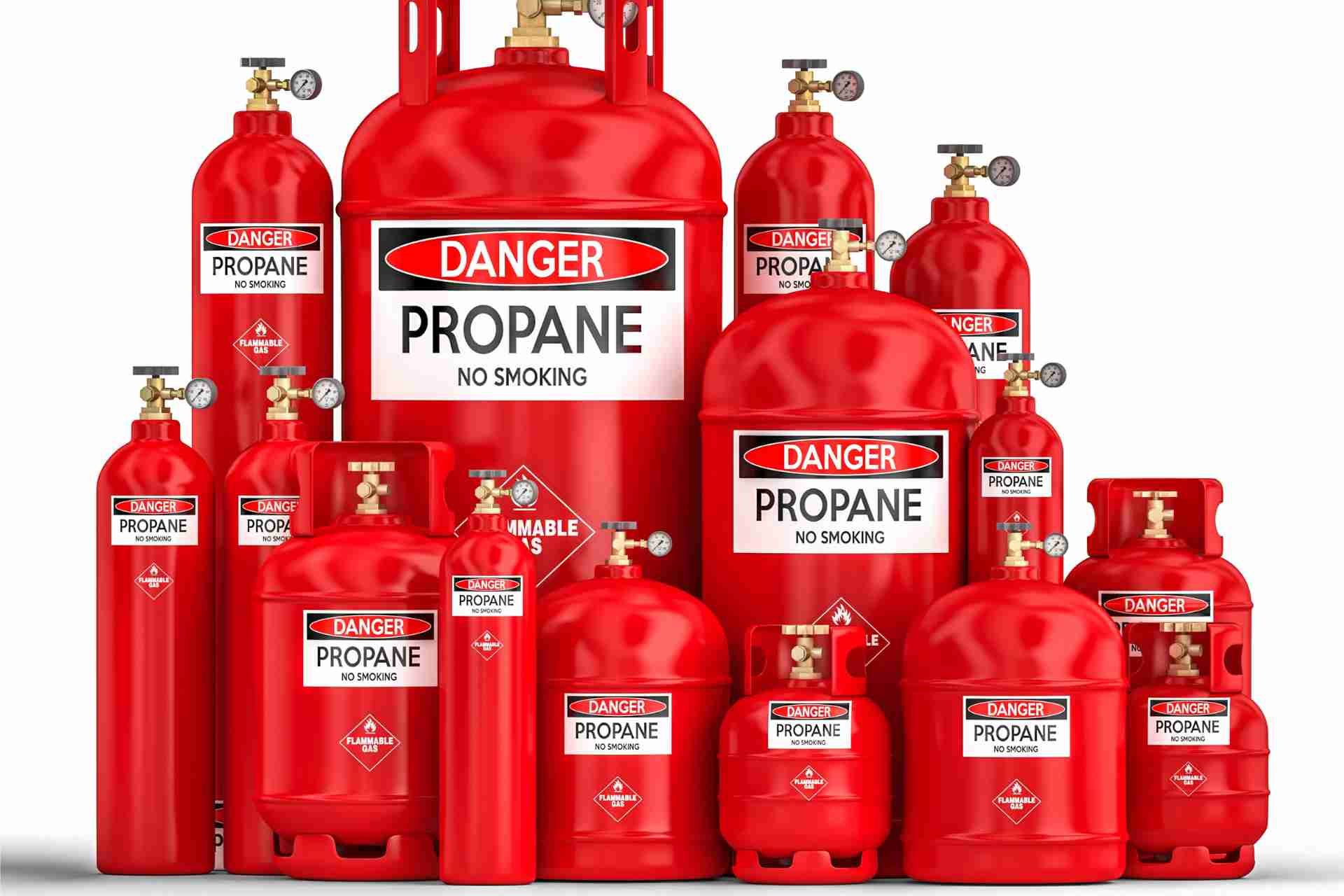
Pros and Cons of Propane Heating
Propane heating, also known as propane gas heating, is a popular choice for many homeowners when it comes to warming up their living spaces. It offers a lot of advantages, but just like any other heating option, it also has its drawbacks. In this blog post, we will discuss the pros and cons of propane heating to help you make an informed decision when considering it as a heating option for your home.
Pros of Propane Heating
1. Energy efficiency
Propane is known to provide significant energy savings compared to other heating options like electric heating. Propane has a higher energy content, meaning it produces more heat per unit compared to electricity. As a result, propane heating systems tend to be more efficient and can heat up a space more quickly and effectively.
2. Versatility
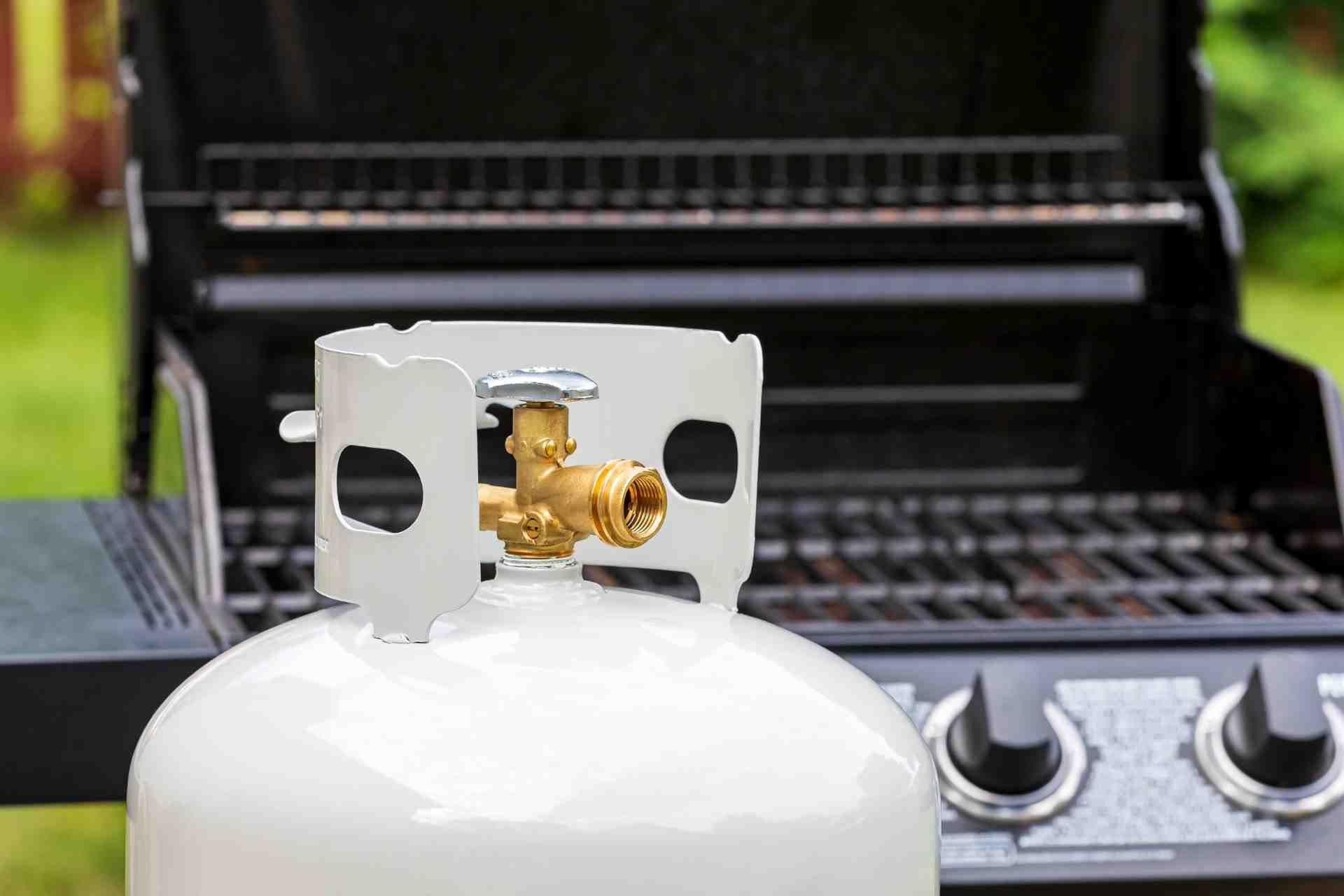
Propane can be used for various purposes beyond heating, such as cooking, water heating, and even for fueling a fireplace or outdoor grill. This versatility makes propane a cost-effective choice for homeowners who want a fuel source that can cover multiple needs.
3. Independence from the grid
Unlike electric heating systems that rely on the power grid, propane heating provides homeowners with the freedom to use it even during power outages. This is particularly advantageous in areas that experience frequent power interruptions or in rural locations where electricity infrastructure might be limited.
4. Environmental friendliness
Propane is a clean-burning fuel source, resulting in lower greenhouse gas emissions compared to other fossil fuels like oil or coal. Propane heating systems produce fewer pollutants, making them a greener choice for homeowners concerned about the environment.
5. Longevity
Propane heating systems tend to have a longer lifespan compared to electric systems. With proper maintenance and care, propane heaters can last for many years, providing reliable heating for your home.
Cons of Propane Heating
1. Fuel availability and storage
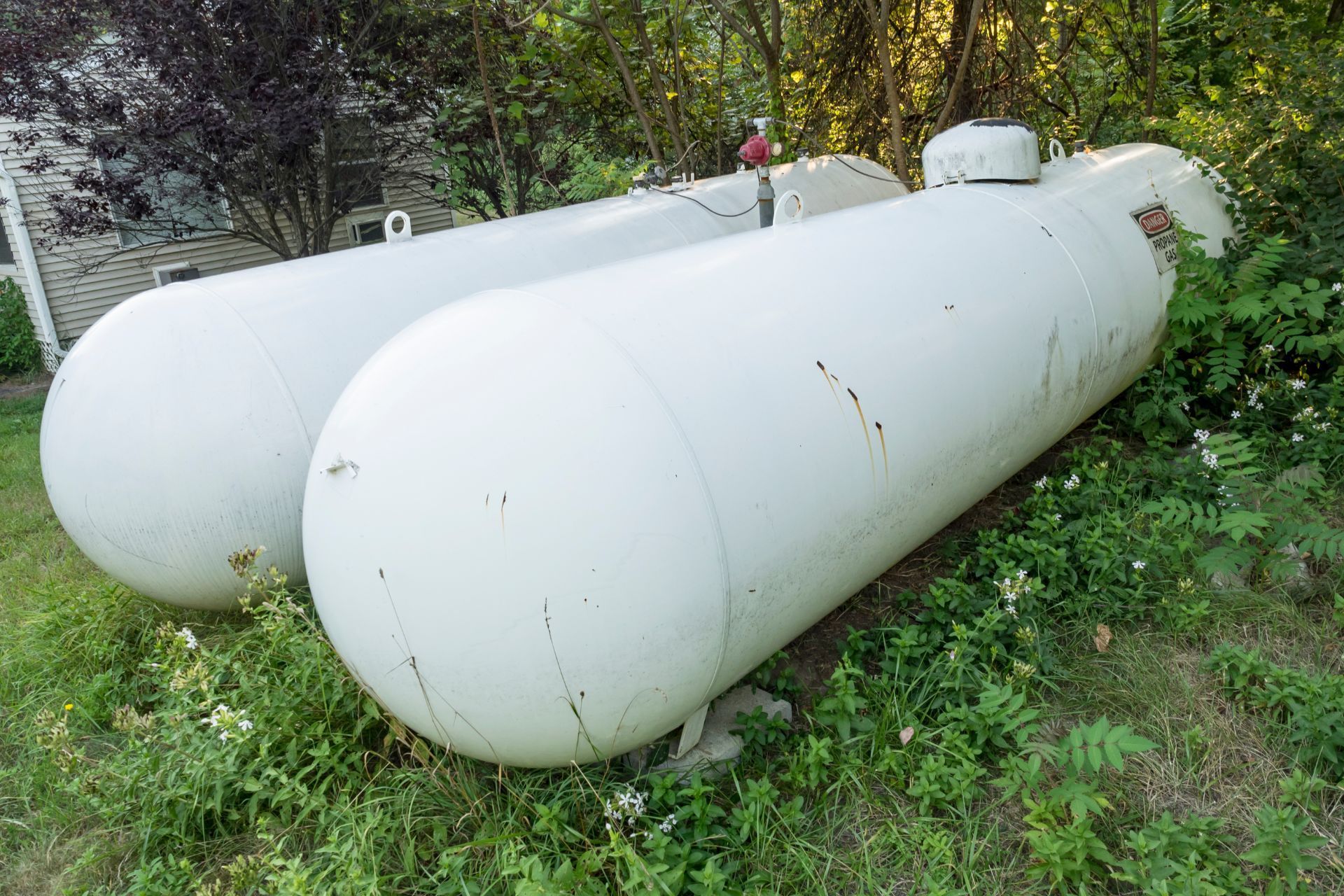
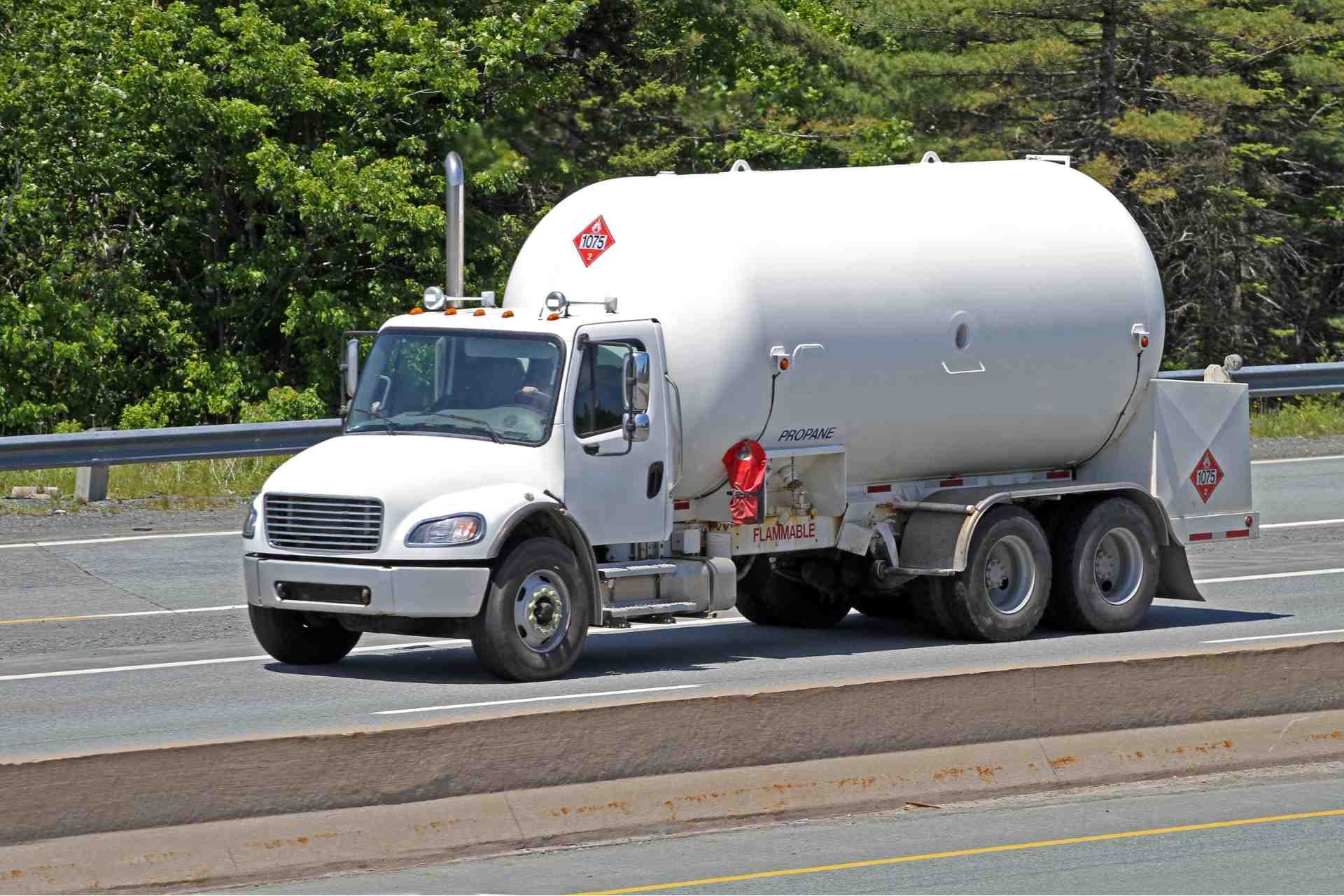
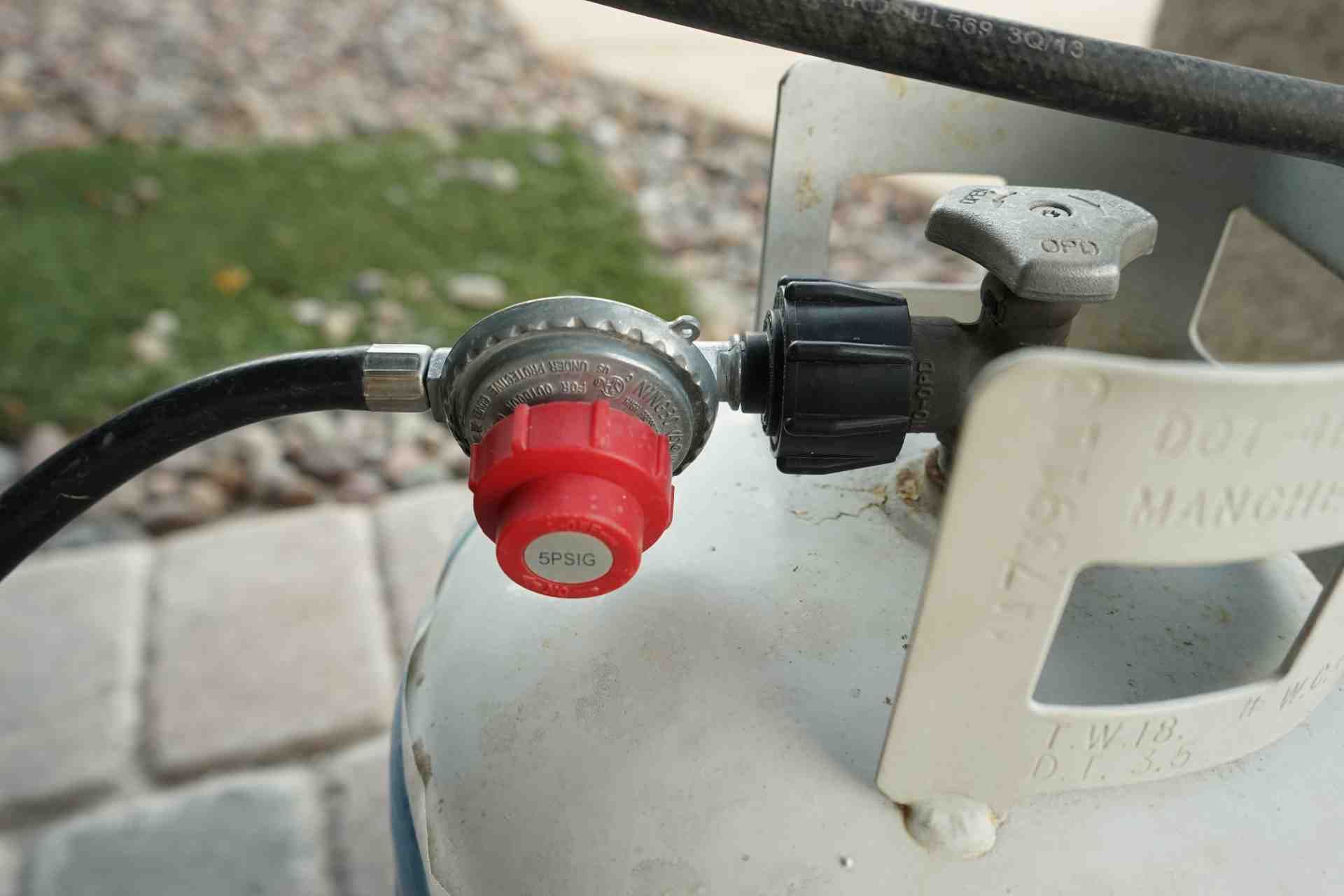
One of the downsides of propane heating is the need for a propane tank to store the fuel. This can take up valuable space on your property. Additionally, homeowners must ensure they have a reliable propane supplier nearby to ensure a constant supply of fuel.
2. Upfront installation costs
Propane heating systems can be more expensive to install compared to electric heating systems. The cost of purchasing and installing the equipment, as well as required permits and inspections, can add up. However, it's important to note that the long-term energy savings may offset the initial investment.
3. Carbon monoxide risk
While propane is generally safe when used correctly, improper installation or ventilation can lead to carbon monoxide build-up. It is crucial to have a professional install and maintain your propane heating system to prevent the risk of carbon monoxide poisoning.
4. Price volatility
The cost of propane can fluctuate based on market conditions and supply and demand. Homeowners relying on propane for heating may experience price variability, making it challenging to budget for heating expenses.
Do I need to opt for Propane Heating?
Propane heating can offer a reliable, versatile, and energy-efficient solution for your home heating needs. Its numerous benefits, such as lower energy costs, environmental friendliness, and versatility, make it an attractive option for many homeowners. If you have access to propane and are willing to make the initial investment, propane heating might be a worthy choice for you.
Contact a Quality Propane Provider
Koopman & Sons Gas Co, Inc. is an independent propane company offering a range of products and services for our customers. Propane has a wide variety of uses, so it's important to rely on a company with a staff that knows it all.
We're here to answer any questions and recommend a course of action for your propane needs. Give us a call at 605-446-3265.