Warning Signs of Propane Tank Problems
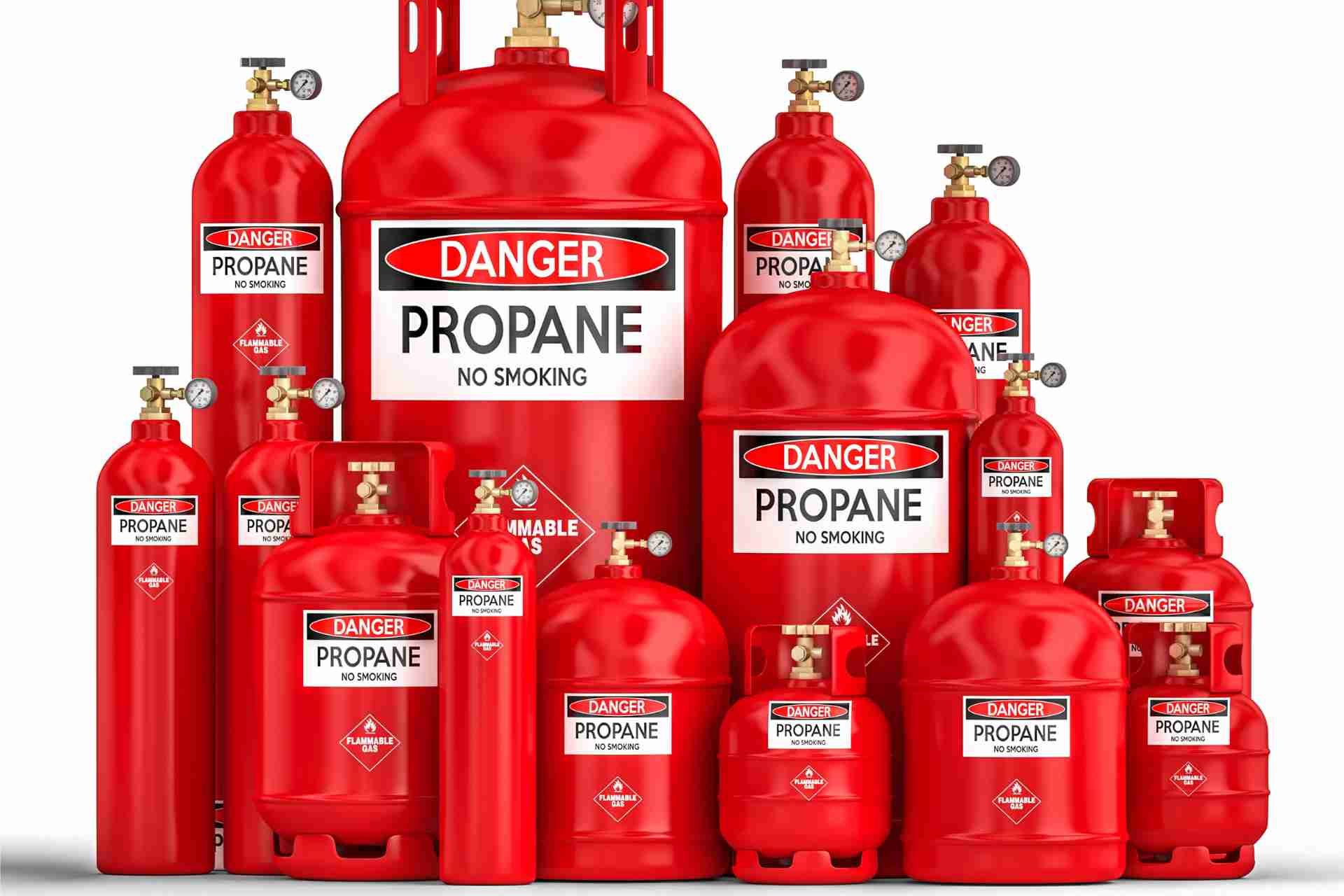
Propane tanks are a common component of many households, being used for heating, cooking, and even powering outdoor grills. While propane is generally a safe and efficient fuel source, it's important to be aware of the warning signs that could indicate potential problems with your propane tank. Ignoring these signs could lead to serious safety hazards.
Understanding common propane tank problems and knowing how to address them can ensure safe and uninterrupted use. Here are some of the most common problems with propane tanks and their solutions.
Leaks
Problem:
Propane leaks are the most serious issue you can encounter. A leak can lead to dangerous situations, including potential fire hazards or explosions.
Solution:
- Detection: To detect a leak, apply a soapy water solution to the tank and its connections. If bubbles form, there is a leak.
- Response: Immediately turn off the tank and disconnect it from any appliances. Move the tank to a well-ventilated area. Do not use any electronic devices or open flames near the tank. Contact your propane supplier or a professional technician to inspect and repair the tank.
- Prevention: Regularly inspect your tank and connections for wear and tear. Replace any damaged parts promptly.
Low or No Propane Flow
Problem:
Sometimes, propane tanks may seem to have low or no flow, even when there is propane in the tank.
Solution:
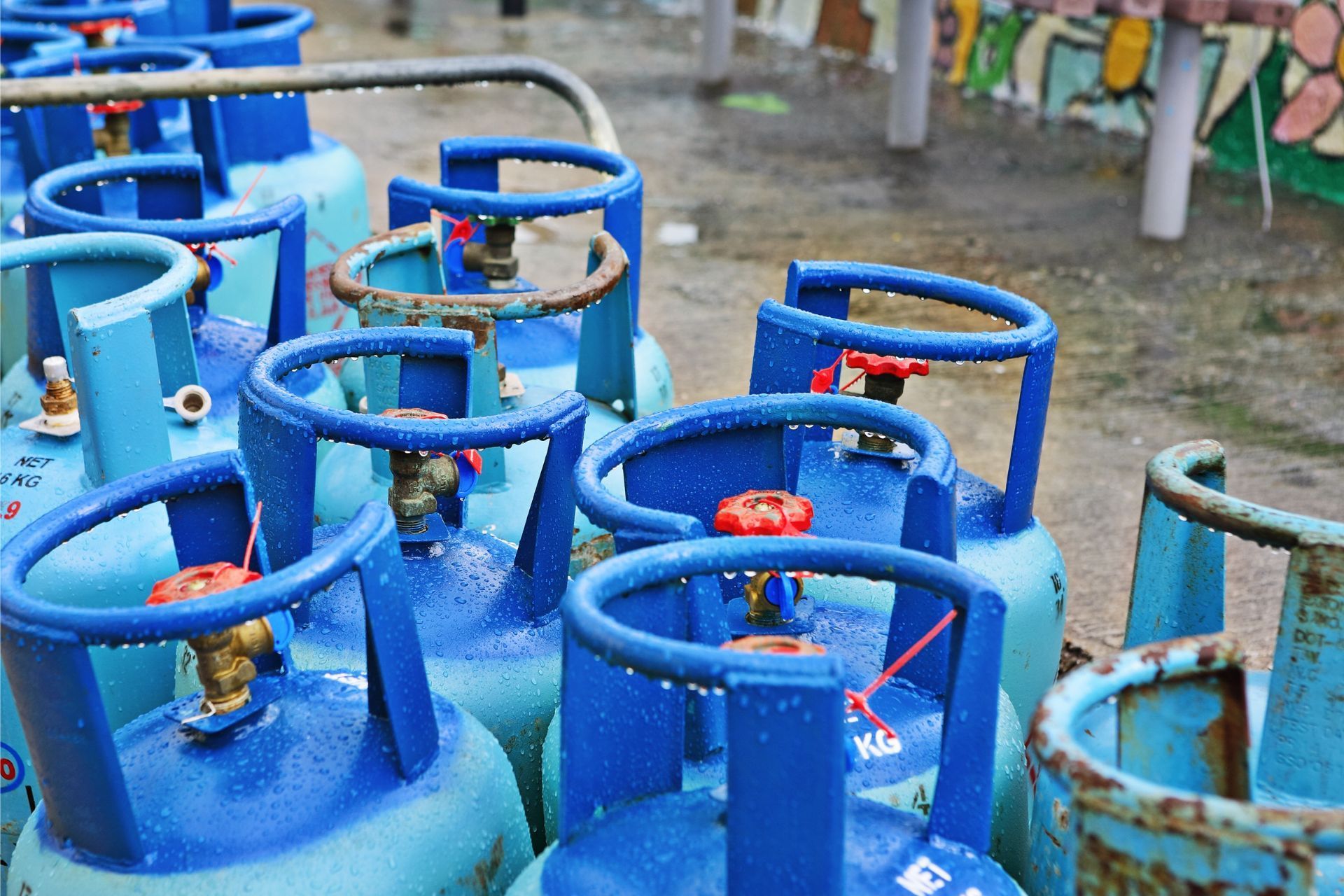
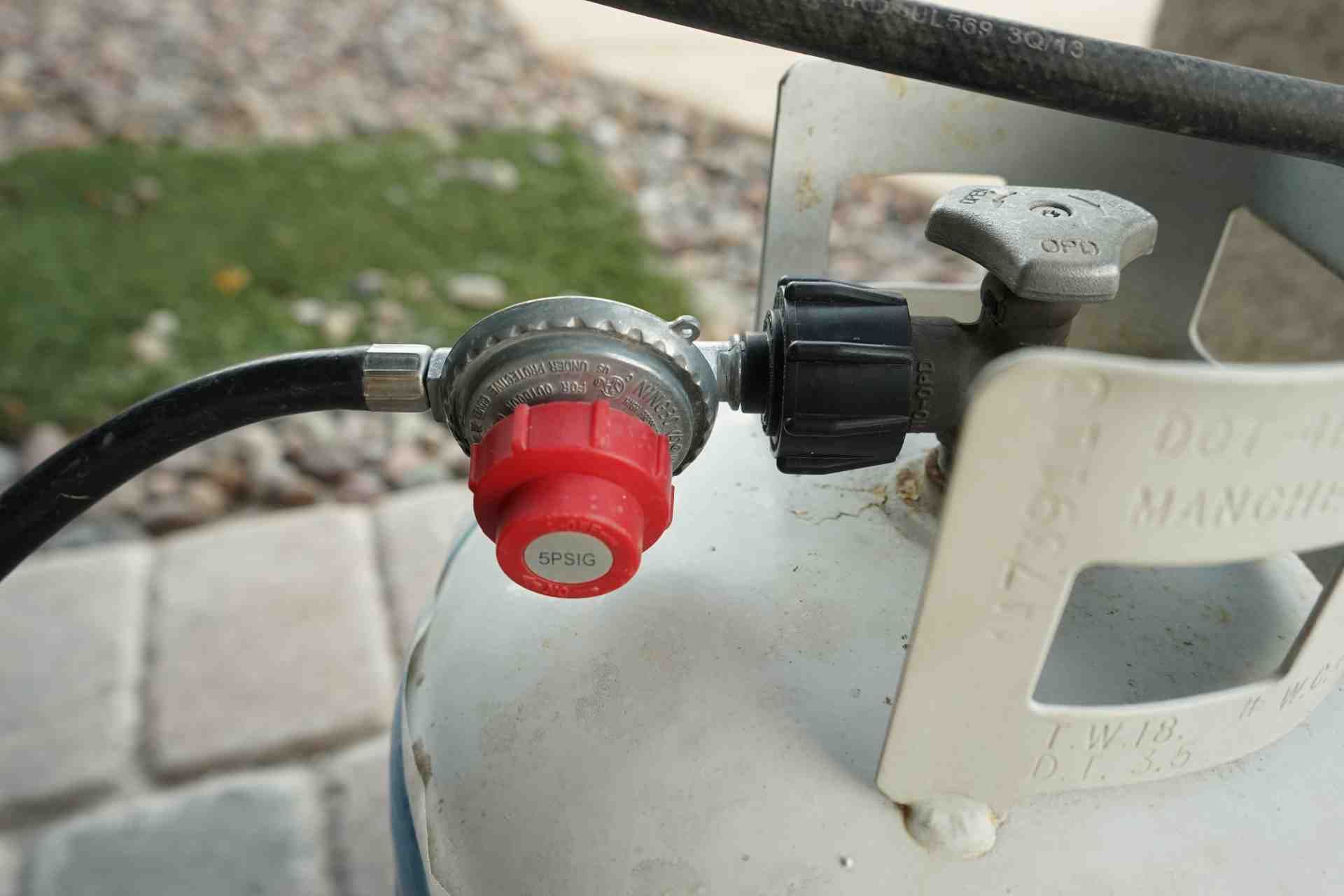
- Regulator Issues: The regulator controls the flow of propane from the tank to the appliance. If it's not functioning properly, it can restrict flow. Try resetting the regulator by turning off the tank, disconnecting it, and then reconnecting and turning it back on slowly.
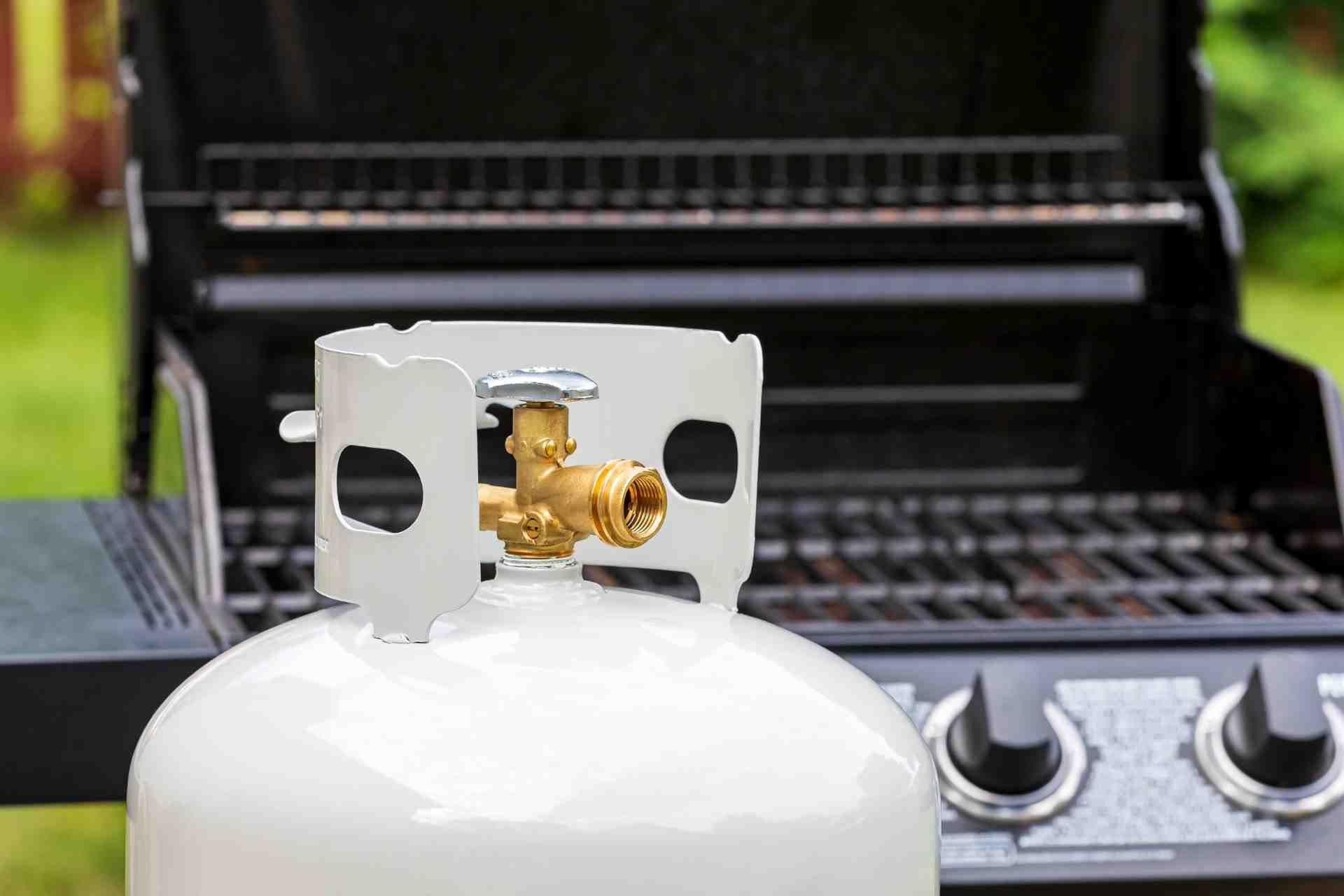
- Valve Issues: Ensure the tank valve is fully open. Sometimes the valve can become stuck or partially closed, restricting flow.
- Check for Obstructions: Inspect the hose and connections for any blockages or debris that could be obstructing the flow of propane.
Frost on the Tank
Problem:
Frost or ice forming on the outside of the propane tank can indicate a rapid release of propane or high humidity conditions.
Solution:
- Check for Leaks: Frost can form if there is a leak causing rapid depressurization. Perform a leak test as described above.
- Usage Adjustment: If the frost is due to high demand, reduce the usage or switch to a larger tank that can handle the flow better.
- Ventilation: Ensure the tank is in a well-ventilated area to allow the frost to dissipate naturally.
Faulty Gauge Reading
Problem:
Sometimes the gauge on a propane tank may show incorrect readings, making it difficult to know how much propane is left.
Solution:
- Manual Check: Weigh the tank and compare it to the tare weight (empty weight) indicated on the tank. The difference will give you an estimate of how much propane is left.
- Professional Inspection: If the gauge consistently gives incorrect readings, have it inspected and potentially replaced by a professional.
Difficulty Connecting or Disconnecting the Tank
Problem:
Issues with connecting or disconnecting the tank can be frustrating and may indicate a problem with the fittings or connections.
Solution:
- Check Fittings: Ensure that the fittings are clean and free from debris. Damaged or worn-out fittings should be replaced.
- Lubricate Seals: Apply a small amount of propane-compatible lubricant to the seals to make connections easier.
- Proper Alignment: Make sure the tank and appliance connections are properly aligned before attempting to connect or disconnect.
Tank Rust or Corrosion
Problem:
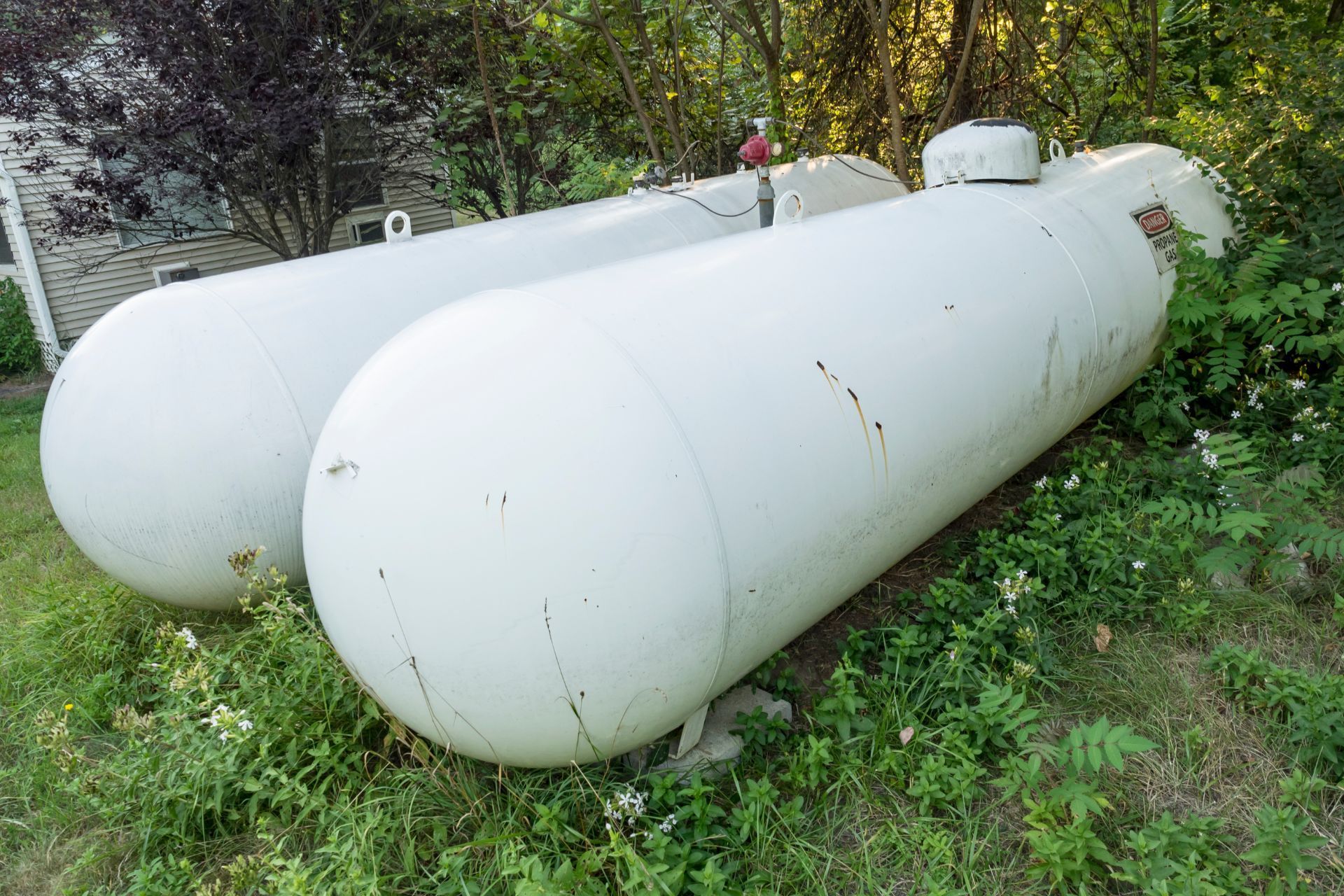
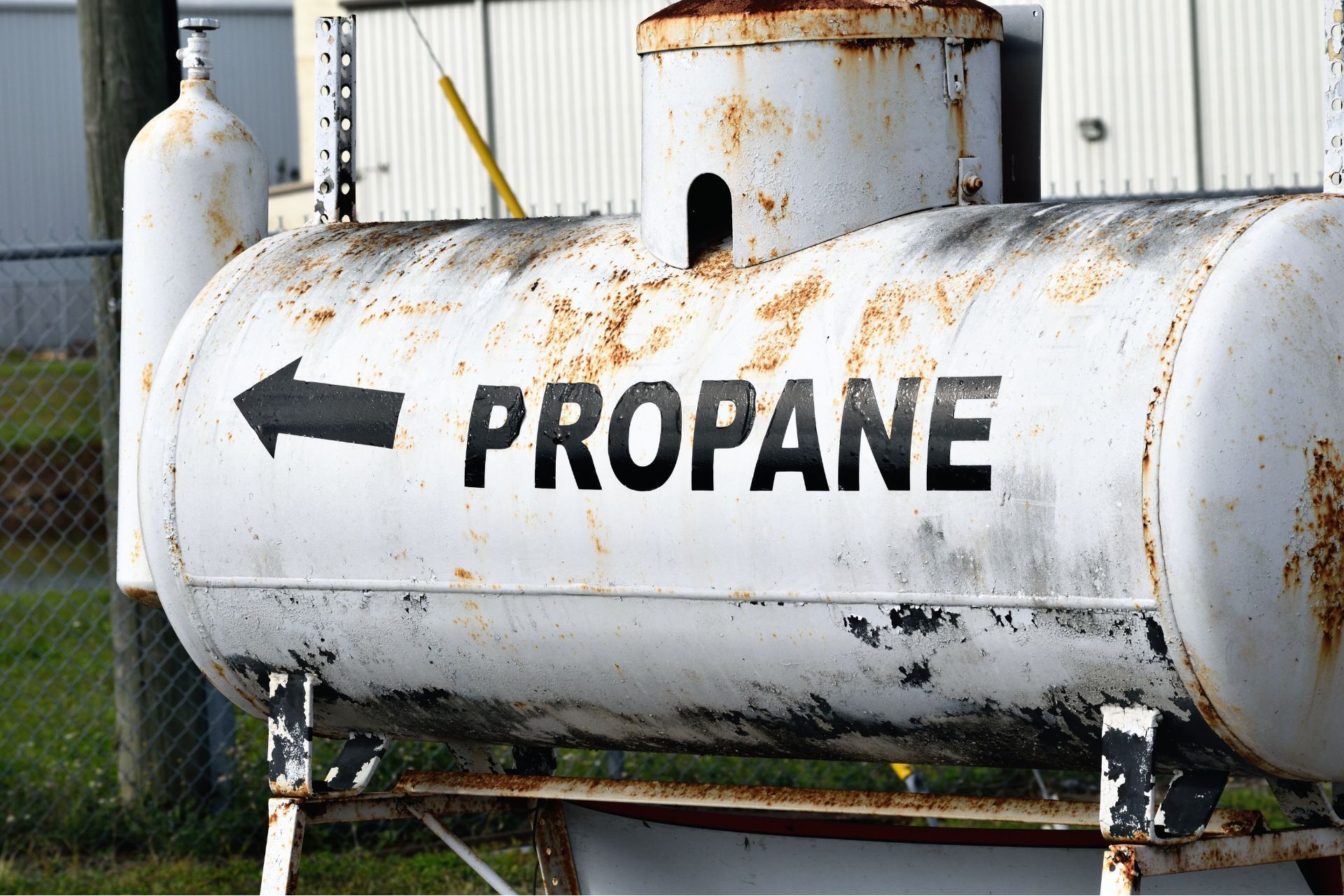
Rust or corrosion can weaken the propane tank, leading to potential leaks or failure.
Solution:
- Inspect Regularly: Regularly inspect the tank for signs of rust or corrosion. Pay special attention to the bottom and seams.
- Cleaning: If you notice surface rust, clean it off with a wire brush and apply a rust-resistant paint or coating.
- Replacement: If the corrosion is severe, replace the tank to avoid safety hazards.
Pilot Light Issues
Problem:
Propane appliances that use a pilot light may experience issues with the pilot light going out or not staying lit.
Solution:
- Check Gas Flow: Ensure there is adequate gas flow to the pilot light. Clean the pilot orifice and surrounding area to remove any blockages.
- Thermocouple: The thermocouple ensures the pilot light stays lit. If it’s faulty, the pilot light may not stay on. Replace the thermocouple if necessary.
- Airflow: Ensure there is proper ventilation and no drafts that could extinguish the pilot light.
Conclusion
While propane tanks are generally safe and reliable, issues can arise. Regular maintenance and inspections are key to ensuring safe operation. When in doubt, always consult with a professional to address propane tank problems. Taking proactive steps to detect and resolve issues can help you enjoy the benefits of propane without interruptions or safety concerns.