Propane Tank Installation: What You Need to Know (Permits, Placement, Costs)
When you're considering installing a propane tank, there are several crucial factors you need to keep in mind. From understanding the types of tanks available to navigating the necessary permits, each step is vital for a safe and compliant setup. You'll also want to think about the ideal placement and how costs can vary based on your specific situation. Let’s explore what you should know before moving forward with your installation.
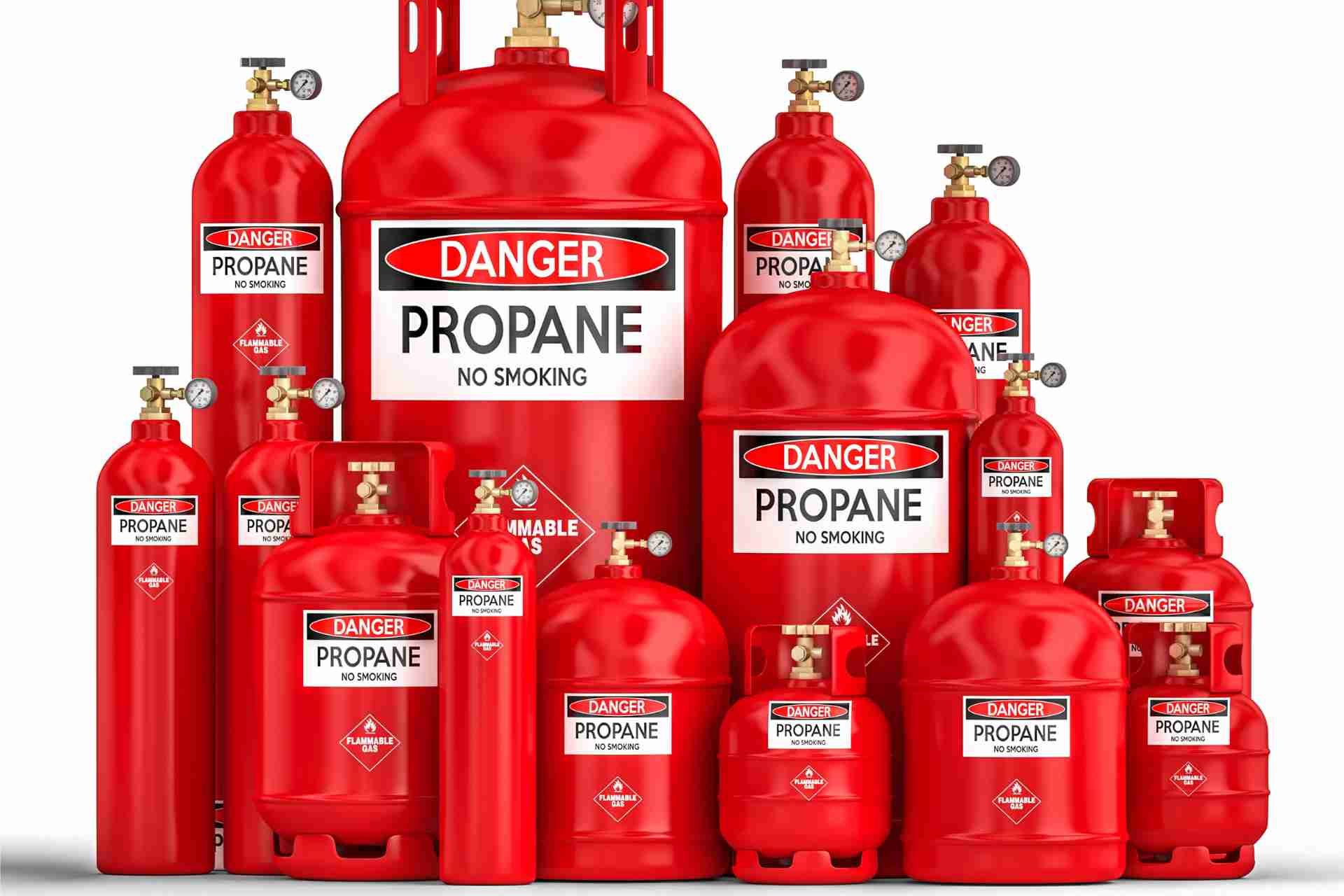
Understanding Propane Tank Types
When it comes to propane tanks, understanding the different types can make a big difference in your installation process.
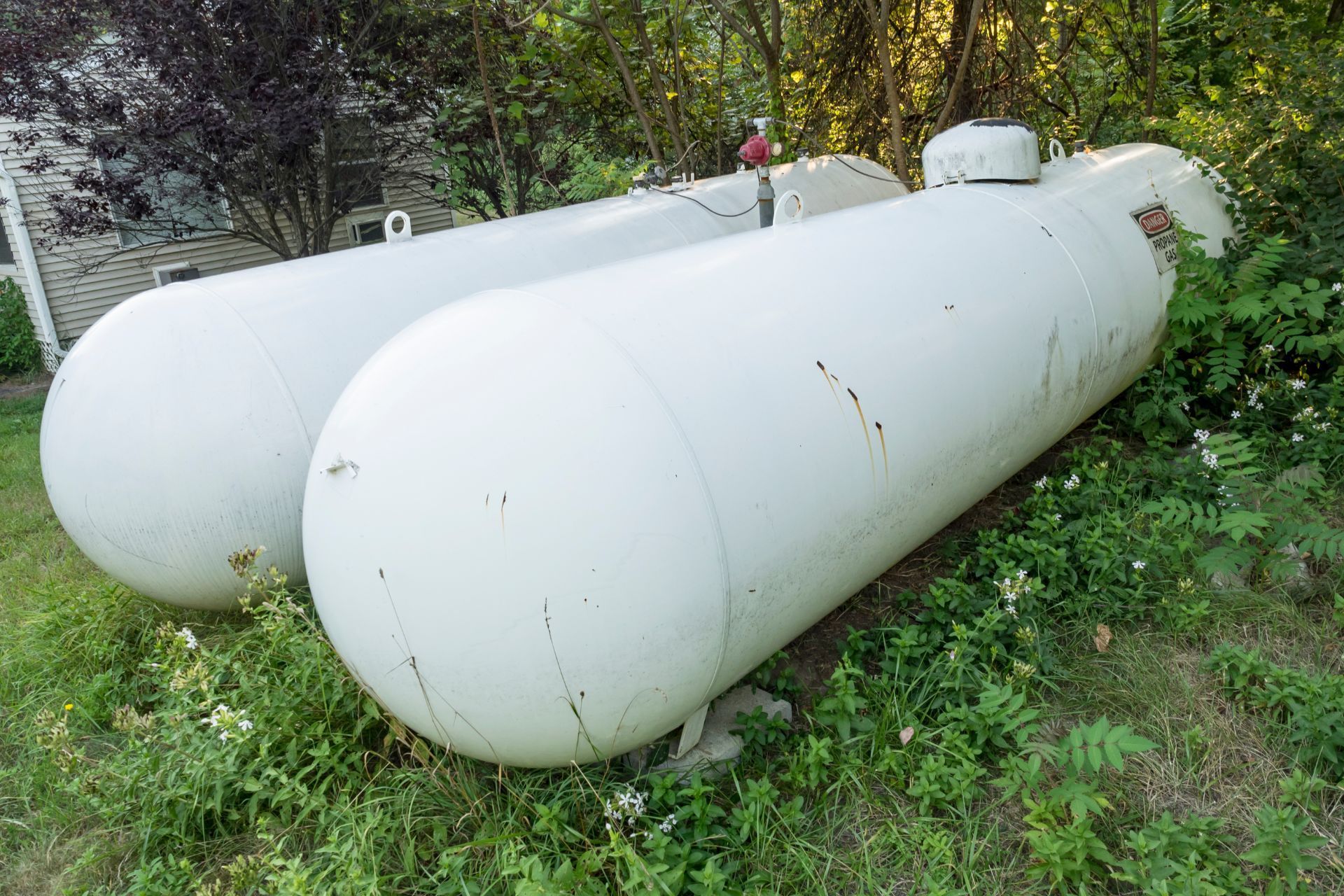
You’ll typically encounter two main types: above-ground and underground tanks. Above-ground tanks are easier to install and access but require adequate space and clearance. They’re visible and often blend into the landscape with proper placement.
On the other hand, underground tanks offer a discreet option, keeping your yard looking neat. However, they involve more complex installation and excavation.
Both types come in various sizes, so you'll want to consider your usage needs. Assessing your space and usage will help you choose the right tank type for your home, ensuring a smooth installation process.
Necessary Permits for Installation
Choosing the right propane tank type isn’t the only consideration for your installation; you’ll also need to navigate the necessary permits.
Before you begin, check local regulations, as they vary by state and municipality. You might need a permit for the tank's installation, especially if it’s above ground. This often involves submitting an application to your local fire department or building authority.
They’ll assess safety standards, distance from structures, and environmental concerns. Additionally, some areas require inspections before and after installation.
It’s crucial to ensure you have all the proper documentation to avoid fines or delays. Don’t hesitate to contact your local authorities for specific requirements, as staying compliant is key to a successful installation.
Ideal Placement Considerations
While you might be eager to get your propane tank set up, taking the time to consider its ideal placement can significantly impact safety and efficiency.
Start by locating the tank at least 10 feet away from any structure, ensuring it’s not near windows or doors. Avoid placing it in high-traffic areas or close to flammable materials.
Consider the prevailing winds; positioning the tank downwind from your home can prevent gas accumulation in case of a leak.
Moreover, ensure the ground is stable and level to support the tank's weight.
Finally, check local regulations for any specific distance requirements from property lines or other hazards.
These careful considerations can enhance safety and ensure your propane system operates smoothly.
Cost Factors for Propane Tank Installation
Understanding the cost factors for propane tank installation is crucial, as they can vary significantly based on several key elements.
First, the size of the tank plays a major role; larger tanks typically cost more.
Then there’s the installation location—if it’s difficult to access or requires additional site preparation, you’ll see increased labor costs.
Additionally, local regulations and permits can add to your expenses.
Don't forget about delivery fees; these can fluctuate based on distance.
Finally, consider ongoing maintenance and the cost of propane itself.
Safety Guidelines for Installation
When installing a propane tank, it's essential to prioritize safety to protect yourself and your property.
First, make sure to choose an appropriate location, away from structures, trees, and other hazards. Always check local regulations for specific distance requirements.
Before installation, inspect the tank for any damage, and ensure you have the right tools. While working, wear safety goggles and gloves to protect against potential leaks.
Be aware of the wind direction, as it can affect gas dispersal. After installation, secure the tank properly to prevent tipping.
Lastly, always have a fire extinguisher nearby and know emergency procedures in case of a leak or fire. Following these guidelines can help ensure a safe and successful installation.
Maintenance and Inspection Tips
To keep your propane tank in optimal condition, regular maintenance and inspections are crucial.
Start by checking the tank for any signs of rust, leaks, or damage. Make it a habit to inspect the fittings and connections for wear and tear. You should also verify that the pressure relief valve operates properly.
Keep the area around the tank clear of debris and vegetation to prevent hazards. Schedule professional inspections annually, as trained technicians can spot issues you might miss.
Additionally, monitor your propane levels to avoid running out unexpectedly. If you notice any unusual odors or sounds, don’t hesitate to contact a professional immediately.
Staying proactive with maintenance ensures safety and extends the lifespan of your propane tank.
Conclusion
In conclusion, installing a propane tank involves several key considerations, from understanding the different tank types to securing the necessary permits. You've got to think about placement to keep everything safe and compliant, and be aware of the costs involved. By following safety guidelines and scheduling regular maintenance, you can ensure your propane system runs smoothly for years to come. Don't forget to do your research and consult with professionals to make the process hassle-free!